In my opinion, there is more than one answer to the title question. Capturing wildlife photography in parks is not something you should definitely do or not do, but rather something that inherently comes our way. Parks are more accessible than the wilderness and provide lots of opportunities for learning and practicing wildlife photography. I’m sure your shots can tell stories and inspire people, even when they are taken in a park. So why not take them?
However, I should point out that a park is not a zoo. In a park, animals have plenty of space and an environment that resembles their natural habitat (within the possibilities). They don’t live in a 2-by-2 paved cage next to animals they wouldn’t dream of calling neighbors in the wilderness. Wildlife photography should never be about anything else than the welfare of the animals. That being said and understood, here is how to capture wildlife photos in parks so that they count as wildlife photography.
Types of Parks to Consider for Wildlife Photography
Not all parks are the same, and as a wildlife photographer, you should know what to expect of each and how to prepare accordingly. As you’ll see, sometimes proximity and accessibility weigh more than rare subject matter. Engaging with the animals is also more valuable than travelling the world to see it. Nevertheless, storytelling should always be your main priority, regardless of the location of your photoshoot. Thus, I categorize parks as follows:
Local Parks
Local parks are places you go to all the time because they are close to where you live. You may encounter only squirrels, gophers, occasional rabbits, and birds, but being so easily accessible, the local park becomes your practice ground. You can go in all types of weather, carry heavy gear without too much logistics, practice patience, and stay as long as you wish. Local parks are great for experiencing shooting in various light conditions, too.
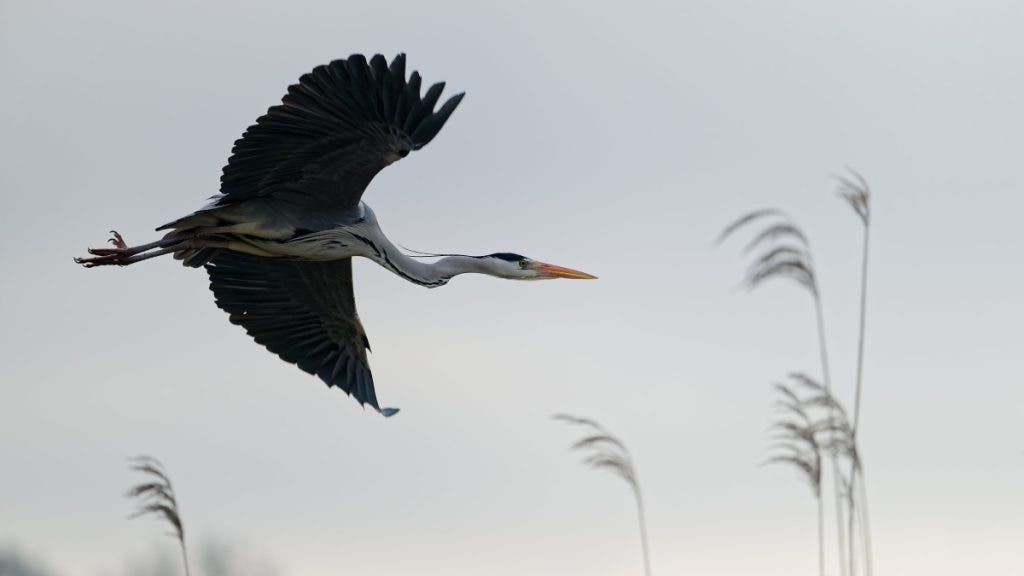
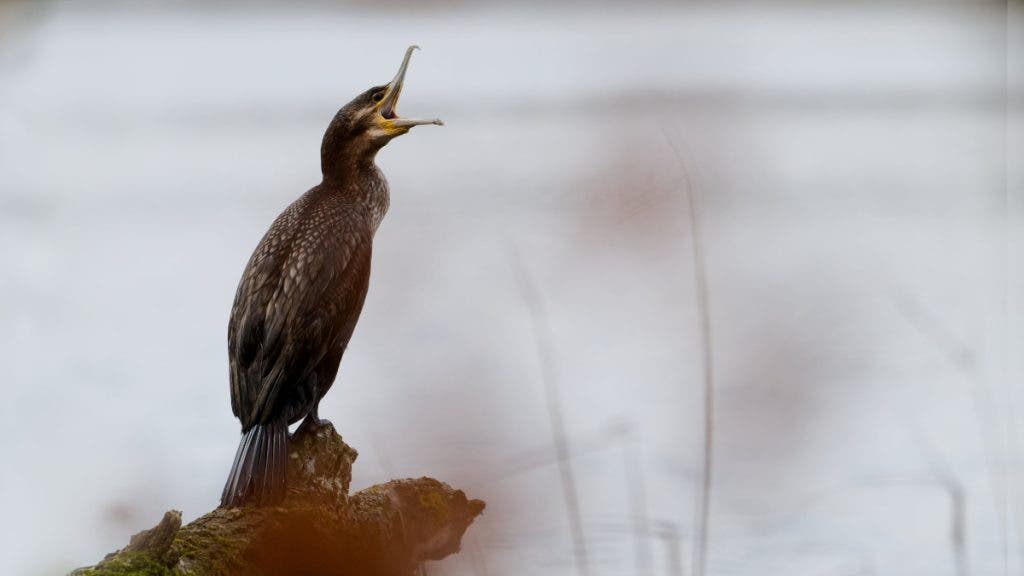
Furthermore, many local parks encompass or neighbor lakes, which, by the law of nature, end up being semi-wild habitats. They become a safe zone for animals, even inviting migratory birds to have a rest or stay for the winter. Thus, you have your wildlife photography challenge at your door, in your local park. And I speak from experience when I say that it’s trickier to get closer to a wild heron compared to getting close to a lion in a safari bus.
Thematic Wildlife Parks
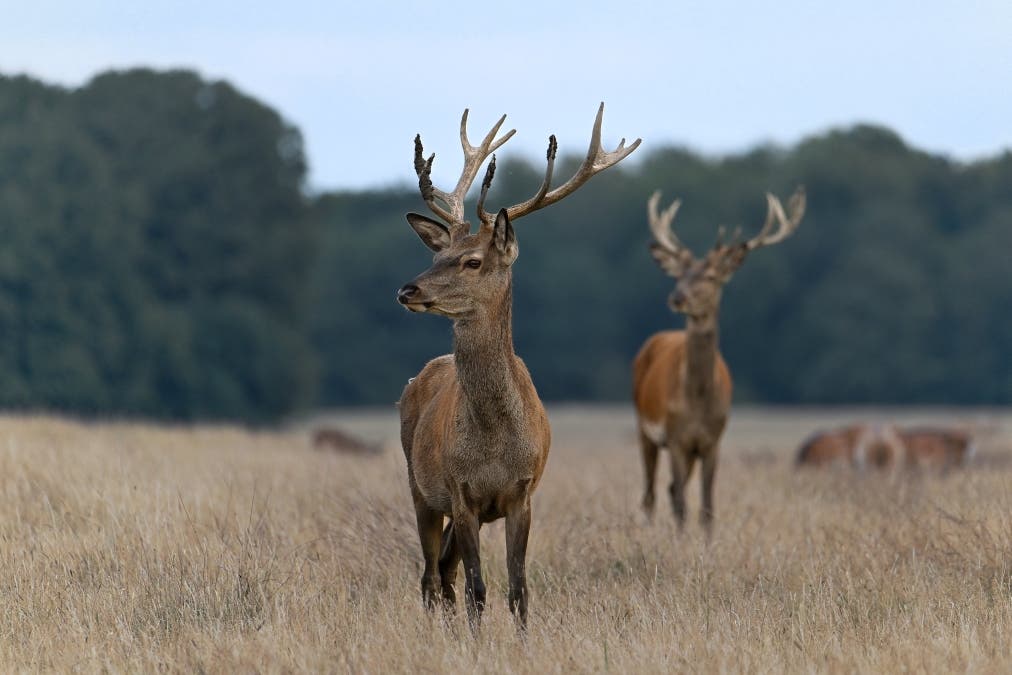
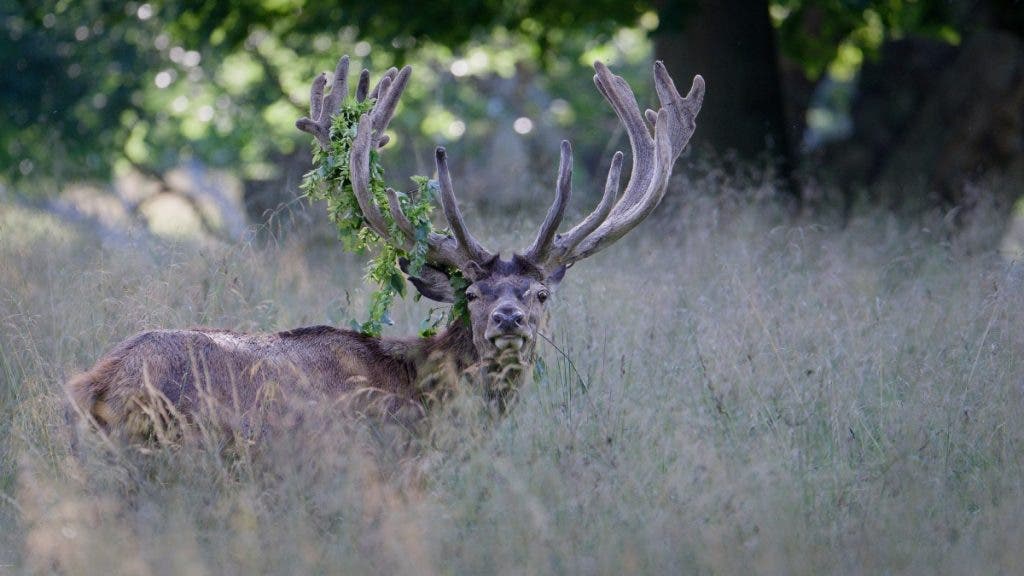
Thematic parks are larger than local parks, have a clear purpose, and a more diverse wildlife. To give you a few examples, Denmark has Jægersborg Dyrehave, a vast woodland not very far from Copenhagen. The deer enjoy a diverse landscape, with forests, lakes, and open spaces, and are free to do whatever they want. Although they are used to people and may be more benevolent than animals in the wilderness, they are still an amazing subject for wildlife photography. And, of course, smaller wild animals inhabit the park as well, without asking anyone for permission.
Bear sanctuaries for rescued brown bears in Eastern Europe constitute another example. You can find them in Bulgaria, Romania, Kosovo, Ukraine, and probably in other countries in the area due to a long and very sad tradition of using bears for entertainment. The sanctuaries offer a safe, natural environment in which these brown bears can live their lives as nature intended. Being raised by humans, they are no longer capable of surviving in the wild. However, they find a very close to wilderness habitat in these thematic parks, and you can photograph them from a safe distance, without disturbing them in any way. Similar sanctuaries for rescued grizzly bears are in the USA and Canada.
In thematic parks, animals are enclosed in a large, fenced area of a couple of square kilometers or more, preserving the wild environment. However, because they are used to people, they are approachable, which means a lot of wildlife photography practice opportunities.
Wildlife Reserves
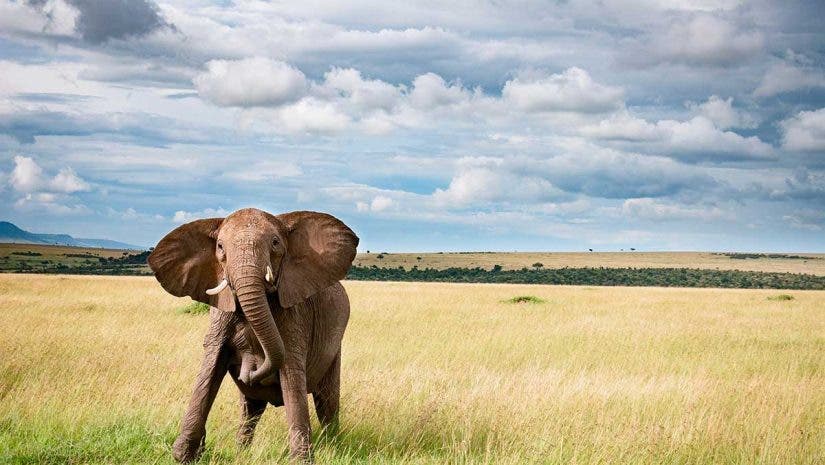
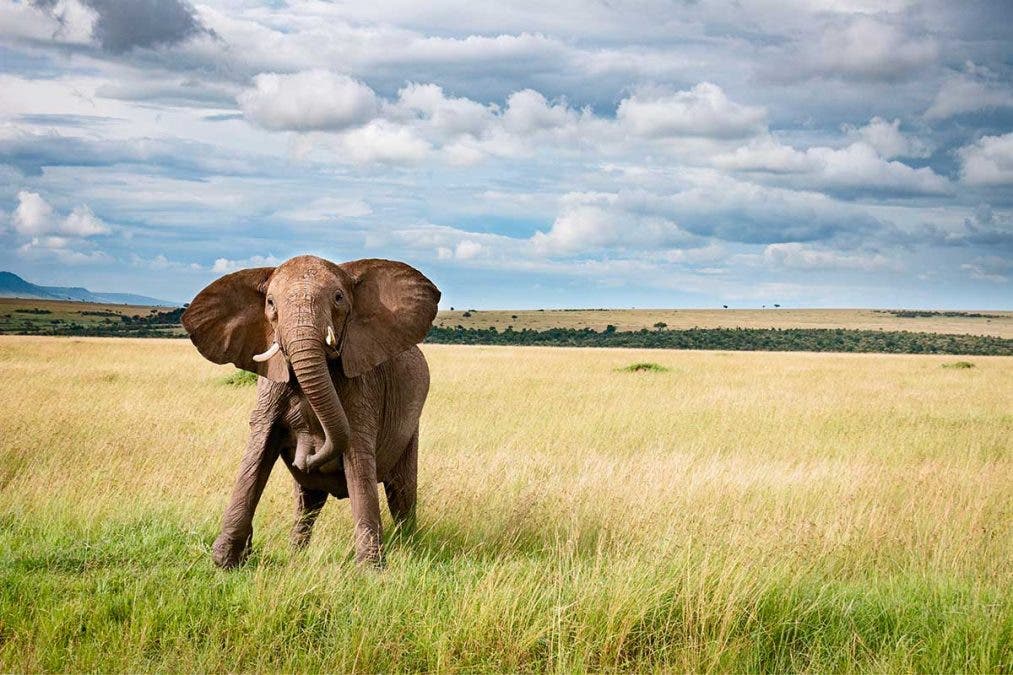
The African continent attracts many wildlife photographers eager to experience a safari and photograph exotic wildlife. However, safari goers often find themselves in a location where they can drive within 10 meters of the animals they hope to get a shot of, and they don’t even get to do the driving. Lions and cheetahs are surrounded by safari jeeps and buses, fiddling to get the photographers into the best position, and therefore don’t consider them a threat anymore. One may argue that this is less wildlife photography than photographing wildlife in your local park. But many impressive shots and award-winning photographs were taken in this manner, so it works, as long as you are honest, mindful, and focused on storytelling.
However, your wildlife reserve experience doesn’t have to be like this. There are wildlife reserves where you can take walking tours. Maybe you won’t get as close to a lion as you’d do in a jeep, but you will have a more authentic experience and a lot of stories to tell. For instance, walking tours are available in the Galapagos archipelago, Mandai Wildlife Reserve (Singapore), Aguti Monteverde (Costa Rica), and many other places worldwide.
National Parks with Open Land and/or Forests
National parks are huge areas where animals live wild and free, although in a controlled environment. The only difference between a national park and the wilderness is the caring factor. In a national park, animals are watched over and taken care of. Although their welfare is a priority, so is their wilderness.
In national parks, wildlife is probably the most sparsely spread of all the types of parks we’ve considered in this article; encounters might be rare; the animals have the advantage. Just finding or encountering wildlife can be difficult. Getting closer is even harder. But this is also where the excitement and adrenaline rush are the greatest. It is here that you get the most raw nature and wildlife experience.
In addition, you don’t have to go on your own if you don’t want to. You can hire a guide or enroll in a walking tour with wildlife as a focus. From Yellowstone to the Abruzzo National Park in the Italian Apennine Mountains to Chitwan National Park in Nepal, the world is full of outstanding places, biodiversity, and unique opportunities for wildlife photography. However, many national parks are completely safe to explore on your own.
Tips for Wildlife Photography in Parks
Respect first
I prefer to photograph wild animals that are not aware of my presence, in open land and without any fences. It takes time and patience, but it’s also rewarding. Not because I win in some way, but because I am at peace with myself that I didn’t interfere or harm them in any way. So, my first tip for impressive wildlife photography in parks or anywhere else would be to respect the animals’ freedom, welfare, and ecosystem. They should be your priority, not taking a good shot.
Quiet!
The next thing I would advise you to do is to choose walking over driving. Get a bike if the trip is too long or you need to carry heavy equipment, but, as a rule, make as little noise as possible. The first reason is the obvious one: noise startles animals, and you won’t see any of them. The second one is being as environmentally friendly as possible and preserving their habitat. That’s a reason so many species are now endangered, and animals are not to fault for this one.
Seek it out
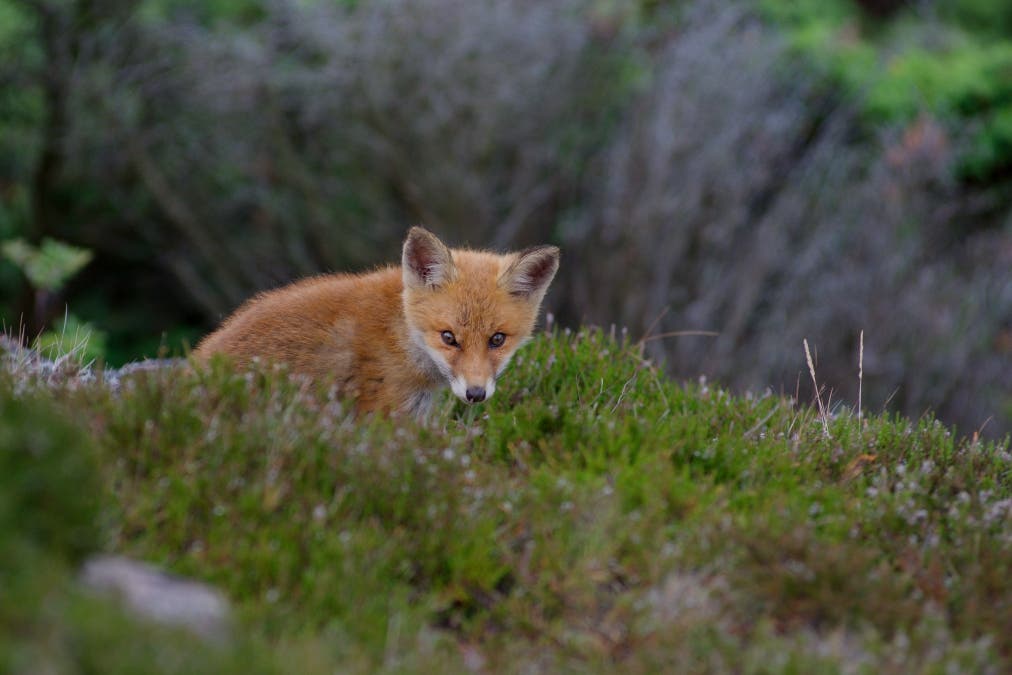
I would also advise you to seek the wilderness, even if it means photographing wild ducks instead of lions. Yes, it may be a bit more challenging to impress your audience with photos of deer, rabbits, foxes, and mountain goats instead of elephants and cheetahs, but all stories need to be told. And if you sacrifice authenticity for an exotic subject, there will be something missing from your shots. I find temporary events, such as bird migration, to be great opportunities for rare encounters. Yes, even when they happen in a nearby park.
Storytelling
All my tips for wildlife photography in parks revolve around one aspect: storytelling. Despite an exotic subject or a remote location, a wildlife photograph will be lifeless and flat if it doesn’t convey an emotion, if it doesn’t speak to your audience at a deeper level. You need not only to catch the viewer’s attention but also to touch their hearts, lure them into compassion, and invite them to connect with the beautiful nature that supports us all, fenced or not.
Final Thoughts
I hope you now know that capturing wildlife photography photos in parks counts as wildlife photography if you do it intentionally, mindfully, and lovingly. Don’t be shy to practice. I believe a wildlife photographer should practice wherever they have plenty of opportunities to capture shots of wildlife, and be proud of the shots they do take, even of those taken in a park. I also believe that to make everything more exciting and get a closer connection with nature, one must go to the totally untamed wilderness, at least once in a while. Trust me, this is where life-lasting experiences happen.