2013-01-21T19:00:00
Rated 3 out of 5
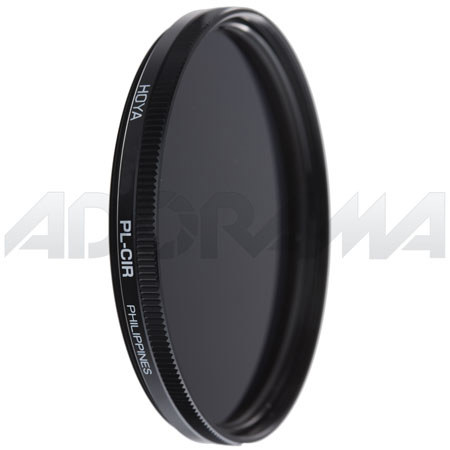
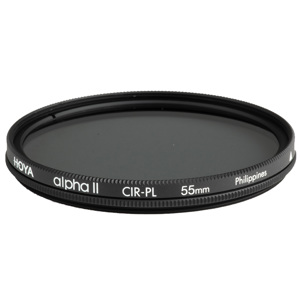
Hoya 55mm circular polarizer glass filte
Being in northern MI we haven't had the sun to try this out. Will be heading to the caribbean soon and I'm sure that it will get a lot of use.
Donkeyman
2012-04-15T21:00:00
Rated 5 out of 5
polarizers, who needs em?
The first thing all amatuers should get for their lens is a polarizer. Not only will it give more color saturation, but it will protect the lens from dust, dirt, and fingerprints. After 40 years of photography, I've never been disappointed by Hoya. They make a superb lens at a decent price.
rnb4me2
2012-04-01T21:00:00
Rated 4 out of 5
polarizer
you gotta love these polarizers. screw them on and with very little adjustment, these babies work great. couldn't be easier. Color saturation seems to be enhanced, and contrast appears better.
rnb4me2
2010-03-05T19:00:00
Rated 5 out of 5
Excellent Product, Excellent Price!
I found this polarizer to be extremely efficient. When two polarizers are crossed, 100% light cancellation is achieved if the polarizers are of the highest quality. I achieved near-100% cancellation by crossing this HOYA with a Sumitomo linear ploarizer. Construction is equally impressive. Rendition of deep blue skies and elimination of glare and reflections is excellent.
Sharpshooter