1 4 Inch Guitar Cables
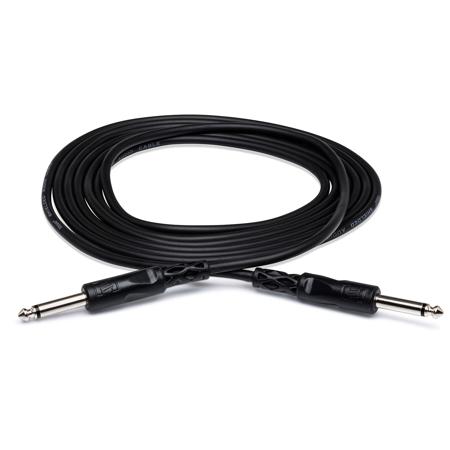
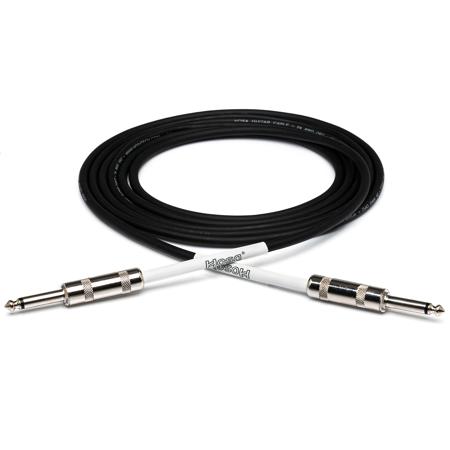
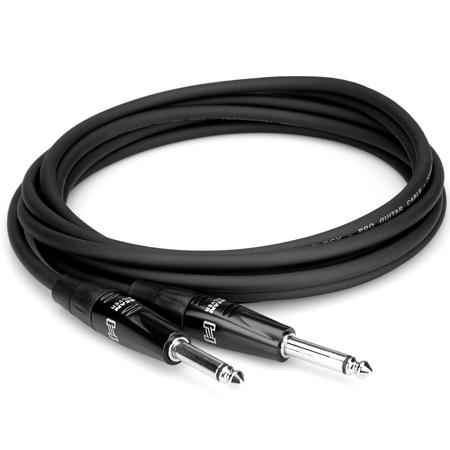
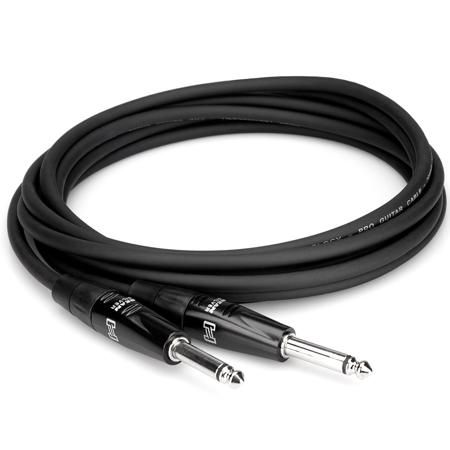
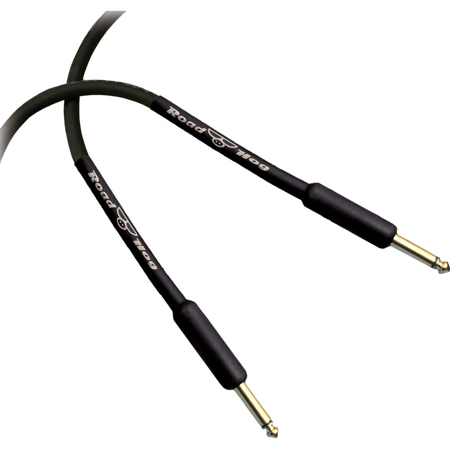
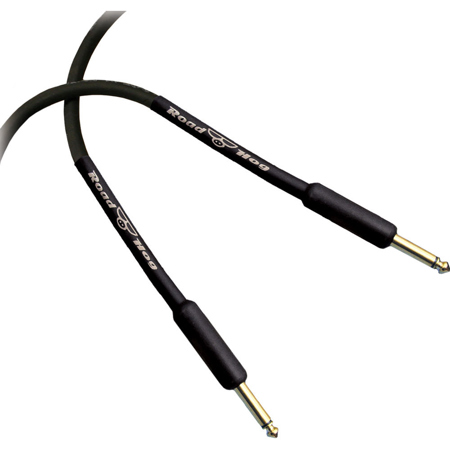
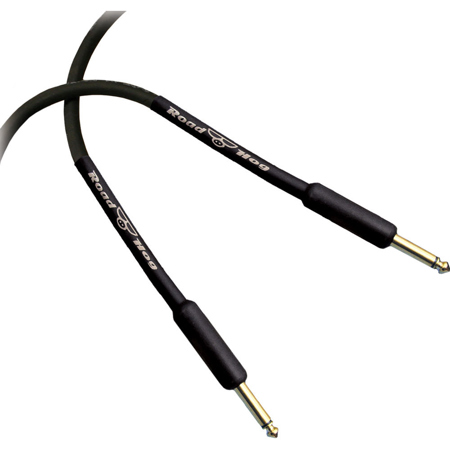
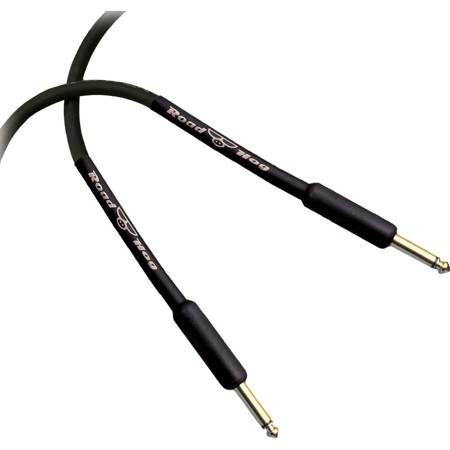
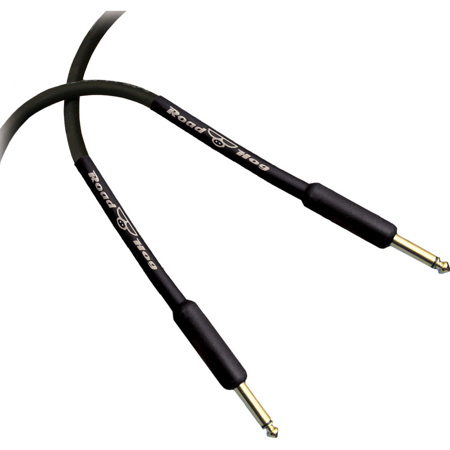
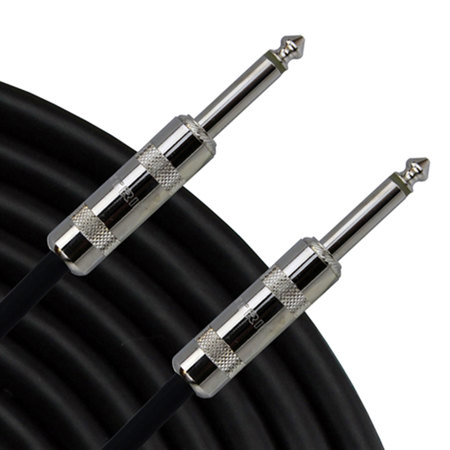
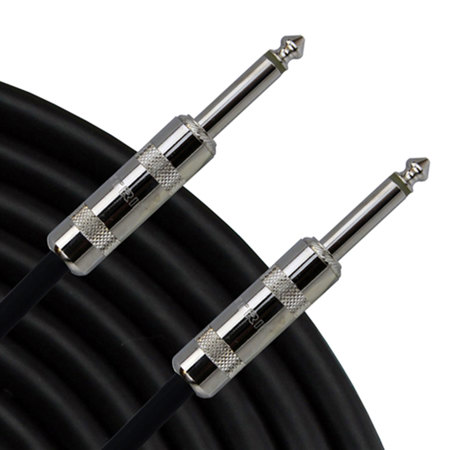
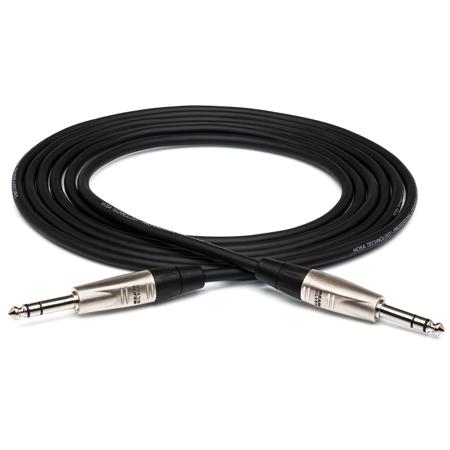
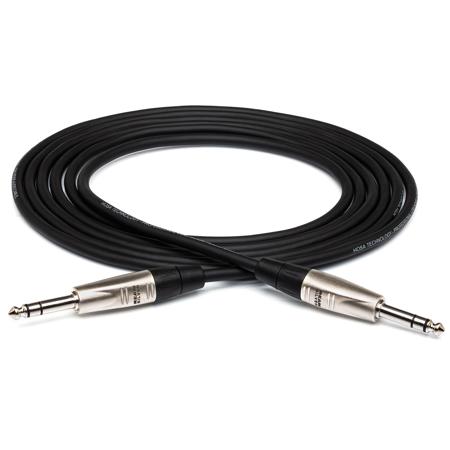
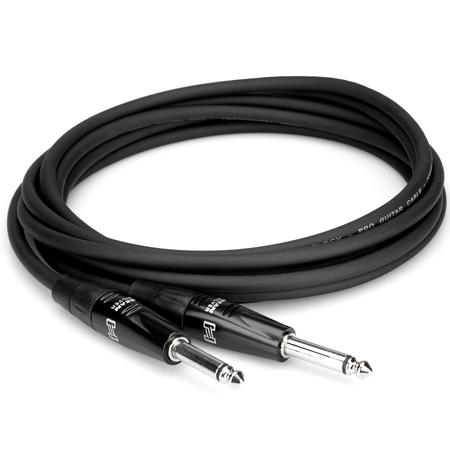
Whether you’re a seasoned professional, an avid hobbyist, or someone just beginning their musical journey, selecting the right 1/4 inch guitar cable is an essential step toward achieving a reliable, noise-free connection between your instrument and your amp, pedalboard, or audio interface. These indispensable cables—sometimes referred to as quarter inch guitar cables, 1 4 guitar cables, or simply guitar cable 1 4 inch—are the backbone of any guitarist’s setup, ensuring that your tone remains clear and consistent whether you’re practicing at home, recording in the studio, or performing on stage. As the weather warms and outdoor gigs or jam sessions become more frequent, the importance of dependable cabling becomes even more pronounced. A well-made 1/4 inch instrument cable not only transmits your sound but also stands up to the rigors of frequent coiling, foot traffic, and the inevitable tugs and pulls that come with live performance or rehearsal environments.
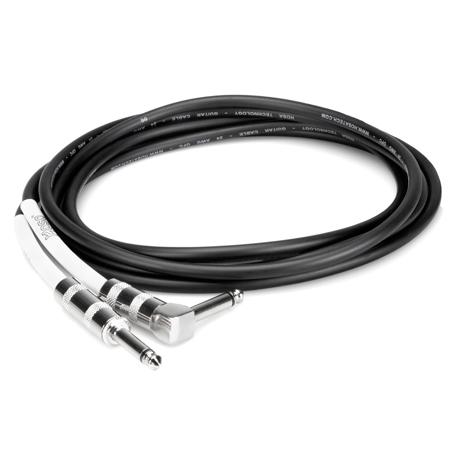
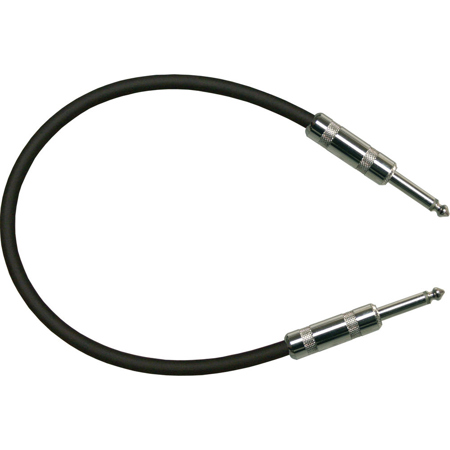
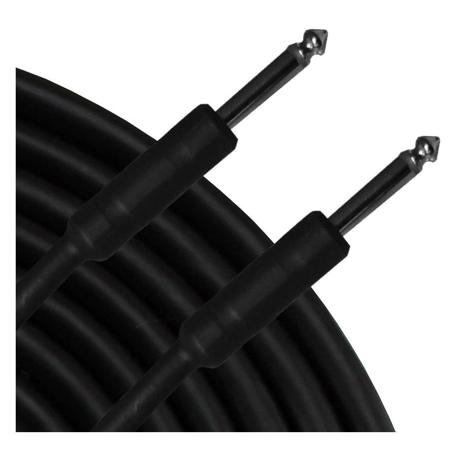
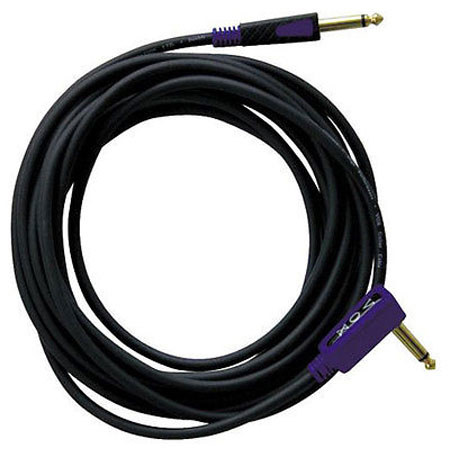
When choosing a guitar cable, there are several key features to keep in mind to match your specific needs and playing style. Cable length is a primary consideration; while it can be tempting to opt for the longest cable available for maximum flexibility, cables longer than 18 to 20 feet can result in high-frequency loss and a muddier sound. For most players, a cable in the range of 10 to 15 feet strikes a good balance between mobility and signal integrity. The choice between straight and right-angle connectors is another important factor. Straight connectors are versatile and work well with most guitars and pedals, while right-angle plugs are especially useful for instruments with front-mounted jacks, helping to prevent the cable from sticking out and reducing the risk of accidental unplugging. Durability should never be overlooked—look for cables with robust outer jackets, such as braided nylon or tweed, which resist kinking, tangling, and fraying. High-quality shielding, like oxygen-free copper cores and dual-layer designs, minimizes unwanted buzz and interference, ensuring your sound remains pure whether you’re laying down tracks in the studio or playing late-night sets in dimly lit venues.
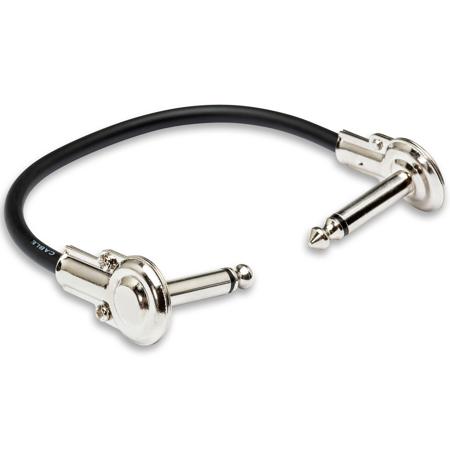
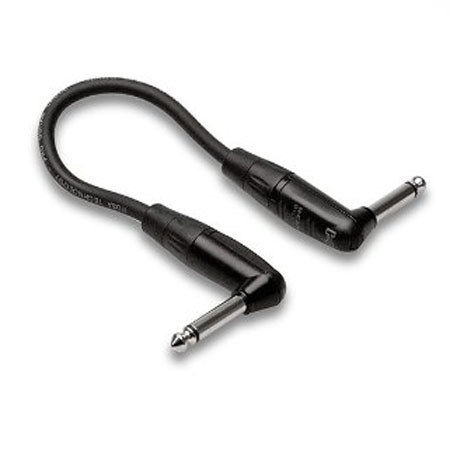
Guitar cables also make thoughtful, practical gifts for musicians of all levels, especially during the transition from summer into the cooler months when creative projects and indoor rehearsals ramp up. There’s a certain satisfaction in unwrapping a new cable—its weight, flexibility, and pristine connectors promising hours of uninterrupted play. For those building or expanding pedalboards, pairing a main 1/4 inch guitar cable with shorter patch cables can help keep setups tidy and signal chains efficient. If you’re looking to further optimize your rig, consider exploring our selection of 1 Foot Guitar Patch Cables for seamless pedal-to-pedal connections. Whether you’re gifting a cable to a budding guitarist or upgrading your own gear in anticipation of a busy gigging season, investing in a reliable, well-constructed guitar cable is a small but significant way to enhance every performance, recording session, or impromptu jam.
When choosing a guitar cable, there are several key features to keep in mind to match your specific needs and playing style. Cable length is a primary consideration; while it can be tempting to opt for the longest cable available for maximum flexibility, cables longer than 18 to 20 feet can result in high-frequency loss and a muddier sound. For most players, a cable in the range of 10 to 15 feet strikes a good balance between mobility and signal integrity. The choice between straight and right-angle connectors is another important factor. Straight connectors are versatile and work well with most guitars and pedals, while right-angle plugs are especially useful for instruments with front-mounted jacks, helping to prevent the cable from sticking out and reducing the risk of accidental unplugging. Durability should never be overlooked—look for cables with robust outer jackets, such as braided nylon or tweed, which resist kinking, tangling, and fraying. High-quality shielding, like oxygen-free copper cores and dual-layer designs, minimizes unwanted buzz and interference, ensuring your sound remains pure whether you’re laying down tracks in the studio or playing late-night sets in dimly lit venues.
Guitar cables also make thoughtful, practical gifts for musicians of all levels, especially during the transition from summer into the cooler months when creative projects and indoor rehearsals ramp up. There’s a certain satisfaction in unwrapping a new cable—its weight, flexibility, and pristine connectors promising hours of uninterrupted play. For those building or expanding pedalboards, pairing a main 1/4 inch guitar cable with shorter patch cables can help keep setups tidy and signal chains efficient. If you’re looking to further optimize your rig, consider exploring our selection of 1 Foot Guitar Patch Cables for seamless pedal-to-pedal connections. Whether you’re gifting a cable to a budding guitarist or upgrading your own gear in anticipation of a busy gigging season, investing in a reliable, well-constructed guitar cable is a small but significant way to enhance every performance, recording session, or impromptu jam.