13 Pin Cables
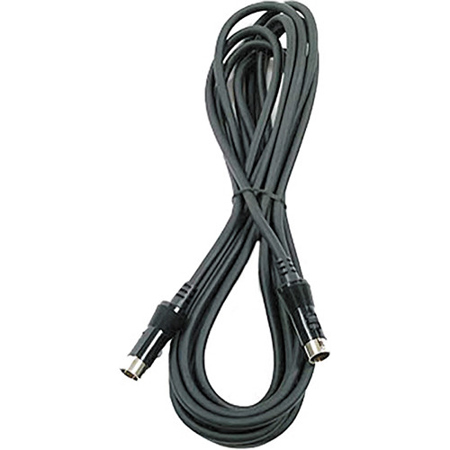
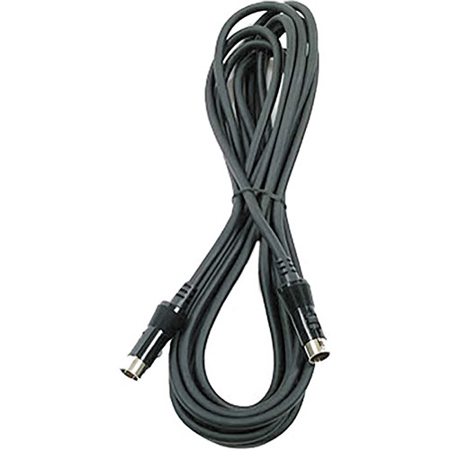
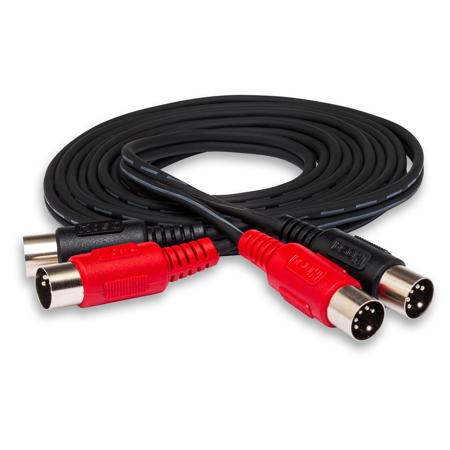
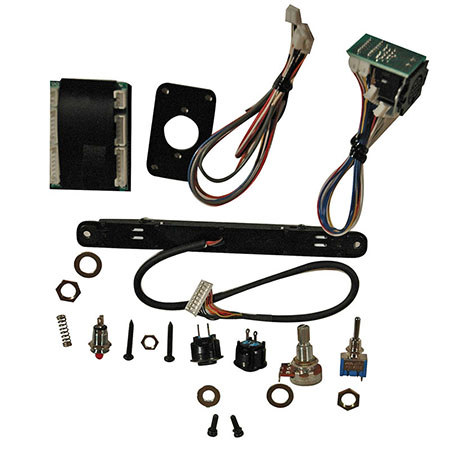
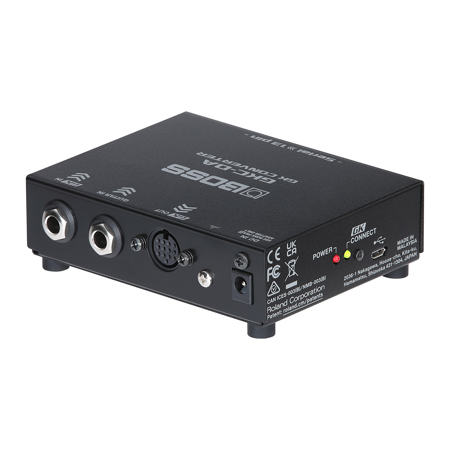
When it comes to specialized connectivity for musical instruments, professional audio setups, automotive electronics, and custom wiring projects, 13 pin cables offer a versatile solution trusted by musicians, engineers, and hobbyists alike. These cables are most commonly recognized in the world of guitar synthesizers and MIDI guitar systems, where their multi-pin design allows for the simultaneous transmission of multiple audio signals, control voltages, and power between compatible devices. For guitarists exploring new sonic landscapes, a 13 pin cable is often the essential link between a hexaphonic pickup-equipped instrument and a synthesizer module or effects processor. The robust construction and precise pin configuration allow for clean signal transfer, minimizing noise and interference—crucial for studio recording and live performance environments where every nuance matters. In addition to their musical applications, 13 pin cables are also found in vehicle electronics, such as car camera systems or advanced signal control modules, where their ability to carry numerous signals through a single cable simplifies installation and enhances reliability. Whether setting up a pedalboard in a cozy rehearsal space or running wiring through a vehicle’s dashboard on a chilly February morning, the flexibility and durability of a quality 13 pin cable make it a dependable choice.
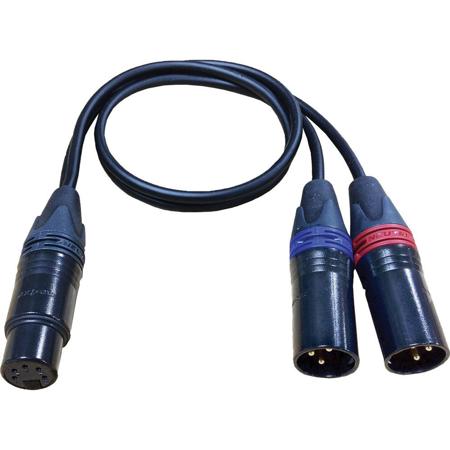
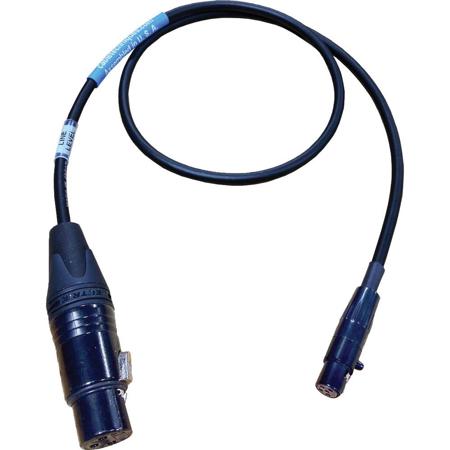
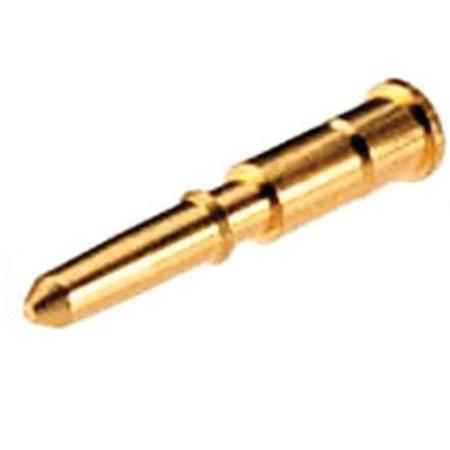
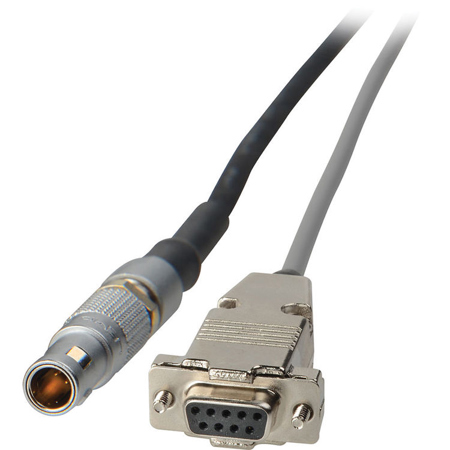
Selecting the right 13 pin cable involves careful consideration of length, connector type, shielding, and compatibility with your equipment. For musicians, the choice often hinges on stage layout or studio configuration—longer cables provide freedom of movement but must maintain signal integrity over distance, while gold-plated pins and locking connectors ensure a secure, corrosion-resistant connection that stands up to frequent setup and teardown. Automotive and custom wiring applications may require male-to-female or male-to-male configurations, with attention paid to cable flexibility and the quality of the outer sheath, especially when threading cables through tight spaces or around sharp corners. It’s not uncommon for those working on custom synthesizer rigs or retrofitting classic cars with modern electronics to keep a variety of 13 pin cables on hand, each tailored to a specific task. As winter lingers and indoor projects take precedence, many enthusiasts use this time to upgrade their gear, refine signal paths, and experiment with new setups—making 13 pin cables a thoughtful gift for the tech-savvy musician or the DIY electronics aficionado in your life. Their niche appeal and specialized function mean they’re often appreciated by those who know exactly what they need, yet their versatility ensures they’re a welcome addition to any well-equipped toolkit.
For those exploring related connectivity options, it’s helpful to consider how different cable types can complement a broader range of equipment. While 13 pin cables are indispensable for certain instruments and control systems, other setups might require simpler solutions, such as 3 Pin Cables, which are commonly used for microphones, DMX lighting, and basic audio connections. Understanding the specific requirements of your gear—whether it’s the complexity of a multi-pin synth interface or the straightforward reliability of a balanced audio connection—ensures you have the right cable for every scenario. As technology continues to evolve, investing in high-quality cables not only protects your equipment but also preserves the clarity and fidelity of your signals, allowing you to focus on creativity and performance without technical distractions. Whether you’re wiring up a pedalboard for a spring tour, installing a new dashcam before a road trip, or simply organizing your studio for the season ahead, the right 13 pin cable can make all the difference in achieving seamless, professional results.
Selecting the right 13 pin cable involves careful consideration of length, connector type, shielding, and compatibility with your equipment. For musicians, the choice often hinges on stage layout or studio configuration—longer cables provide freedom of movement but must maintain signal integrity over distance, while gold-plated pins and locking connectors ensure a secure, corrosion-resistant connection that stands up to frequent setup and teardown. Automotive and custom wiring applications may require male-to-female or male-to-male configurations, with attention paid to cable flexibility and the quality of the outer sheath, especially when threading cables through tight spaces or around sharp corners. It’s not uncommon for those working on custom synthesizer rigs or retrofitting classic cars with modern electronics to keep a variety of 13 pin cables on hand, each tailored to a specific task. As winter lingers and indoor projects take precedence, many enthusiasts use this time to upgrade their gear, refine signal paths, and experiment with new setups—making 13 pin cables a thoughtful gift for the tech-savvy musician or the DIY electronics aficionado in your life. Their niche appeal and specialized function mean they’re often appreciated by those who know exactly what they need, yet their versatility ensures they’re a welcome addition to any well-equipped toolkit.
For those exploring related connectivity options, it’s helpful to consider how different cable types can complement a broader range of equipment. While 13 pin cables are indispensable for certain instruments and control systems, other setups might require simpler solutions, such as 3 Pin Cables, which are commonly used for microphones, DMX lighting, and basic audio connections. Understanding the specific requirements of your gear—whether it’s the complexity of a multi-pin synth interface or the straightforward reliability of a balanced audio connection—ensures you have the right cable for every scenario. As technology continues to evolve, investing in high-quality cables not only protects your equipment but also preserves the clarity and fidelity of your signals, allowing you to focus on creativity and performance without technical distractions. Whether you’re wiring up a pedalboard for a spring tour, installing a new dashcam before a road trip, or simply organizing your studio for the season ahead, the right 13 pin cable can make all the difference in achieving seamless, professional results.