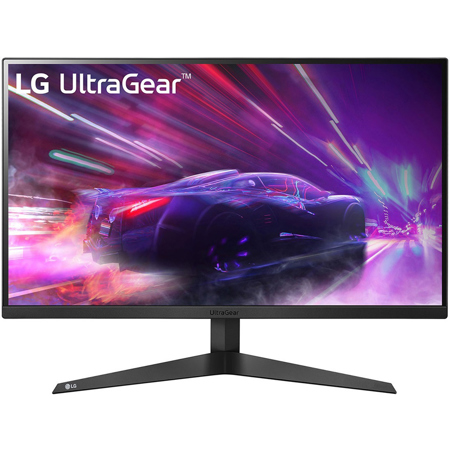
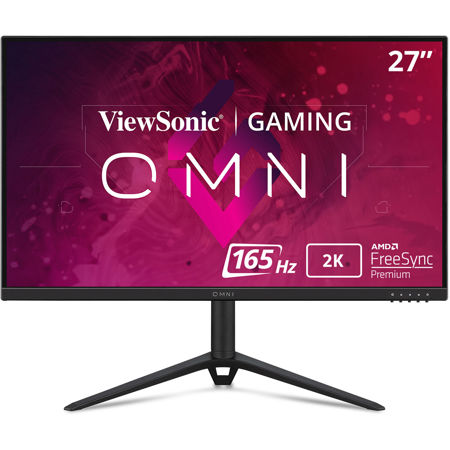
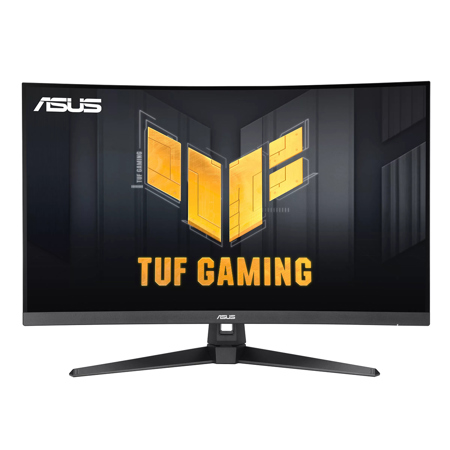
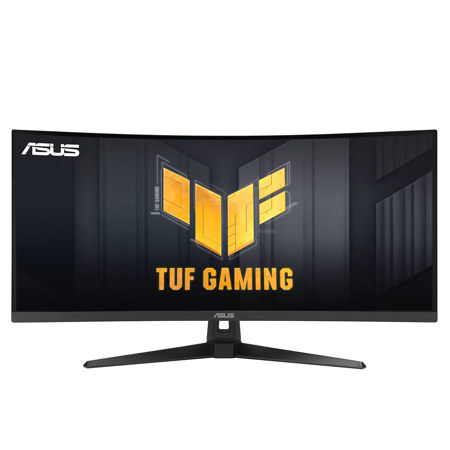

180 Hz Monitors
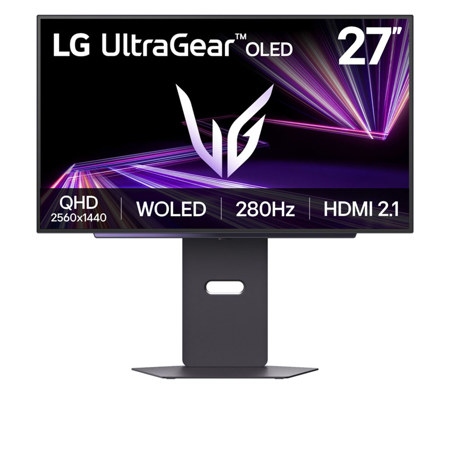
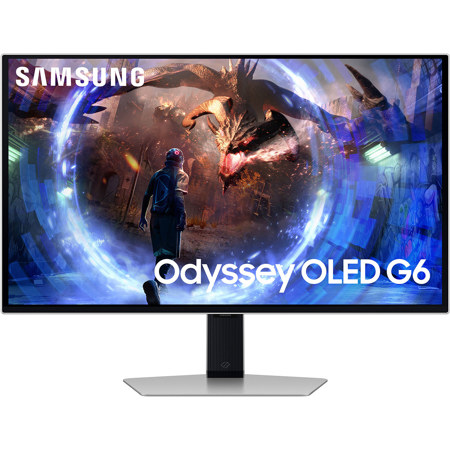
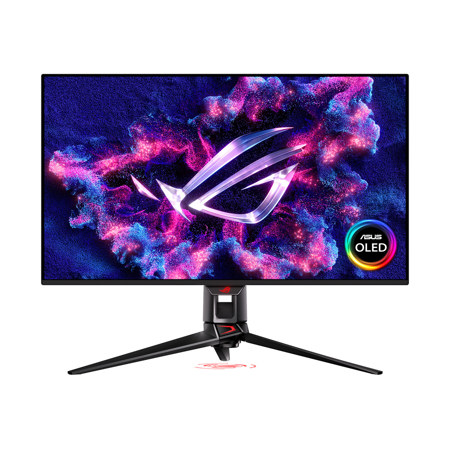
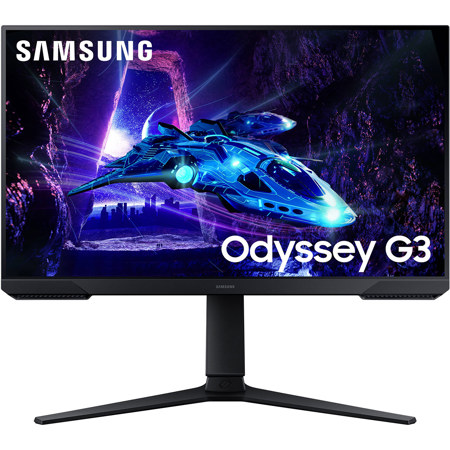
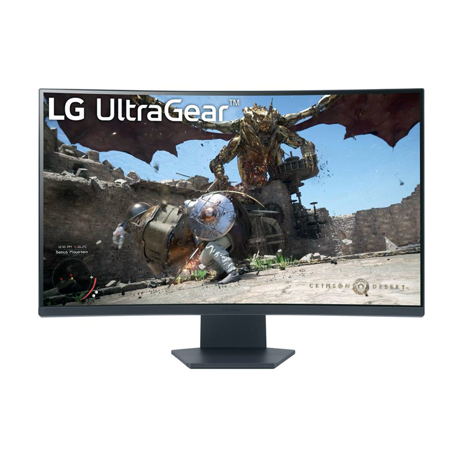
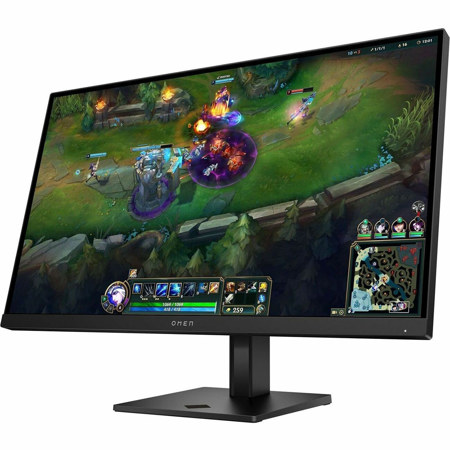
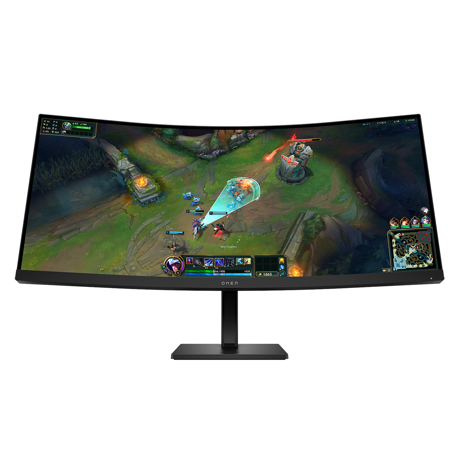
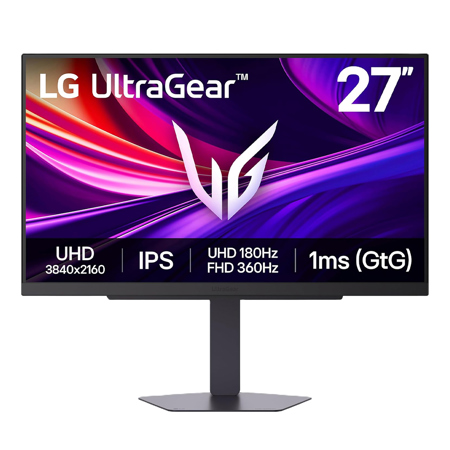
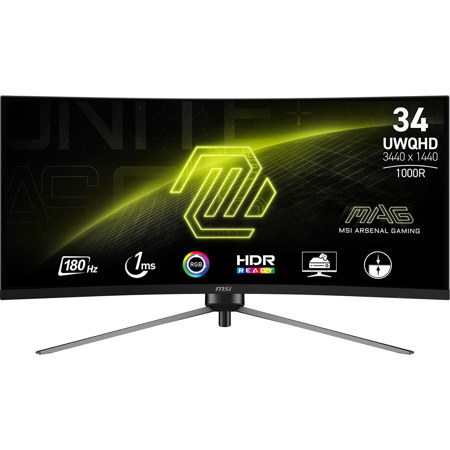
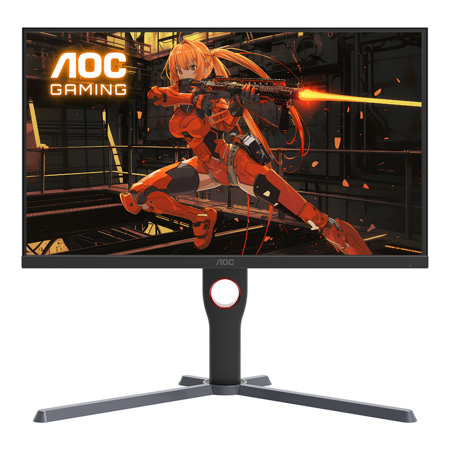
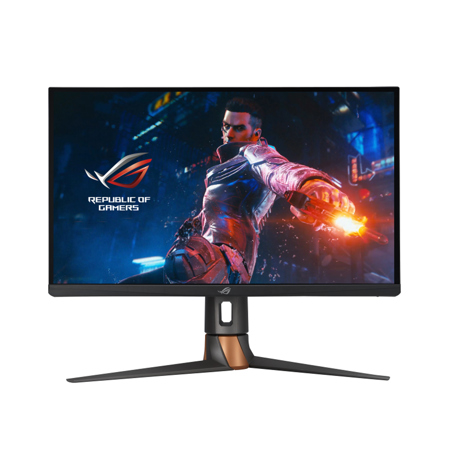
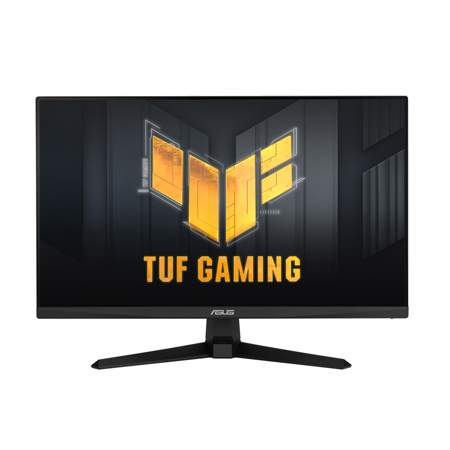
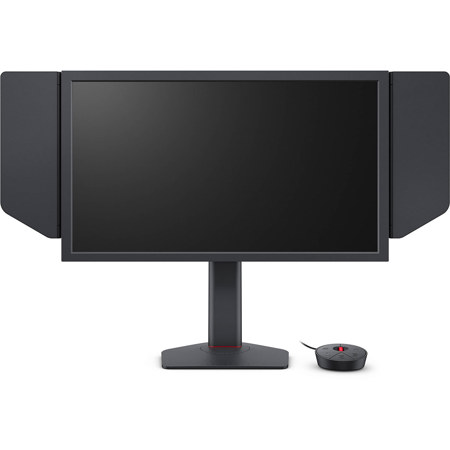
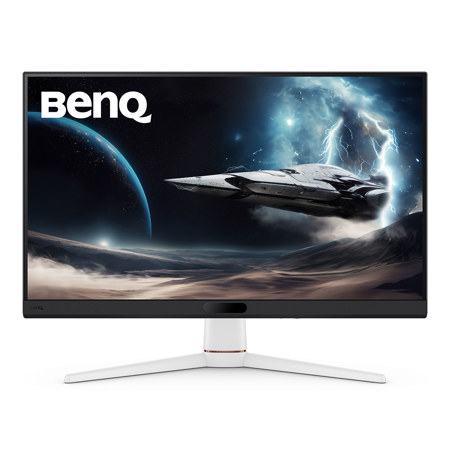
As the days stretch longer and the pace of life picks up, many enthusiasts and professionals alike find themselves seeking ways to enhance their digital experiences—whether for competitive gaming, immersive entertainment, or productive multitasking. 180hz monitors have steadily gained traction among those who crave a smoother, more responsive visual environment. The 180hz refresh rate sits in a sweet spot, delivering a significant leap in fluidity and clarity compared to standard 60hz or even 144hz displays, making them a compelling choice for anyone who values seamless motion and reduced input lag. For gamers, especially those who participate in fast-paced genres like first-person shooters, racing, or esports titles, the difference is immediately noticeable: tracking opponents, reacting to sudden changes, and maintaining focus during high-stakes moments all become more intuitive with a 180hz gaming monitor. The combination of higher refresh rates and often lower response times means every frame is rendered with precision, helping players push their skills to new heights. But the appeal of 180hz monitors extends beyond the gaming community. Creative professionals—such as photographers, video editors, and graphic designers—also benefit from the enhanced visual fidelity, as smoother scrolling and more accurate motion representation can streamline workflows and reduce eye fatigue during extended editing sessions.
When considering a 180hz monitor, it’s important to weigh several key factors to ensure the best fit for your needs. Screen size and resolution play a crucial role in both comfort and productivity; a larger display with higher resolution can make multitasking easier and provide more space for detailed work, while a more compact size might suit smaller desks or portable setups. Panel type is another consideration—IPS panels are favored for their color accuracy and wide viewing angles, whereas VA and TN panels may offer faster response times or deeper contrast, depending on your priorities. Connectivity options, such as HDMI 2.1, DisplayPort, and USB hubs, can influence compatibility with gaming consoles, PCs, and other peripherals. Ergonomic features like adjustable stands, blue light filters, and flicker-free technology can make long sessions more comfortable, especially during the warmer months when natural light and longer days encourage extended use. For those who are upgrading from older displays or gifting a monitor to a student heading off to college, a 180hz monitor strikes a balance between future-proof performance and everyday practicality. Whether it’s for a young gamer, a creative professional, or someone looking to elevate their home office, these monitors make thoughtful gifts that can be enjoyed year-round.
As technology continues to evolve, questions like "are 180hz monitors good for gaming?" become increasingly common among shoppers seeking the best value and experience. The answer lies in the transformative effect that high refresh rates have on both gameplay and general computer use. The difference is especially pronounced during the early summer through early fall, when many people find themselves with more leisure time or are preparing for back-to-school and new work projects. For those who demand even more from their displays, exploring options like 280hz Monitors can offer a glimpse into the next tier of ultra-smooth performance. Whether you’re upgrading your own setup or searching for the perfect gift, investing in a 180hz monitor opens the door to a visually stunning, responsive, and comfortable digital experience that adapts seamlessly to work, play, and everything in between.
When considering a 180hz monitor, it’s important to weigh several key factors to ensure the best fit for your needs. Screen size and resolution play a crucial role in both comfort and productivity; a larger display with higher resolution can make multitasking easier and provide more space for detailed work, while a more compact size might suit smaller desks or portable setups. Panel type is another consideration—IPS panels are favored for their color accuracy and wide viewing angles, whereas VA and TN panels may offer faster response times or deeper contrast, depending on your priorities. Connectivity options, such as HDMI 2.1, DisplayPort, and USB hubs, can influence compatibility with gaming consoles, PCs, and other peripherals. Ergonomic features like adjustable stands, blue light filters, and flicker-free technology can make long sessions more comfortable, especially during the warmer months when natural light and longer days encourage extended use. For those who are upgrading from older displays or gifting a monitor to a student heading off to college, a 180hz monitor strikes a balance between future-proof performance and everyday practicality. Whether it’s for a young gamer, a creative professional, or someone looking to elevate their home office, these monitors make thoughtful gifts that can be enjoyed year-round.
As technology continues to evolve, questions like "are 180hz monitors good for gaming?" become increasingly common among shoppers seeking the best value and experience. The answer lies in the transformative effect that high refresh rates have on both gameplay and general computer use. The difference is especially pronounced during the early summer through early fall, when many people find themselves with more leisure time or are preparing for back-to-school and new work projects. For those who demand even more from their displays, exploring options like 280hz Monitors can offer a glimpse into the next tier of ultra-smooth performance. Whether you’re upgrading your own setup or searching for the perfect gift, investing in a 180hz monitor opens the door to a visually stunning, responsive, and comfortable digital experience that adapts seamlessly to work, play, and everything in between.