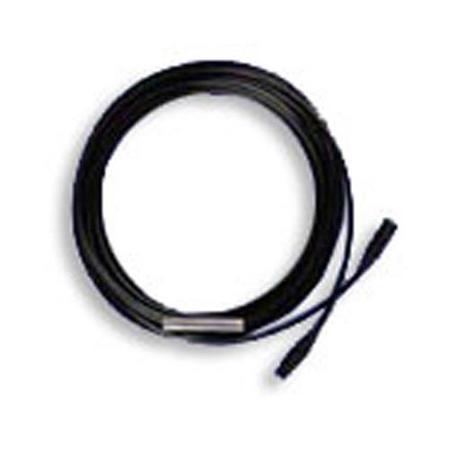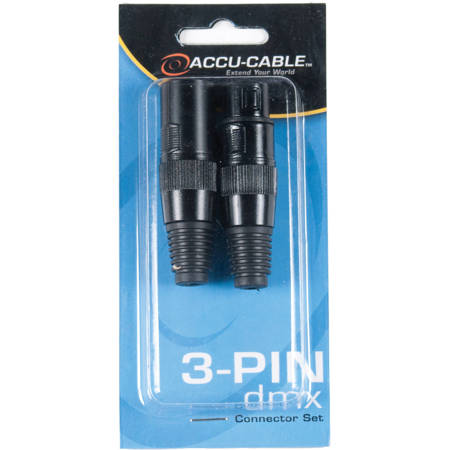
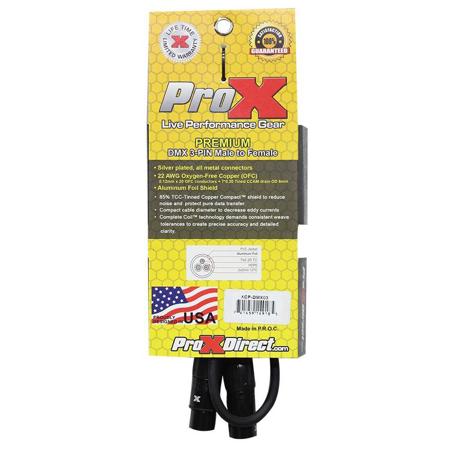
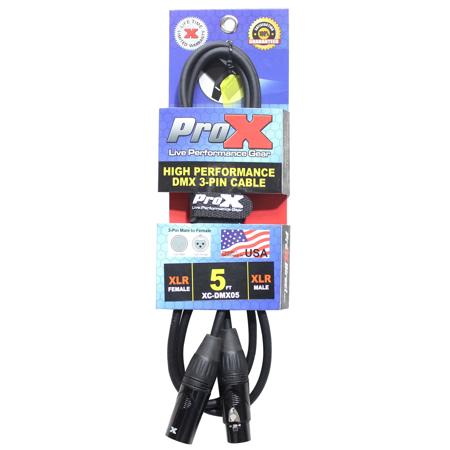
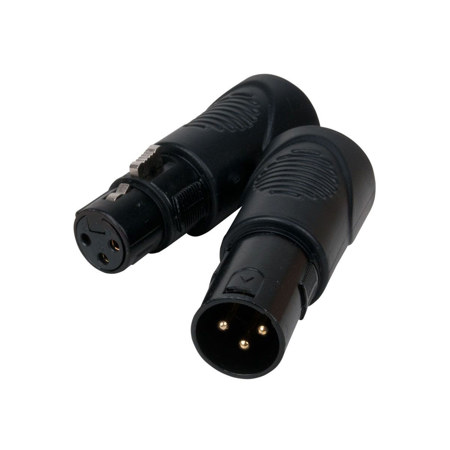
3 Pin DMX Connector
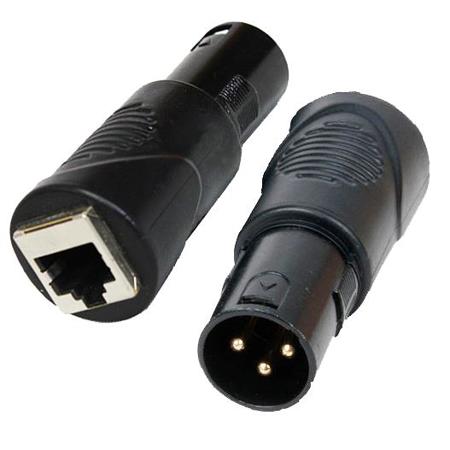
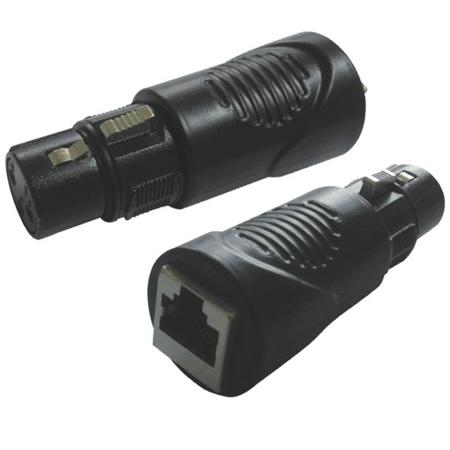
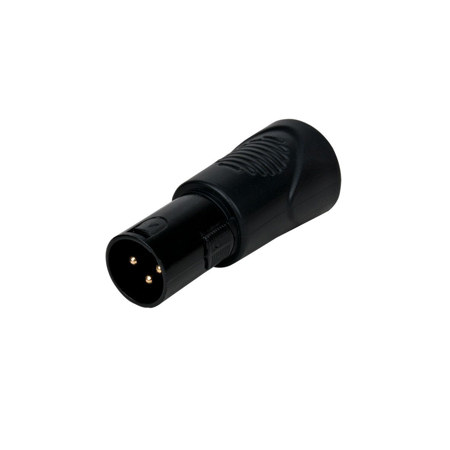
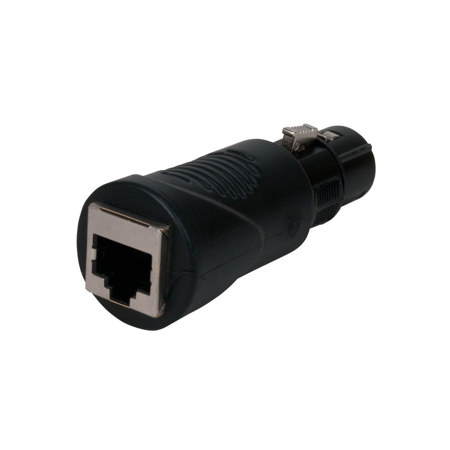
For lighting professionals, event producers, DJs, and AV technicians, 3 Pin DMX connectors are a fundamental component of any digital lighting control setup. These connectors, which utilize the familiar 3-pin XLR housing, are specifically wired for DMX512 data transmission—delivering reliable communication between controllers and fixtures in a variety of settings. Whether you’re orchestrating a vibrant summer festival, a cozy autumn wedding, or an energetic club night, the versatility and compact form factor of 3 Pin DMX connectors make them a staple for both small and large-scale productions. Their prevalence in entry-level and portable gear is especially advantageous for mobile DJs, school theaters, and community event organizers who need robust yet cost-effective solutions for dynamic lighting effects. If you’re assembling your own lighting rig or upgrading existing equipment, taking the time to select high-quality connectors and cables ensures smooth, flicker-free operation, even as the temperature and humidity shift from the warmth of summer into the crispness of fall.
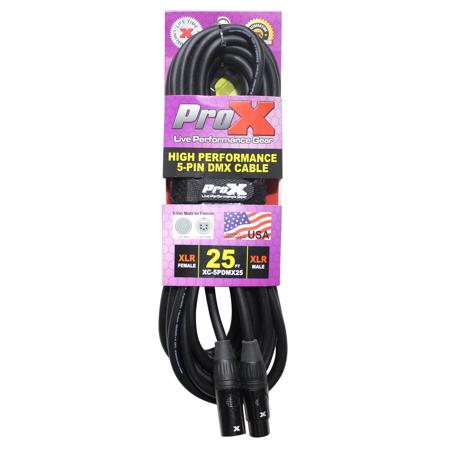
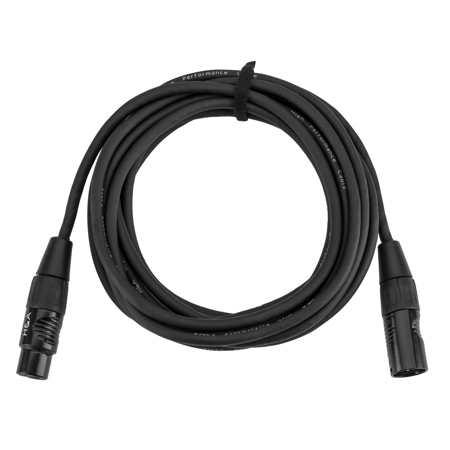
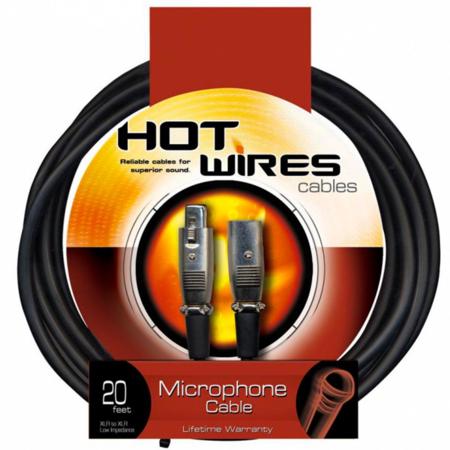
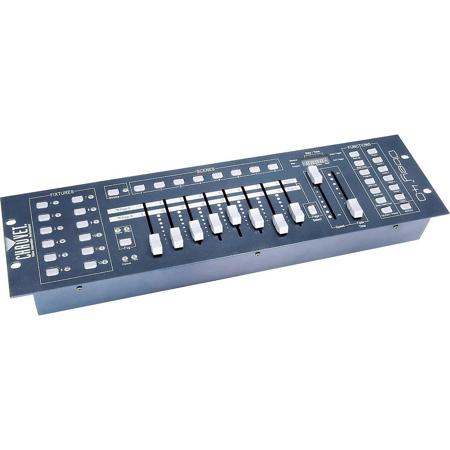
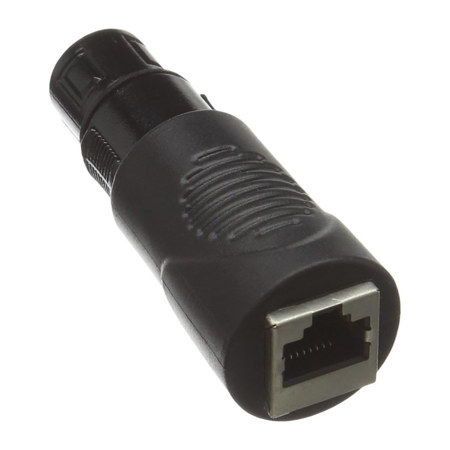
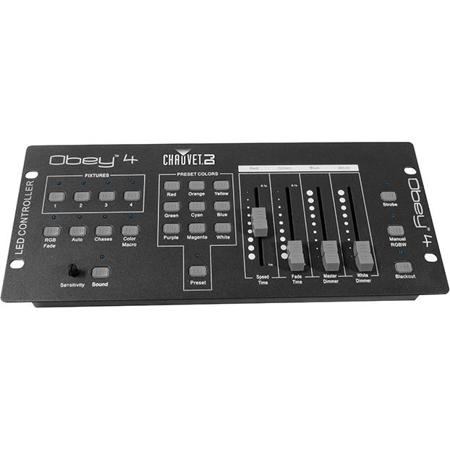
When shopping for 3 Pin DMX connectors, it’s important to consider compatibility, durability, and signal integrity. While the official DMX512 standard calls for a 5-pin configuration, the 3-pin variant remains a popular choice due to space-saving benefits and widespread support in affordable controllers and fixtures. This is particularly true if you’re working with a cheap dmx controller or entry-level lighting gear, where 3-pin connectors are often the default. For those who prefer hands-on customization, soldering your own connectors using 120-ohm, two-conductor shielded data cable—such as AES/EBU bulk cable—can help maintain signal quality and reduce the risk of data errors or flickering lights. Proper cable selection is crucial; using standard microphone wire may seem convenient, but it can compromise performance, especially in longer runs or electrically noisy environments. Adding a dedicated DMX terminator—a simple male connector with a 120-ohm resistor between pins 2 and 3—at the end of your daisy chain is another best practice to prevent signal reflection and maintain system stability. For those integrating both 3-pin and 5-pin equipment, pin-to-pin adapters are readily available, allowing seamless connectivity across different gear. If you’re unsure about which cables to pair with your DMX connectors or want to explore a wide range of compatible options, you can find a comprehensive selection of 3 Pin XLR Cables to suit any application.
3 Pin DMX connectors also make thoughtful gifts for aspiring lighting designers, students in technical theater programs, or anyone building their first home studio or live performance setup. They are essential tools not only for professionals but also for hobbyists who enjoy experimenting with synchronized lighting during backyard gatherings, Halloween displays, or community theater productions as the days grow shorter and events move indoors. Reliable DMX connections empower users to unleash their creativity, from programming subtle mood lighting to executing complex, music-synced light shows. Investing in quality connectors and cables is a practical way to future-proof your setup, ensuring that your lighting system remains adaptable to evolving needs and new gear. Whether you’re a seasoned pro or just starting to explore the world of digital lighting control, understanding the role and proper use of 3 Pin DMX connectors is key to achieving seamless, professional-grade results in any environment.
When shopping for 3 Pin DMX connectors, it’s important to consider compatibility, durability, and signal integrity. While the official DMX512 standard calls for a 5-pin configuration, the 3-pin variant remains a popular choice due to space-saving benefits and widespread support in affordable controllers and fixtures. This is particularly true if you’re working with a cheap dmx controller or entry-level lighting gear, where 3-pin connectors are often the default. For those who prefer hands-on customization, soldering your own connectors using 120-ohm, two-conductor shielded data cable—such as AES/EBU bulk cable—can help maintain signal quality and reduce the risk of data errors or flickering lights. Proper cable selection is crucial; using standard microphone wire may seem convenient, but it can compromise performance, especially in longer runs or electrically noisy environments. Adding a dedicated DMX terminator—a simple male connector with a 120-ohm resistor between pins 2 and 3—at the end of your daisy chain is another best practice to prevent signal reflection and maintain system stability. For those integrating both 3-pin and 5-pin equipment, pin-to-pin adapters are readily available, allowing seamless connectivity across different gear. If you’re unsure about which cables to pair with your DMX connectors or want to explore a wide range of compatible options, you can find a comprehensive selection of 3 Pin XLR Cables to suit any application.
3 Pin DMX connectors also make thoughtful gifts for aspiring lighting designers, students in technical theater programs, or anyone building their first home studio or live performance setup. They are essential tools not only for professionals but also for hobbyists who enjoy experimenting with synchronized lighting during backyard gatherings, Halloween displays, or community theater productions as the days grow shorter and events move indoors. Reliable DMX connections empower users to unleash their creativity, from programming subtle mood lighting to executing complex, music-synced light shows. Investing in quality connectors and cables is a practical way to future-proof your setup, ensuring that your lighting system remains adaptable to evolving needs and new gear. Whether you’re a seasoned pro or just starting to explore the world of digital lighting control, understanding the role and proper use of 3 Pin DMX connectors is key to achieving seamless, professional-grade results in any environment.