
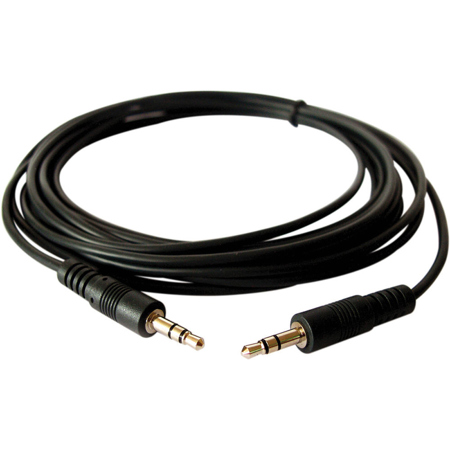
3.5mm Audio Cables For Wildlife Photography
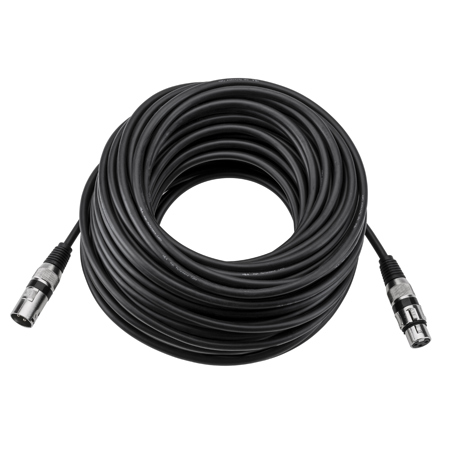
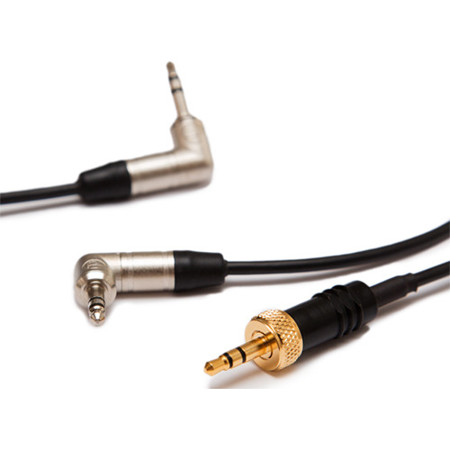
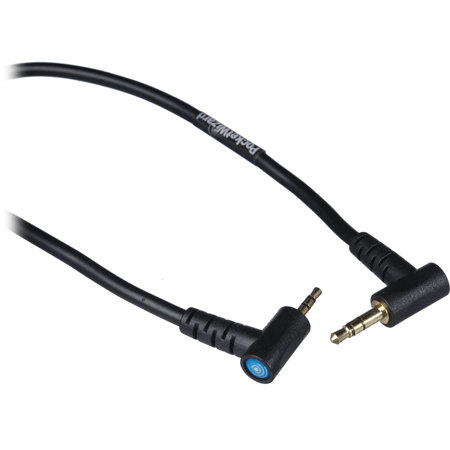
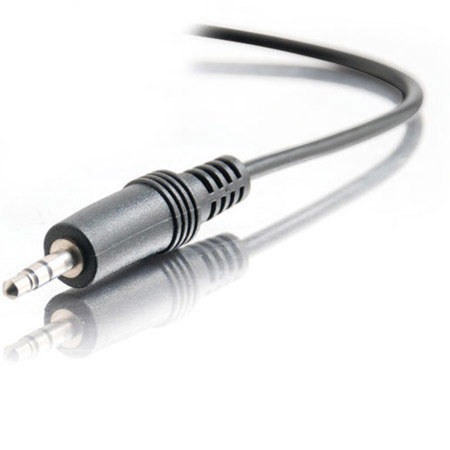
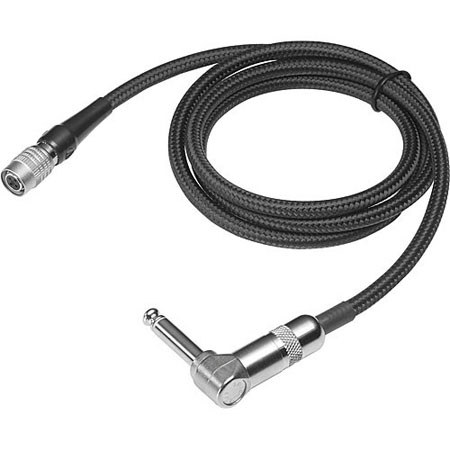
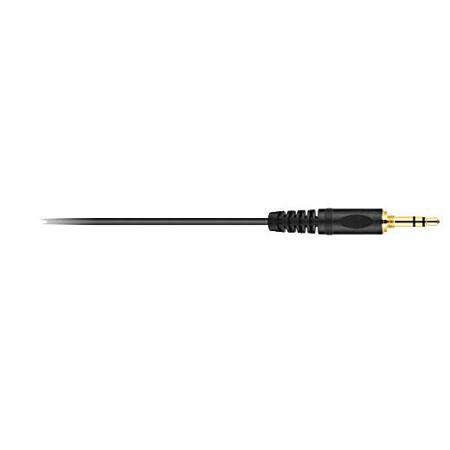
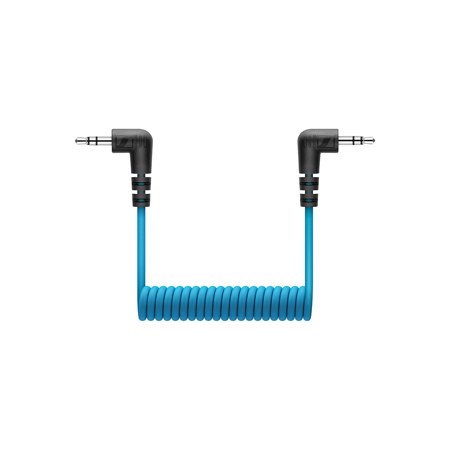
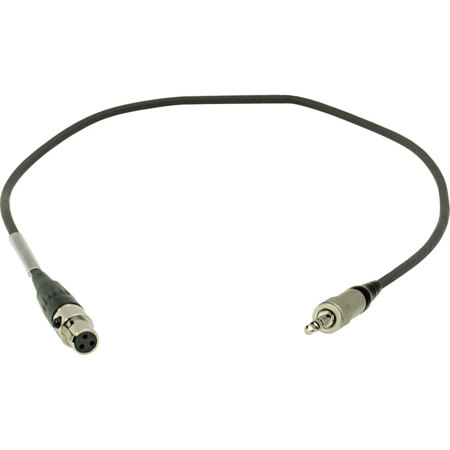
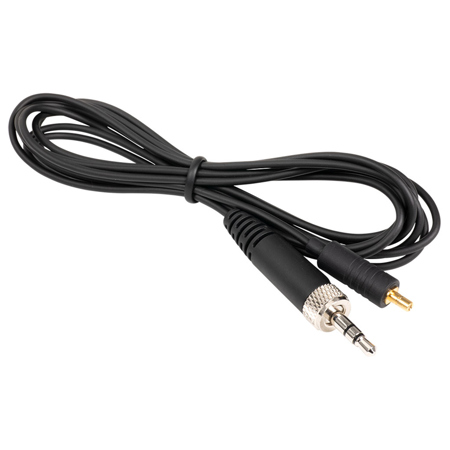
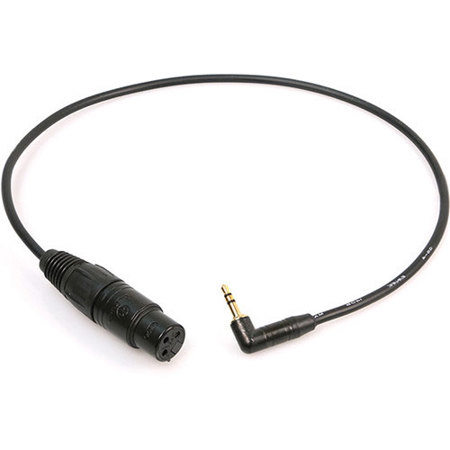
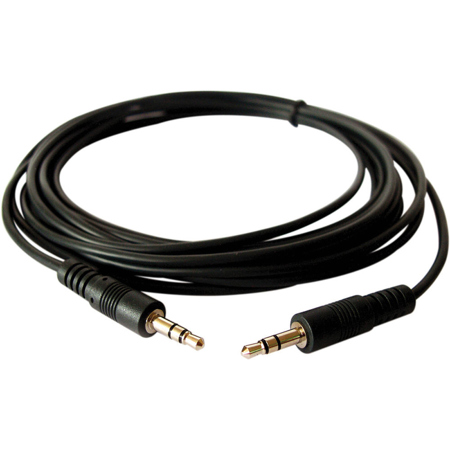
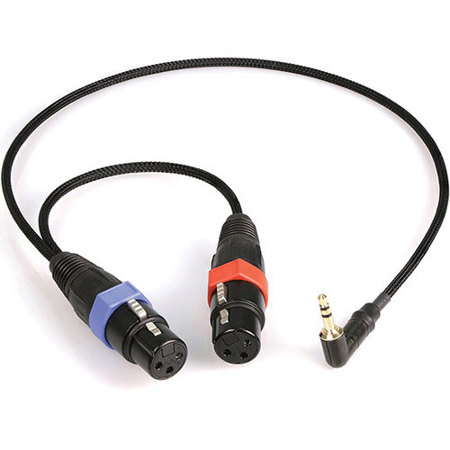
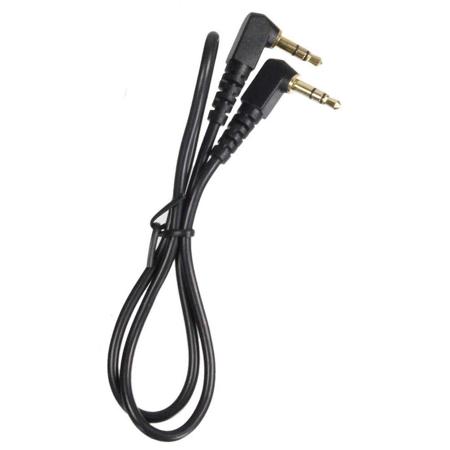
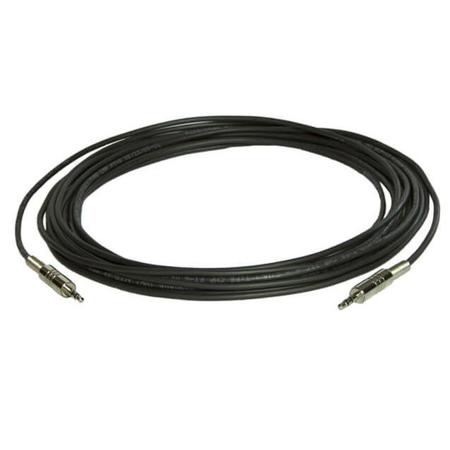
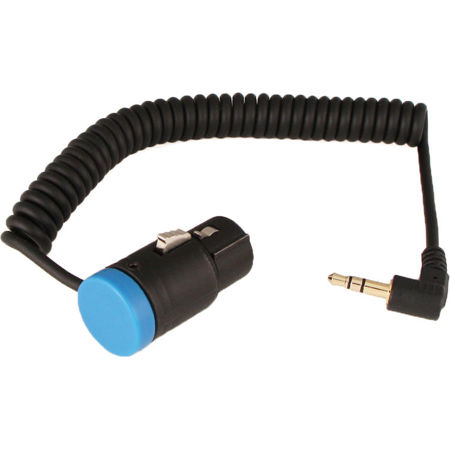
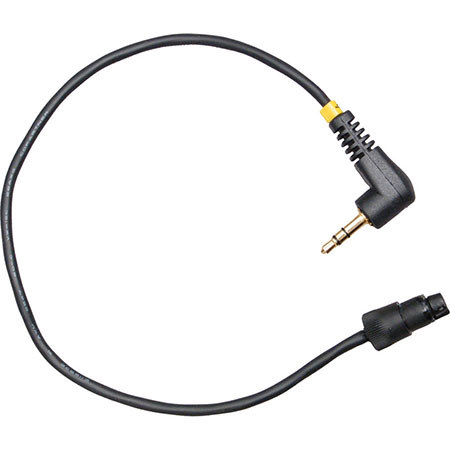
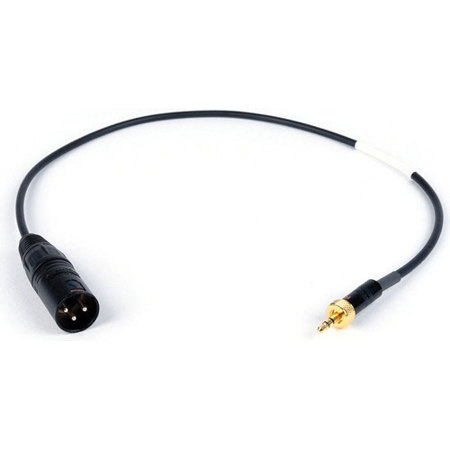
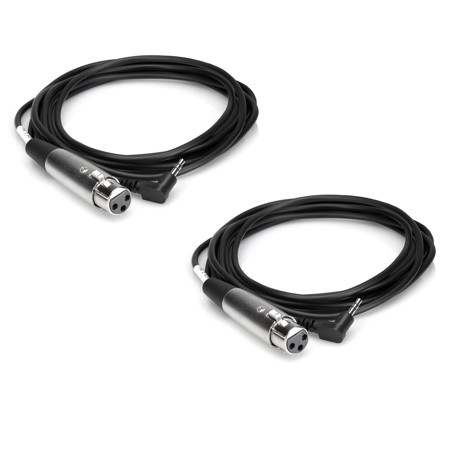
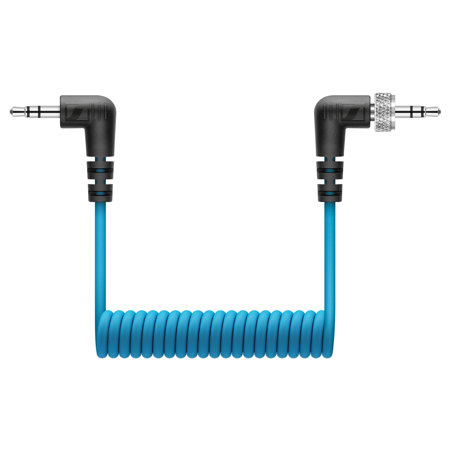
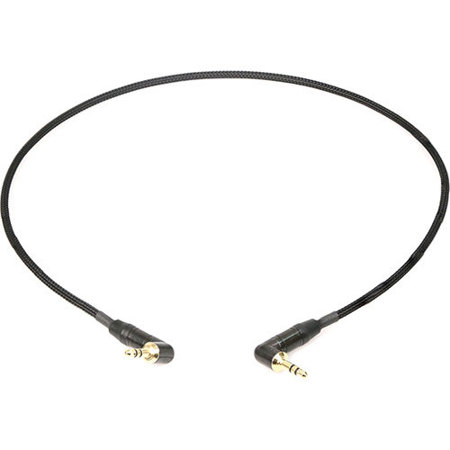
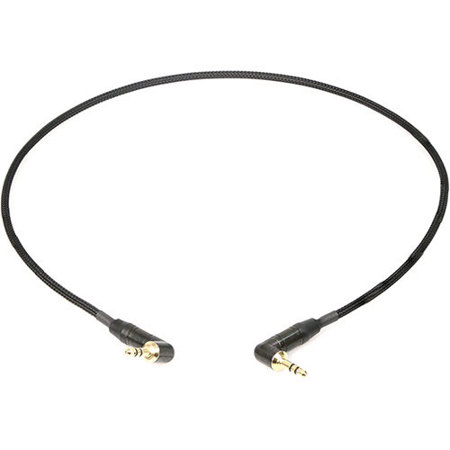
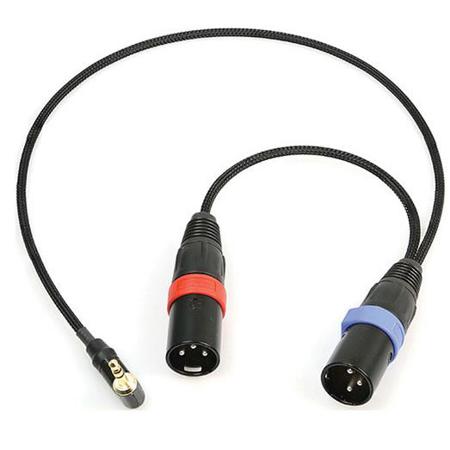
In the world of wildlife photography, capturing the subtle rustle of leaves, the distant call of a bird, or the soft footfall of a cautious animal can make the difference between a good shot and a truly immersive experience. The right 3.5mm audio cable is an essential, often overlooked, tool for field recordists and wildlife photographers who want to synchronize pristine audio with their visuals. As winter transitions into early spring and the natural world awakens, photographers venture into forests, wetlands, and open fields, where unpredictable terrain and ever-changing weather demand gear that’s both rugged and reliable. Whether you’re a seasoned professional recording with high-end microphones or an enthusiastic hobbyist pairing a compact shotgun mic with your DSLR, the choice of cable can impact the clarity and reliability of your audio capture. Shielded 3.5mm TRS cables are especially valued in these environments, as they reduce interference from radio frequencies, ensuring that the delicate sounds of nature are preserved without unwanted static or hum. For those using professional XLR microphones in the field, adapters like the sennheiser cl 35-xlr right-angle locking 3.5mm trs to xlr male coiled output cable offer secure, low-profile connections that resist accidental unplugging—a critical feature when you’re crouched in underbrush or repositioning gear to follow elusive wildlife. Right-angle connectors, in particular, are a favorite among field recordists, as they minimize strain on both the cable and the camera port, reducing the risk of damage during long hikes or quick gear adjustments.
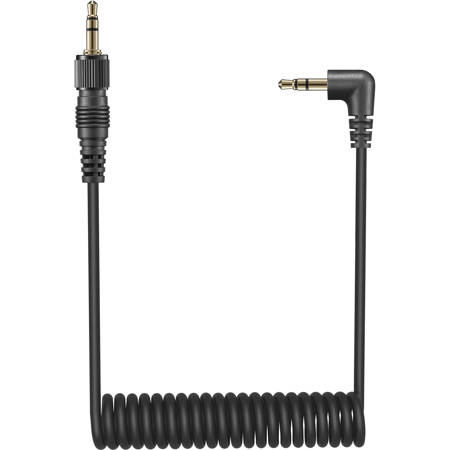
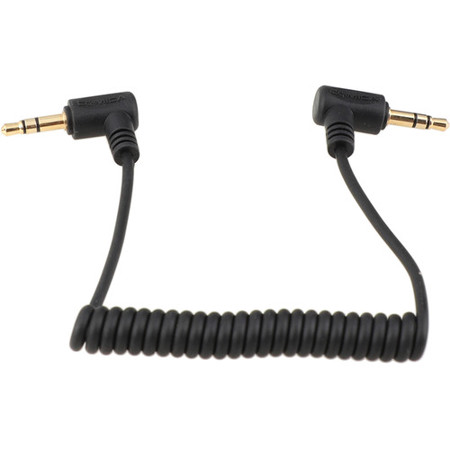
Durability is paramount when working outdoors, where cables are exposed to abrasive surfaces, moisture, and even curious animals. Braided nylon exteriors or robust rubberized jackets offer protection against gnawing rodents and the rough edges of rocks or branches, while coiled designs provide flexibility without excess slack that could snag or trip. Photographers often share stories of clever squirrels or persistent insects testing the resilience of their equipment, making reinforced cables a wise investment for anyone spending extended time in the wild. For longer runs—such as positioning a microphone away from the camera to minimize handling noise or to get closer to a distant subject—cable length becomes a balancing act: longer cables (10-20 feet) provide flexibility, but it’s important to consider signal loss and the need for quality shielding to maintain audio fidelity. Secure, tight-fitting plugs with auxiliary locks or flush-mount designs help prevent audio dropouts caused by movement or vibration, a common issue when tracking animals or adjusting tripods in uneven terrain. Wildlife photographers who frequently travel or work in remote locations often keep a variety of cable types and lengths in their kits, ensuring they’re prepared for any scenario, from recording the gentle trickle of a mountain stream to the thunderous calls of migratory birds at dawn.
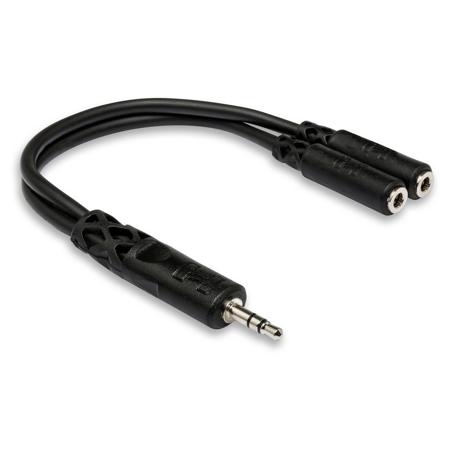
When considering 3.5mm audio cables as a gift, they are an excellent choice for anyone passionate about wildlife photography, field recording, or nature videography. Thoughtful features like reinforced connectors, weather-resistant materials, and compatibility with both consumer and professional audio equipment make these cables practical additions to any gear bag. For those looking to expand their audio recording capabilities even further, exploring complementary accessories such as adapters, cable organizers, or even alternative connection types can be beneficial. If your workflow involves digital audio interfaces or remote power options, you may also want to browse our selection of USB Cables For Wildlife Photography for additional solutions tailored to field use. Ultimately, investing in high-quality 3.5mm audio cables ensures that every whisper of wind and every note of birdsong is faithfully captured, allowing you to bring the wild to life in your photography and video projects, no matter where your adventures take you.
Durability is paramount when working outdoors, where cables are exposed to abrasive surfaces, moisture, and even curious animals. Braided nylon exteriors or robust rubberized jackets offer protection against gnawing rodents and the rough edges of rocks or branches, while coiled designs provide flexibility without excess slack that could snag or trip. Photographers often share stories of clever squirrels or persistent insects testing the resilience of their equipment, making reinforced cables a wise investment for anyone spending extended time in the wild. For longer runs—such as positioning a microphone away from the camera to minimize handling noise or to get closer to a distant subject—cable length becomes a balancing act: longer cables (10-20 feet) provide flexibility, but it’s important to consider signal loss and the need for quality shielding to maintain audio fidelity. Secure, tight-fitting plugs with auxiliary locks or flush-mount designs help prevent audio dropouts caused by movement or vibration, a common issue when tracking animals or adjusting tripods in uneven terrain. Wildlife photographers who frequently travel or work in remote locations often keep a variety of cable types and lengths in their kits, ensuring they’re prepared for any scenario, from recording the gentle trickle of a mountain stream to the thunderous calls of migratory birds at dawn.
When considering 3.5mm audio cables as a gift, they are an excellent choice for anyone passionate about wildlife photography, field recording, or nature videography. Thoughtful features like reinforced connectors, weather-resistant materials, and compatibility with both consumer and professional audio equipment make these cables practical additions to any gear bag. For those looking to expand their audio recording capabilities even further, exploring complementary accessories such as adapters, cable organizers, or even alternative connection types can be beneficial. If your workflow involves digital audio interfaces or remote power options, you may also want to browse our selection of USB Cables For Wildlife Photography for additional solutions tailored to field use. Ultimately, investing in high-quality 3.5mm audio cables ensures that every whisper of wind and every note of birdsong is faithfully captured, allowing you to bring the wild to life in your photography and video projects, no matter where your adventures take you.