



4 3 Screens
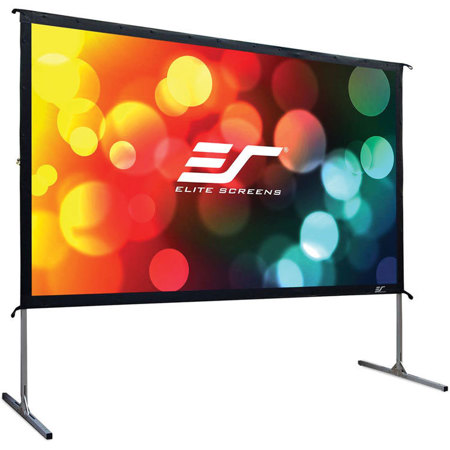
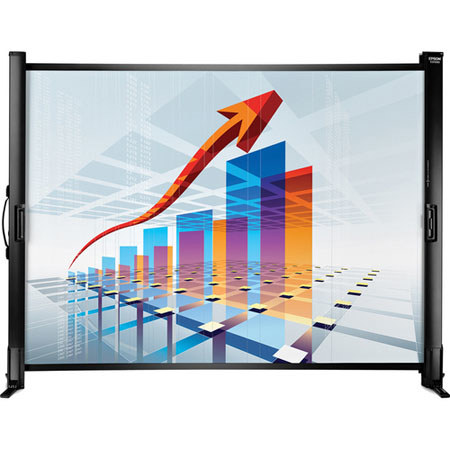
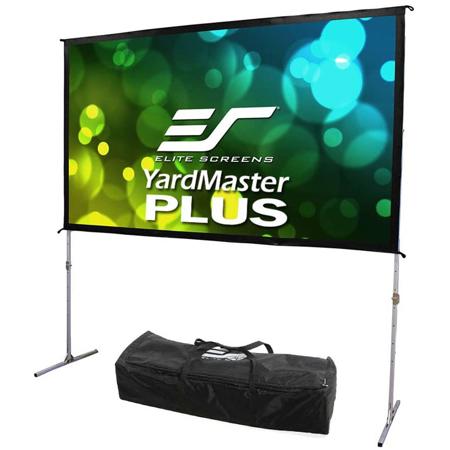
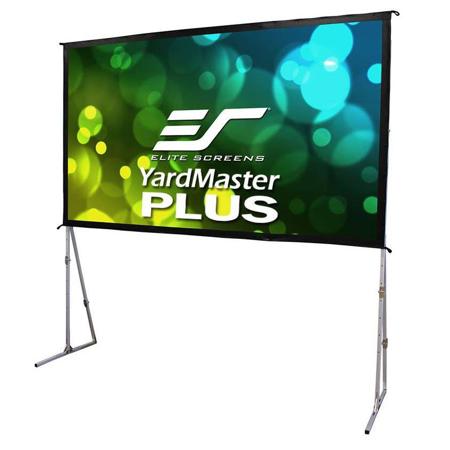
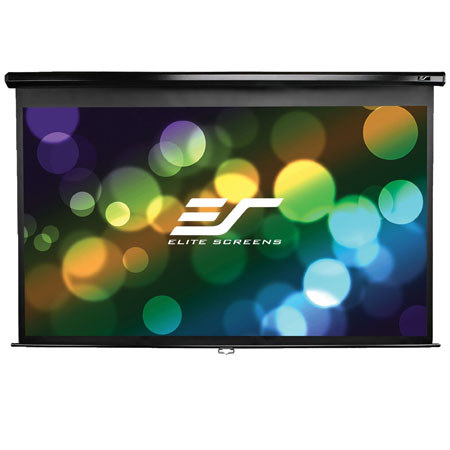
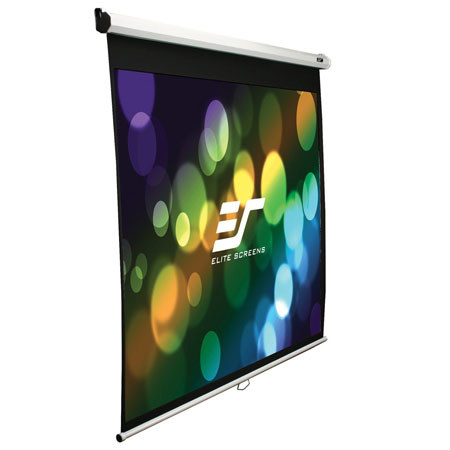
The 4:3 screen format, with its nearly square aspect ratio, holds a special place in a world now dominated by widescreen displays. This classic proportion remains a preferred choice for a wide range of users, from retro gaming enthusiasts to professionals in commercial settings. For those restoring vintage arcade cabinets or seeking an authentic experience with retro consoles, a 4:3 screen is essential for preserving the original look and feel of classic titles—no unsightly stretching or black bars, just the crisp, true-to-era visuals that evoke nostalgia and excitement. In photography and media production, 4:3 displays are often favored for reviewing images and videos captured in traditional formats, giving creators a reliable reference point for color and composition. These screens are also a staple in point-of-sale systems, kiosks, and embedded applications, where their balanced dimensions offer ergonomic advantages and seamless integration into compact workspaces. As the weather warms and creative projects move from indoor studios to outdoor setups, the portability and versatility of 4:3 screens make them an excellent companion for pop-up installations, summer workshops, and mobile workstations.
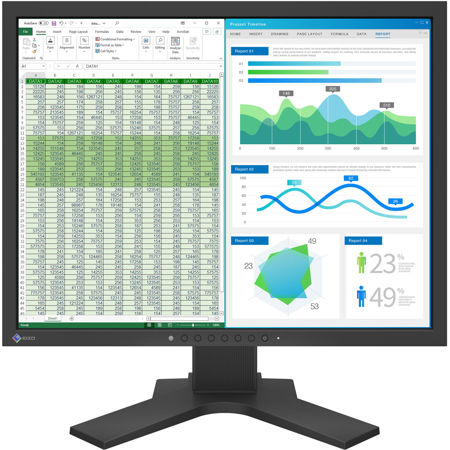
When considering a 4:3 screen, it’s important to think about the intended use and environment. For hobbyists and makers, compact 4.3-inch TFT LCDs are a popular choice for DIY electronics, microcontroller projects, and smart home integrations—perfect for crafting custom displays for video doorbells, control panels, or digital photo frames. Professionals in retail and hospitality often rely on robust, capacitive touch monitors in the 15- to 19-inch range, which provide reliable performance for checkout counters and interactive terminals. Meanwhile, collectors and tech aficionados hunting for CRT replacements or classic desktop displays can find modern 4:3 monitors with high-resolution panels that breathe new life into legacy systems. These screens can also make thoughtful gifts for anyone passionate about vintage technology, whether it’s a parent reminiscing about early computing days or a young gamer discovering the charm of pixel-perfect classics. For those looking to bridge the gap between old and new, exploring advancements in display technology—such as ultra-high-definition panels—is just a click away; you can compare the timeless appeal of 4:3 with the stunning detail of modern 4K Screens to find the perfect fit for your setup.
Selecting the right 4:3 screen involves weighing factors like resolution, connectivity, and durability. Many users value the simplicity of plug-and-play options with VGA, DVI, or HDMI inputs, while others prioritize touch functionality or rugged construction for demanding environments. As the seasons shift and routines evolve, the adaptability of 4:3 screens stands out—whether you’re setting up a temporary display for a summer event, upgrading a workstation for the back-to-school rush, or curating a home arcade for cozy autumn evenings. The enduring popularity of this aspect ratio speaks to its versatility and the unique experiences it enables, making it a smart investment for both personal enjoyment and professional applications. With thoughtful consideration and a clear sense of purpose, a 4:3 screen can be the cornerstone of projects and passions that span generations.
When considering a 4:3 screen, it’s important to think about the intended use and environment. For hobbyists and makers, compact 4.3-inch TFT LCDs are a popular choice for DIY electronics, microcontroller projects, and smart home integrations—perfect for crafting custom displays for video doorbells, control panels, or digital photo frames. Professionals in retail and hospitality often rely on robust, capacitive touch monitors in the 15- to 19-inch range, which provide reliable performance for checkout counters and interactive terminals. Meanwhile, collectors and tech aficionados hunting for CRT replacements or classic desktop displays can find modern 4:3 monitors with high-resolution panels that breathe new life into legacy systems. These screens can also make thoughtful gifts for anyone passionate about vintage technology, whether it’s a parent reminiscing about early computing days or a young gamer discovering the charm of pixel-perfect classics. For those looking to bridge the gap between old and new, exploring advancements in display technology—such as ultra-high-definition panels—is just a click away; you can compare the timeless appeal of 4:3 with the stunning detail of modern 4K Screens to find the perfect fit for your setup.
Selecting the right 4:3 screen involves weighing factors like resolution, connectivity, and durability. Many users value the simplicity of plug-and-play options with VGA, DVI, or HDMI inputs, while others prioritize touch functionality or rugged construction for demanding environments. As the seasons shift and routines evolve, the adaptability of 4:3 screens stands out—whether you’re setting up a temporary display for a summer event, upgrading a workstation for the back-to-school rush, or curating a home arcade for cozy autumn evenings. The enduring popularity of this aspect ratio speaks to its versatility and the unique experiences it enables, making it a smart investment for both personal enjoyment and professional applications. With thoughtful consideration and a clear sense of purpose, a 4:3 screen can be the cornerstone of projects and passions that span generations.