
70mm Lenses
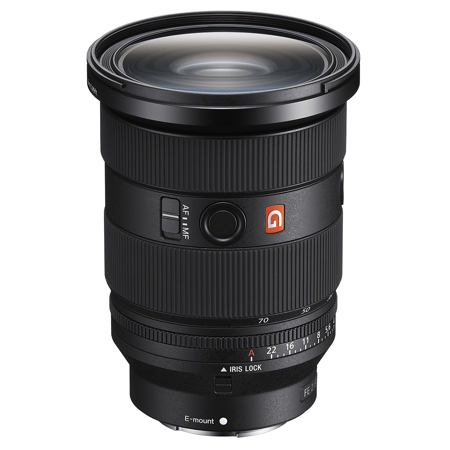
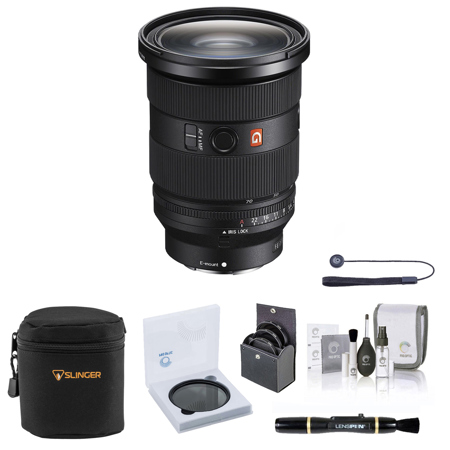
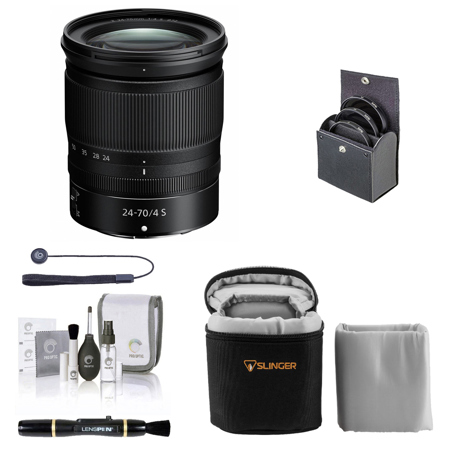
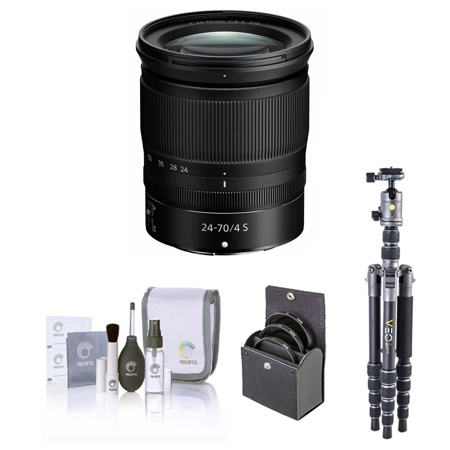
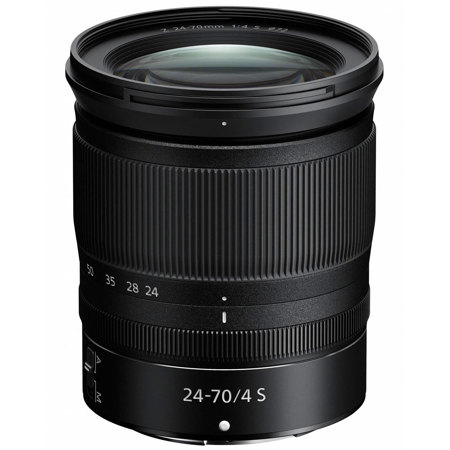
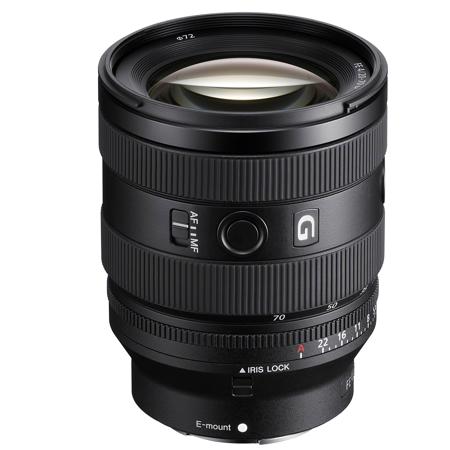
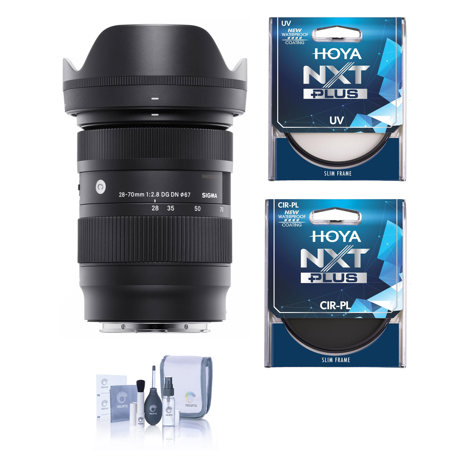
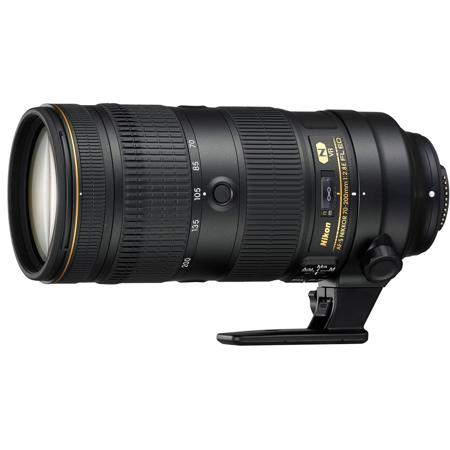
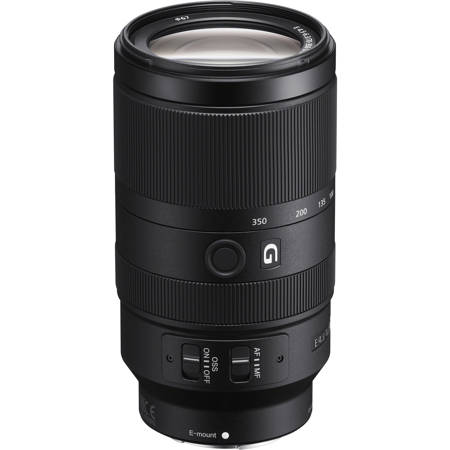
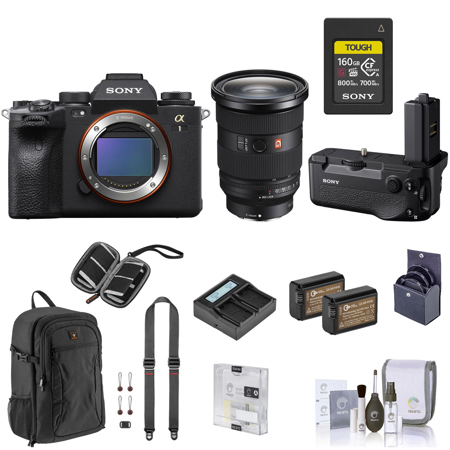
A 70mm lens is a staple in any photographer’s kit, offering a unique blend of versatility and optical performance that suits a broad range of creative pursuits. Whether you’re capturing the subtle expressions of a portrait subject or freezing the fleeting moments of a bustling city street, the 70mm focal length provides a natural, slightly compressed perspective that flatters subjects and enhances storytelling. This focal length is commonly found at the telephoto end of popular zoom lenses, making it a go-to choice for those who need to adapt quickly to changing scenes—think wedding photographers transitioning from wide group shots to intimate close-ups, or travelers seeking to capture both sweeping vistas and isolated details without swapping lenses. The moderate telephoto reach of a 70mm lens brings distant subjects closer, while minimizing distortion, making it ideal for headshots, candid event photography, and environmental portraits where you want your subject to stand out crisply against a beautifully blurred background. The ability to achieve pleasing background separation, often referred to as bokeh, is especially valued during winter and early spring months, when natural light is softer and backgrounds can be less vibrant; the right lens can turn even the most subdued setting into a canvas for creative expression.
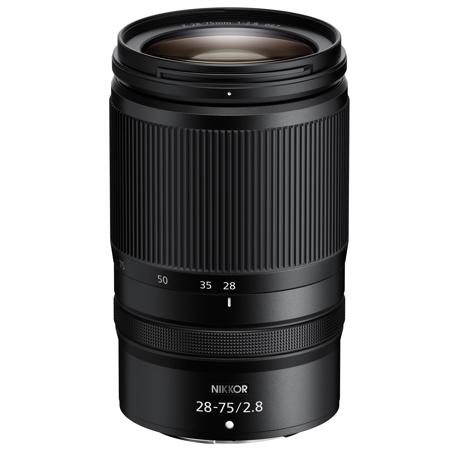
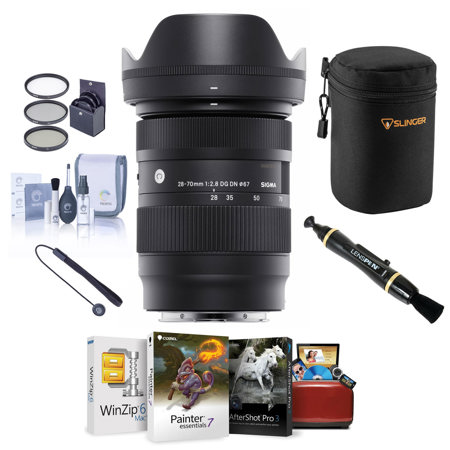
When considering a 70mm lens, it’s worth thinking about the types of photography you enjoy most and the environments in which you typically shoot. For those who often find themselves working in low-light conditions—such as indoor events, evening gatherings, or moody winter landscapes—a lens with a fast, constant aperture like f/2.8 can make all the difference, allowing you to maintain sharpness and clarity without relying on flash. This is particularly helpful during the shorter days of February, when outdoor light fades quickly but photographic opportunities abound, from snow-dusted cityscapes to cozy family gatherings. The 70mm focal length’s ability to compress perspective also lends itself well to video work, where smooth, silent autofocus and minimal focus breathing are essential for professional-looking transitions and cinematic depth. For content creators and hybrid shooters, a lens in this range can be a true workhorse, adapting seamlessly from stills to video. Gift-givers will also appreciate the universal appeal of a 70mm lens—whether for a budding enthusiast eager to expand their creative toolkit, or a seasoned professional seeking reliable, high-quality optics, this focal length is both practical and inspiring. And for those who are exploring other creative avenues, such as macro or more pronounced telephoto work, it’s worth considering adjacent options like 90mm Lenses for even greater subject isolation and detail.
Ultimately, a 70mm lens is more than just a piece of equipment—it’s an invitation to see the world with fresh eyes. It encourages photographers to find beauty in everyday moments, to experiment with composition and depth, and to capture the essence of their subjects with clarity and emotion. Whether you’re documenting the quiet intimacy of a winter afternoon, the energy of a crowded event, or the subtle interplay of light and shadow in a favorite travel destination, the 70mm perspective offers a balanced field of view that’s neither too wide nor too narrow. It’s this adaptability, paired with the ability to render images with professional sharpness and gorgeous background blur, that makes a 70mm lens a trusted companion for photographers and videographers alike, season after season.
When considering a 70mm lens, it’s worth thinking about the types of photography you enjoy most and the environments in which you typically shoot. For those who often find themselves working in low-light conditions—such as indoor events, evening gatherings, or moody winter landscapes—a lens with a fast, constant aperture like f/2.8 can make all the difference, allowing you to maintain sharpness and clarity without relying on flash. This is particularly helpful during the shorter days of February, when outdoor light fades quickly but photographic opportunities abound, from snow-dusted cityscapes to cozy family gatherings. The 70mm focal length’s ability to compress perspective also lends itself well to video work, where smooth, silent autofocus and minimal focus breathing are essential for professional-looking transitions and cinematic depth. For content creators and hybrid shooters, a lens in this range can be a true workhorse, adapting seamlessly from stills to video. Gift-givers will also appreciate the universal appeal of a 70mm lens—whether for a budding enthusiast eager to expand their creative toolkit, or a seasoned professional seeking reliable, high-quality optics, this focal length is both practical and inspiring. And for those who are exploring other creative avenues, such as macro or more pronounced telephoto work, it’s worth considering adjacent options like 90mm Lenses for even greater subject isolation and detail.
Ultimately, a 70mm lens is more than just a piece of equipment—it’s an invitation to see the world with fresh eyes. It encourages photographers to find beauty in everyday moments, to experiment with composition and depth, and to capture the essence of their subjects with clarity and emotion. Whether you’re documenting the quiet intimacy of a winter afternoon, the energy of a crowded event, or the subtle interplay of light and shadow in a favorite travel destination, the 70mm perspective offers a balanced field of view that’s neither too wide nor too narrow. It’s this adaptability, paired with the ability to render images with professional sharpness and gorgeous background blur, that makes a 70mm lens a trusted companion for photographers and videographers alike, season after season.