75 Ohm Coaxial Cables
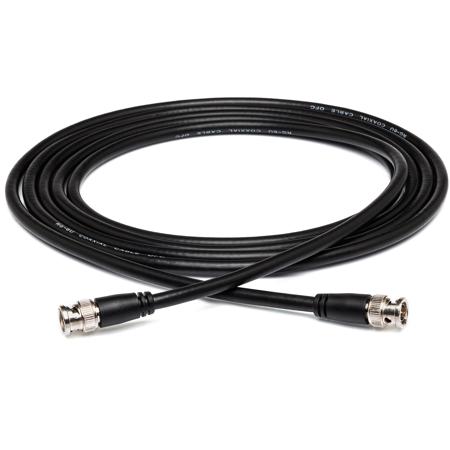
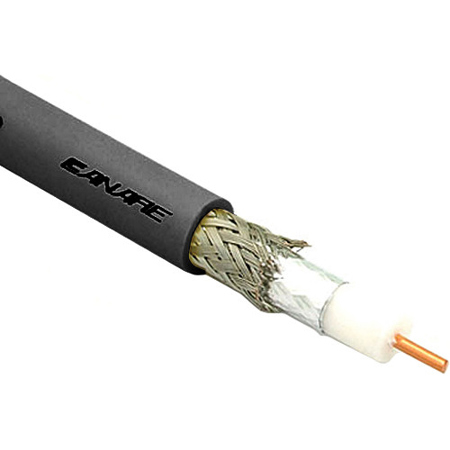
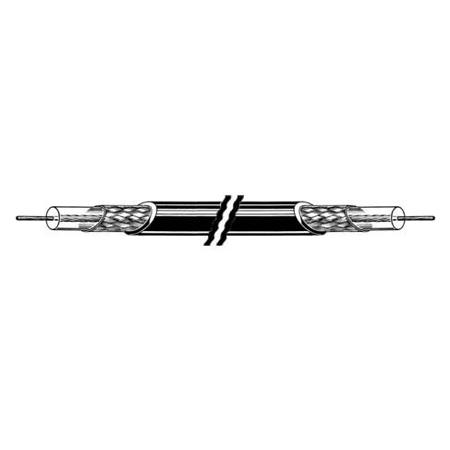
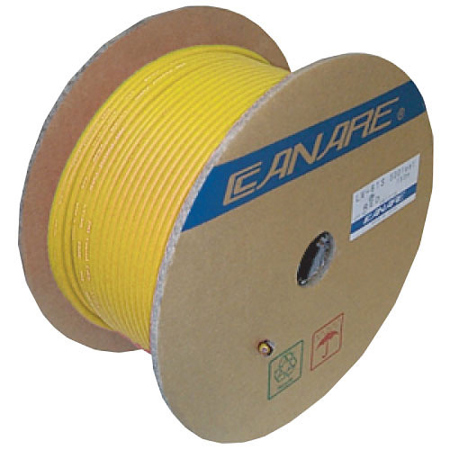
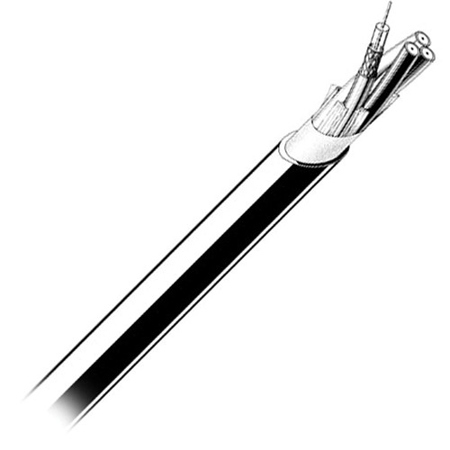
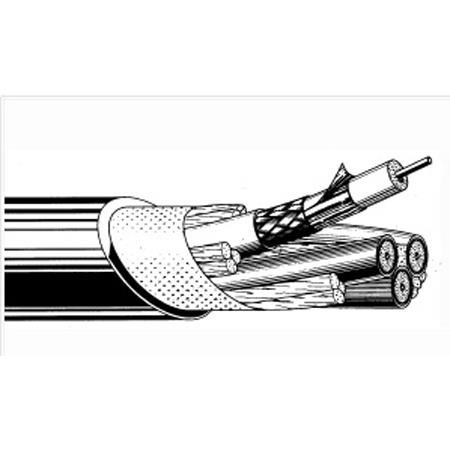
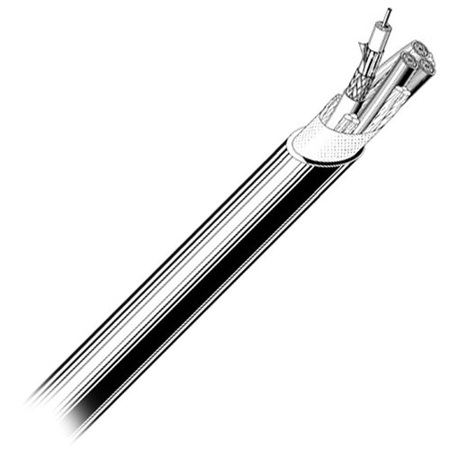
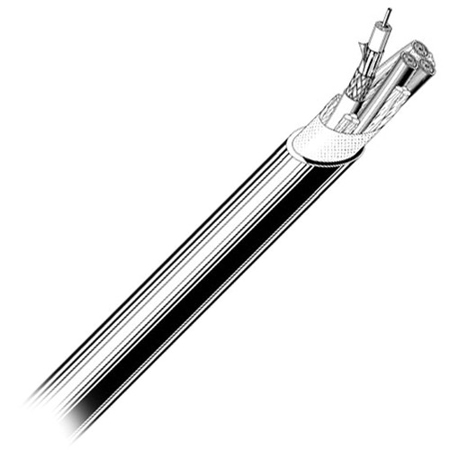
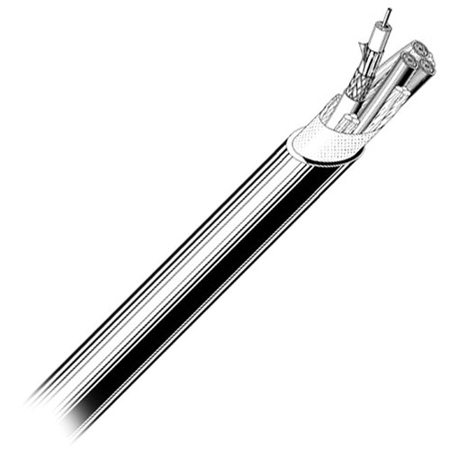
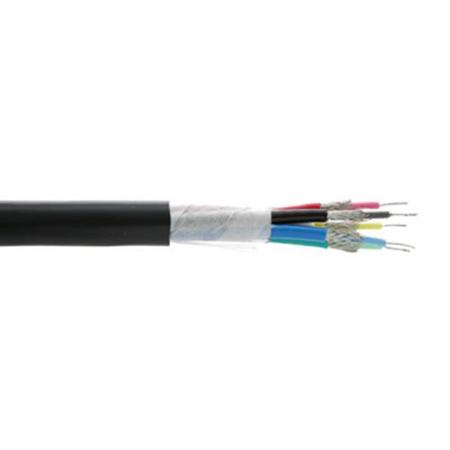
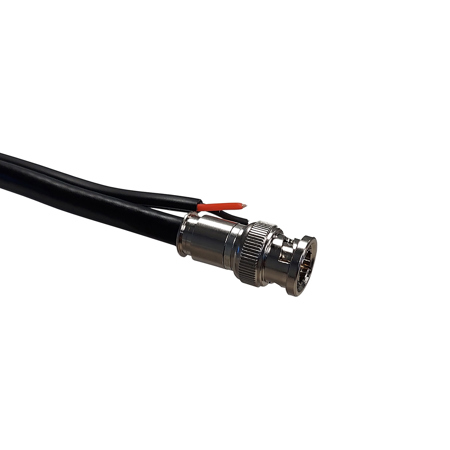
Whether you’re outfitting a home theater, setting up a broadcast studio, or upgrading the infrastructure in a commercial space, 75 Ohm coaxial cables are a foundational component for reliable signal transmission. These cables are engineered to deliver crisp, interference-free video, audio, and data signals, making them the gold standard for a wide range of applications—from connecting televisions and satellite receivers to supporting high-speed internet and professional video workflows. The hallmark of the 75 Ohm design is its ability to minimize signal loss and prevent unwanted artifacts such as “ghosting” or static, even over longer distances. This is especially important in environments where radio frequency (RF) and electromagnetic interference (EMI) are common, such as busy city apartments, densely equipped studios, or multi-room office setups. Most 75 Ohm coaxial cables feature robust shielding—typically a combination of braided wire and foil, sometimes in double or quad-layered configurations—to block out these disruptive signals. The center conductor, often made of copper-clad steel or solid bare copper, ensures optimal conductivity and durability, which is critical for both everyday use and more demanding professional environments.
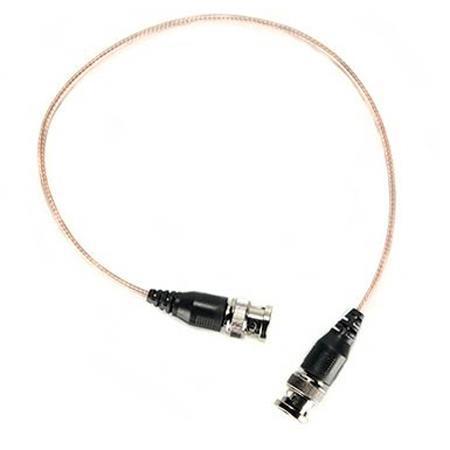
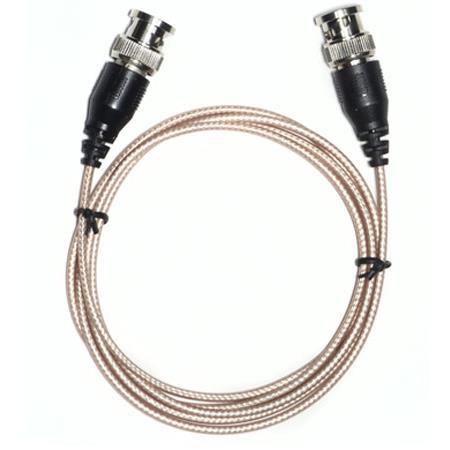
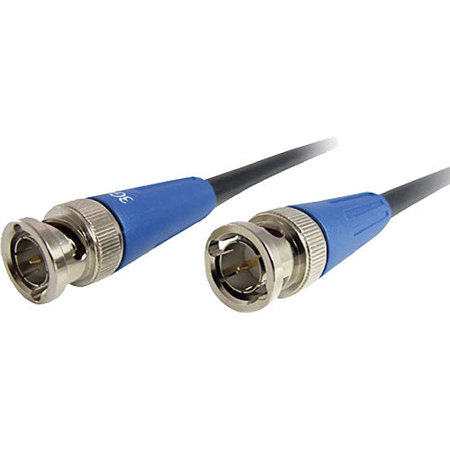
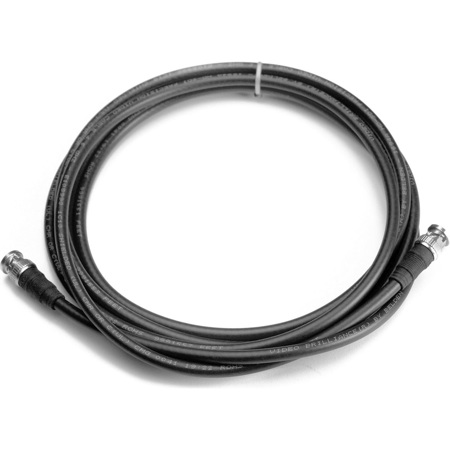
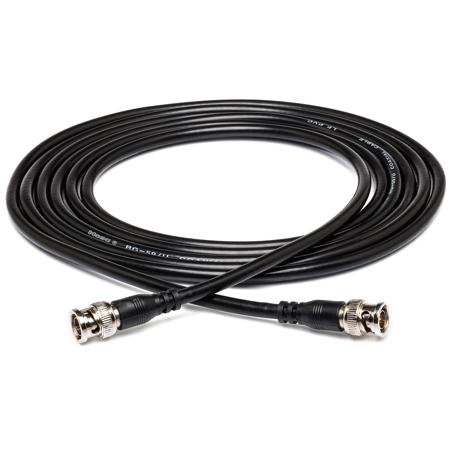
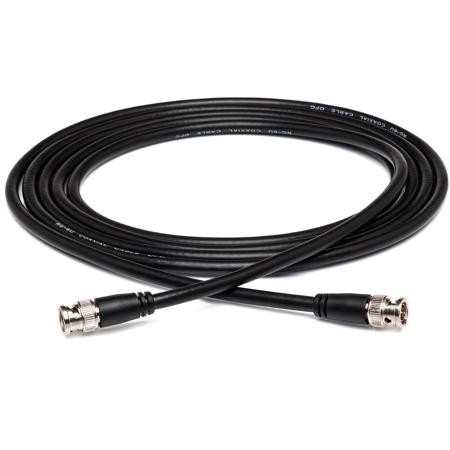
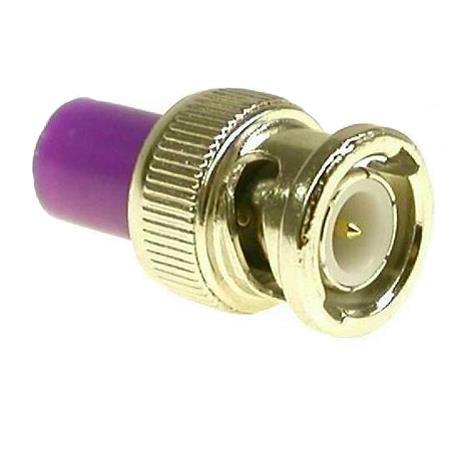
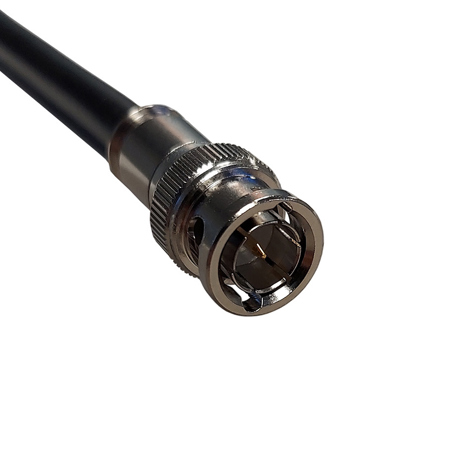
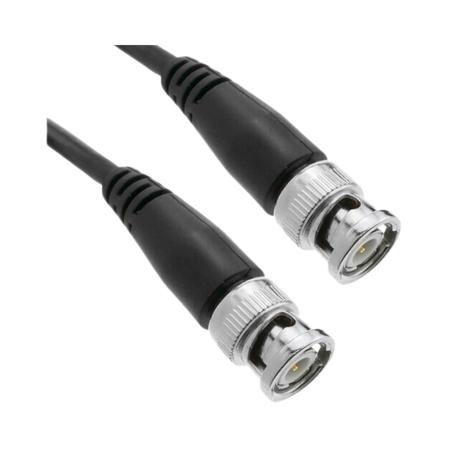
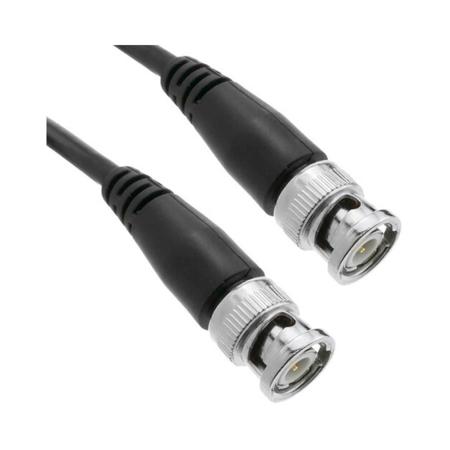
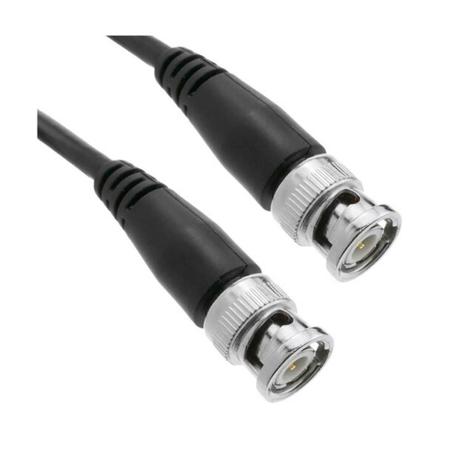
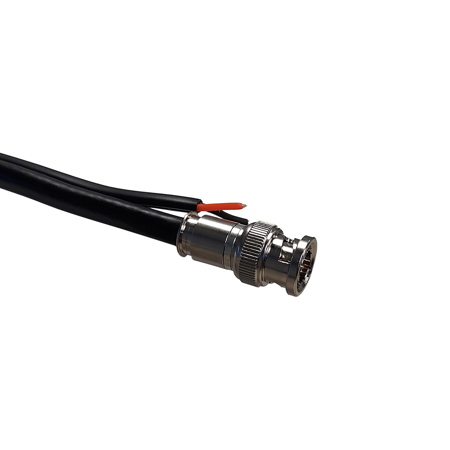
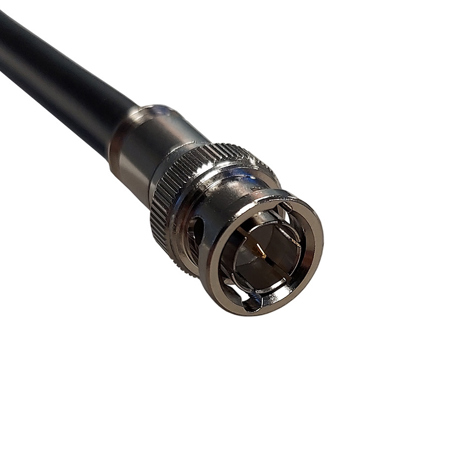
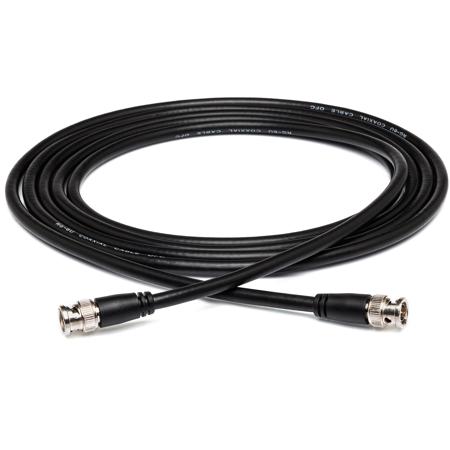
For those working in video production, live events, or broadcast engineering, 75 Ohm coaxial cables are indispensable for SDI (Serial Digital Interface) connections. These cables, often paired with BNC connectors, deliver high-definition digital video with precision and consistency, making them a staple on set, in control rooms, and throughout post-production facilities. SDI patch cables, in particular, are valued for their flexibility and ability to maintain signal integrity across patch bays and complex routing systems. Meanwhile, in residential settings, these cables are the backbone of cable television, satellite, and broadband internet installations—connecting everything from external ATSC antennas to modems and routers. RG6 cables are typically chosen for these roles due to their superior shielding and compatibility with F-type connectors, ensuring a secure, screw-on fit that resists loosening from vibration or movement. For shorter runs or legacy analog systems, such as CCTV or older video equipment, RG59 cables offer a more flexible, thinner profile without sacrificing performance. If you’re looking for options tailored to these needs, you can explore our selection of RG59 Cables for more specific solutions.
As the weather shifts from the warmth of summer into the crispness of fall, many people find themselves tackling home improvement projects or upgrading entertainment systems in anticipation of more time spent indoors. 75 Ohm coaxial cables make thoughtful, practical gifts for tech enthusiasts, home theater buffs, or anyone embarking on a renovation or AV upgrade. They’re also a smart investment for students moving into dorms or apartments, ensuring reliable connections for streaming, gaming, and studying. When selecting the right cable, consider not just the length and connector type, but also the environment—double or quad-shielded cables are ideal for high-interference areas, while pre-terminated assemblies save time for those seeking a plug-and-play solution. Whether you’re a seasoned professional managing a rack of SDI patch cables or a homeowner connecting a new smart TV, the reliability and versatility of 75 Ohm coaxial cables make them an essential part of any modern AV setup.
For those working in video production, live events, or broadcast engineering, 75 Ohm coaxial cables are indispensable for SDI (Serial Digital Interface) connections. These cables, often paired with BNC connectors, deliver high-definition digital video with precision and consistency, making them a staple on set, in control rooms, and throughout post-production facilities. SDI patch cables, in particular, are valued for their flexibility and ability to maintain signal integrity across patch bays and complex routing systems. Meanwhile, in residential settings, these cables are the backbone of cable television, satellite, and broadband internet installations—connecting everything from external ATSC antennas to modems and routers. RG6 cables are typically chosen for these roles due to their superior shielding and compatibility with F-type connectors, ensuring a secure, screw-on fit that resists loosening from vibration or movement. For shorter runs or legacy analog systems, such as CCTV or older video equipment, RG59 cables offer a more flexible, thinner profile without sacrificing performance. If you’re looking for options tailored to these needs, you can explore our selection of RG59 Cables for more specific solutions.
As the weather shifts from the warmth of summer into the crispness of fall, many people find themselves tackling home improvement projects or upgrading entertainment systems in anticipation of more time spent indoors. 75 Ohm coaxial cables make thoughtful, practical gifts for tech enthusiasts, home theater buffs, or anyone embarking on a renovation or AV upgrade. They’re also a smart investment for students moving into dorms or apartments, ensuring reliable connections for streaming, gaming, and studying. When selecting the right cable, consider not just the length and connector type, but also the environment—double or quad-shielded cables are ideal for high-interference areas, while pre-terminated assemblies save time for those seeking a plug-and-play solution. Whether you’re a seasoned professional managing a rack of SDI patch cables or a homeowner connecting a new smart TV, the reliability and versatility of 75 Ohm coaxial cables make them an essential part of any modern AV setup.