

Adapter Lenses
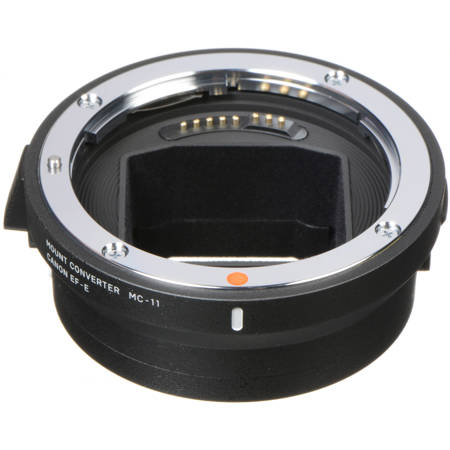
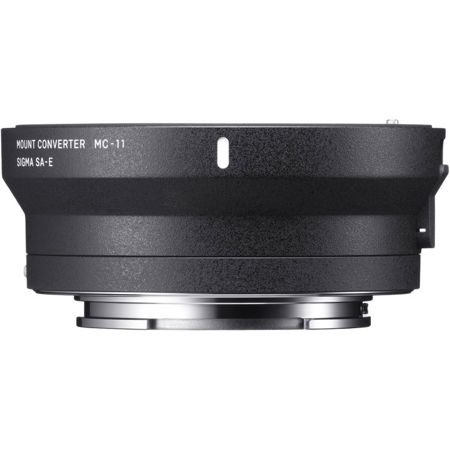
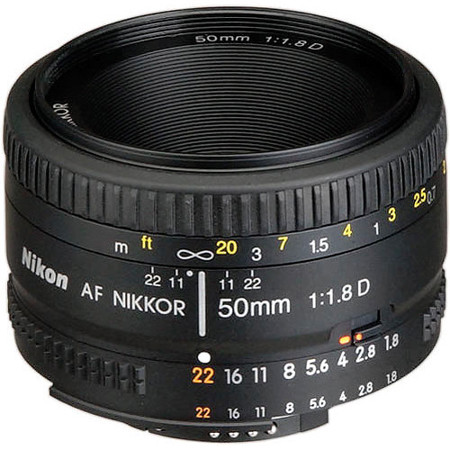
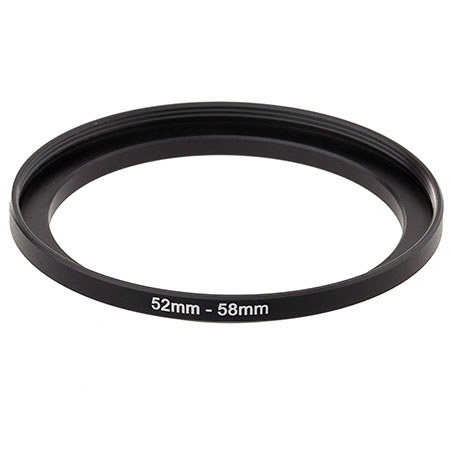
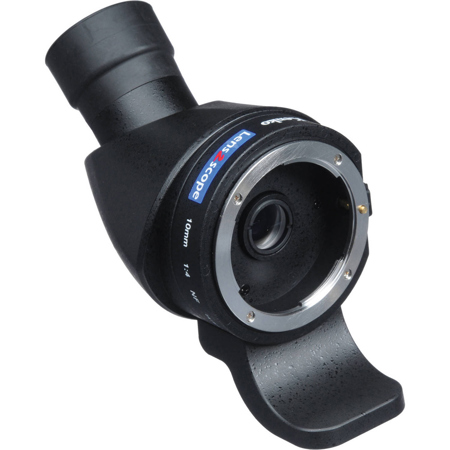
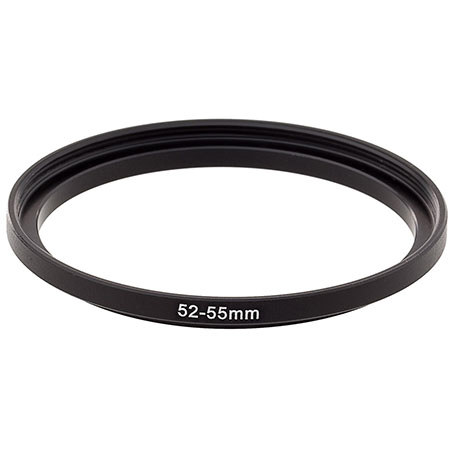
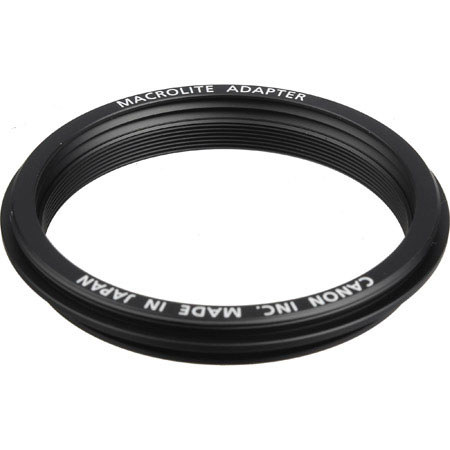
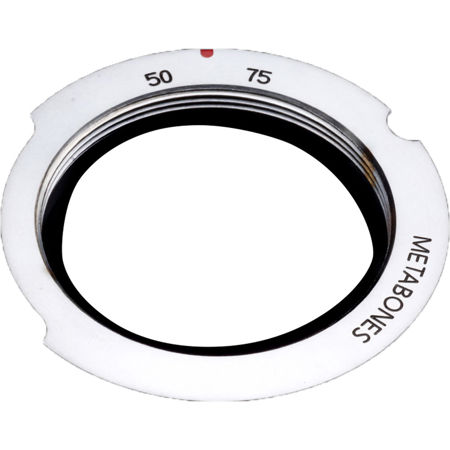
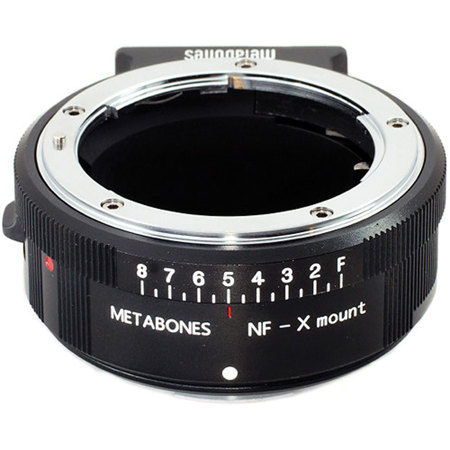
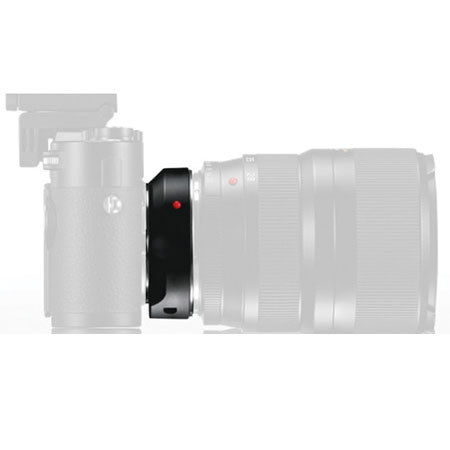
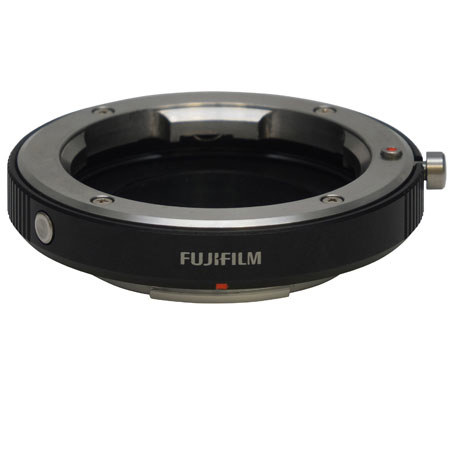
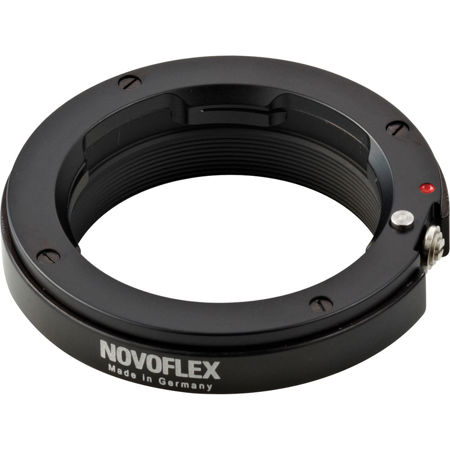
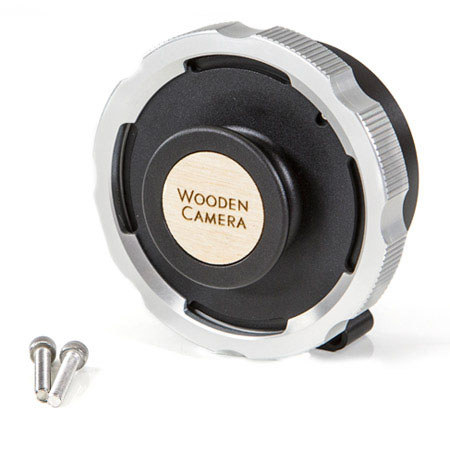
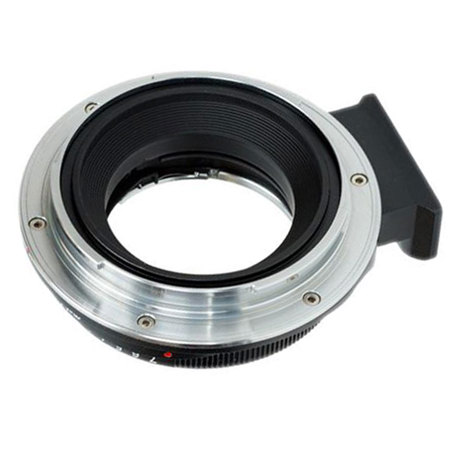
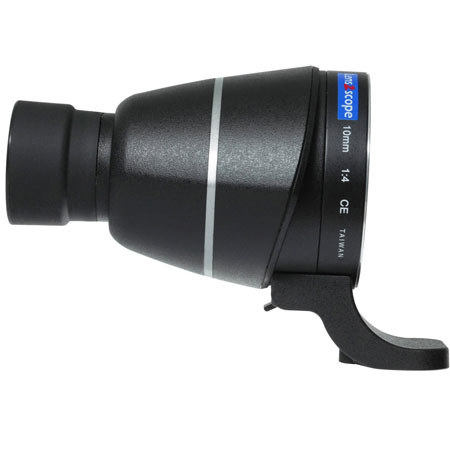
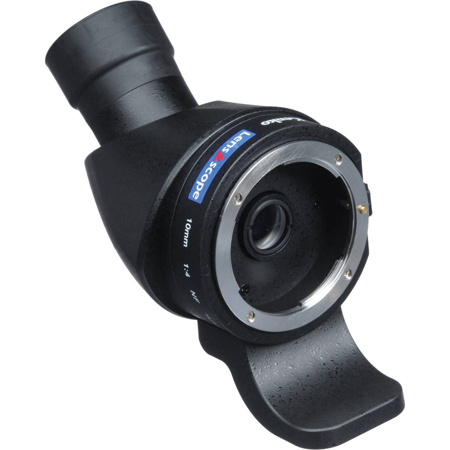
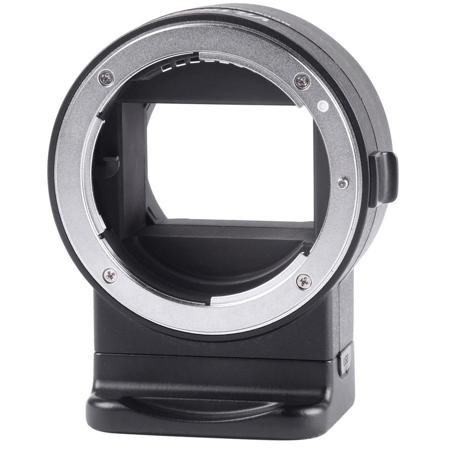
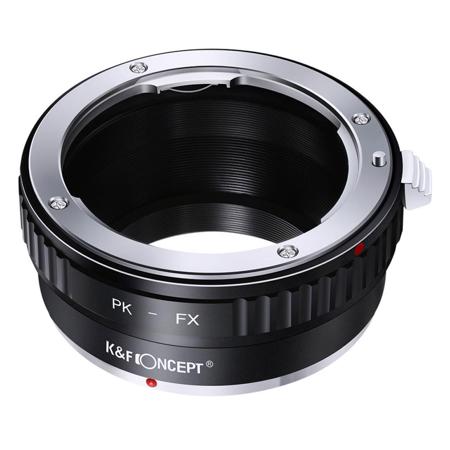
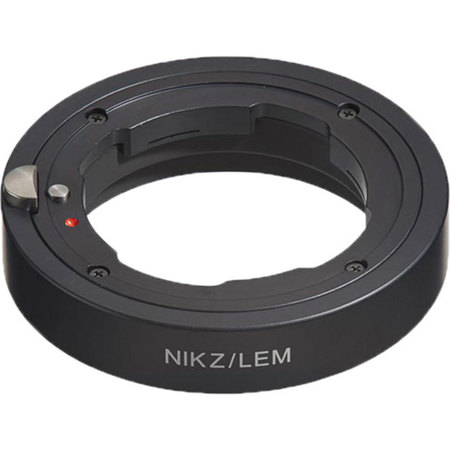
Adapter lenses have become an essential tool for photographers and videographers who want to expand the creative possibilities of their camera systems. Whether you’re a seasoned professional looking to breathe new life into a collection of vintage lenses or an enthusiast eager to experiment with different optics, lens adapters offer a bridge between the old and the new. These adapters allow you to mount lenses from one brand or era onto a camera body with a different mount, opening up a world of artistic options. For many, the ability to use classic film-era glass on a modern mirrorless body is a rewarding experience, combining the character and tactile feel of manual lenses with the technical advantages of digital imaging. As the weather shifts from the warmth of summer into the crispness of early fall, outdoor photographers find themselves chasing golden hour light, vibrant foliage, or city scenes bathed in late-day sun. Adapter lenses make it possible to pack light and adapt quickly, whether you’re capturing the subtle hues of a sunset hike or the bustling energy of a street festival. For travelers, adapters are a practical way to minimize gear while maximizing versatility, letting you swap between wide-angle landscapes and telephoto details without being tied to a single lens mount system.
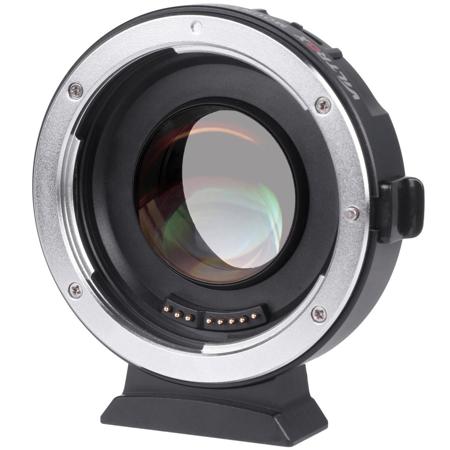
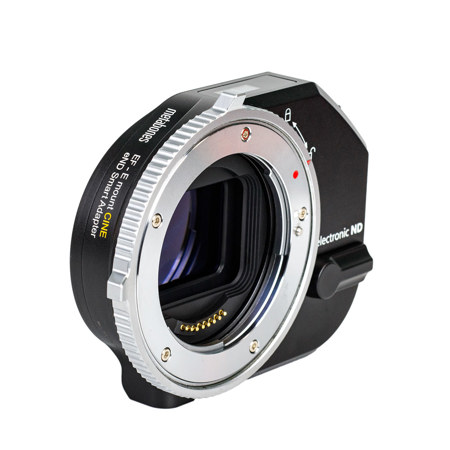
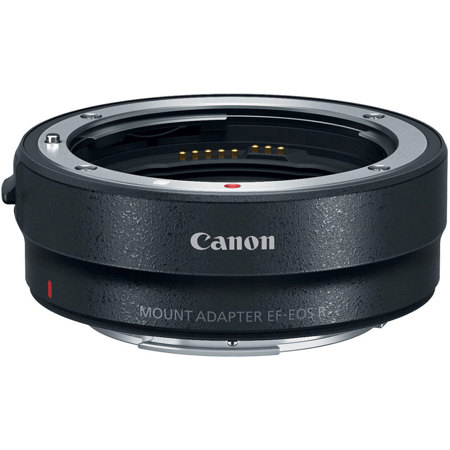
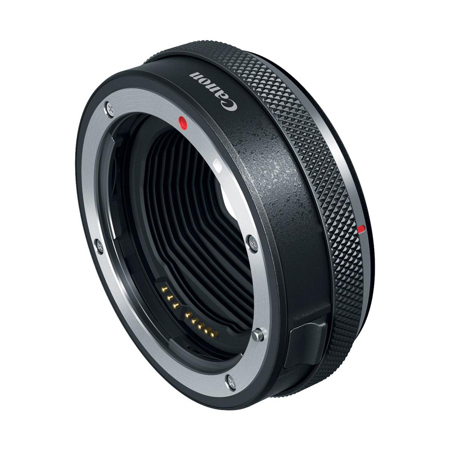
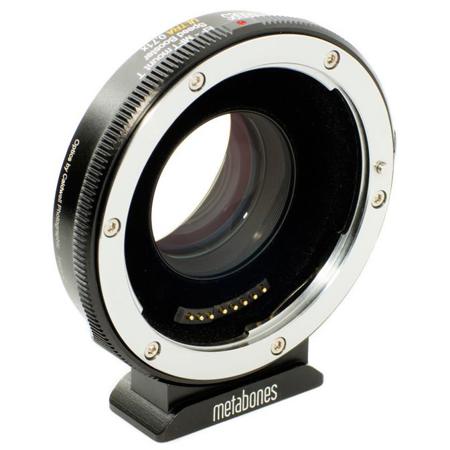
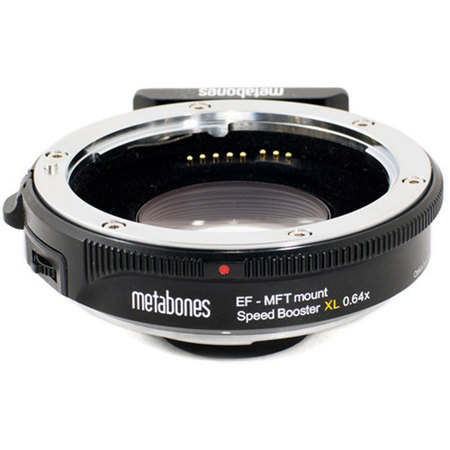
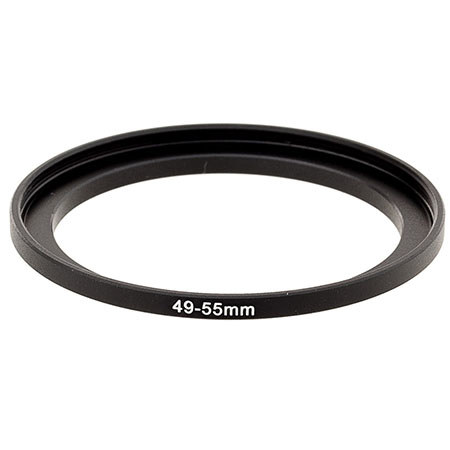
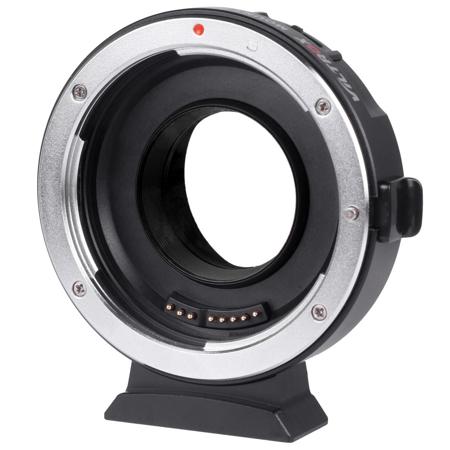
When considering which adapter to purchase, it’s important to match the lens mount of your chosen optics with the camera mount you intend to use. Mirrorless cameras, with their shorter flange focal distances, are particularly popular for adaptation, making it easy to pair legacy lenses with the latest digital bodies. The choice between manual (passive) and electronic (active) adapters will depend on your shooting style and the features you need. Manual adapters are ideal for those who appreciate the hands-on control of setting aperture and focus directly on the lens, a process that can be especially satisfying when working with vintage or specialty lenses. These adapters are lightweight, straightforward, and preserve the optical integrity of your glass. On the other hand, electronic adapters are invaluable for photographers who want to retain autofocus, image stabilization, or aperture control, especially when adapting lenses within the same manufacturer’s ecosystem. Specialty adapters, such as those with built-in variable ND filters or tilt-shift mechanisms, provide even more creative flexibility, making them a favorite among architectural photographers and those experimenting with selective focus effects. For anyone interested in macro photography, there are dedicated solutions designed to bring subjects into stunning close-up detail; you can explore more options on our Macro Lens Adapters page.
Adapter lenses also make thoughtful gifts for photography enthusiasts, students, or anyone looking to rediscover the joy of shooting with legacy glass. There’s a certain magic in handing down a beloved lens and seeing it find new life on a contemporary camera—perfect for capturing family gatherings, autumn adventures, or creative projects as the seasons change. Many creators appreciate the challenge and reward of manual focus, especially when shooting portraits or landscapes where precision and intentionality matter. For filmmakers, adapters unlock a cinematic look that’s often hard to replicate with modern autofocus lenses, allowing for smooth, deliberate focus pulls and unique rendering. Whether you’re building a hybrid kit for travel, assembling a lightweight setup for on-location shoots, or simply curious about the possibilities that different optics can bring, adapter lenses offer a practical and inspiring way to expand your toolkit. With the right adapter, your lens collection becomes a passport to new creative experiences, capturing everything from sun-drenched summer scenes to the rich, textured colors of fall.
When considering which adapter to purchase, it’s important to match the lens mount of your chosen optics with the camera mount you intend to use. Mirrorless cameras, with their shorter flange focal distances, are particularly popular for adaptation, making it easy to pair legacy lenses with the latest digital bodies. The choice between manual (passive) and electronic (active) adapters will depend on your shooting style and the features you need. Manual adapters are ideal for those who appreciate the hands-on control of setting aperture and focus directly on the lens, a process that can be especially satisfying when working with vintage or specialty lenses. These adapters are lightweight, straightforward, and preserve the optical integrity of your glass. On the other hand, electronic adapters are invaluable for photographers who want to retain autofocus, image stabilization, or aperture control, especially when adapting lenses within the same manufacturer’s ecosystem. Specialty adapters, such as those with built-in variable ND filters or tilt-shift mechanisms, provide even more creative flexibility, making them a favorite among architectural photographers and those experimenting with selective focus effects. For anyone interested in macro photography, there are dedicated solutions designed to bring subjects into stunning close-up detail; you can explore more options on our Macro Lens Adapters page.
Adapter lenses also make thoughtful gifts for photography enthusiasts, students, or anyone looking to rediscover the joy of shooting with legacy glass. There’s a certain magic in handing down a beloved lens and seeing it find new life on a contemporary camera—perfect for capturing family gatherings, autumn adventures, or creative projects as the seasons change. Many creators appreciate the challenge and reward of manual focus, especially when shooting portraits or landscapes where precision and intentionality matter. For filmmakers, adapters unlock a cinematic look that’s often hard to replicate with modern autofocus lenses, allowing for smooth, deliberate focus pulls and unique rendering. Whether you’re building a hybrid kit for travel, assembling a lightweight setup for on-location shoots, or simply curious about the possibilities that different optics can bring, adapter lenses offer a practical and inspiring way to expand your toolkit. With the right adapter, your lens collection becomes a passport to new creative experiences, capturing everything from sun-drenched summer scenes to the rich, textured colors of fall.