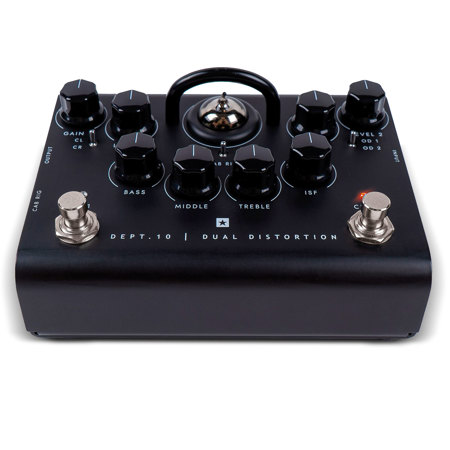
Analog Distortion Pedals
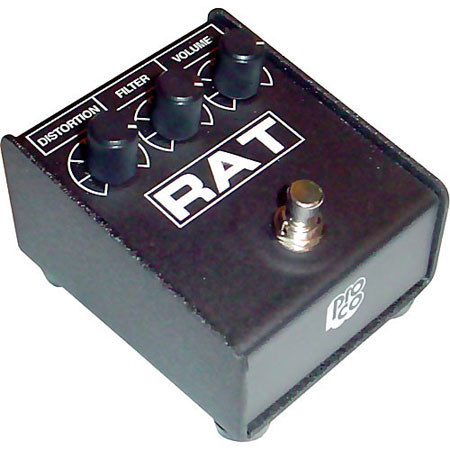
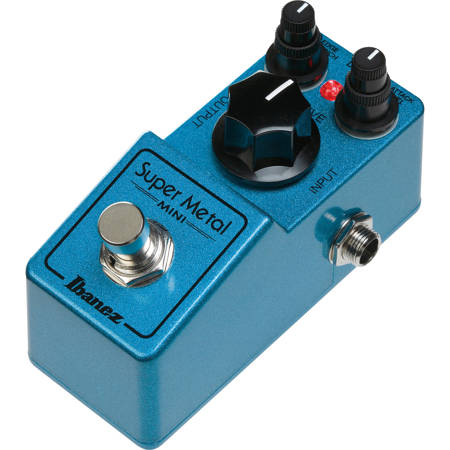
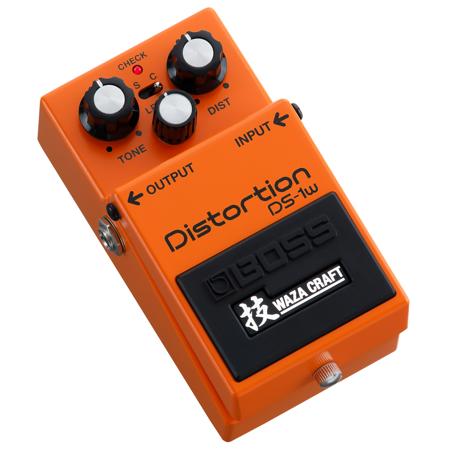
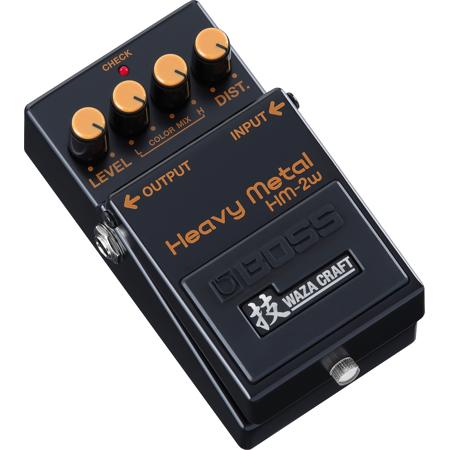
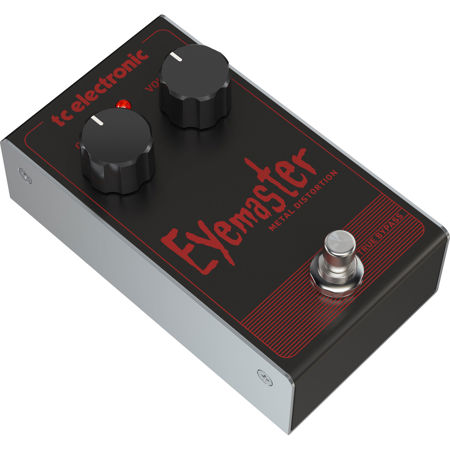
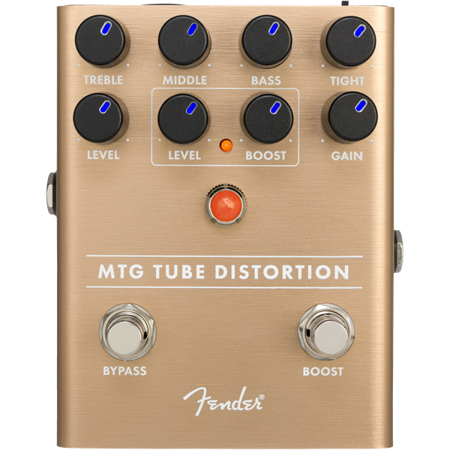
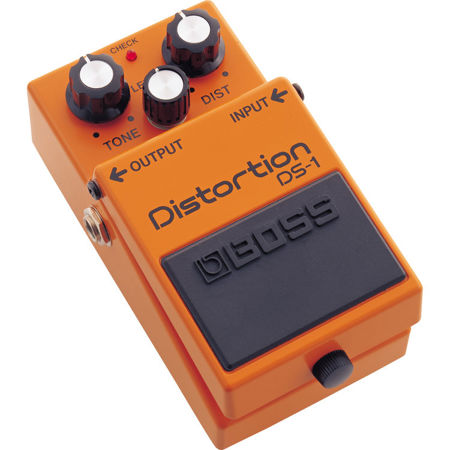
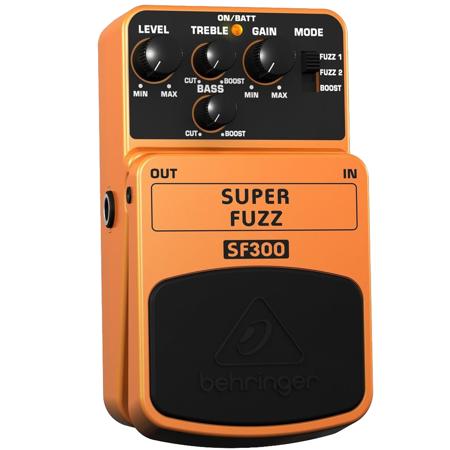
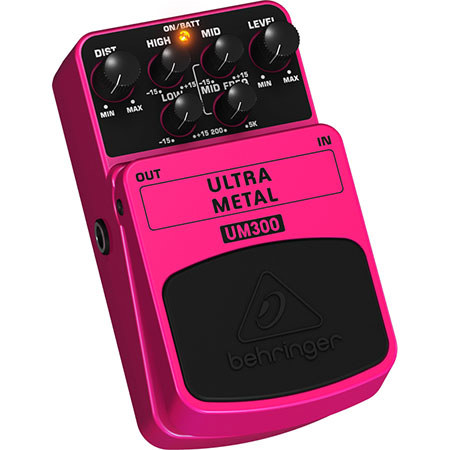
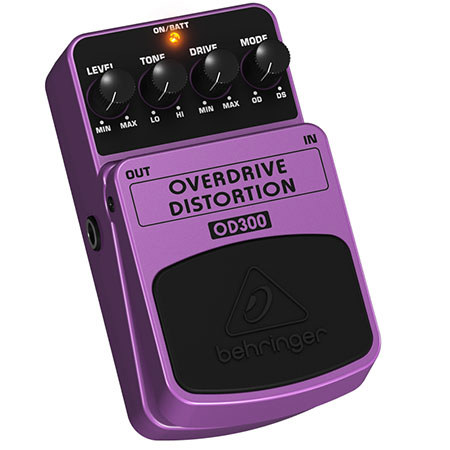
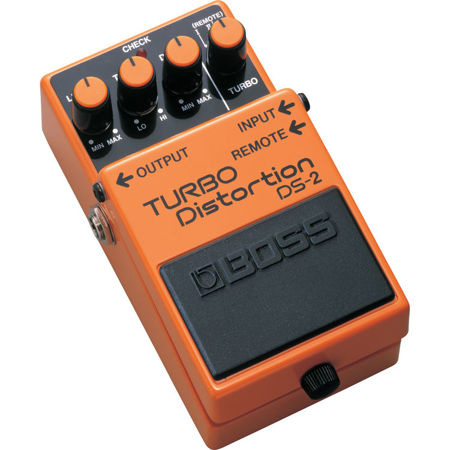
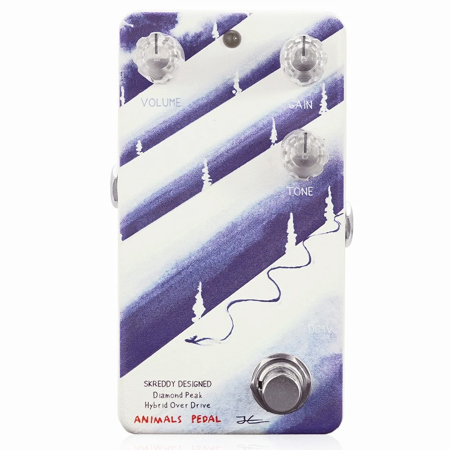
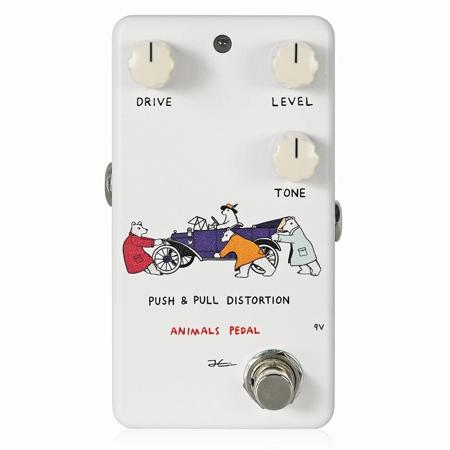
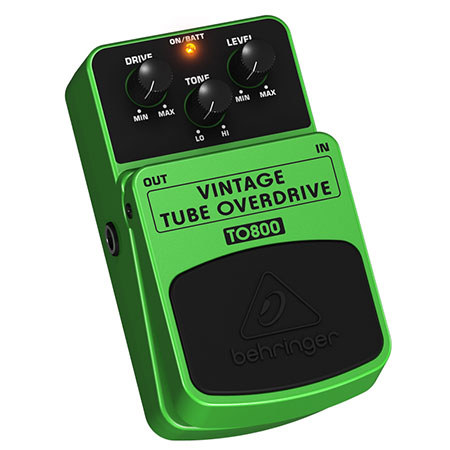
Analog distortion pedals have long held a special place in the hearts of guitarists and bassists seeking to shape their sound with warmth, character, and a distinctly organic edge. Unlike their digital counterparts, which rely on software algorithms to emulate distortion, analog distortion pedals use physical components—like transistors, diodes, and capacitors—to clip and saturate the incoming signal. This process produces a rich palette of harmonics and a natural compression that feels alive under the fingers, responding dynamically to every nuance of your playing. Whether you’re after the subtle crunch of classic rock, the searing saturation of modern metal, or the fuzzy textures that defined early psychedelic and garage recordings, analog distortion pedals offer an unmatched variety of tones. Many players describe the experience as akin to pushing a vintage tube amp into its sweet spot, but with the portability and consistency needed for today’s gigging musicians. As the weather warms and musicians find themselves playing outdoor stages, festivals, or casual backyard jams, these pedals become invaluable for dialing in just the right amount of grit and sustain, regardless of the amp or venue.
For those considering their first analog distortion pedal or expanding an existing pedalboard, there are a few key factors to keep in mind. The type of clipping circuit—whether silicon or germanium diodes, for example—can make a significant difference in the pedal’s character, from smooth and creamy overdrive to aggressive, biting fuzz. Some analog drive pedals are designed to be highly transparent, adding just a touch of breakup and preserving your instrument’s unique voice, while others are voiced for heavier saturation and midrange punch. Controls for gain, tone, and level are standard, but many modern analog distortion pedals also include toggles or additional EQ shaping to further refine your sound. This flexibility makes them a great fit not only for electric guitarists, but also for bassists, keyboard players, and even experimental musicians looking to add texture to their sonic palette. Analog distortion pedals are also a thoughtful gift for musicians at any stage—beginners will appreciate the immediate transformation of their tone, while seasoned players can use them to unlock new creative possibilities or replicate the classic sounds that inspired them to play in the first place. During the cooler months, when rehearsals and recording sessions often move indoors, these pedals continue to shine, offering consistent tone and reliable performance session after session.
Whether you’re building your first pedalboard, searching for a unique birthday or graduation gift, or simply looking to add a new flavor to your live or studio setup, analog distortion pedals deliver a time-tested blend of reliability and musicality. Their tactile controls and responsive feel invite experimentation, encouraging players to interact with their gear in a hands-on, intuitive way. For those interested in exploring even more tonal territory, consider pairing an analog distortion pedal with other effects, or combining it with an Overdrive Distortion Pedals unit to stack gain stages for layered, complex sounds. As technology continues to evolve, the enduring appeal of analog distortion remains rooted in its ability to inspire—whether you’re jamming with friends as summer evenings stretch long, or crafting new tracks in the studio as the days grow shorter. The right analog distortion pedal can become an essential part of your musical identity, offering both a classic foundation and a springboard for creative exploration.
For those considering their first analog distortion pedal or expanding an existing pedalboard, there are a few key factors to keep in mind. The type of clipping circuit—whether silicon or germanium diodes, for example—can make a significant difference in the pedal’s character, from smooth and creamy overdrive to aggressive, biting fuzz. Some analog drive pedals are designed to be highly transparent, adding just a touch of breakup and preserving your instrument’s unique voice, while others are voiced for heavier saturation and midrange punch. Controls for gain, tone, and level are standard, but many modern analog distortion pedals also include toggles or additional EQ shaping to further refine your sound. This flexibility makes them a great fit not only for electric guitarists, but also for bassists, keyboard players, and even experimental musicians looking to add texture to their sonic palette. Analog distortion pedals are also a thoughtful gift for musicians at any stage—beginners will appreciate the immediate transformation of their tone, while seasoned players can use them to unlock new creative possibilities or replicate the classic sounds that inspired them to play in the first place. During the cooler months, when rehearsals and recording sessions often move indoors, these pedals continue to shine, offering consistent tone and reliable performance session after session.
Whether you’re building your first pedalboard, searching for a unique birthday or graduation gift, or simply looking to add a new flavor to your live or studio setup, analog distortion pedals deliver a time-tested blend of reliability and musicality. Their tactile controls and responsive feel invite experimentation, encouraging players to interact with their gear in a hands-on, intuitive way. For those interested in exploring even more tonal territory, consider pairing an analog distortion pedal with other effects, or combining it with an Overdrive Distortion Pedals unit to stack gain stages for layered, complex sounds. As technology continues to evolve, the enduring appeal of analog distortion remains rooted in its ability to inspire—whether you’re jamming with friends as summer evenings stretch long, or crafting new tracks in the studio as the days grow shorter. The right analog distortion pedal can become an essential part of your musical identity, offering both a classic foundation and a springboard for creative exploration.