




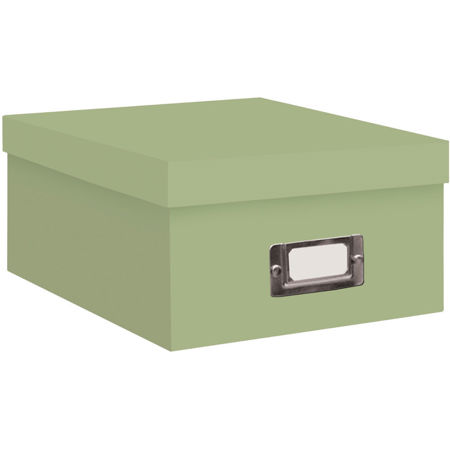
Archival Film Storage
Preserving film—whether it’s unexposed rolls waiting for their moment in the camera or irreplaceable negatives and prints holding decades of memories—demands thoughtful care and the right archival film storage solutions. As the weather shifts from the warmth of early summer into the crispness of fall, environmental conditions like temperature and humidity can fluctuate, subtly impacting the stability of your film collection. For photographers, artists, historians, and anyone with a passion for analog imaging, investing in proper storage is more than a precaution; it’s a commitment to safeguarding creative work and personal history. Unexposed film, for example, is sensitive to heat and moisture, which can accelerate aging, fogging, and color shifts. The best approach is to keep unexposed film cool and dry, ideally stored at refrigerator temperatures between 38°F and 40°F (3.3°C to 4.4°C). For those planning to store film for longer than six months past its expiration date, freezing at 0°F (-17.8°C) is recommended. To prevent condensation and potential emulsion damage, always let frozen film come to room temperature in its original, sealed packaging for two to five hours before opening.
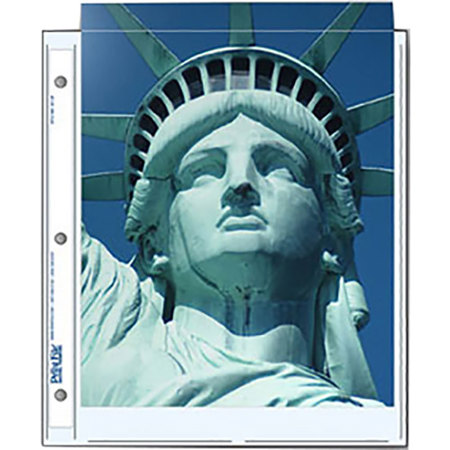
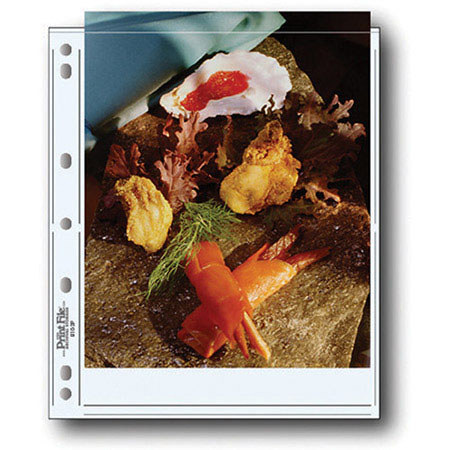
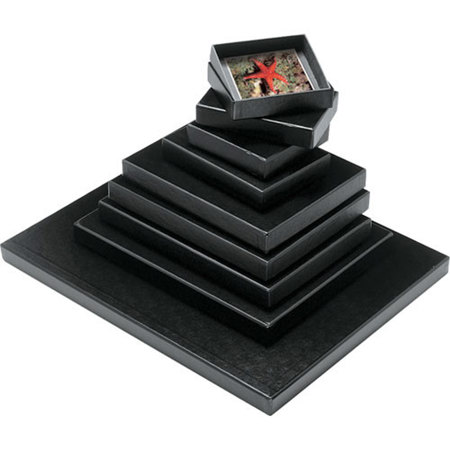
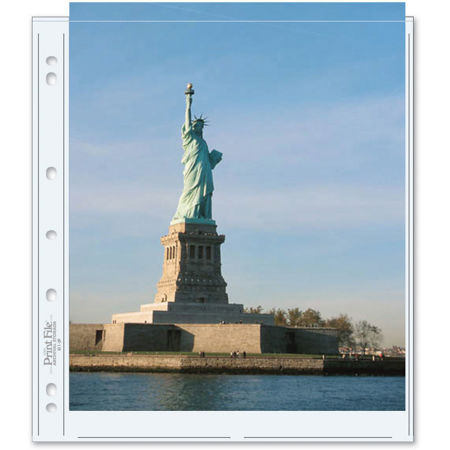
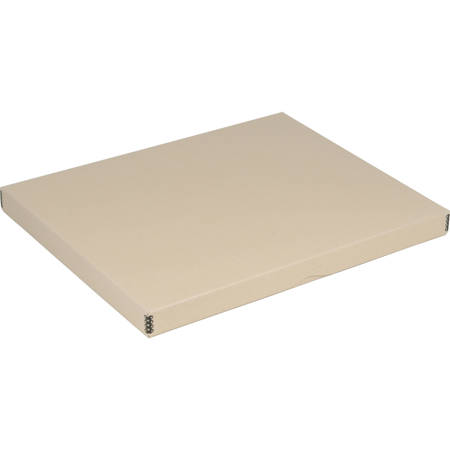
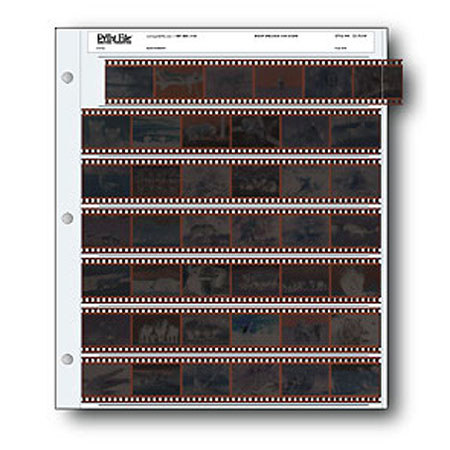
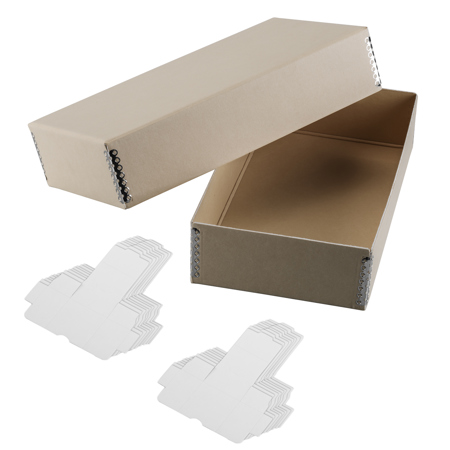
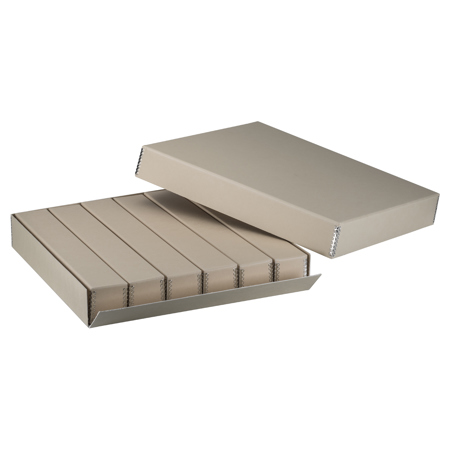
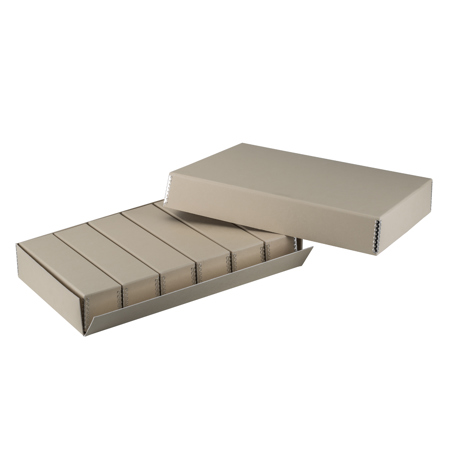
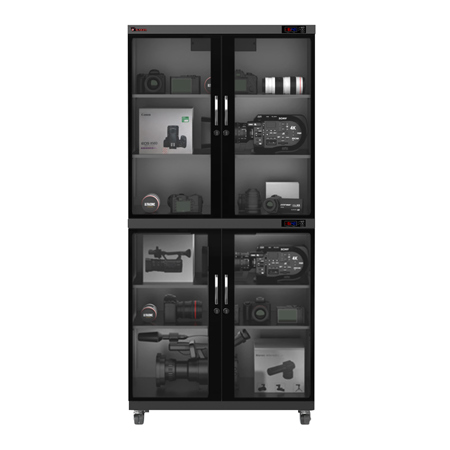
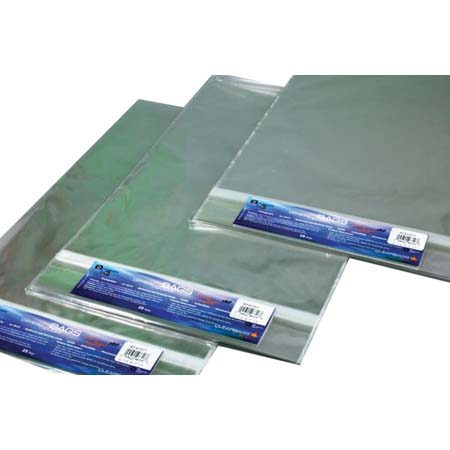
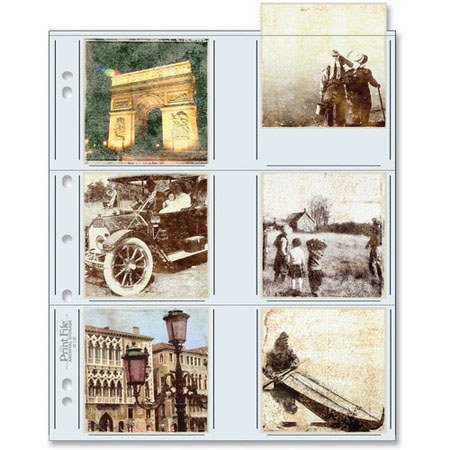
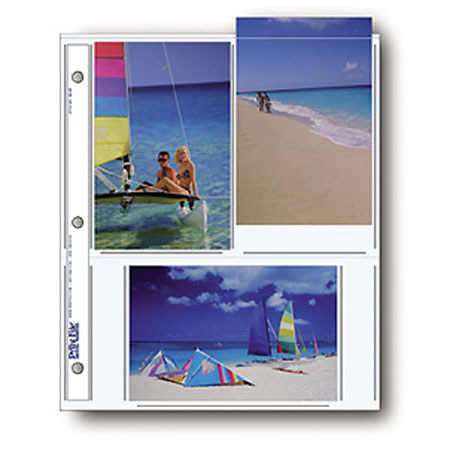
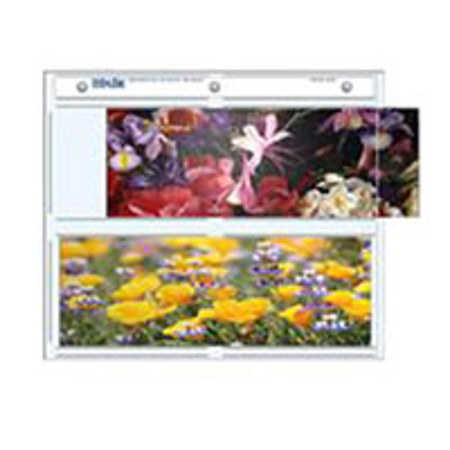
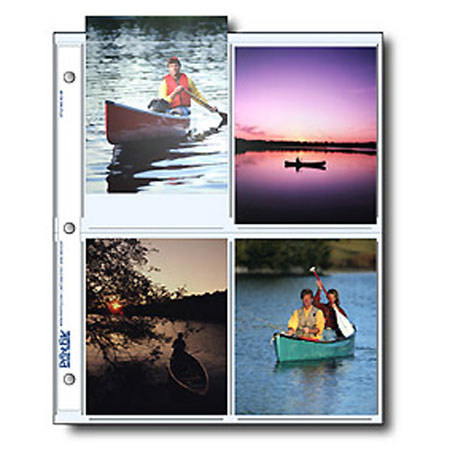
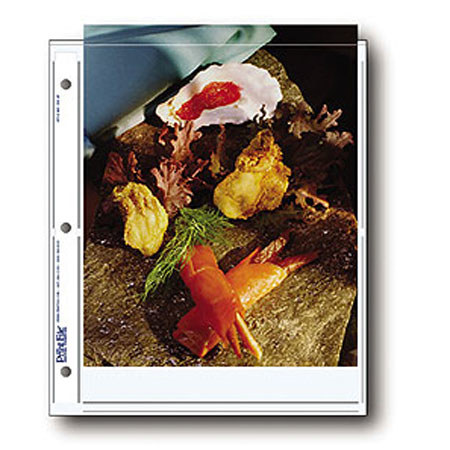
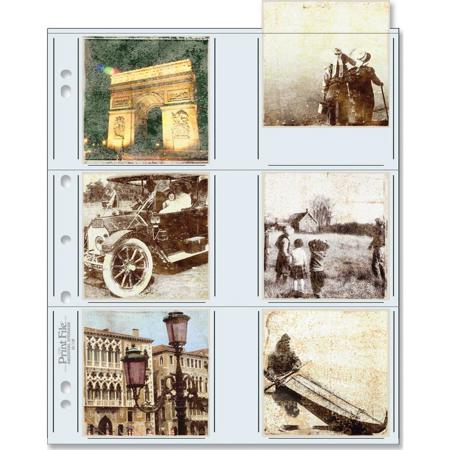
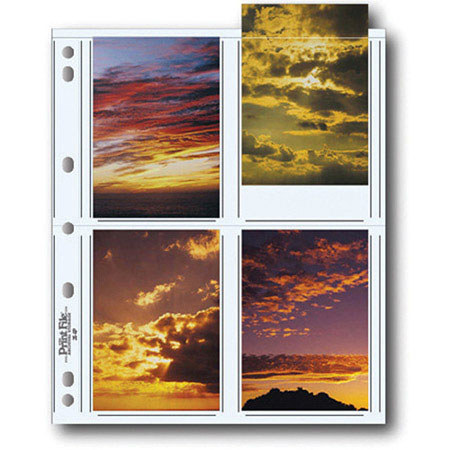
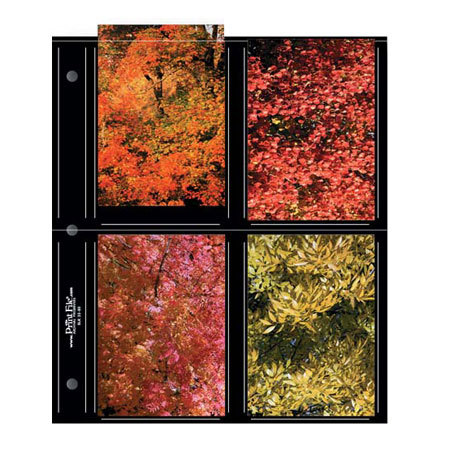
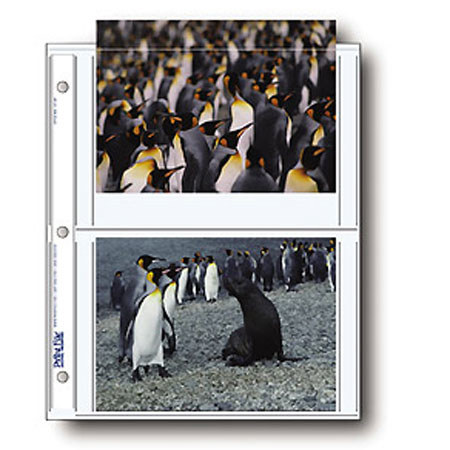
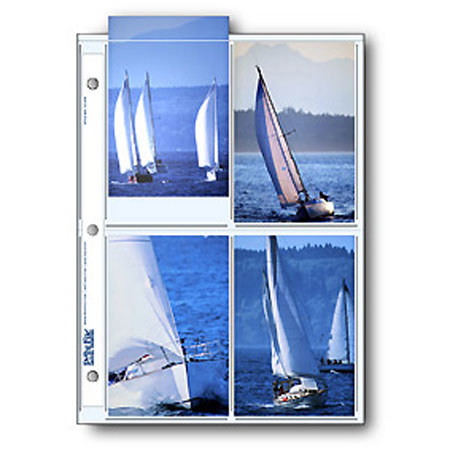
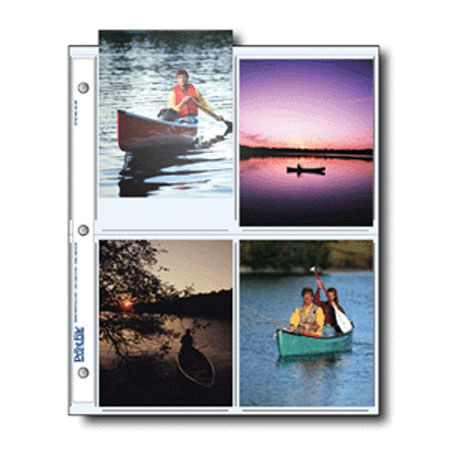
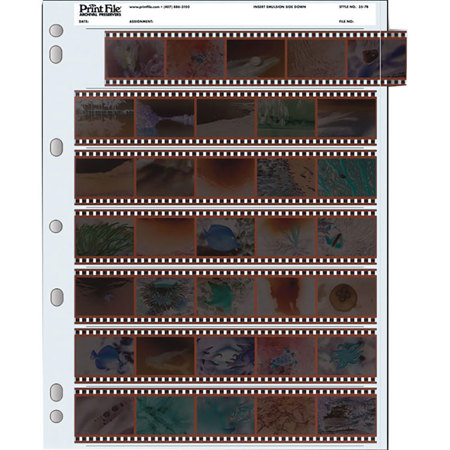
Developed film—negatives, slides, and prints—requires its own set of archival film storage considerations. The longevity of these materials hinges on their protection from environmental stressors and chemical contaminants. Polypropylene or polyester (Mylar) sleeves are preferred for housing film strips, as they are inert and will not leach chemicals or trap moisture, unlike PVC, glassine, or standard paper envelopes. These sleeves should then be placed in acid-free, lignin-free archival storage boxes to further shield the film from dust, light, and atmospheric pollutants. For those living in regions with high humidity or frequent temperature swings, dry cabinets or climate-controlled storage can be invaluable in preventing the growth of mold, fungus, and the onset of vinegar syndrome—a form of chemical decay that particularly affects older acetate-based films. Keeping storage areas below 70°F (21°C) and maintaining relative humidity between 30% and 40% creates a stable environment that helps preserve both the visual and physical integrity of your film.
Archival film storage is essential for a wide range of users. Professional photographers and filmmakers rely on these solutions to protect their portfolios and commercial archives, while family historians and hobbyists use them to ensure that precious memories are passed down through generations. During the summer and fall, when people are often organizing, digitizing, or sharing their film collections, these products also make thoughtful gifts for anyone passionate about analog photography—whether they’re just starting out or have been shooting for decades. From carefully cutting and sleeving 35mm and medium format rolls to sorting and labeling negatives for easy retrieval, the right storage accessories make the process intuitive and reliable. For those seeking to upgrade their archival practices, a comprehensive selection of storage envelopes and containers can be found on our dedicated page for Archival Photo Storage Envelopes. Choosing the correct archival film storage not only preserves your creative legacy but also keeps your memories vivid and accessible for years to come.
Developed film—negatives, slides, and prints—requires its own set of archival film storage considerations. The longevity of these materials hinges on their protection from environmental stressors and chemical contaminants. Polypropylene or polyester (Mylar) sleeves are preferred for housing film strips, as they are inert and will not leach chemicals or trap moisture, unlike PVC, glassine, or standard paper envelopes. These sleeves should then be placed in acid-free, lignin-free archival storage boxes to further shield the film from dust, light, and atmospheric pollutants. For those living in regions with high humidity or frequent temperature swings, dry cabinets or climate-controlled storage can be invaluable in preventing the growth of mold, fungus, and the onset of vinegar syndrome—a form of chemical decay that particularly affects older acetate-based films. Keeping storage areas below 70°F (21°C) and maintaining relative humidity between 30% and 40% creates a stable environment that helps preserve both the visual and physical integrity of your film.
Archival film storage is essential for a wide range of users. Professional photographers and filmmakers rely on these solutions to protect their portfolios and commercial archives, while family historians and hobbyists use them to ensure that precious memories are passed down through generations. During the summer and fall, when people are often organizing, digitizing, or sharing their film collections, these products also make thoughtful gifts for anyone passionate about analog photography—whether they’re just starting out or have been shooting for decades. From carefully cutting and sleeving 35mm and medium format rolls to sorting and labeling negatives for easy retrieval, the right storage accessories make the process intuitive and reliable. For those seeking to upgrade their archival practices, a comprehensive selection of storage envelopes and containers can be found on our dedicated page for Archival Photo Storage Envelopes. Choosing the correct archival film storage not only preserves your creative legacy but also keeps your memories vivid and accessible for years to come.