

Archival Paper for Art Prints
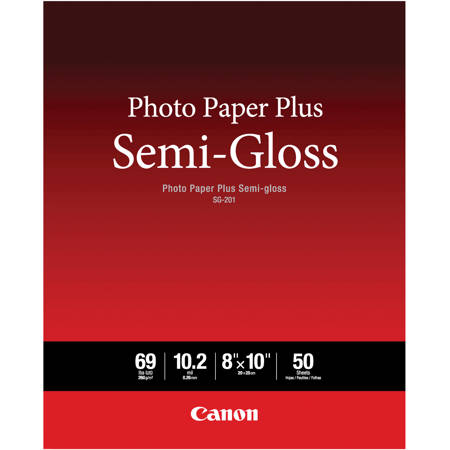
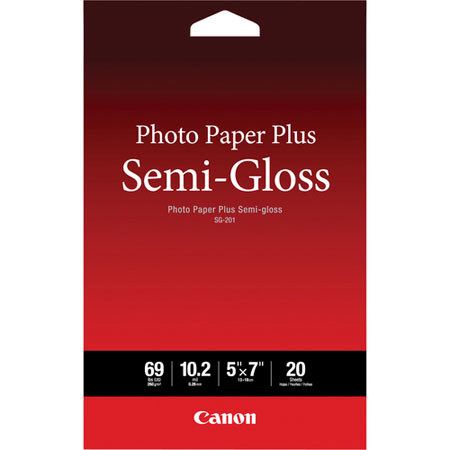
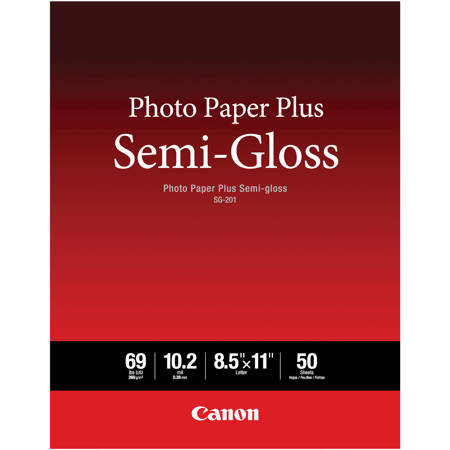
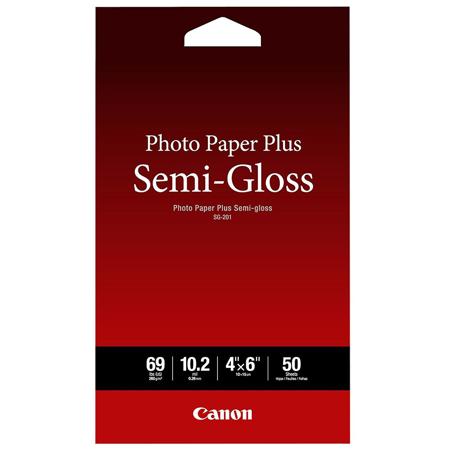
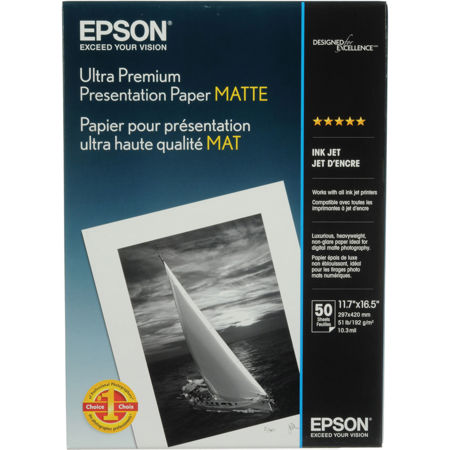
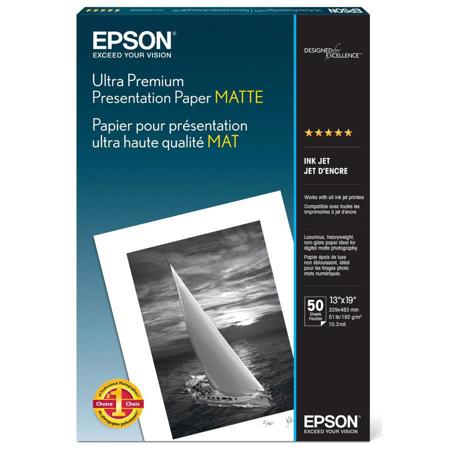
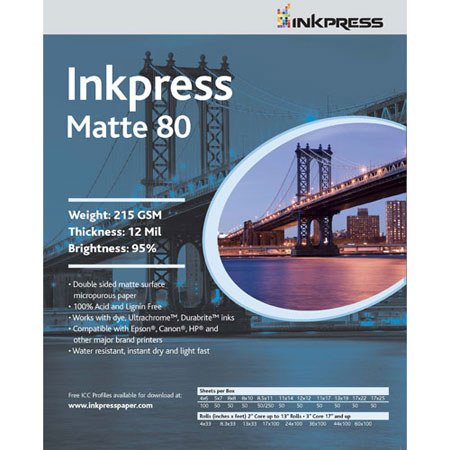
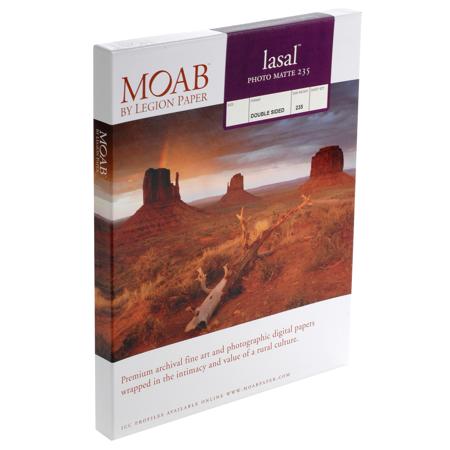
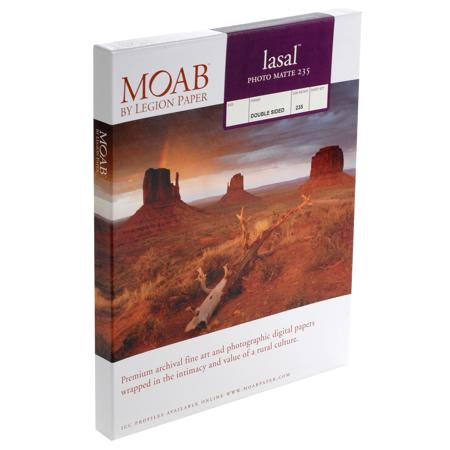
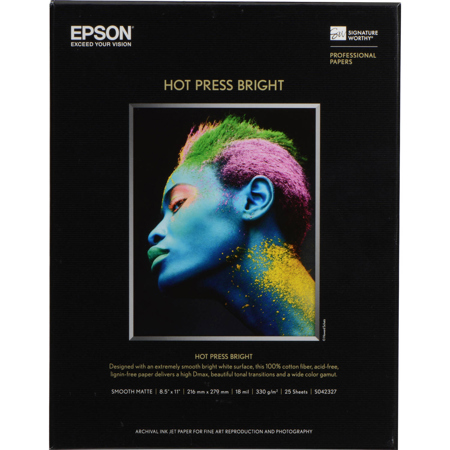
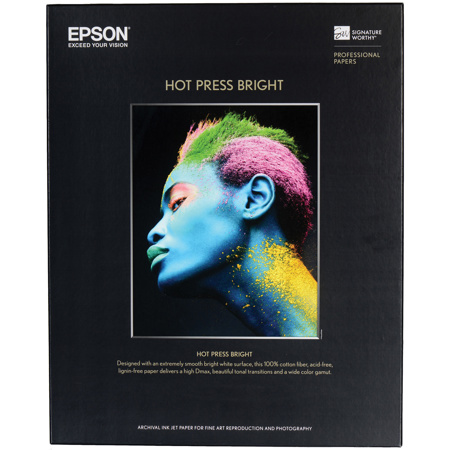
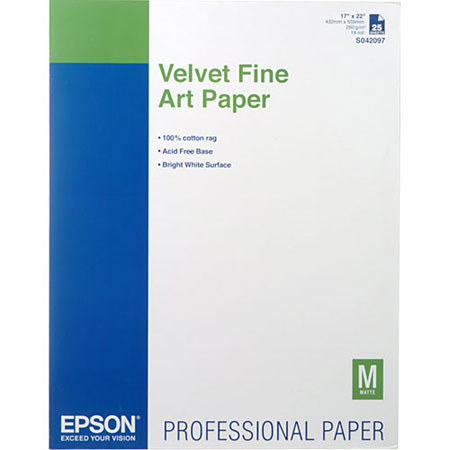
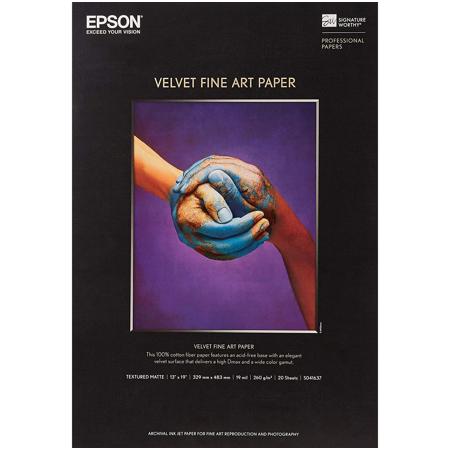
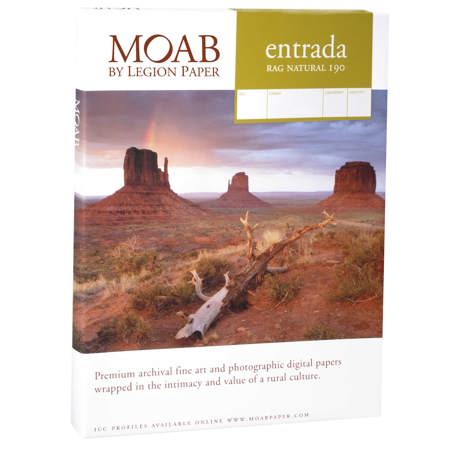
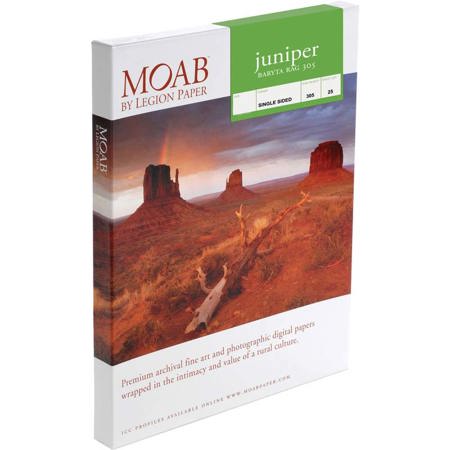
When it comes to preserving the vivid beauty and intricate details of your artwork or photography, the choice of archival art paper is as crucial as the creative process itself. Archival paper for art prints is meticulously engineered to meet the highest standards of longevity and image fidelity, making it an essential investment for artists, photographers, galleries, and collectors alike. These papers are crafted to be acid-free and lignin-free, ensuring they resist yellowing, fading, and deterioration even after decades on display or in storage. Many archival art papers are made from 100% cotton rag or high-quality alpha-cellulose fibers, offering a tactile richness and durability that enhances both the look and feel of finished prints. The pH-neutral composition maintains color accuracy and prevents chemical reactions that could degrade the work over time. During the winter months, when humidity levels can fluctuate and indoor heating may dry out the air, the stability of archival paper becomes even more important for safeguarding your prints—whether you’re preparing a new portfolio, gifting a cherished photograph, or mounting a fine art reproduction for an exhibition.
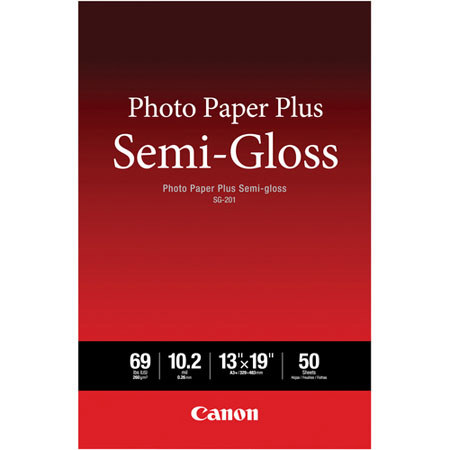
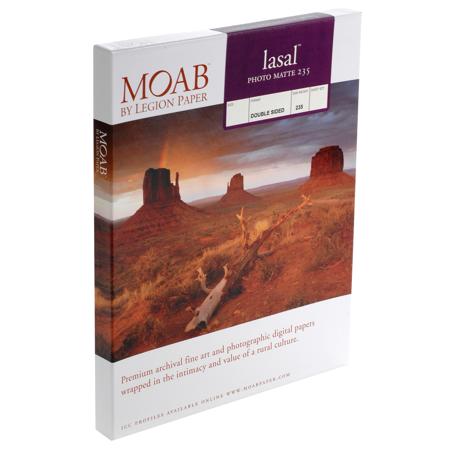
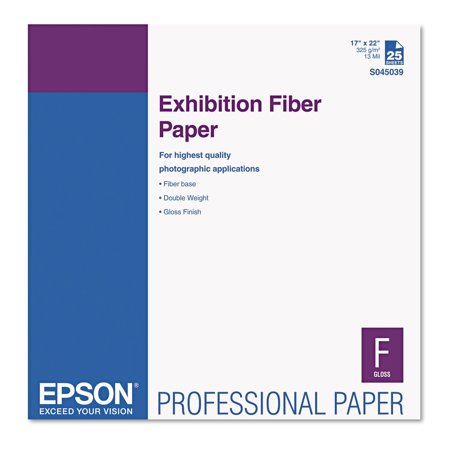
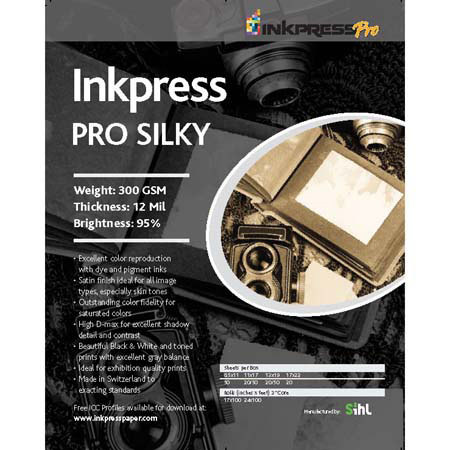
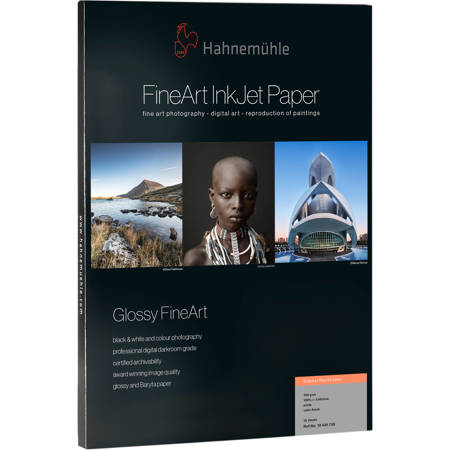
Selecting the right archival art paper involves considering not only the technical specifications but also the aesthetic qualities that best complement your creative vision. Artists who specialize in watercolor or mixed media often gravitate toward textured cotton rag papers, which provide a luxurious surface and subtle depth, reminiscent of traditional handmade sheets. Photographers, on the other hand, may prefer the crisp definition and non-reflective surface of smooth matte papers, or the dramatic contrast and depth offered by baryta and luster finishes. The weight and thickness of the paper are also critical—heavier papers (typically 230gsm and above) lend a substantial, gallery-quality feel to larger prints and help prevent buckling or warping, especially important in dry winter air. For those working on a budget or printing smaller works, lighter-weight matte papers can still deliver archival-quality results, provided they are handled and stored with care. Regardless of the medium or subject, choosing OBA-free papers (those without optical brightening agents) will ensure your prints retain their original vibrancy without the risk of color shifts or yellowing over time.
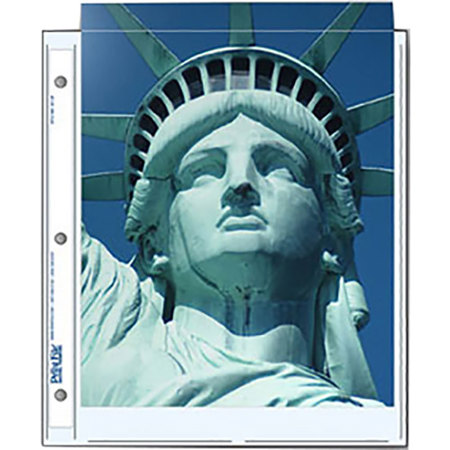
Archival art paper is not only a practical choice for professionals but also a thoughtful and meaningful gift for anyone passionate about art, photography, or preserving family memories. Imagine presenting a loved one with a beautifully printed portrait on sumptuous, museum-grade paper—an heirloom that will be treasured for generations. Art students, hobbyists, and seasoned creators alike can elevate their work by printing on archival paper, whether for portfolio reviews, gallery shows, or simply to enjoy at home. To further protect your investment, consider pairing your prints with proper storage solutions like Archival Sleeves for Prints to shield them from dust, fingerprints, and environmental fluctuations. By choosing the right archival art paper, you’re not just making a purchase—you’re making a commitment to the enduring power of your art, ensuring every detail remains as compelling and vibrant as the day it was created.
Selecting the right archival art paper involves considering not only the technical specifications but also the aesthetic qualities that best complement your creative vision. Artists who specialize in watercolor or mixed media often gravitate toward textured cotton rag papers, which provide a luxurious surface and subtle depth, reminiscent of traditional handmade sheets. Photographers, on the other hand, may prefer the crisp definition and non-reflective surface of smooth matte papers, or the dramatic contrast and depth offered by baryta and luster finishes. The weight and thickness of the paper are also critical—heavier papers (typically 230gsm and above) lend a substantial, gallery-quality feel to larger prints and help prevent buckling or warping, especially important in dry winter air. For those working on a budget or printing smaller works, lighter-weight matte papers can still deliver archival-quality results, provided they are handled and stored with care. Regardless of the medium or subject, choosing OBA-free papers (those without optical brightening agents) will ensure your prints retain their original vibrancy without the risk of color shifts or yellowing over time.
Archival art paper is not only a practical choice for professionals but also a thoughtful and meaningful gift for anyone passionate about art, photography, or preserving family memories. Imagine presenting a loved one with a beautifully printed portrait on sumptuous, museum-grade paper—an heirloom that will be treasured for generations. Art students, hobbyists, and seasoned creators alike can elevate their work by printing on archival paper, whether for portfolio reviews, gallery shows, or simply to enjoy at home. To further protect your investment, consider pairing your prints with proper storage solutions like Archival Sleeves for Prints to shield them from dust, fingerprints, and environmental fluctuations. By choosing the right archival art paper, you’re not just making a purchase—you’re making a commitment to the enduring power of your art, ensuring every detail remains as compelling and vibrant as the day it was created.