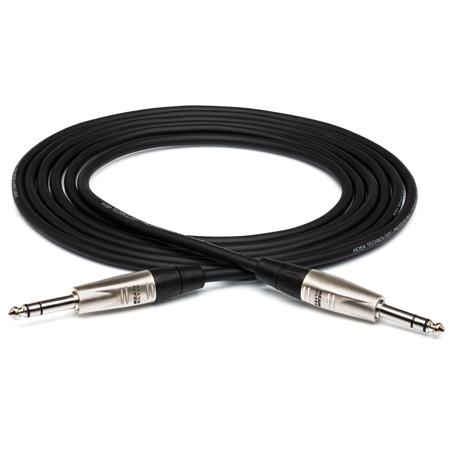
Audio Interface Cables
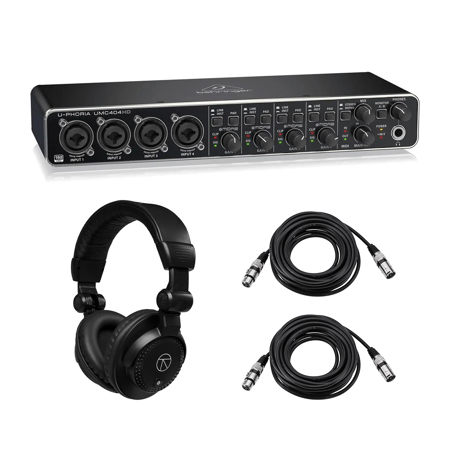
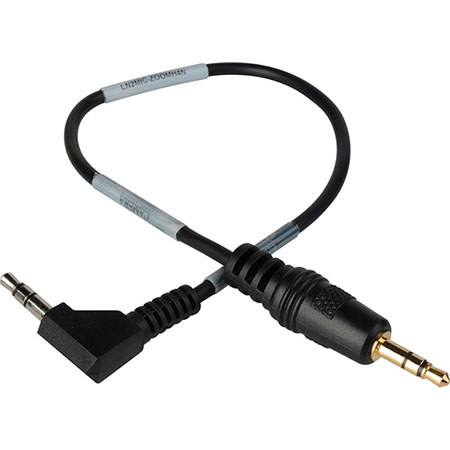
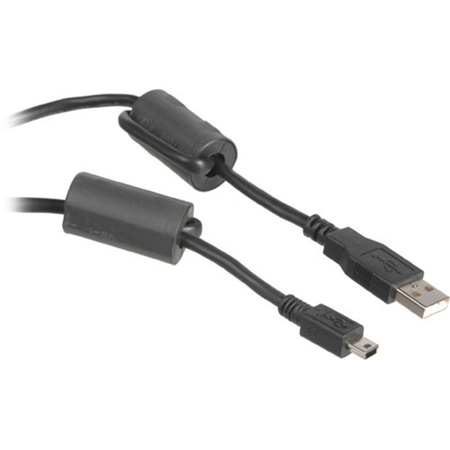
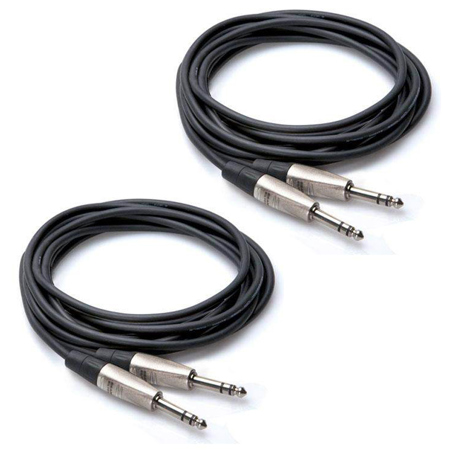
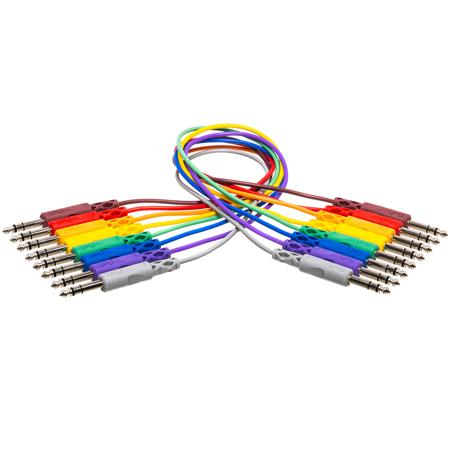
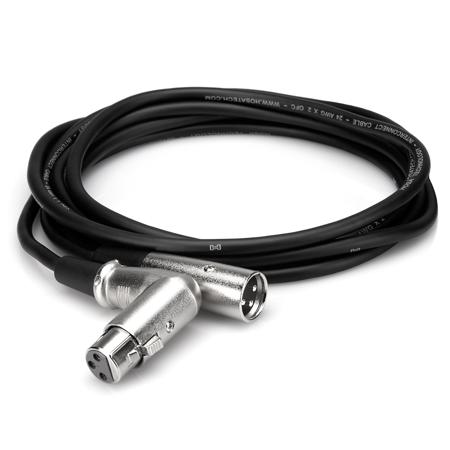
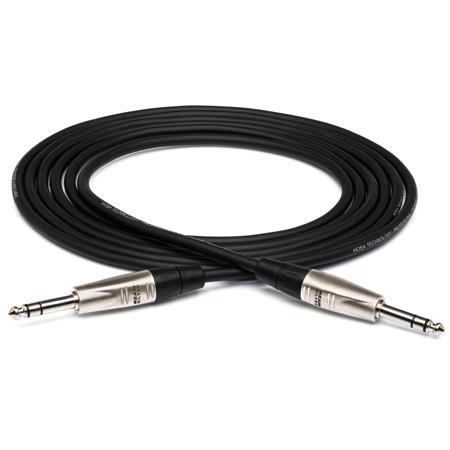
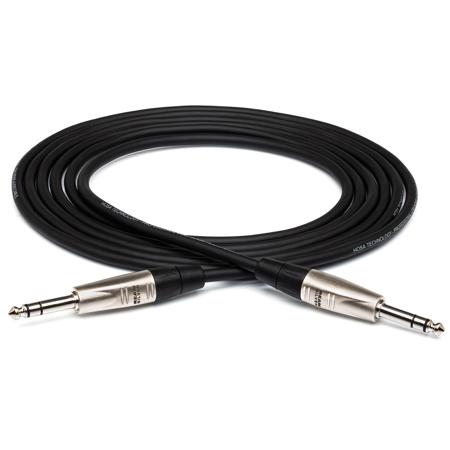
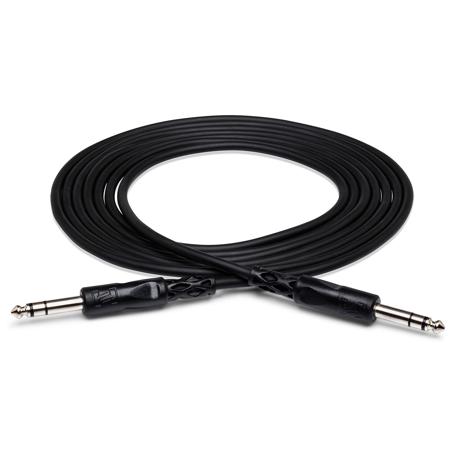
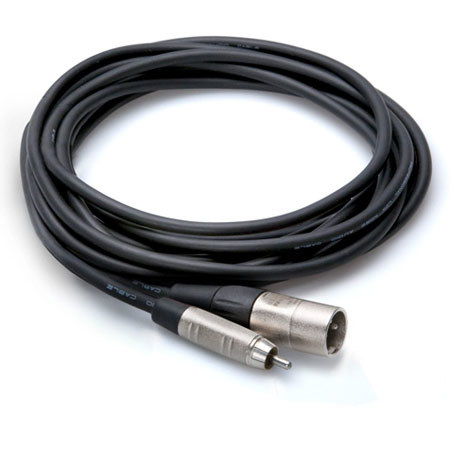
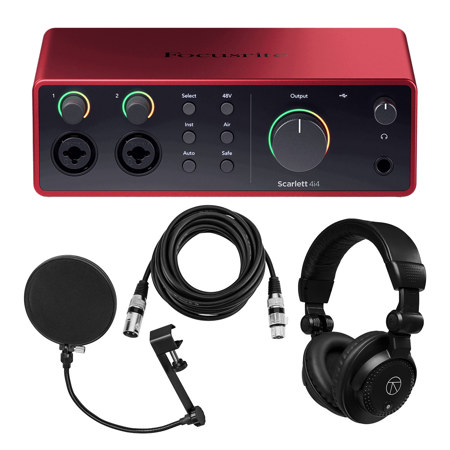
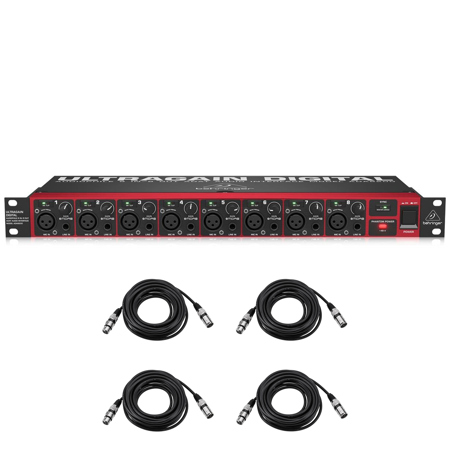
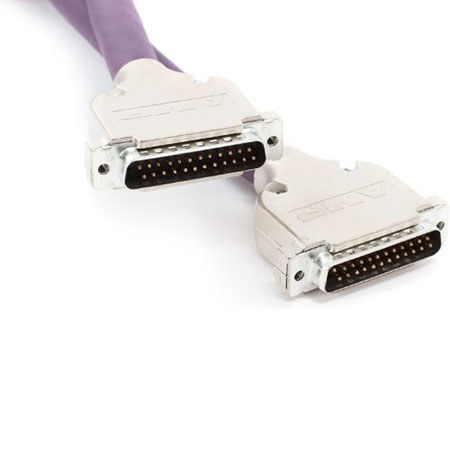
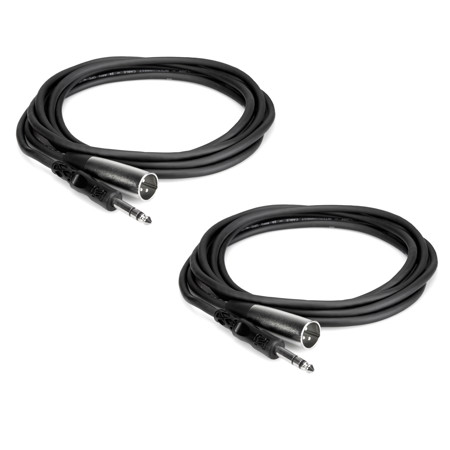
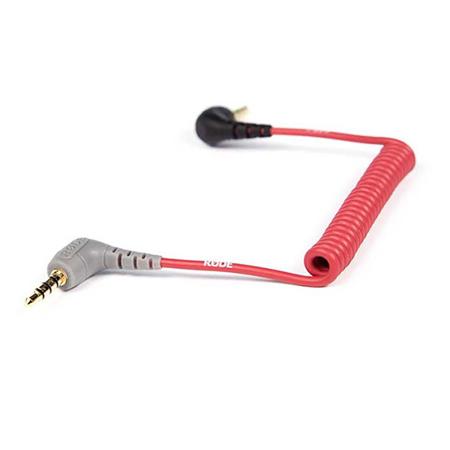
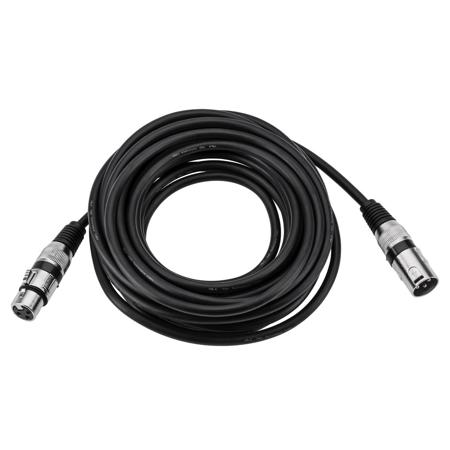
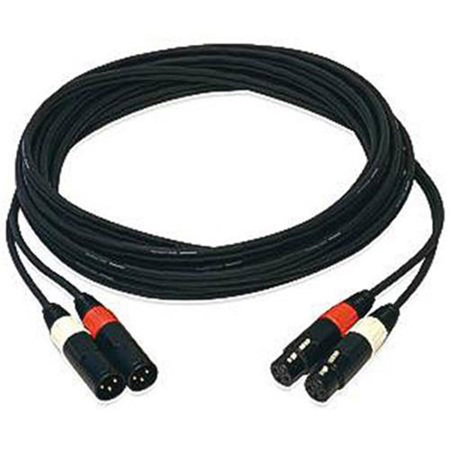
When building or upgrading a home studio, rehearsal space, or live sound rig, audio interface cables become the crucial lifelines connecting your creativity to the world. Whether you’re a musician laying down tracks in a cozy bedroom setup, a podcaster capturing crisp dialogue, or a producer fine-tuning mixes late into the winter evenings, the quality and type of cables you choose can make a real difference in your workflow and final results. Audio interface cables come in a variety of forms, each designed for specific connections: USB cables (Type-A, B, or C) for linking your interface to a computer, XLR cables for microphones that demand balanced, noise-resistant signals, and 1/4" TRS or TS cables for studio monitors, instruments, or line-level gear. For those working with digital audio, options like S/PDIF (RCA or Optical) and DB25 snakes allow for multi-channel setups, making them indispensable for more complex studios or live performance environments. The winter season, with its quieter, introspective pace, is often when many artists and engineers take the time to upgrade their setups, fine-tune their gear, or even gift high-quality cables to fellow creators—a thoughtful gesture that can have a lasting impact on someone’s sound.
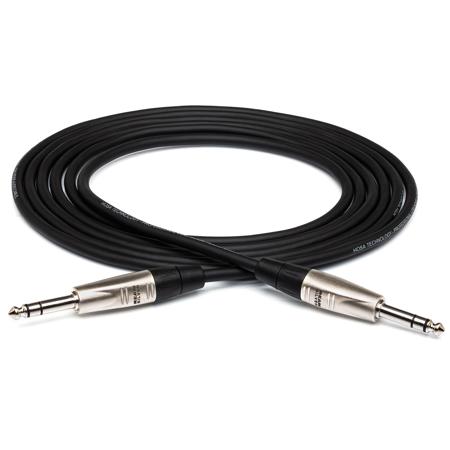
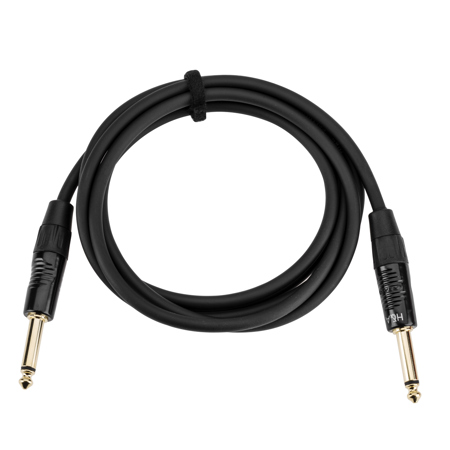
Selecting the right audio interface cables is about more than just matching connectors; it’s about ensuring reliable, pristine signal flow and minimizing unwanted noise or interference. Balanced cables like XLR and TRS are ideal for longer runs, such as connecting studio monitors across a room or routing microphones in rehearsal spaces, as they help reject hum and electromagnetic interference—especially important in environments crowded with electronic devices. Unbalanced TS cables, commonly used for guitars, basses, and some keyboards, are best kept to shorter distances to preserve clarity. In all cases, the construction quality of the cable matters: look for features like oxygen-free copper (OFC) conductors, which provide excellent conductivity and durability, and robust shielding to guard against signal degradation. These details become particularly relevant during the colder months, when static and environmental factors can subtly affect sensitive audio gear. For those delving into digital recording or multi-channel setups, understanding the requirements for S/PDIF, ADAT, or DB25 connections ensures seamless integration with modern interfaces and outboard equipment. If you’re exploring more comprehensive solutions or seeking to expand your studio’s potential, you can also browse a wider selection of Audio Connector Cables for every possible application.
Audio interface cables are not just for seasoned professionals—they’re equally vital for beginners, students, and anyone looking to get the most out of their audio gear. They make practical and appreciated gifts for aspiring musicians, streamers, or content creators, especially during the new year when many are setting up fresh projects or tackling resolutions to create more. A well-chosen cable can eliminate frustrating troubleshooting, allowing you to focus on the music, the mix, or the message you’re trying to share. When you invest in cables that match your interface and gear—whether that means a rugged USB-C for your laptop, a flexible XLR for your favorite mic, or a high-quality TRS for your monitors—you’re investing in the reliability and integrity of your entire signal chain. With the right cables, every detail of your performance, every nuance of your voice, and every layer of your mix comes through exactly as intended.
Selecting the right audio interface cables is about more than just matching connectors; it’s about ensuring reliable, pristine signal flow and minimizing unwanted noise or interference. Balanced cables like XLR and TRS are ideal for longer runs, such as connecting studio monitors across a room or routing microphones in rehearsal spaces, as they help reject hum and electromagnetic interference—especially important in environments crowded with electronic devices. Unbalanced TS cables, commonly used for guitars, basses, and some keyboards, are best kept to shorter distances to preserve clarity. In all cases, the construction quality of the cable matters: look for features like oxygen-free copper (OFC) conductors, which provide excellent conductivity and durability, and robust shielding to guard against signal degradation. These details become particularly relevant during the colder months, when static and environmental factors can subtly affect sensitive audio gear. For those delving into digital recording or multi-channel setups, understanding the requirements for S/PDIF, ADAT, or DB25 connections ensures seamless integration with modern interfaces and outboard equipment. If you’re exploring more comprehensive solutions or seeking to expand your studio’s potential, you can also browse a wider selection of Audio Connector Cables for every possible application.
Audio interface cables are not just for seasoned professionals—they’re equally vital for beginners, students, and anyone looking to get the most out of their audio gear. They make practical and appreciated gifts for aspiring musicians, streamers, or content creators, especially during the new year when many are setting up fresh projects or tackling resolutions to create more. A well-chosen cable can eliminate frustrating troubleshooting, allowing you to focus on the music, the mix, or the message you’re trying to share. When you invest in cables that match your interface and gear—whether that means a rugged USB-C for your laptop, a flexible XLR for your favorite mic, or a high-quality TRS for your monitors—you’re investing in the reliability and integrity of your entire signal chain. With the right cables, every detail of your performance, every nuance of your voice, and every layer of your mix comes through exactly as intended.