Audio Interface For Microphones
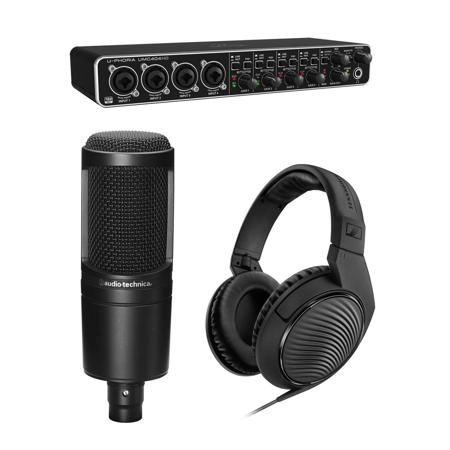
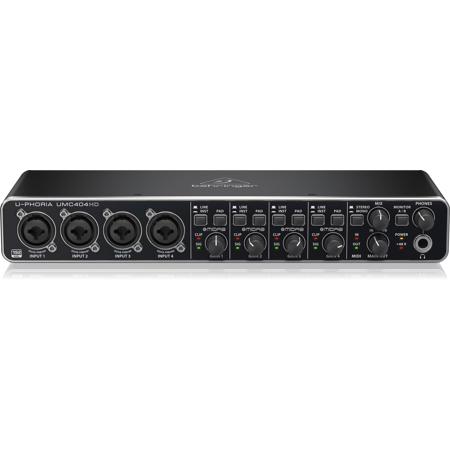
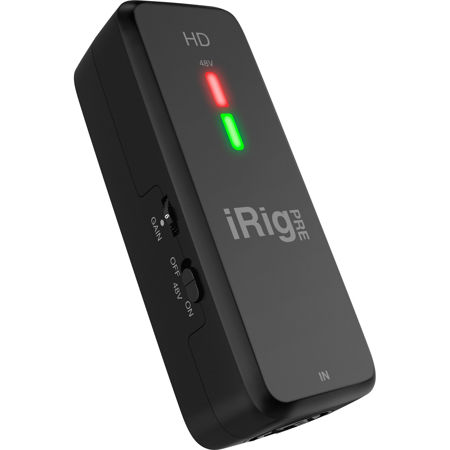
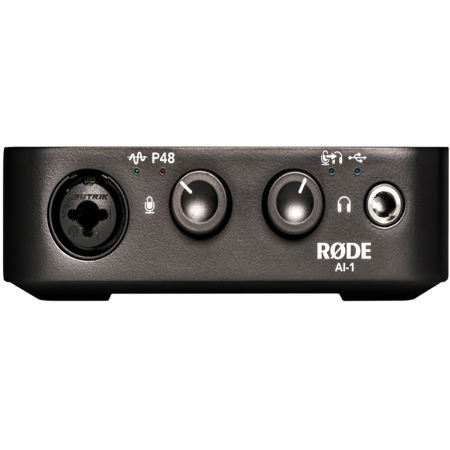
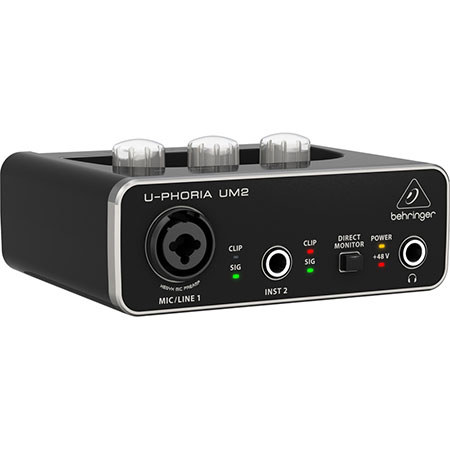
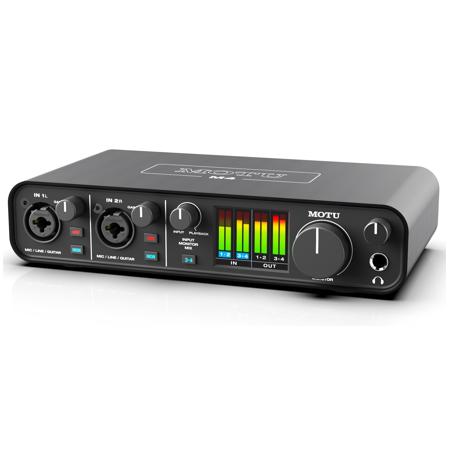
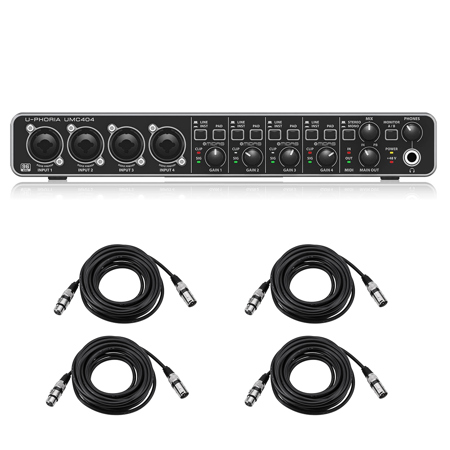
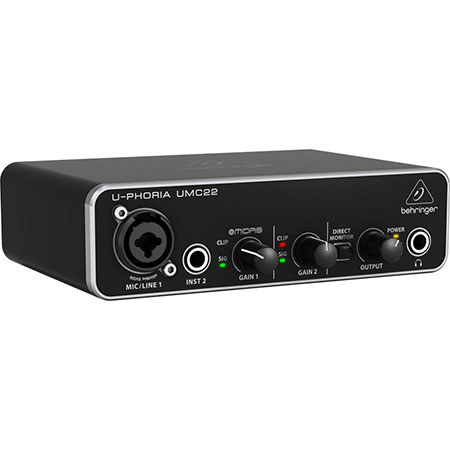
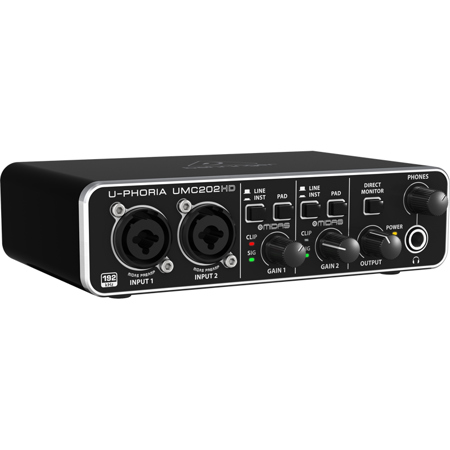
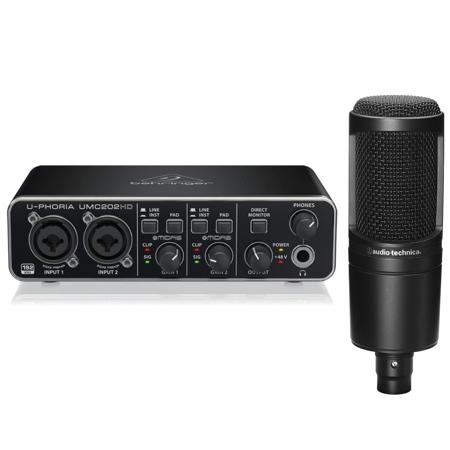
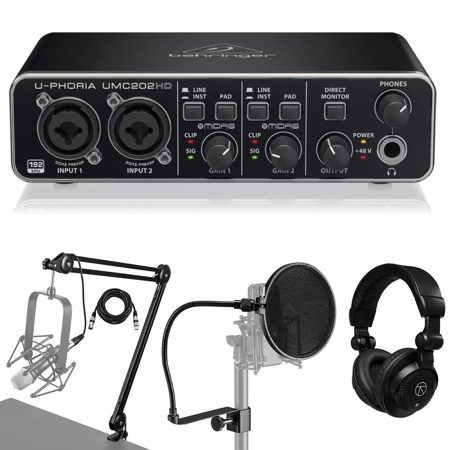
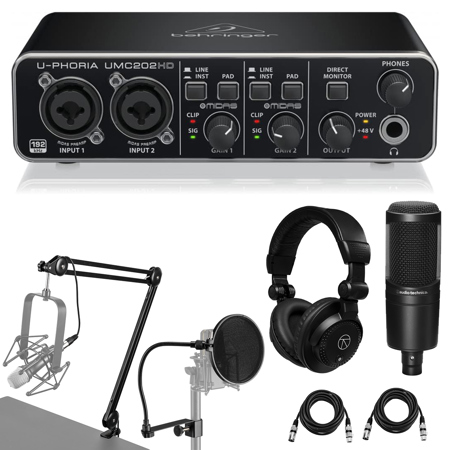
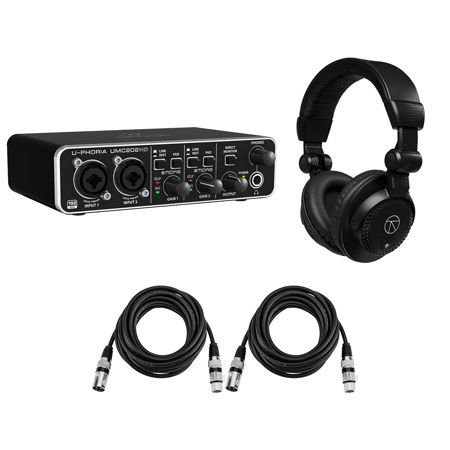
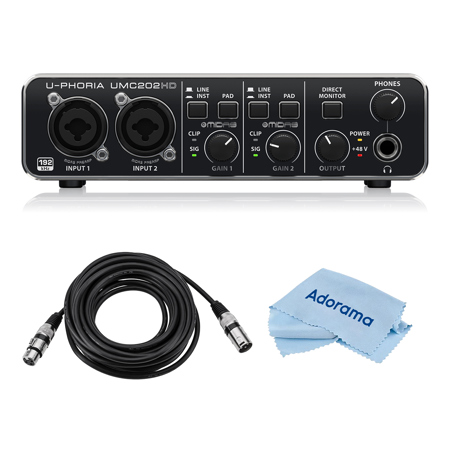
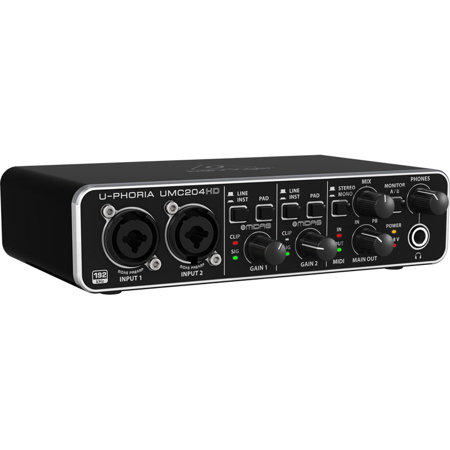
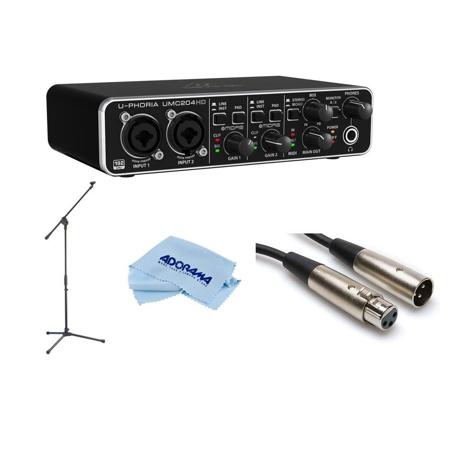
Selecting the right audio interface for microphones is an essential step for anyone looking to achieve professional-quality sound, whether you’re a musician laying down tracks in a home studio, a podcaster seeking clear and reliable vocal capture, or a content creator streaming live to audiences around the world. Audio interfaces serve as the bridge between your analog microphones and your digital recording devices, translating every nuance of your performance into pristine digital audio. As the days grow longer and creative projects shift from indoor sessions to open windows and fresh inspiration, many find this season the perfect time to upgrade their recording setup or gift a loved one the tools to bring their audio visions to life. An audio interface is an ideal gift for aspiring artists, students heading to college with dreams of starting a podcast, or seasoned professionals who need more channels and flexibility for multi-mic setups. With features like clean preamps, robust hardware controls, +48V phantom power for condenser microphones, and direct monitoring for zero-latency performance, today’s audio interfaces are designed to make the technical side of recording as seamless as possible.
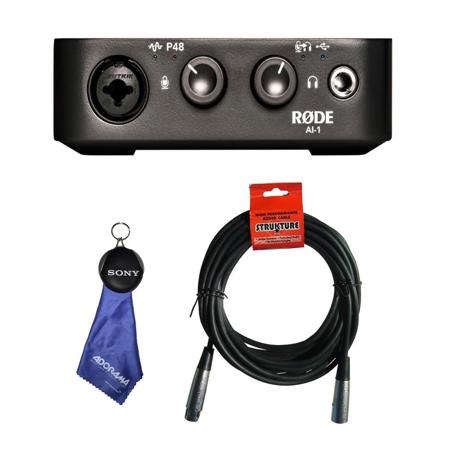
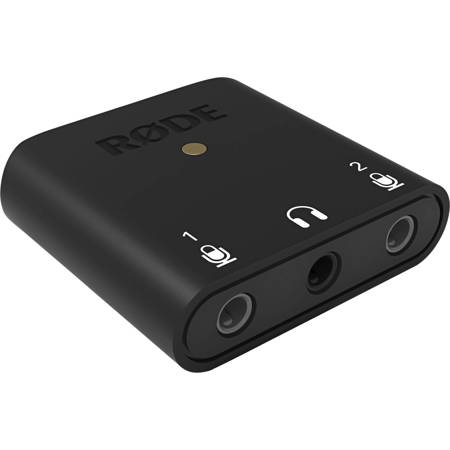
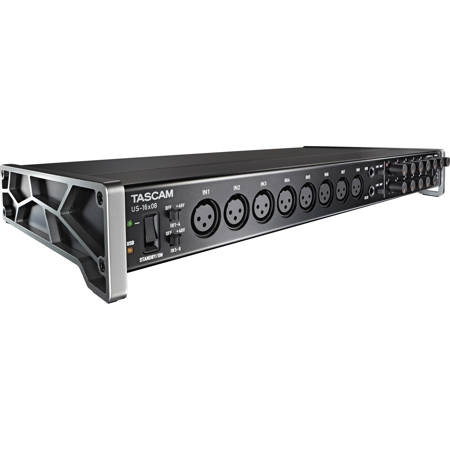
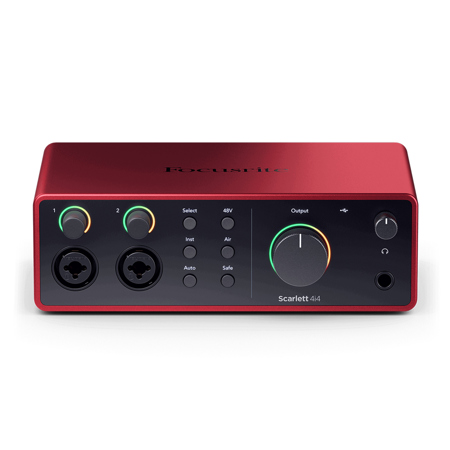
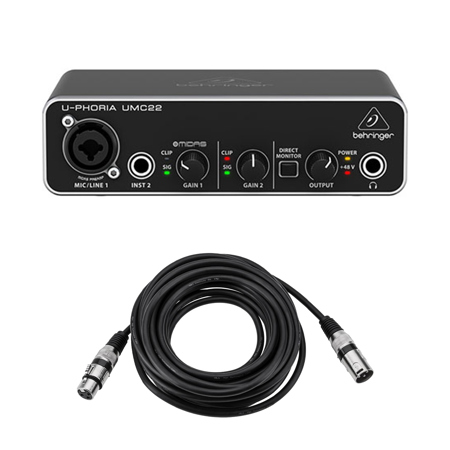
When considering which audio interface to choose, think about the number of inputs and outputs you’ll need. For solo vocalists or podcasters, a compact 2-in/2-out unit may be all that’s required, offering plug-and-play simplicity and portability. For those recording bands, podcasts with multiple guests, or complex musical arrangements, a 16 channel interface provides the flexibility to capture multiple sources simultaneously without compromise. Many modern audio interfaces are equipped with XLR combo jacks to accommodate both microphones and line-level instruments, making them versatile hubs for any creative workflow. Features like Auto-Gain, Air modes for enhanced vocal presence, and built-in digital signal processing can elevate your recordings, ensuring every take sounds polished and professional. As cooler evenings approach and creative communities gather indoors for jam sessions or collaborative projects, the ability to connect multiple microphones through a 16 channel audio interface becomes invaluable—whether you’re tracking a drum kit, hosting a roundtable discussion, or producing a live-streamed concert.
The right audio interface empowers creators to experiment and grow, removing technical barriers and allowing the focus to remain on performance and expression. From home studios tucked into city apartments to rehearsal spaces filled with the hum of anticipation, these devices are the backbone of modern audio production. If you’re interested in taking your content to the next level, especially in the world of streaming, explore our dedicated guide on Audio Interfaces For Streaming for tailored solutions and expert recommendations. No matter your experience level or recording environment, investing in a quality audio interface for microphones opens up a world of creative possibilities, ensuring your voice and music are captured with clarity and depth for listeners everywhere.
When considering which audio interface to choose, think about the number of inputs and outputs you’ll need. For solo vocalists or podcasters, a compact 2-in/2-out unit may be all that’s required, offering plug-and-play simplicity and portability. For those recording bands, podcasts with multiple guests, or complex musical arrangements, a 16 channel interface provides the flexibility to capture multiple sources simultaneously without compromise. Many modern audio interfaces are equipped with XLR combo jacks to accommodate both microphones and line-level instruments, making them versatile hubs for any creative workflow. Features like Auto-Gain, Air modes for enhanced vocal presence, and built-in digital signal processing can elevate your recordings, ensuring every take sounds polished and professional. As cooler evenings approach and creative communities gather indoors for jam sessions or collaborative projects, the ability to connect multiple microphones through a 16 channel audio interface becomes invaluable—whether you’re tracking a drum kit, hosting a roundtable discussion, or producing a live-streamed concert.
The right audio interface empowers creators to experiment and grow, removing technical barriers and allowing the focus to remain on performance and expression. From home studios tucked into city apartments to rehearsal spaces filled with the hum of anticipation, these devices are the backbone of modern audio production. If you’re interested in taking your content to the next level, especially in the world of streaming, explore our dedicated guide on Audio Interfaces For Streaming for tailored solutions and expert recommendations. No matter your experience level or recording environment, investing in a quality audio interface for microphones opens up a world of creative possibilities, ensuring your voice and music are captured with clarity and depth for listeners everywhere.