Audio Interfaces With DSP
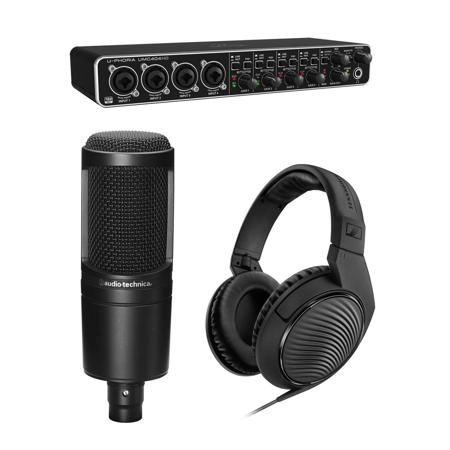
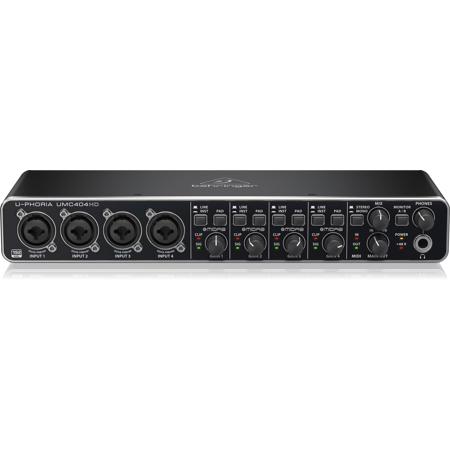
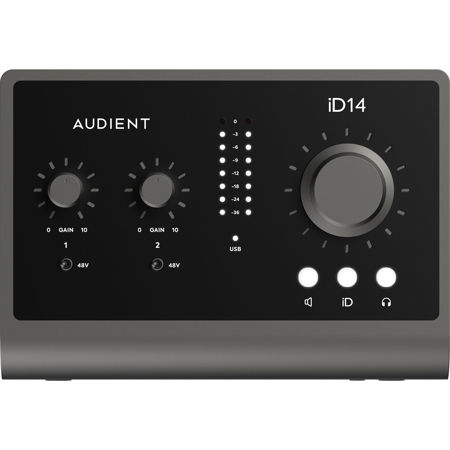
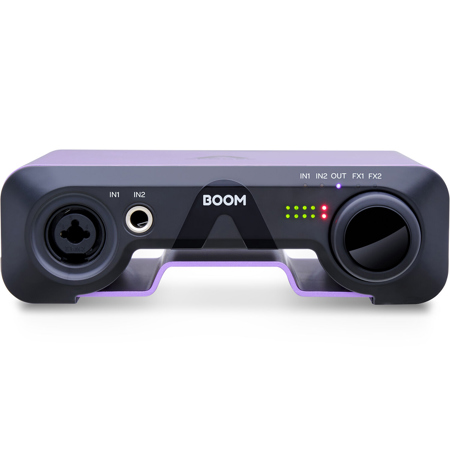
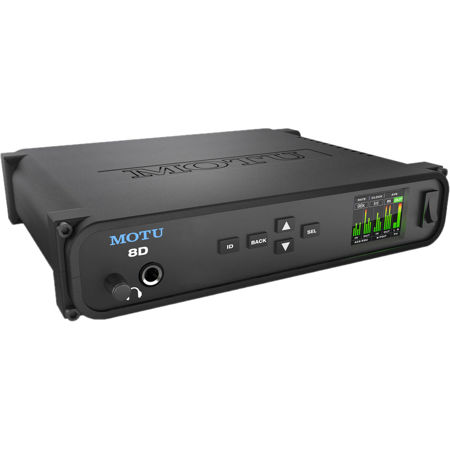
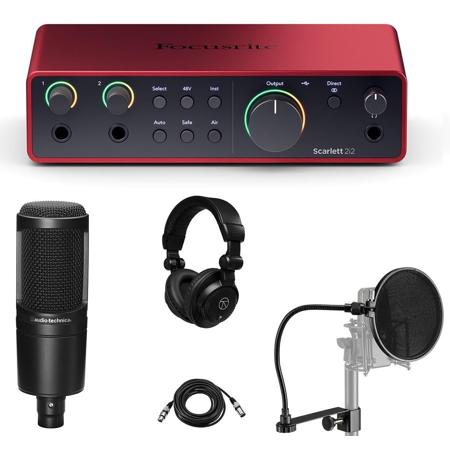
As the winter months settle in, many musicians, producers, and audio engineers find themselves drawn indoors, channeling their creativity into new projects and refining their craft. For those passionate about recording, mixing, or streaming, a dsp audio interface can be a transformative addition to any setup. The integration of onboard DSP (Digital Signal Processing) in these interfaces means that essential audio processing—such as EQ, compression, and reverb—can be handled directly within the interface itself, rather than relying solely on a computer’s CPU. This not only ensures near-zero latency monitoring but also frees up valuable computer resources for more demanding tasks during mixing and production. Whether you’re tracking vocals in a home studio, layering guitar takes for a new song, or managing several peered inputs during a live podcast, an audio interface with DSP offers a streamlined and professional solution. The result is a smoother workflow, allowing artists to focus more on the music and less on technical limitations.
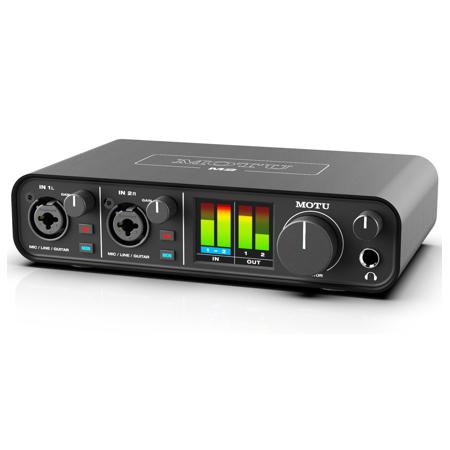
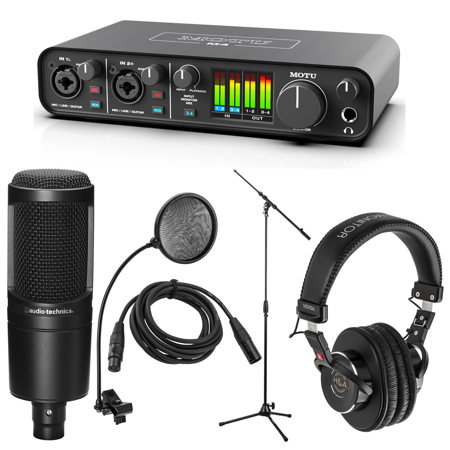
DSP meaning music goes beyond just technical jargon—it’s about capturing inspiration in the moment and making sure every nuance is preserved in the recording. For solo artists, having access to real-time effects and amp simulations directly on the interface can spark creativity, letting them experiment with different sounds without the frustration of latency or the need to commit effects permanently during tracking. Bands and ensembles benefit from the ability to send custom monitor mixes to each member, keeping everyone locked in and comfortable during long rehearsal or recording sessions. Podcasters and content creators find onboard DSP invaluable for achieving broadcast-quality sound, even in less-than-ideal acoustical environments. The monitor mission audio interface peered inputs feature is particularly useful for those managing multiple microphones or instruments simultaneously, ensuring that each source is captured with clarity and precision. These interfaces also make thoughtful and practical gifts for aspiring musicians, audio students, or anyone looking to take their sonic projects to the next level—especially during the colder months when creative pursuits often move indoors.
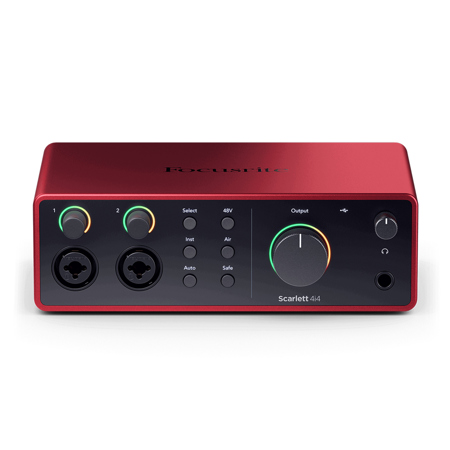
When considering which audio interface with DSP is right for your needs, it’s important to assess the number and type of inputs and outputs required, the flexibility of onboard effects, and the compatibility with your preferred digital audio workstation. Many modern interfaces are designed with portability in mind, making them ideal for both stationary studios and mobile recording rigs. For those new to digital recording, the intuitive control panels and visual feedback offered by DSP-equipped interfaces can make the technical aspects of audio production far more approachable. Seasoned professionals appreciate the reliability and consistency that comes from offloading processing tasks to dedicated hardware, particularly when working on complex sessions with multiple tracks and real-time effects. If you’re interested in exploring more options to enhance your studio or live sound setup, take a look at our curated selection of Audio Processing Hardware for additional tools and inspiration to elevate your audio experience.
DSP meaning music goes beyond just technical jargon—it’s about capturing inspiration in the moment and making sure every nuance is preserved in the recording. For solo artists, having access to real-time effects and amp simulations directly on the interface can spark creativity, letting them experiment with different sounds without the frustration of latency or the need to commit effects permanently during tracking. Bands and ensembles benefit from the ability to send custom monitor mixes to each member, keeping everyone locked in and comfortable during long rehearsal or recording sessions. Podcasters and content creators find onboard DSP invaluable for achieving broadcast-quality sound, even in less-than-ideal acoustical environments. The monitor mission audio interface peered inputs feature is particularly useful for those managing multiple microphones or instruments simultaneously, ensuring that each source is captured with clarity and precision. These interfaces also make thoughtful and practical gifts for aspiring musicians, audio students, or anyone looking to take their sonic projects to the next level—especially during the colder months when creative pursuits often move indoors.
When considering which audio interface with DSP is right for your needs, it’s important to assess the number and type of inputs and outputs required, the flexibility of onboard effects, and the compatibility with your preferred digital audio workstation. Many modern interfaces are designed with portability in mind, making them ideal for both stationary studios and mobile recording rigs. For those new to digital recording, the intuitive control panels and visual feedback offered by DSP-equipped interfaces can make the technical aspects of audio production far more approachable. Seasoned professionals appreciate the reliability and consistency that comes from offloading processing tasks to dedicated hardware, particularly when working on complex sessions with multiple tracks and real-time effects. If you’re interested in exploring more options to enhance your studio or live sound setup, take a look at our curated selection of Audio Processing Hardware for additional tools and inspiration to elevate your audio experience.