
Audio Networking
As audio technology continues to evolve, audio networking has become a cornerstone for professionals and enthusiasts seeking efficient, scalable, and high-quality sound distribution. Audio networking refers to the transport of multi-channel digital audio over standard computer networks, often using protocols such as Dante, AES67, and Ravenna. These solutions have revolutionized how sound is managed in environments ranging from live performance venues and recording studios to broadcast facilities and houses of worship. By leveraging Ethernet infrastructure, audio networking eliminates the need for bulky analog cables and complex patch bays, replacing them with streamlined network wiring and software-based routing. This not only simplifies setup and teardown, especially during the busier seasons of live events, but also offers flexibility for expanding or reconfiguring systems on the fly. For anyone involved in managing audio for concerts, corporate events, theater productions, or multi-room installations, the ability to add or reroute audio channels instantly—simply by connecting to a network switch—can make a world of difference. Even as the weather shifts from summer festivals to indoor gatherings and fall productions, the demand for reliable, low-latency audio networking remains strong, supporting everything from large-scale events to intimate studio sessions.
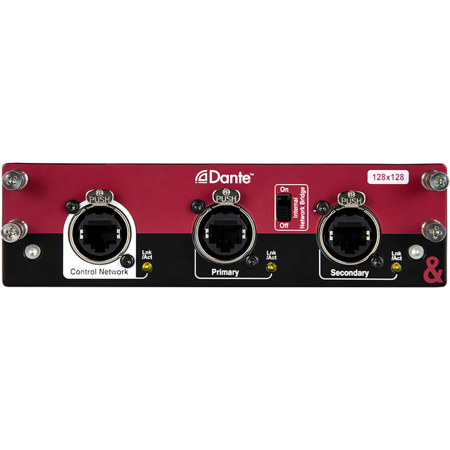
When considering audio networking equipment, it’s important to think about the specific needs of your workflow. For professionals working in broadcast or high-end studio environments, open standards like AES67 and Ravenna provide broad compatibility and future-proofing, while proprietary protocols such as Dante are prized for their ease of use and robust software ecosystems. Scalability is a major advantage—whether you’re expanding a permanent installation or setting up a temporary system for a seasonal event, audio networking allows for seamless integration of new devices without the hassle of rewiring. Low latency is another critical factor, especially for live sound engineers who need instantaneous audio delivery to avoid echoes and delays. For educators, houses of worship, and content creators, audio networking offers the ability to distribute clear, uncompressed sound throughout multiple rooms or locations, enhancing the experience for audiences and participants alike. These systems can also make thoughtful gifts for audio professionals or tech-savvy hobbyists looking to upgrade their home studios or streamline their live setups. As you explore the world of audio networking, you’ll discover a wide array of interfaces, network switches, and converters designed to fit every scenario, from simple two-room connections to complex, campus-wide installations. For a comprehensive selection of compatible devices and accessories, visit our curated collection of Audio Hardware to find solutions that keep your sound connected, wherever your projects take you.
When considering audio networking equipment, it’s important to think about the specific needs of your workflow. For professionals working in broadcast or high-end studio environments, open standards like AES67 and Ravenna provide broad compatibility and future-proofing, while proprietary protocols such as Dante are prized for their ease of use and robust software ecosystems. Scalability is a major advantage—whether you’re expanding a permanent installation or setting up a temporary system for a seasonal event, audio networking allows for seamless integration of new devices without the hassle of rewiring. Low latency is another critical factor, especially for live sound engineers who need instantaneous audio delivery to avoid echoes and delays. For educators, houses of worship, and content creators, audio networking offers the ability to distribute clear, uncompressed sound throughout multiple rooms or locations, enhancing the experience for audiences and participants alike. These systems can also make thoughtful gifts for audio professionals or tech-savvy hobbyists looking to upgrade their home studios or streamline their live setups. As you explore the world of audio networking, you’ll discover a wide array of interfaces, network switches, and converters designed to fit every scenario, from simple two-room connections to complex, campus-wide installations. For a comprehensive selection of compatible devices and accessories, visit our curated collection of Audio Hardware to find solutions that keep your sound connected, wherever your projects take you.