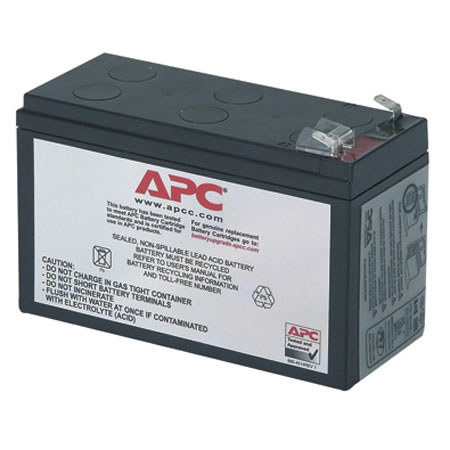
Backup Power For Medical Equipment
Ensuring a reliable backup power supply for healthcare devices is a crucial consideration for anyone who depends on medical equipment at home or in professional settings. As the weather warms and unpredictable storms or grid interruptions become more common, having a dependable backup system can make all the difference in maintaining the functionality of life-sustaining devices such as oxygen concentrators, ventilators, CPAP machines, and nebulizers. For individuals managing chronic conditions, families caring for loved ones with special medical needs, or caregivers supporting mobility and independence, the right backup power solution provides peace of mind and uninterrupted care. Medical professionals setting up home care environments, as well as those preparing for emergencies or natural disasters, often prioritize these systems as part of a comprehensive safety plan. During the cooler months, when outages can be caused by ice or wind, or in the heat of summer when rolling blackouts are a risk, backup power ensures that essential medical devices keep running smoothly, regardless of outside conditions.
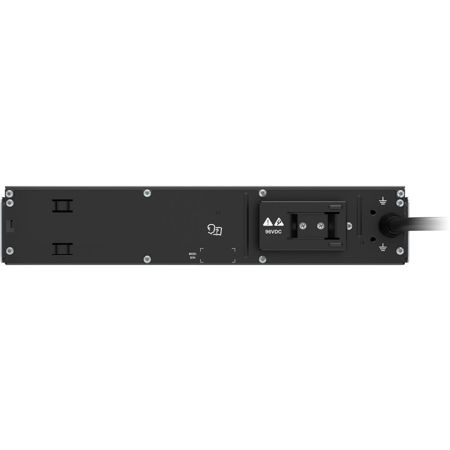
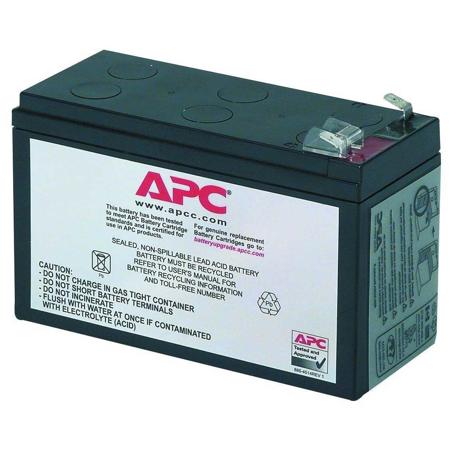
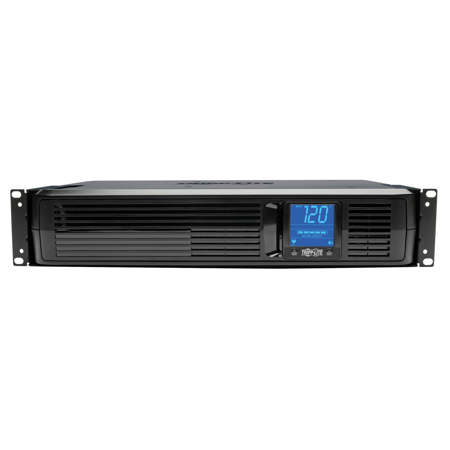
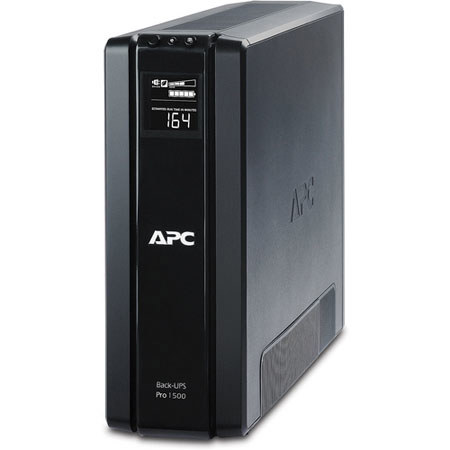
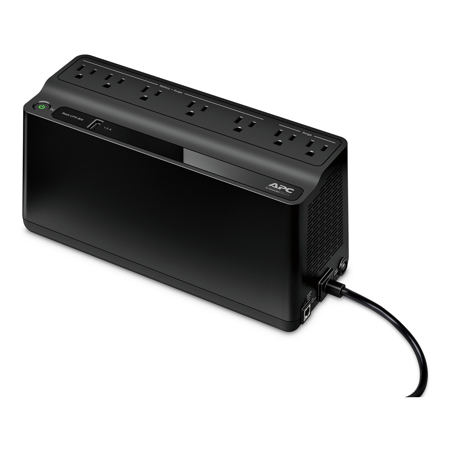
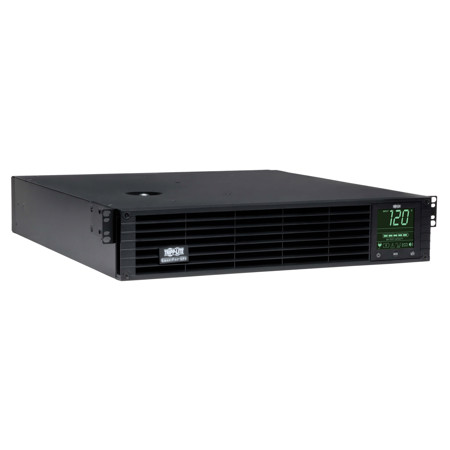
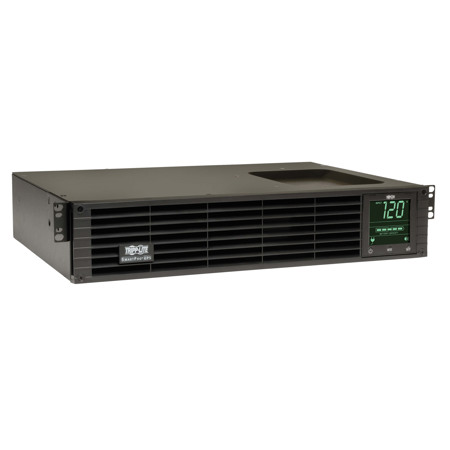
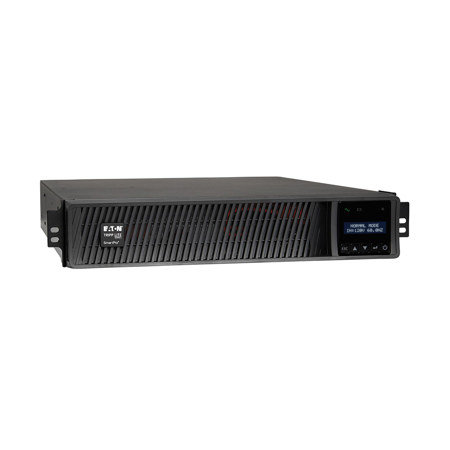
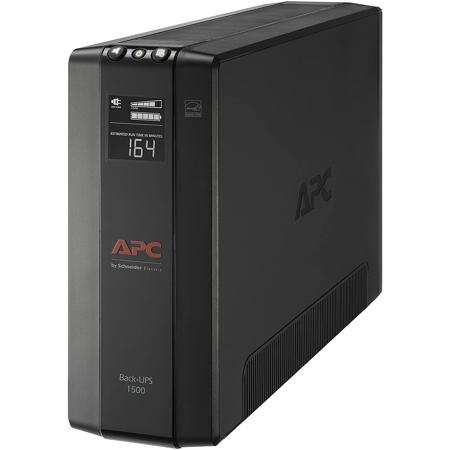
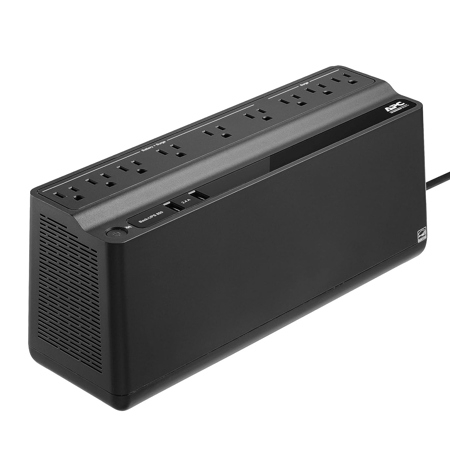
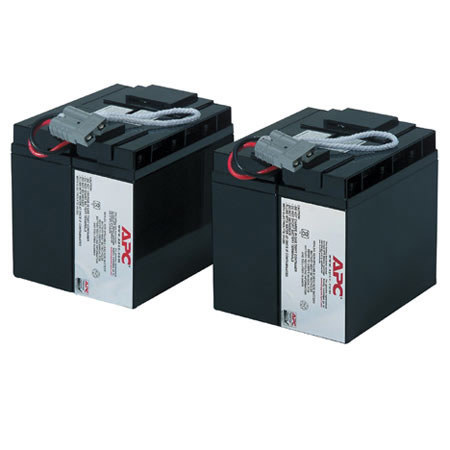
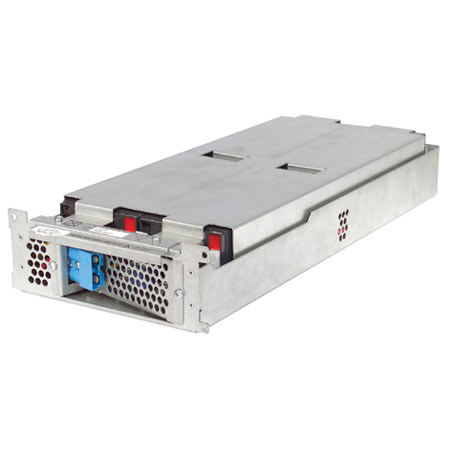
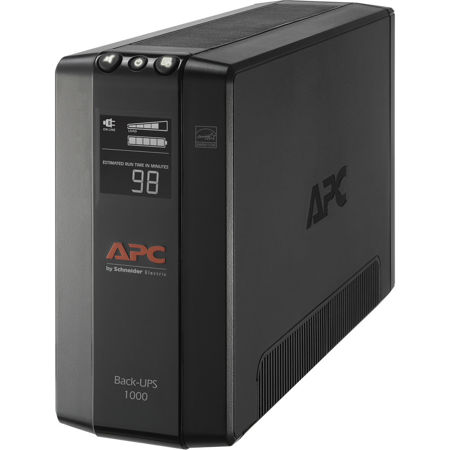
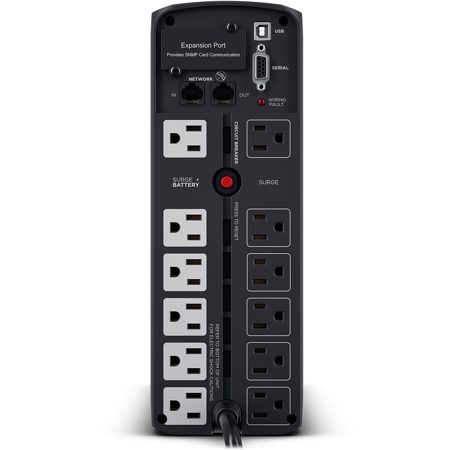
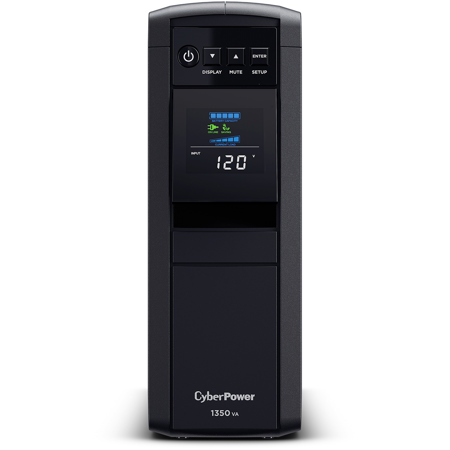
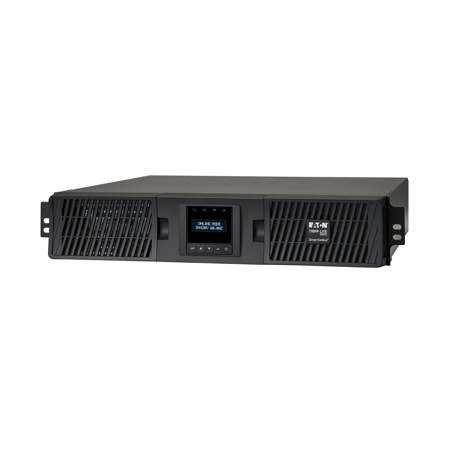
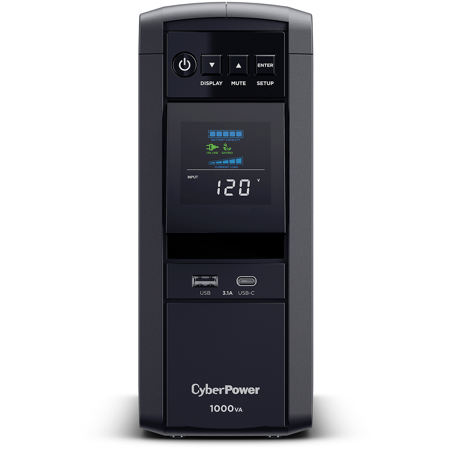
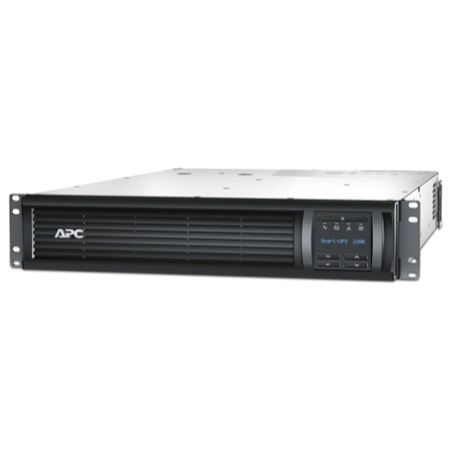
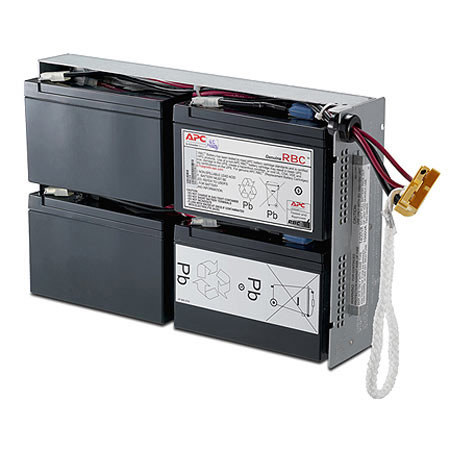
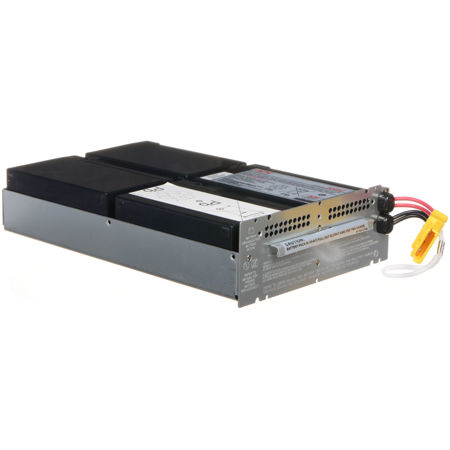
Selecting the appropriate backup power for medical equipment involves understanding the specific energy requirements of each device, as well as the duration of power needed during an outage. Smaller devices like CPAP machines or nebulizers typically require less wattage and can often be supported by compact uninterruptible power supply (UPS) units for short-term needs, bridging the gap until main power is restored. For larger equipment such as oxygen concentrators, or for those who need extended backup during longer outages, portable power stations or home generators may be necessary. These solutions can provide hours of sustained power and are often designed for quiet operation and easy mobility, making them ideal for both home and travel. When considering a backup power supply for healthcare devices, it's important to check the device's wattage, consult with your medical equipment provider for manufacturer-recommended options, and ensure compatibility with hospital-grade plugs or isolation transformers if required. Many people also choose to keep extra charged batteries on hand, along with an organized emergency kit that includes equipment manuals and emergency contact information, providing an added layer of preparedness for both planned and unexpected outages.
Backup power solutions for medical equipment are not just a practical purchase for personal use—they can also be a thoughtful and potentially life-saving gift for elderly relatives, friends managing chronic illnesses, or new parents caring for infants with special medical needs. As families gather for summer vacations or prepare for the school year, gifting a backup power system can offer reassurance and tangible support. For those seeking more detailed options or looking to compare different types of backup systems, our curated selection of Battery Backup Systems provides a range of choices to suit various devices and runtime requirements. Whether you're planning for short-term interruptions or long-term resilience, investing in a reliable backup power solution is an essential step toward safeguarding health and well-being in any season.
Selecting the appropriate backup power for medical equipment involves understanding the specific energy requirements of each device, as well as the duration of power needed during an outage. Smaller devices like CPAP machines or nebulizers typically require less wattage and can often be supported by compact uninterruptible power supply (UPS) units for short-term needs, bridging the gap until main power is restored. For larger equipment such as oxygen concentrators, or for those who need extended backup during longer outages, portable power stations or home generators may be necessary. These solutions can provide hours of sustained power and are often designed for quiet operation and easy mobility, making them ideal for both home and travel. When considering a backup power supply for healthcare devices, it's important to check the device's wattage, consult with your medical equipment provider for manufacturer-recommended options, and ensure compatibility with hospital-grade plugs or isolation transformers if required. Many people also choose to keep extra charged batteries on hand, along with an organized emergency kit that includes equipment manuals and emergency contact information, providing an added layer of preparedness for both planned and unexpected outages.
Backup power solutions for medical equipment are not just a practical purchase for personal use—they can also be a thoughtful and potentially life-saving gift for elderly relatives, friends managing chronic illnesses, or new parents caring for infants with special medical needs. As families gather for summer vacations or prepare for the school year, gifting a backup power system can offer reassurance and tangible support. For those seeking more detailed options or looking to compare different types of backup systems, our curated selection of Battery Backup Systems provides a range of choices to suit various devices and runtime requirements. Whether you're planning for short-term interruptions or long-term resilience, investing in a reliable backup power solution is an essential step toward safeguarding health and well-being in any season.