
Beamforming Technology Microphone
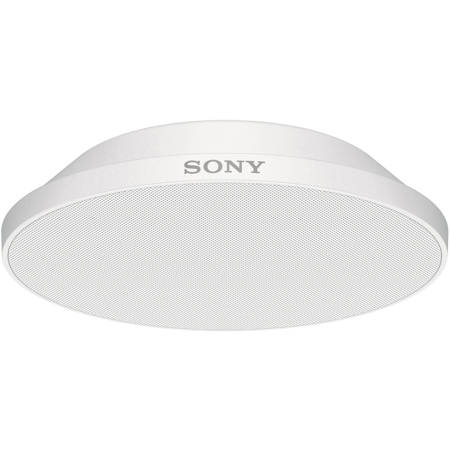
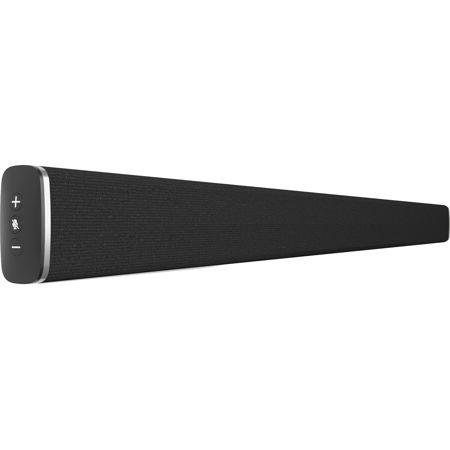
Beamforming technology microphones have rapidly become essential tools for anyone seeking precise, professional-grade audio capture in a variety of environments. Unlike traditional microphones that rely on physical design to determine directionality, a beamforming microphone leverages an array of microphone capsules and highly sophisticated digital signal processing. This technology allows the microphone to create a focused “beam” that isolates a speaker’s voice while actively suppressing ambient noise and unwanted sounds from other directions. The process works by analyzing the timing of sound waves as they reach each capsule in the array; the microphone’s internal processor aligns these signals so that the desired audio source is amplified, while background sounds are minimized or even canceled out. This makes microphone beamforming particularly valuable in settings where clarity and intelligibility are paramount—such as conference rooms, classrooms, live streaming studios, and even bustling home offices. For those who have wondered, “what is a beamforming microphone?”—it’s a leap forward in how we capture sound, offering a level of focus and adaptability that traditional designs simply can’t match.
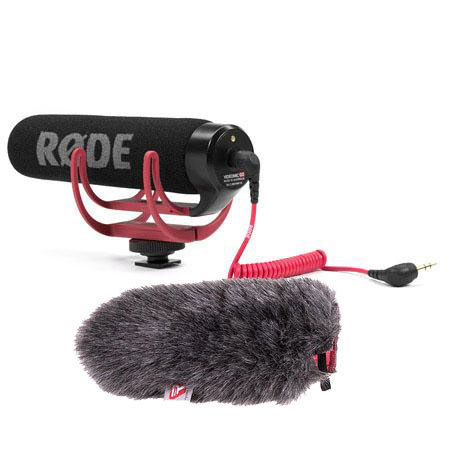
As the weather warms and gatherings move between indoor meetings and outdoor events, the versatility of beamforming array microphones shines. In collaborative workspaces or classrooms, these microphones can automatically track and isolate the active speaker, even as they move around the room. This dynamic coverage is a game-changer for hybrid meetings, remote learning, and panel discussions, ensuring every participant is heard clearly, no matter where they’re seated. Videographers and content creators also benefit from compact beam forming microphones that attach directly to cameras, allowing for on-the-go interviews or vlogs in unpredictable environments. The ability to switch between different pickup patterns or even create multiple simultaneous beams means these microphones adapt seamlessly to shifting needs—whether capturing a single presenter, a roundtable discussion, or a group conversation in a lively café. As the days grow cooler and activities move back indoors, the same technology enhances podcasting, voiceovers, and virtual family gatherings by delivering crisp, focused audio that elevates every interaction.
Beamforming microphones make thoughtful gifts for professionals and enthusiasts alike. They’re ideal for anyone upgrading a home office, outfitting a classroom, or looking to improve the production quality of their creative projects. Musicians, podcasters, and streamers will appreciate the clarity and flexibility, while business professionals benefit from noise suppression and hands-free operation in conference settings. For those exploring the world of advanced microphones, it’s helpful to compare different technologies to find the right fit. For example, those interested in capturing sound from two opposite directions may want to learn more about Bidirectional Microphones as a complementary option. Ultimately, beamforming technology microphones represent the cutting edge of audio capture, delivering the precision, adaptability, and noise isolation needed to meet the demands of modern communication and creativity—whether you’re presenting in a boardroom, teaching in a lecture hall, or recording your next big project at home.
As the weather warms and gatherings move between indoor meetings and outdoor events, the versatility of beamforming array microphones shines. In collaborative workspaces or classrooms, these microphones can automatically track and isolate the active speaker, even as they move around the room. This dynamic coverage is a game-changer for hybrid meetings, remote learning, and panel discussions, ensuring every participant is heard clearly, no matter where they’re seated. Videographers and content creators also benefit from compact beam forming microphones that attach directly to cameras, allowing for on-the-go interviews or vlogs in unpredictable environments. The ability to switch between different pickup patterns or even create multiple simultaneous beams means these microphones adapt seamlessly to shifting needs—whether capturing a single presenter, a roundtable discussion, or a group conversation in a lively café. As the days grow cooler and activities move back indoors, the same technology enhances podcasting, voiceovers, and virtual family gatherings by delivering crisp, focused audio that elevates every interaction.
Beamforming microphones make thoughtful gifts for professionals and enthusiasts alike. They’re ideal for anyone upgrading a home office, outfitting a classroom, or looking to improve the production quality of their creative projects. Musicians, podcasters, and streamers will appreciate the clarity and flexibility, while business professionals benefit from noise suppression and hands-free operation in conference settings. For those exploring the world of advanced microphones, it’s helpful to compare different technologies to find the right fit. For example, those interested in capturing sound from two opposite directions may want to learn more about Bidirectional Microphones as a complementary option. Ultimately, beamforming technology microphones represent the cutting edge of audio capture, delivering the precision, adaptability, and noise isolation needed to meet the demands of modern communication and creativity—whether you’re presenting in a boardroom, teaching in a lecture hall, or recording your next big project at home.