Buffered Bypass Pedals
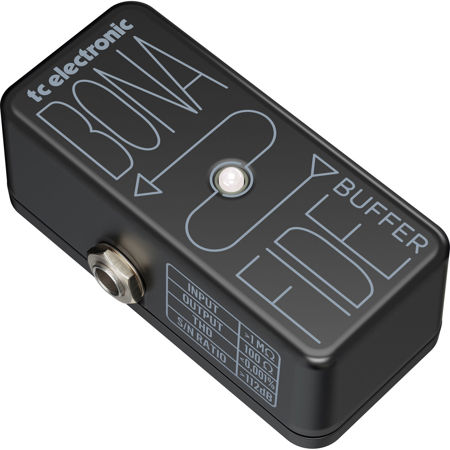
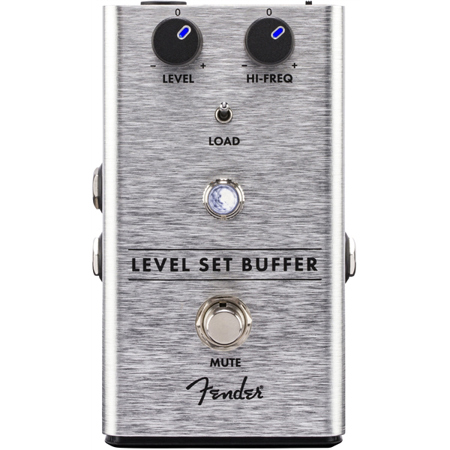
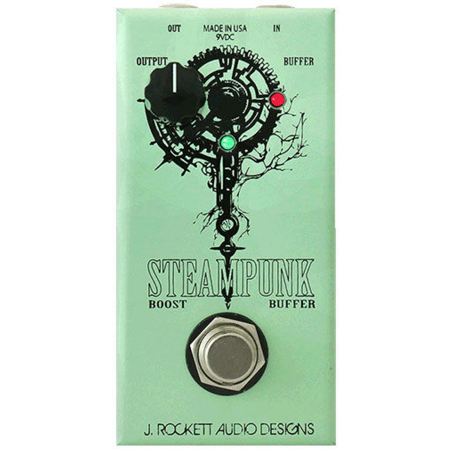
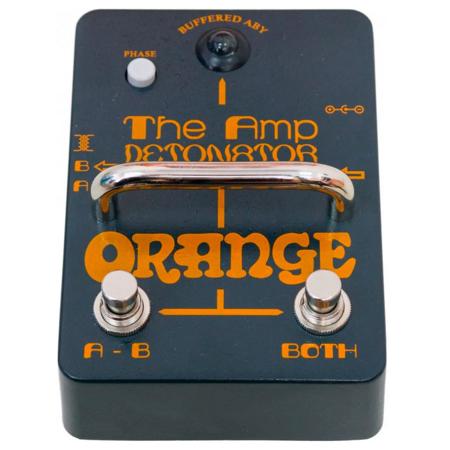
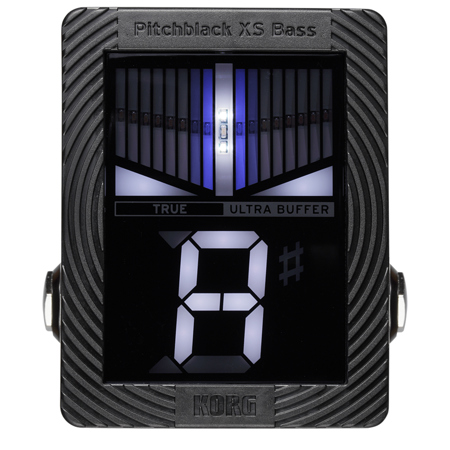
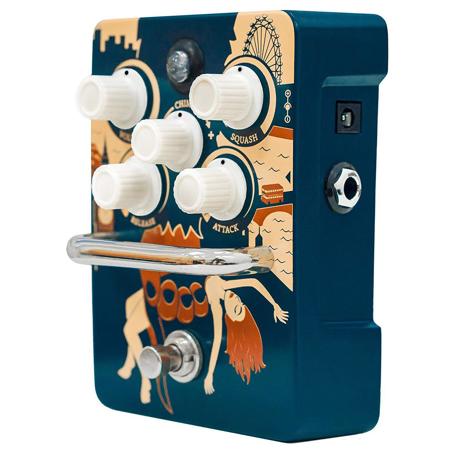
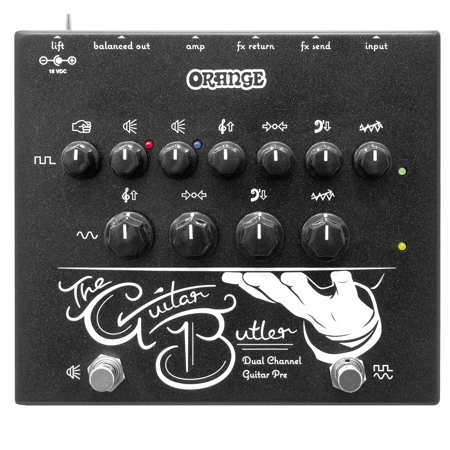
Buffered bypass pedals play a crucial role in preserving your instrument’s tone, especially as your pedalboard grows more complex. When using long cable runs or stacking multiple effects, the natural capacitance of the cables and the cumulative effect of true bypass pedals can sap your signal’s clarity, resulting in a muddy or lifeless sound. Buffered bypass pedals are designed with an always-active circuit that converts your guitar’s high-impedance signal to a low-impedance one, allowing it to travel through your cables and pedals without losing high-end frequencies or overall volume. This is particularly valuable for guitarists and bassists who rely on clean, articulate tones or need their sound to cut through a mix—whether performing live under the summer sun at outdoor festivals, recording in a studio, or jamming in a cozy rehearsal space as the days grow cooler. For anyone building out a fender pedal board or experimenting with new sounds, buffered bypass pedals provide a reliable backbone, ensuring that each nuance of your playing is preserved from the first note to the last.
Choosing the right buffered bypass pedal involves considering the size and complexity of your setup, the types of effects you use, and your personal tone preferences. Players who utilize extensive pedal chains, especially with a mix of vintage and modern effects, will notice a significant improvement in signal strength and clarity when a quality buffer is integrated into their rig. It’s common practice among professionals to place a buffered bypass pedal at the start of the chain—sometimes even at both the beginning and end—so that the signal remains strong and consistent, regardless of how many true bypass pedals are engaged or bypassed. This approach is particularly helpful for guitarists who use a variety of effects, from overdrive and delay to modulation and reverb, and want to maintain the sparkle and punch of their instrument. Buffered bypass pedals also make thoughtful gifts for musicians who are serious about their sound, whether they’re seasoned performers or hobbyists expanding their pedalboard for the first time. The difference can be heard and felt, especially when playing with others or in larger venues where signal loss is more noticeable.
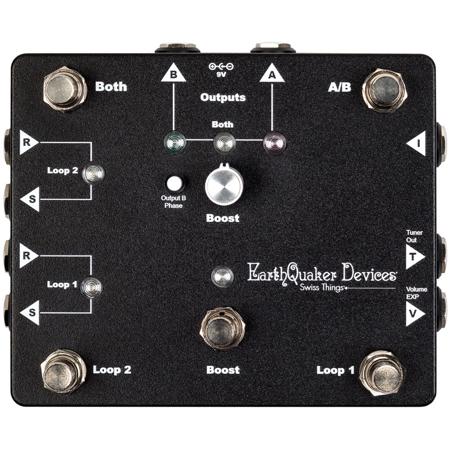
As you refine your pedalboard setup, it’s important to remember that not every effect pedal interacts the same way with buffers—some vintage fuzz pedals, for example, prefer to see the direct signal from your guitar and may sound best placed before any buffered bypass pedal. For those interested in more complex routing options, such as integrating effects loops or switching between multiple signal paths, exploring related solutions like Fx Loop Pedals can further enhance your rig’s flexibility and performance. Whether you’re gearing up for a season of outdoor gigs, preparing for recording projects, or simply enjoying the creative process of building your ideal sound, buffered bypass pedals are an essential tool for maintaining the integrity of your tone. Their subtle, behind-the-scenes work ensures that every note you play is delivered with the clarity and presence you intended, making them a foundational choice for musicians at any stage of their journey.
Choosing the right buffered bypass pedal involves considering the size and complexity of your setup, the types of effects you use, and your personal tone preferences. Players who utilize extensive pedal chains, especially with a mix of vintage and modern effects, will notice a significant improvement in signal strength and clarity when a quality buffer is integrated into their rig. It’s common practice among professionals to place a buffered bypass pedal at the start of the chain—sometimes even at both the beginning and end—so that the signal remains strong and consistent, regardless of how many true bypass pedals are engaged or bypassed. This approach is particularly helpful for guitarists who use a variety of effects, from overdrive and delay to modulation and reverb, and want to maintain the sparkle and punch of their instrument. Buffered bypass pedals also make thoughtful gifts for musicians who are serious about their sound, whether they’re seasoned performers or hobbyists expanding their pedalboard for the first time. The difference can be heard and felt, especially when playing with others or in larger venues where signal loss is more noticeable.
As you refine your pedalboard setup, it’s important to remember that not every effect pedal interacts the same way with buffers—some vintage fuzz pedals, for example, prefer to see the direct signal from your guitar and may sound best placed before any buffered bypass pedal. For those interested in more complex routing options, such as integrating effects loops or switching between multiple signal paths, exploring related solutions like Fx Loop Pedals can further enhance your rig’s flexibility and performance. Whether you’re gearing up for a season of outdoor gigs, preparing for recording projects, or simply enjoying the creative process of building your ideal sound, buffered bypass pedals are an essential tool for maintaining the integrity of your tone. Their subtle, behind-the-scenes work ensures that every note you play is delivered with the clarity and presence you intended, making them a foundational choice for musicians at any stage of their journey.