Camera Rails
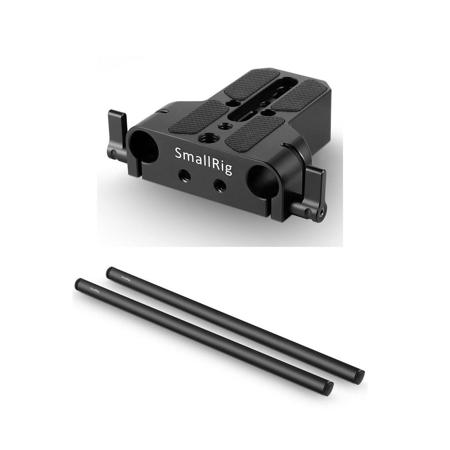
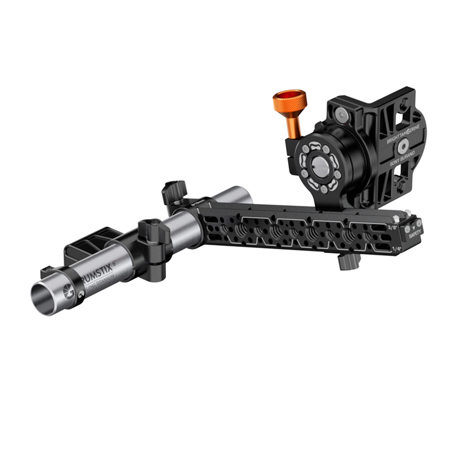
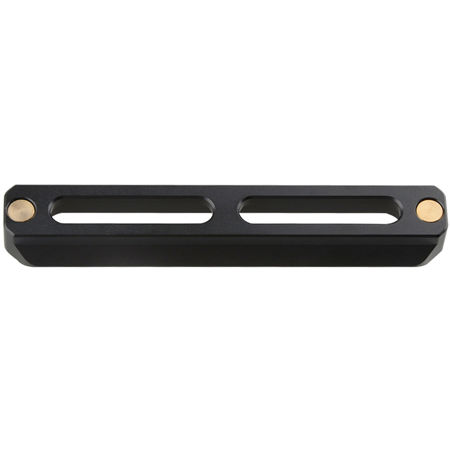
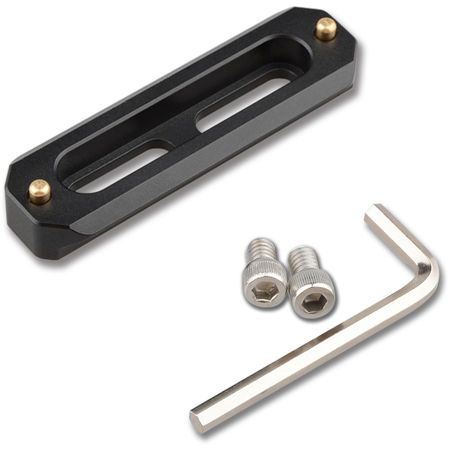
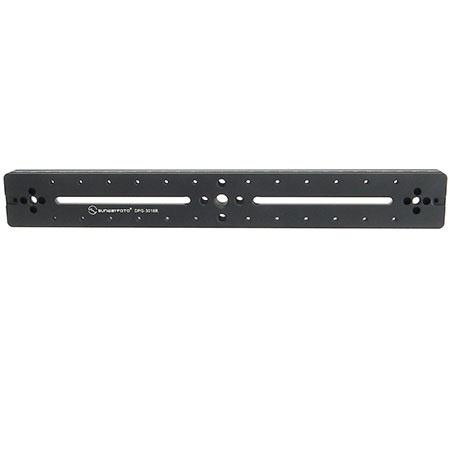
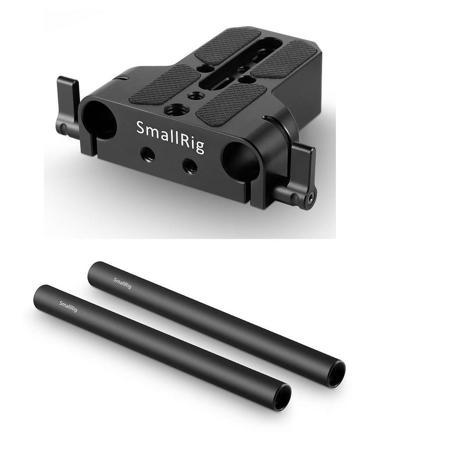
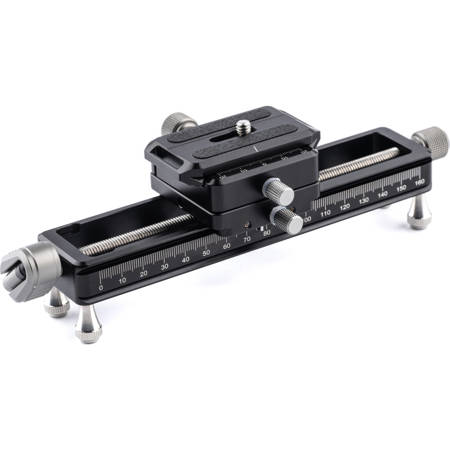
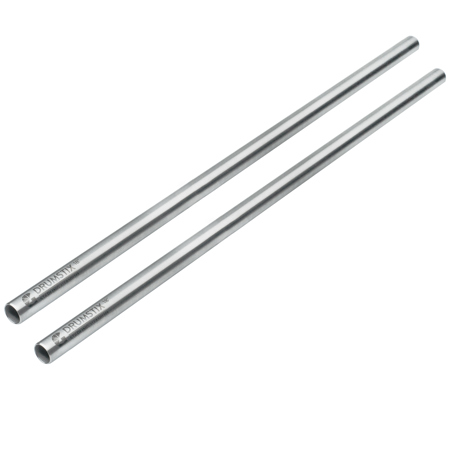
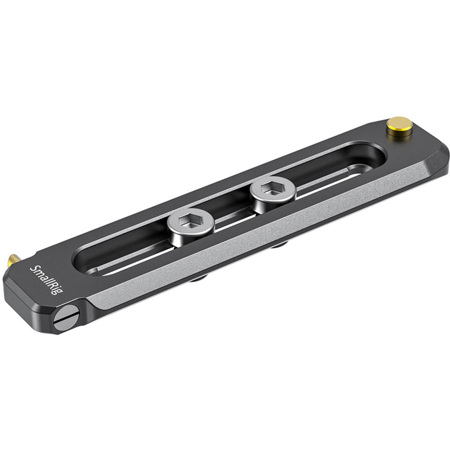
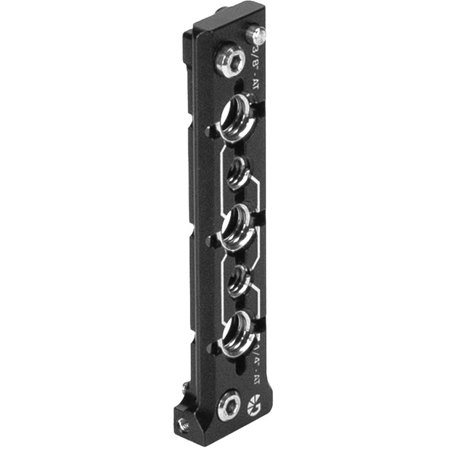
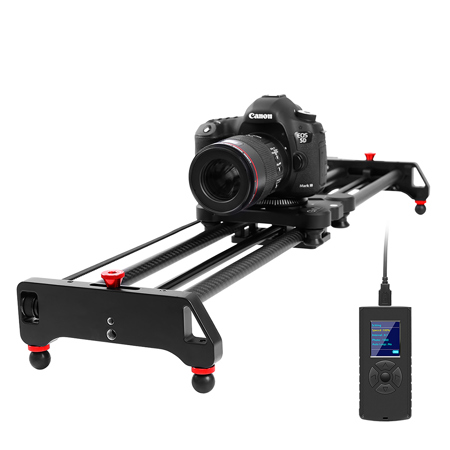
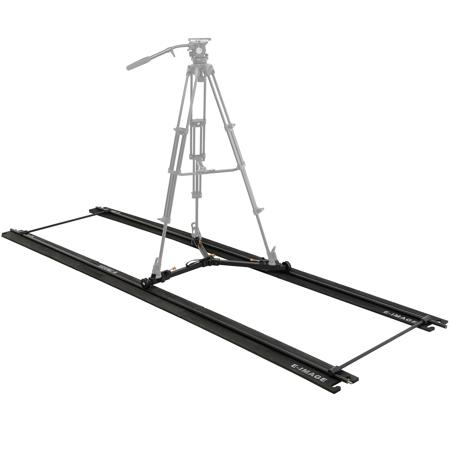
For filmmakers, videographers, and content creators who are passionate about achieving smooth, controlled camera movement, camera rails are an essential addition to any kit. Whether you’re capturing cinematic landscapes as the sun sets over a summer field or documenting the vibrant colors of autumn, camera rails offer a level of precision and consistency that handheld shooting simply can’t match. These systems allow users to glide their cameras along a fixed path, producing dynamic tracking shots that elevate the production value of any project. From solo creators building out a home studio to professionals working on commercial sets, camera rails accommodate a wide range of shooting styles and environments. Their adaptability makes them suitable not just for outdoor adventures—where the terrain might be uneven or unpredictable—but also for indoor setups where space and repeatability are key. For those looking to surprise a budding filmmaker or a seasoned videographer with a thoughtful gift, a camera rail is a practical and inspiring choice, especially during the months when creative projects often move from outdoor locations to cozy indoor studios.
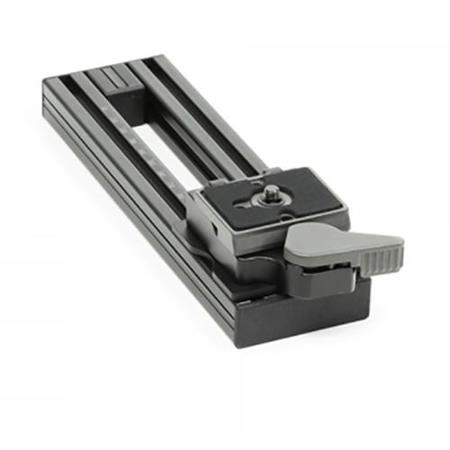
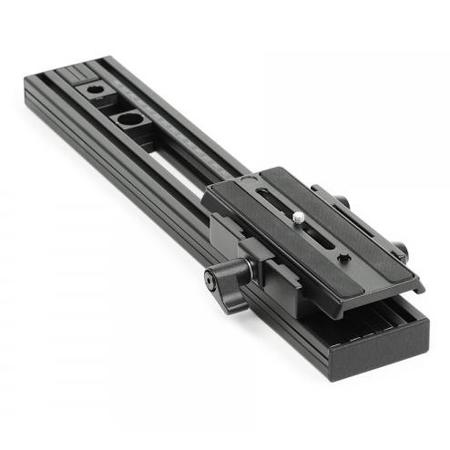
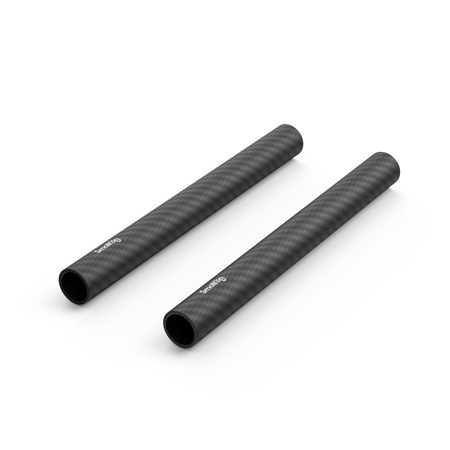
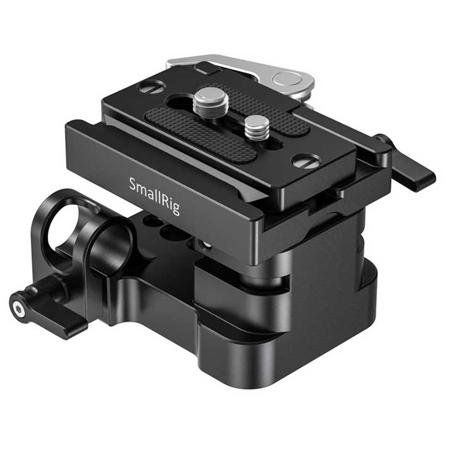
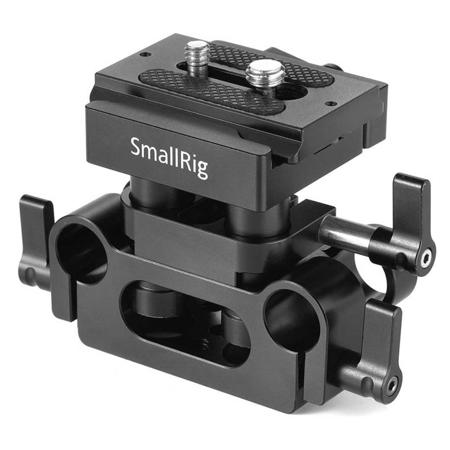
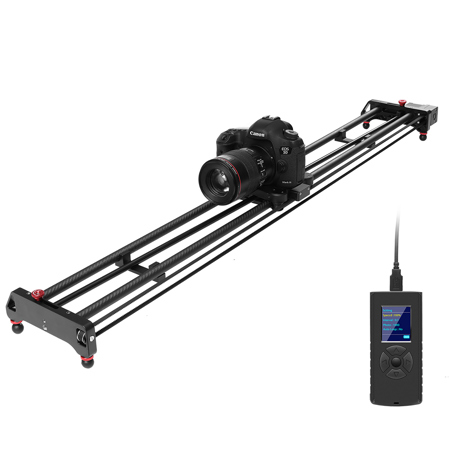
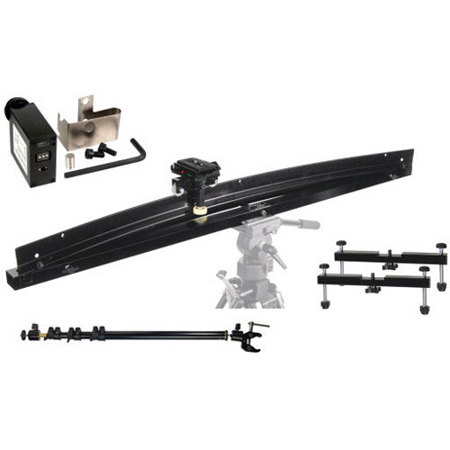
When selecting a camera rail, there are several important factors to keep in mind to ensure the system meets your specific needs. The length of the rail determines the range of motion available for your shots, with longer rails providing more dramatic movement but requiring additional space and support. Portability is another key consideration, particularly for creators who travel to different locations or need to pack gear for shoots that span several days. Many rails are designed to be lightweight and modular, breaking down into compact components that fit easily into a gear bag. Stability and load capacity are also crucial—especially when using heavier cameras or pairing rails with accessories like follow focus systems, external monitors, or even small lights. Look for rails constructed from durable materials such as aluminum or carbon fiber, which offer a strong balance between weight and strength. For those interested in expanding their creative toolkit even further, integrating a rail system with compatible accessories like tripods, adjustable legs, or even a motorized slider can unlock new possibilities for time-lapse photography, product videography, and narrative filmmaking. If you’re exploring more advanced movement options, consider browsing our selection of Camera Dolly Systems for additional creative control.
Camera rails are not just for professionals; they’re also a fantastic tool for hobbyists, educators, and anyone eager to experiment with visual storytelling. As the days grow longer or the air turns crisp, capturing the subtle transitions of light and color can be especially rewarding with the smooth motion a rail provides. In classrooms and workshops, rails can help students understand the mechanics of cinematic movement, making abstract concepts tangible through hands-on practice. For content creators sharing tutorials, product reviews, or travel vlogs, rails enable polished, repeatable shots that keep audiences engaged. The versatility of camera rails means they can be used for everything from macro photography—where precision is paramount—to sweeping establishing shots that set the scene for a documentary or short film. Investing in a quality rail system is a step toward more professional, visually compelling work, whether you’re shooting for personal enjoyment or for clients. With the right rail, every season becomes an opportunity to capture unique moments with fluidity and finesse, transforming ordinary scenes into cinematic experiences.
When selecting a camera rail, there are several important factors to keep in mind to ensure the system meets your specific needs. The length of the rail determines the range of motion available for your shots, with longer rails providing more dramatic movement but requiring additional space and support. Portability is another key consideration, particularly for creators who travel to different locations or need to pack gear for shoots that span several days. Many rails are designed to be lightweight and modular, breaking down into compact components that fit easily into a gear bag. Stability and load capacity are also crucial—especially when using heavier cameras or pairing rails with accessories like follow focus systems, external monitors, or even small lights. Look for rails constructed from durable materials such as aluminum or carbon fiber, which offer a strong balance between weight and strength. For those interested in expanding their creative toolkit even further, integrating a rail system with compatible accessories like tripods, adjustable legs, or even a motorized slider can unlock new possibilities for time-lapse photography, product videography, and narrative filmmaking. If you’re exploring more advanced movement options, consider browsing our selection of Camera Dolly Systems for additional creative control.
Camera rails are not just for professionals; they’re also a fantastic tool for hobbyists, educators, and anyone eager to experiment with visual storytelling. As the days grow longer or the air turns crisp, capturing the subtle transitions of light and color can be especially rewarding with the smooth motion a rail provides. In classrooms and workshops, rails can help students understand the mechanics of cinematic movement, making abstract concepts tangible through hands-on practice. For content creators sharing tutorials, product reviews, or travel vlogs, rails enable polished, repeatable shots that keep audiences engaged. The versatility of camera rails means they can be used for everything from macro photography—where precision is paramount—to sweeping establishing shots that set the scene for a documentary or short film. Investing in a quality rail system is a step toward more professional, visually compelling work, whether you’re shooting for personal enjoyment or for clients. With the right rail, every season becomes an opportunity to capture unique moments with fluidity and finesse, transforming ordinary scenes into cinematic experiences.