
Canon To Nikon Lens Adapters
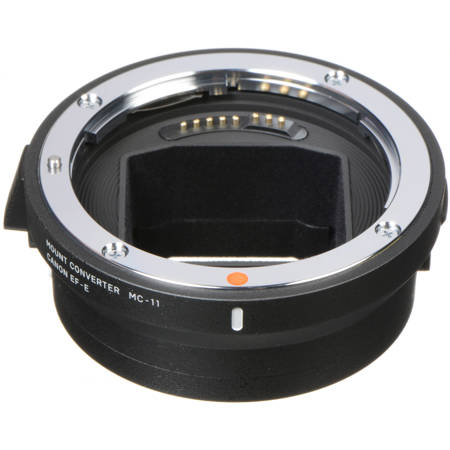
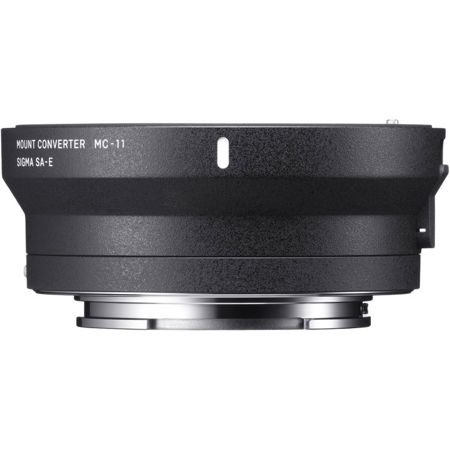
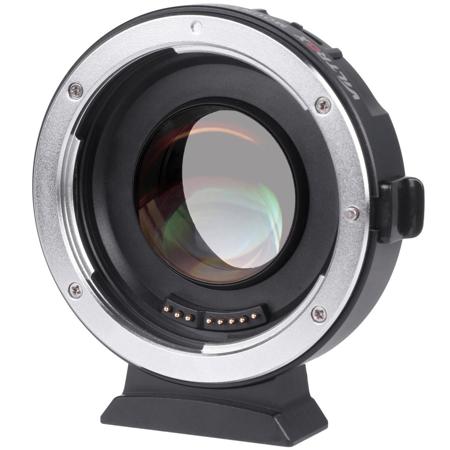
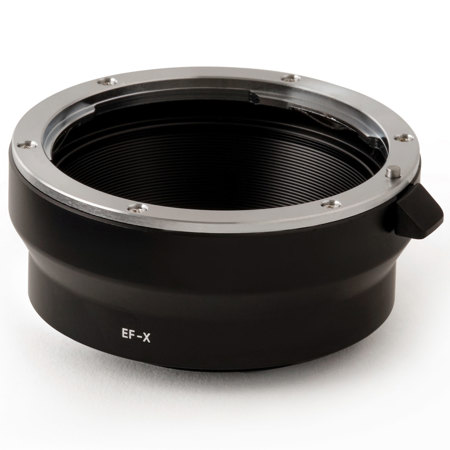
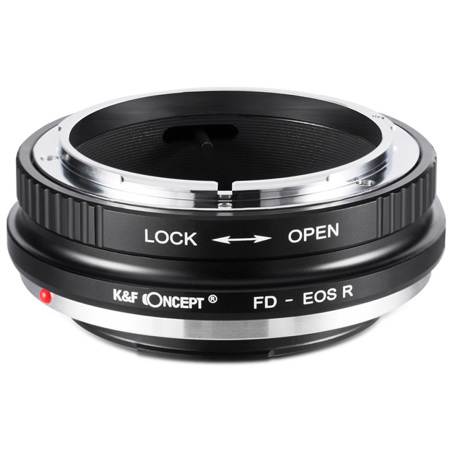
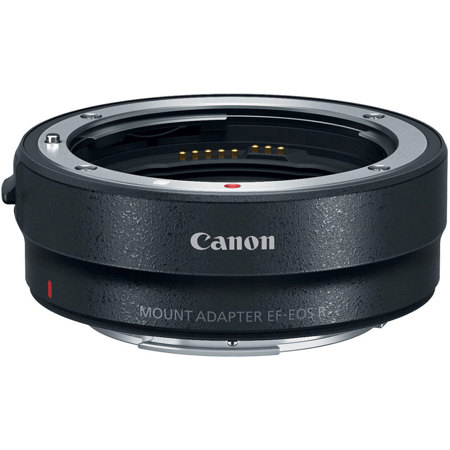
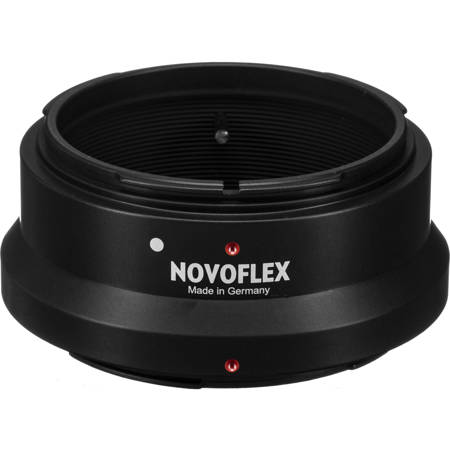
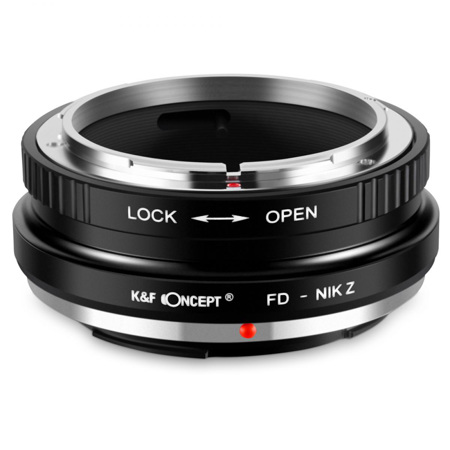
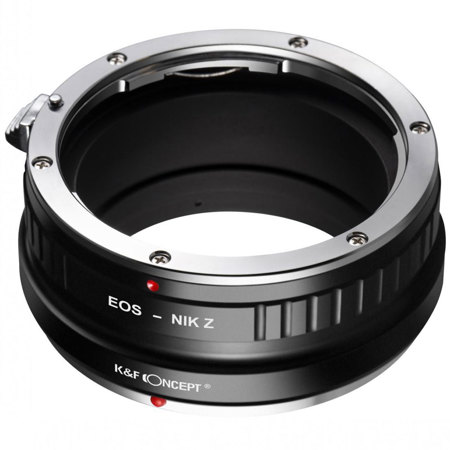
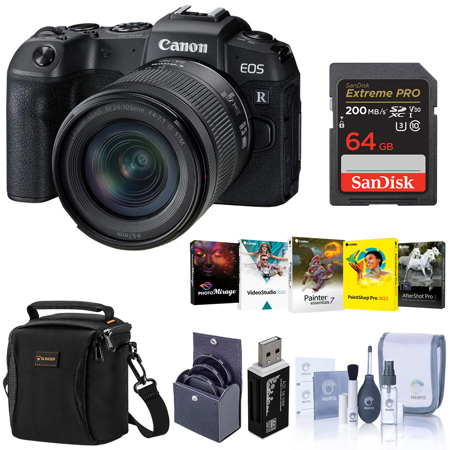
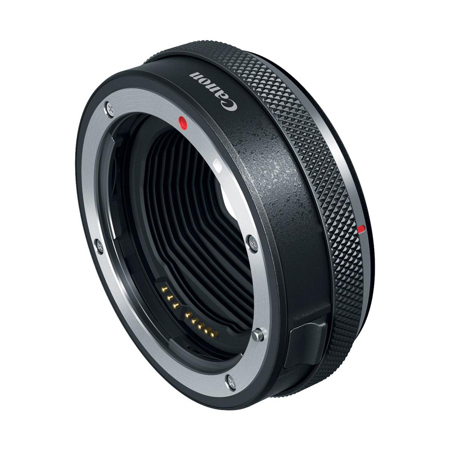
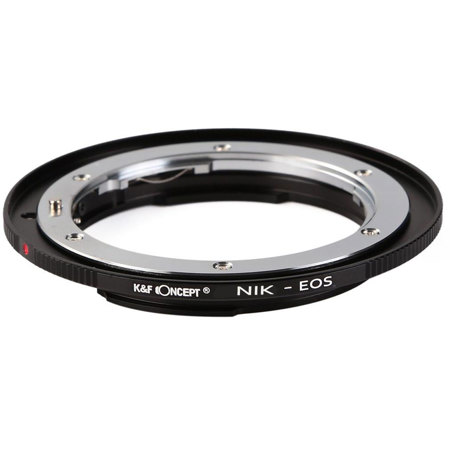
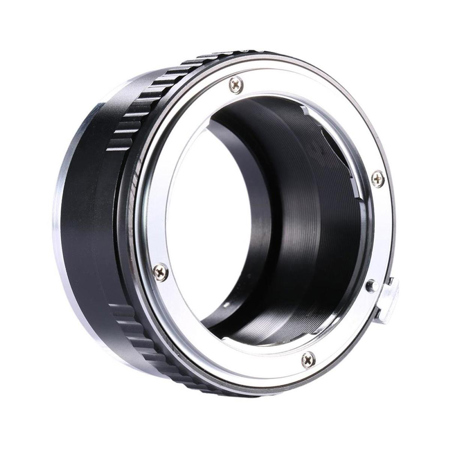
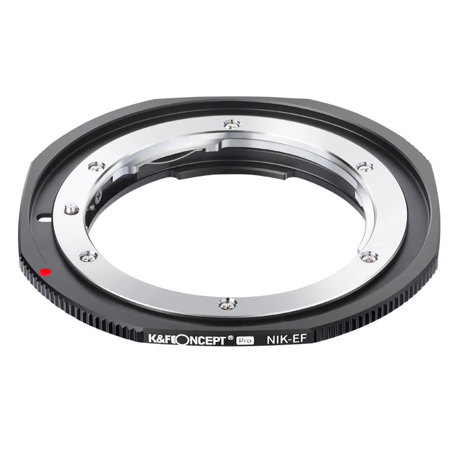
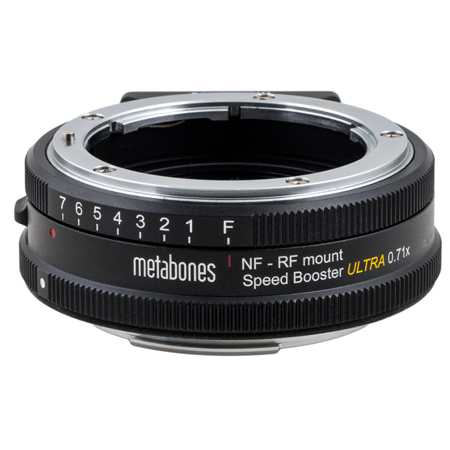
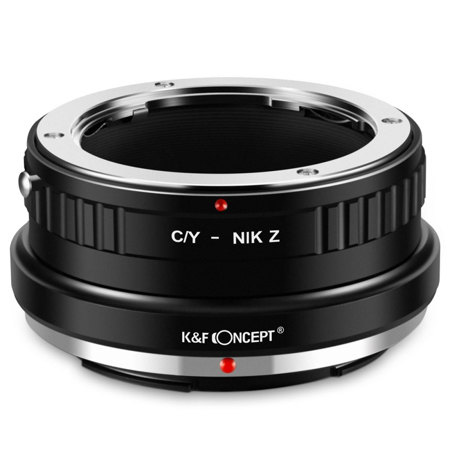
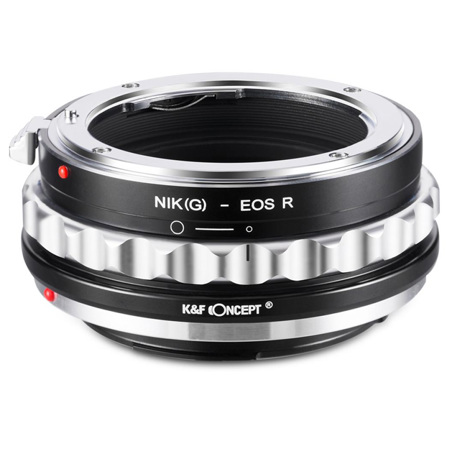
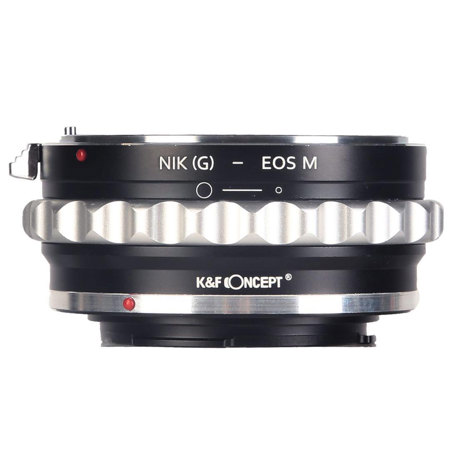
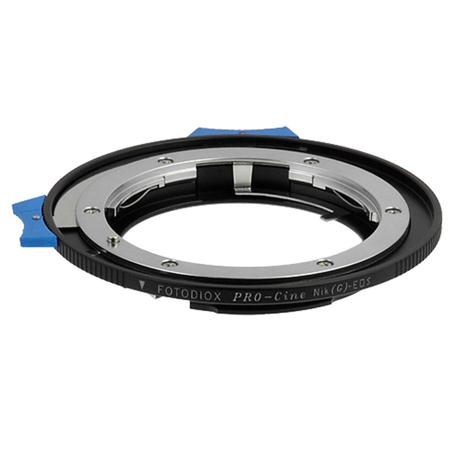
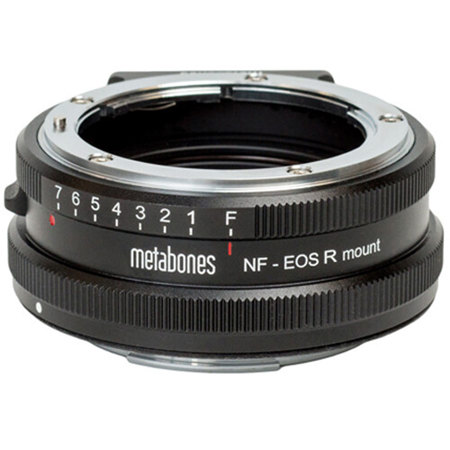
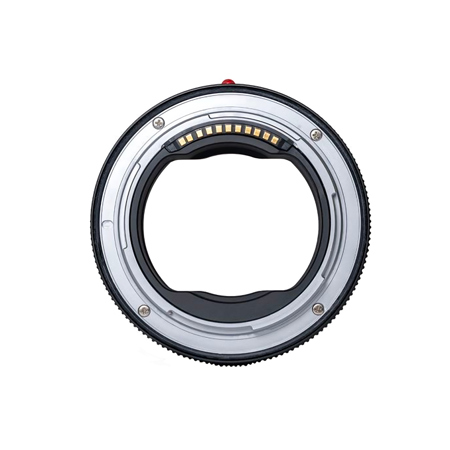
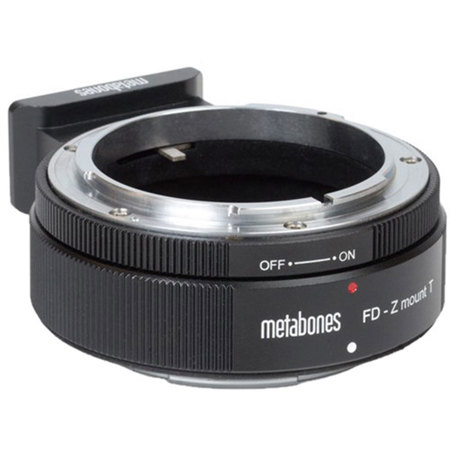
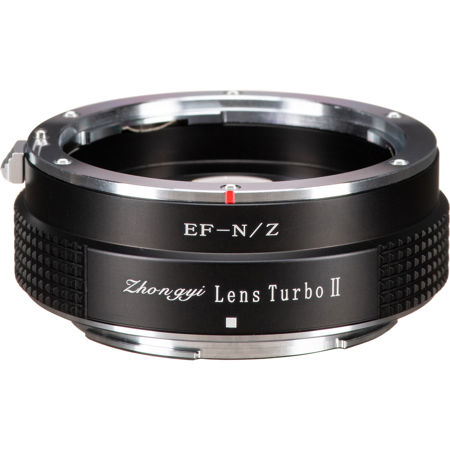
For photographers and videographers who have invested in Canon EF or EF-S lenses but are now exploring the possibilities of Nikon’s mirrorless Z-mount system, lens adapters open a world of creative flexibility. The transition between camera systems can be daunting, especially when you have a collection of trusted glass that you’d rather not leave behind. This is where a quality Canon lens to Nikon adapter becomes essential. Modern adapters are engineered to bridge the gap between Canon’s electronic lens protocols and Nikon’s Z-mount cameras, preserving key functionalities like autofocus, aperture control, and even image stabilization. Whether you’re a professional looking to maximize your gear investment, an enthusiast experimenting with hybrid systems, or a student building a versatile kit for school projects, these adapters let you keep using your favorite Canon lenses while taking advantage of Nikon’s latest camera bodies. March is a particularly exciting time for outdoor photography, with early spring light and fresh landscapes offering new subjects—having the flexibility to use your Canon glass on a Nikon Z camera means you’re ready to capture every fleeting moment, from delicate blossoms to golden hour cityscapes.
When considering a canon ef to nikon f adapter or a canon lens to nikon adapter for Z-mount bodies, there are several important factors to weigh. Compatibility is key: while electronic adapters for Nikon Z mirrorless cameras can maintain autofocus and electronic communication, adapting Canon lenses to Nikon F-mount DSLRs is generally not practical due to physical and electronic limitations. For mirrorless users, a well-designed adapter can translate electronic signals between the lens and camera, allowing for seamless autofocus, accurate EXIF data, and the use of in-lens stabilization. This makes them an invaluable tool for hybrid shooters who frequently switch between stills and video, or for professionals who need to maintain a consistent look across different camera systems. Keep in mind that adding an adapter does increase the length and weight of your setup, which may affect balance and handling—something to consider for long handheld shoots or when packing light for travel. Still, the creative freedom and cost savings far outweigh the minor ergonomic trade-offs, especially when you can continue using specialty lenses like tilt-shifts, fast primes, or macro glass that might not have direct Nikon equivalents.
These adapters also make thoughtful gifts for photographers who are upgrading their systems or experimenting with new gear. If you’re shopping for a friend, family member, or colleague who’s recently made the switch to a Nikon mirrorless camera but has a cherished set of Canon lenses, a reliable canon lens to nikon adapter is a practical and appreciated present—especially as spring brings renewed inspiration and shooting opportunities. For those just beginning to explore whether are canon lenses compatible with nikon bodies, adapters provide a low-risk way to test creative boundaries without committing to an entirely new lens lineup. If you’re curious to dive deeper into compatibility options, or to browse a broader selection of solutions for mixing and matching camera and lens brands, explore our comprehensive collection of Canon Lens Mount Adapters for more expert advice and recommendations. Whether you’re gearing up for a new season of shooting or helping someone else get the most from their gear, the right adapter is your passport to a more versatile and inspiring photographic journey.
When considering a canon ef to nikon f adapter or a canon lens to nikon adapter for Z-mount bodies, there are several important factors to weigh. Compatibility is key: while electronic adapters for Nikon Z mirrorless cameras can maintain autofocus and electronic communication, adapting Canon lenses to Nikon F-mount DSLRs is generally not practical due to physical and electronic limitations. For mirrorless users, a well-designed adapter can translate electronic signals between the lens and camera, allowing for seamless autofocus, accurate EXIF data, and the use of in-lens stabilization. This makes them an invaluable tool for hybrid shooters who frequently switch between stills and video, or for professionals who need to maintain a consistent look across different camera systems. Keep in mind that adding an adapter does increase the length and weight of your setup, which may affect balance and handling—something to consider for long handheld shoots or when packing light for travel. Still, the creative freedom and cost savings far outweigh the minor ergonomic trade-offs, especially when you can continue using specialty lenses like tilt-shifts, fast primes, or macro glass that might not have direct Nikon equivalents.
These adapters also make thoughtful gifts for photographers who are upgrading their systems or experimenting with new gear. If you’re shopping for a friend, family member, or colleague who’s recently made the switch to a Nikon mirrorless camera but has a cherished set of Canon lenses, a reliable canon lens to nikon adapter is a practical and appreciated present—especially as spring brings renewed inspiration and shooting opportunities. For those just beginning to explore whether are canon lenses compatible with nikon bodies, adapters provide a low-risk way to test creative boundaries without committing to an entirely new lens lineup. If you’re curious to dive deeper into compatibility options, or to browse a broader selection of solutions for mixing and matching camera and lens brands, explore our comprehensive collection of Canon Lens Mount Adapters for more expert advice and recommendations. Whether you’re gearing up for a new season of shooting or helping someone else get the most from their gear, the right adapter is your passport to a more versatile and inspiring photographic journey.