

Cat 7 Ethernet Cables for Data Centers
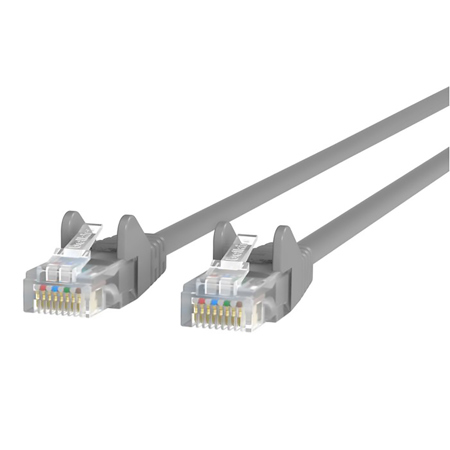
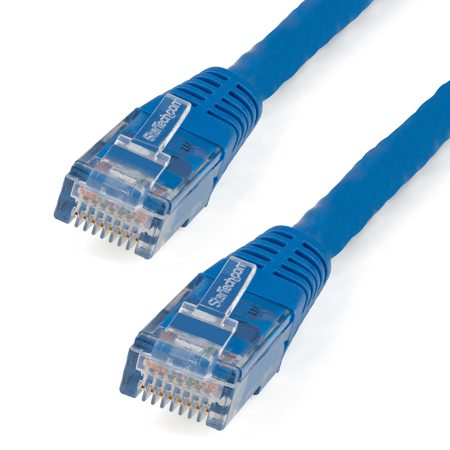
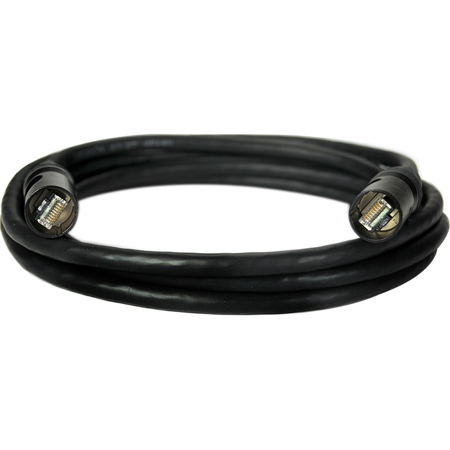
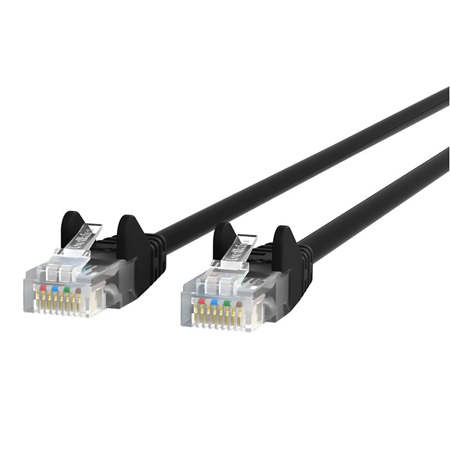
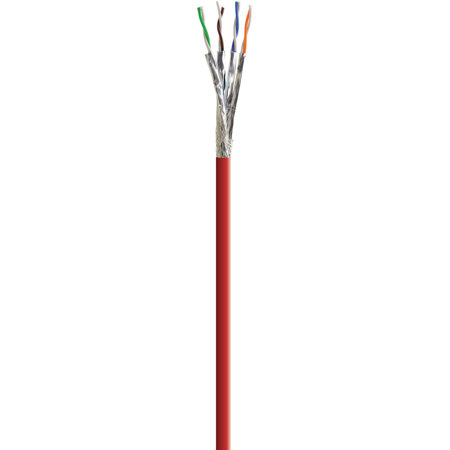
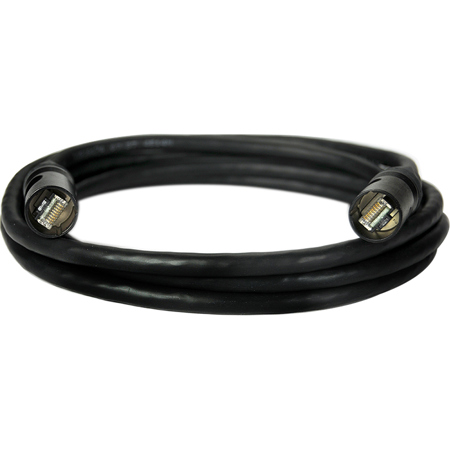
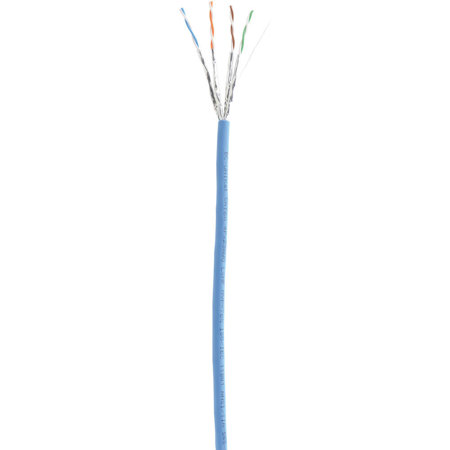
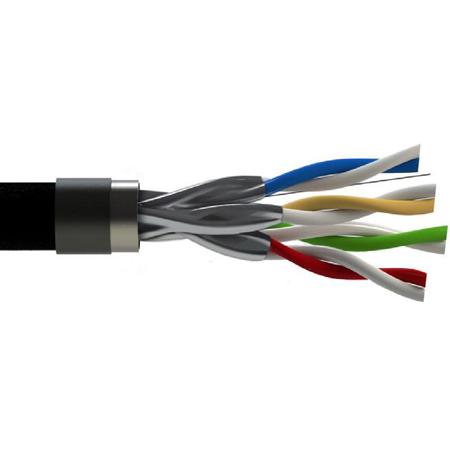
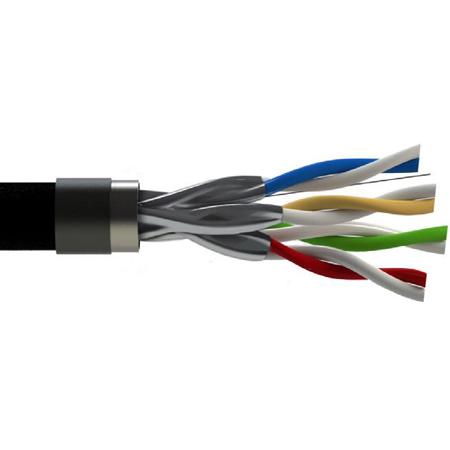
In data centers where performance, reliability, and speed are non-negotiable, Cat 7 Ethernet cables have become a trusted backbone for network infrastructure. Engineered for environments that demand uncompromising data integrity and high throughput, these cables support 10 Gigabit Ethernet speeds over distances up to 100 meters, and can even deliver up to 40 Gbps over shorter runs. The enhanced shielding technology, often in the form of S/FTP (shielded/foiled twisted pair), wraps each wire pair and the entire cable in protective layers, dramatically reducing electromagnetic interference and crosstalk. This makes Cat 7 cables particularly valuable in high-density server rooms, colocation centers, and enterprise-grade data centers where racks are packed tightly and electrical noise is a constant concern. The robust construction, typically using 100% pure copper conductors, ensures not only optimal signal transmission but also the durability needed for installations that are expected to last for years without fail. For IT professionals and network architects planning upgrades or new builds this spring, investing in Cat 7 cabling is a forward-looking choice—future-proofing your infrastructure for the rapidly evolving demands of cloud computing, virtualization, and high-speed data transfer.
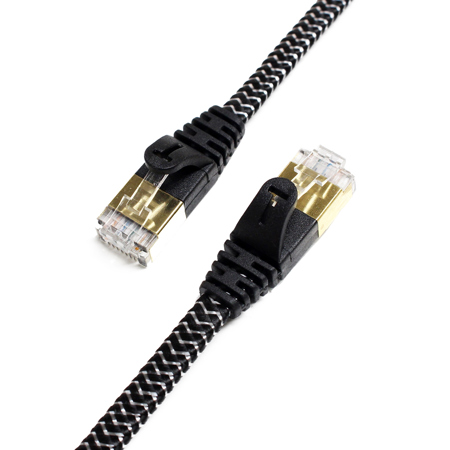
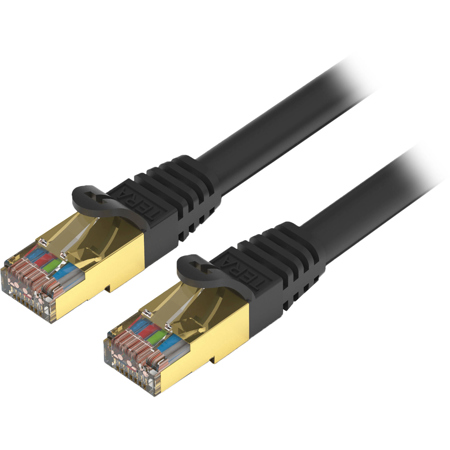
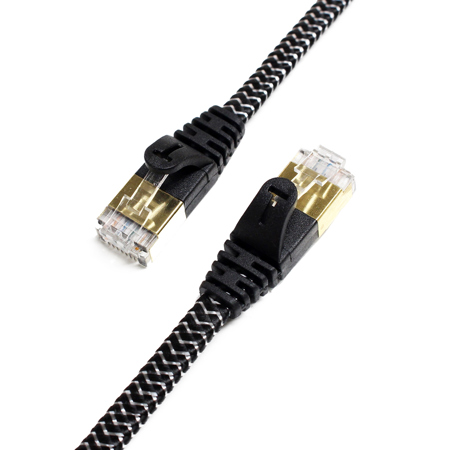
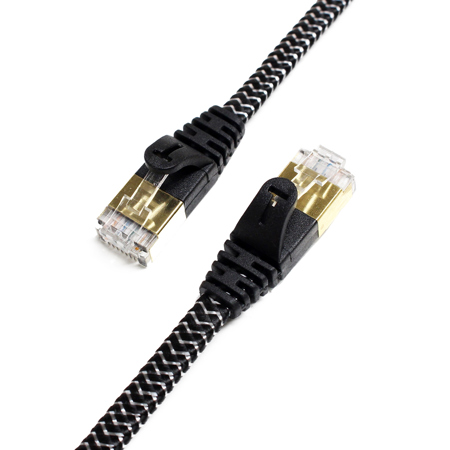
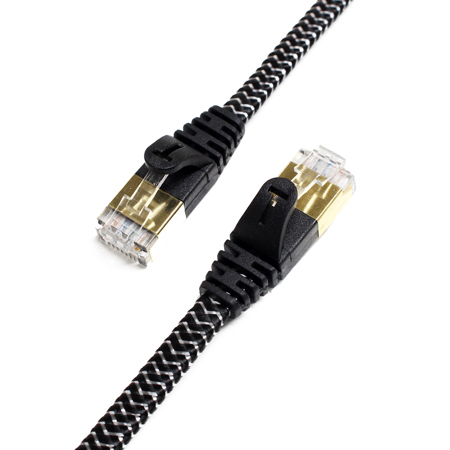
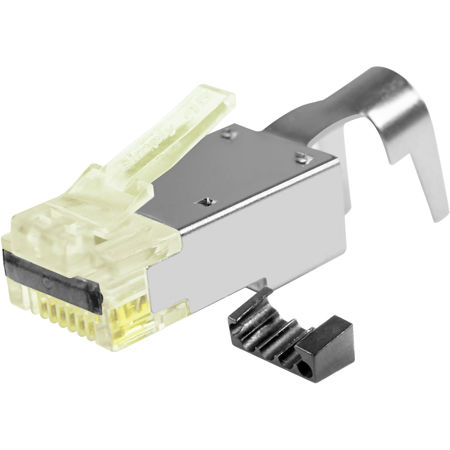
Selecting the right Cat 7 Ethernet cable for a data center requires careful consideration of several key factors. The physical rigidity of Cat 7 cables, a result of their extensive shielding, can present challenges when routing through cable trays or around tight corners, especially in high-density environments. For installations that require flexibility and easy management, options like a flat braided nylon Cat 7 Ethernet cable spool can offer the durability and shielding of Cat 7 with the added benefit of easier handling and space-saving profiles. Connector compatibility is another critical aspect; while Cat 7 was originally designed for TERA or GG45 connectors, many commercial versions now use shielded RJ45 connectors, allowing seamless integration with most modern networking equipment. This flexibility is essential for organizations looking to upgrade performance without overhauling their entire hardware ecosystem. When planning your cabling routes, it’s important to account for minimum bend radius and ensure that the cable’s shielding remains intact throughout installation to maintain its superior EMI protection. Many data center managers have found that investing in high-quality cable spools and proper termination tools pays off in the long run, reducing downtime and maintenance headaches as the network scales.
Cat 7 Ethernet cables are not just limited to enterprise data centers; they are also an excellent fit for broadcast studios, research labs, and even home offices where professionals require ultra-fast, stable connections for demanding applications. While these cables are typically considered a business investment, they can also make a thoughtful and practical gift for tech enthusiasts or IT professionals looking to upgrade their home network with enterprise-grade gear. As the industry continues to evolve, some organizations may also be evaluating alternatives such as Cat 6A or Cat 8 cabling. For those interested in comparing standards or seeking a solution recognized by US cabling authorities, our comprehensive guide to Cat 6 A Cables For Data Centers offers detailed insights. Whether you’re upgrading an existing facility or building out a new network this season, Cat 7 Ethernet cables offer a compelling blend of speed, shielding, and long-term reliability, making them a solid foundation for any data-centric environment.
Selecting the right Cat 7 Ethernet cable for a data center requires careful consideration of several key factors. The physical rigidity of Cat 7 cables, a result of their extensive shielding, can present challenges when routing through cable trays or around tight corners, especially in high-density environments. For installations that require flexibility and easy management, options like a flat braided nylon Cat 7 Ethernet cable spool can offer the durability and shielding of Cat 7 with the added benefit of easier handling and space-saving profiles. Connector compatibility is another critical aspect; while Cat 7 was originally designed for TERA or GG45 connectors, many commercial versions now use shielded RJ45 connectors, allowing seamless integration with most modern networking equipment. This flexibility is essential for organizations looking to upgrade performance without overhauling their entire hardware ecosystem. When planning your cabling routes, it’s important to account for minimum bend radius and ensure that the cable’s shielding remains intact throughout installation to maintain its superior EMI protection. Many data center managers have found that investing in high-quality cable spools and proper termination tools pays off in the long run, reducing downtime and maintenance headaches as the network scales.
Cat 7 Ethernet cables are not just limited to enterprise data centers; they are also an excellent fit for broadcast studios, research labs, and even home offices where professionals require ultra-fast, stable connections for demanding applications. While these cables are typically considered a business investment, they can also make a thoughtful and practical gift for tech enthusiasts or IT professionals looking to upgrade their home network with enterprise-grade gear. As the industry continues to evolve, some organizations may also be evaluating alternatives such as Cat 6A or Cat 8 cabling. For those interested in comparing standards or seeking a solution recognized by US cabling authorities, our comprehensive guide to Cat 6 A Cables For Data Centers offers detailed insights. Whether you’re upgrading an existing facility or building out a new network this season, Cat 7 Ethernet cables offer a compelling blend of speed, shielding, and long-term reliability, making them a solid foundation for any data-centric environment.