Choir Microphones
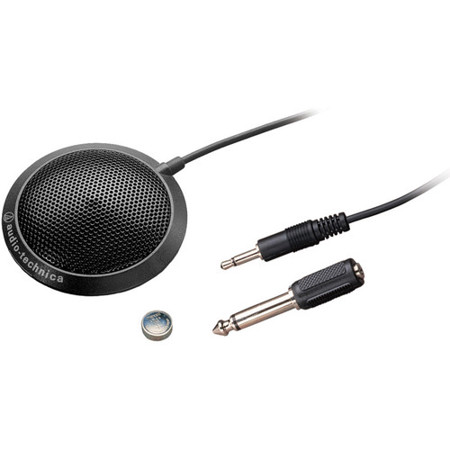
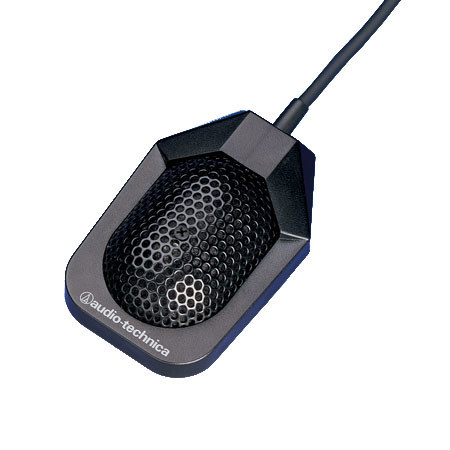
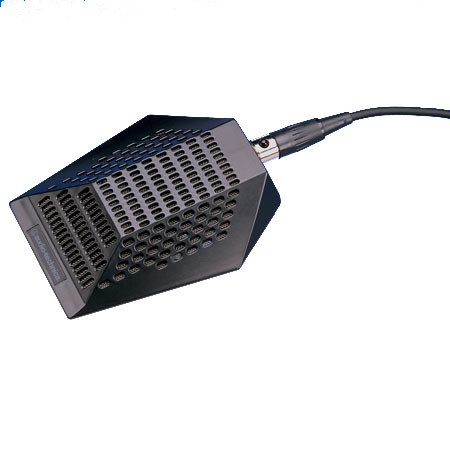
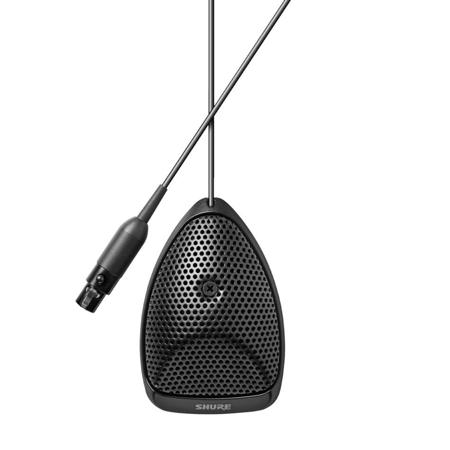
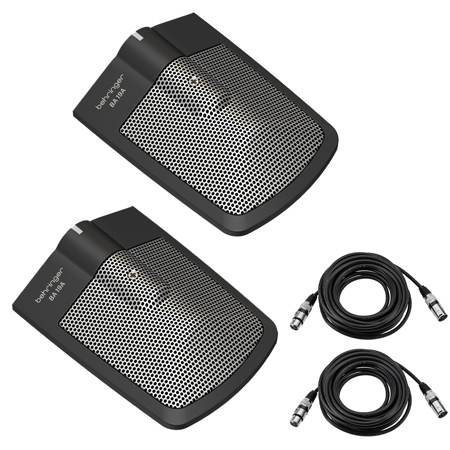
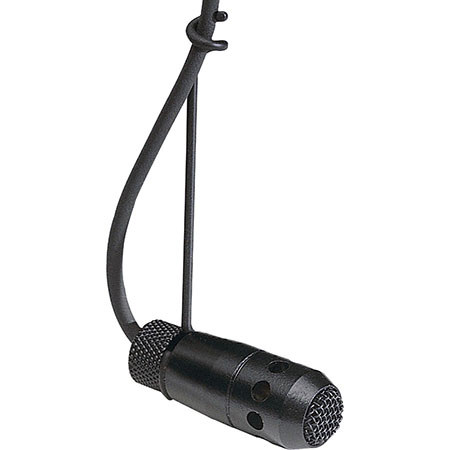
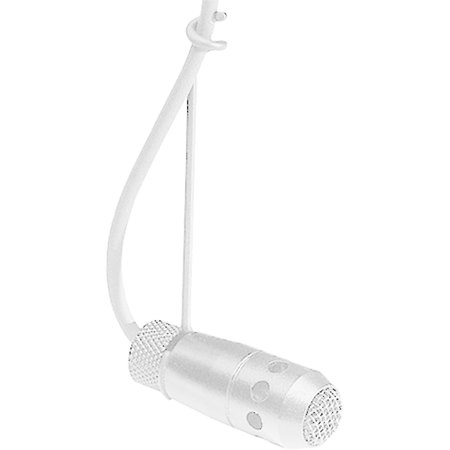
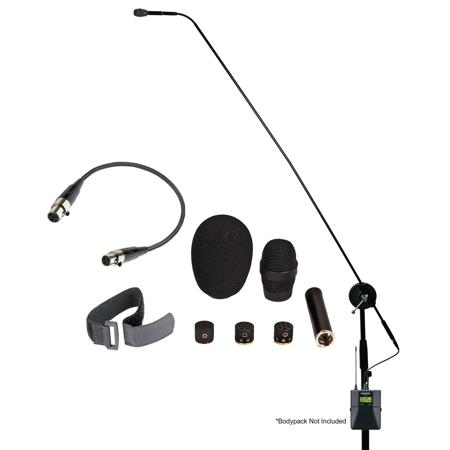
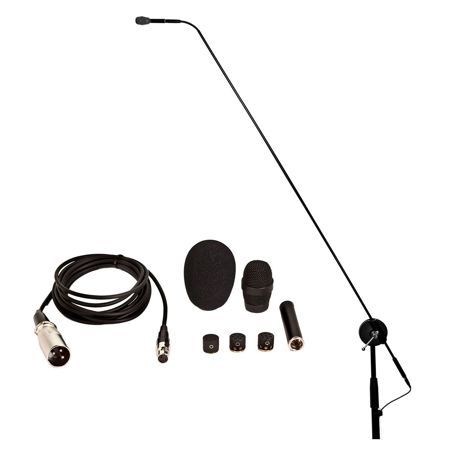
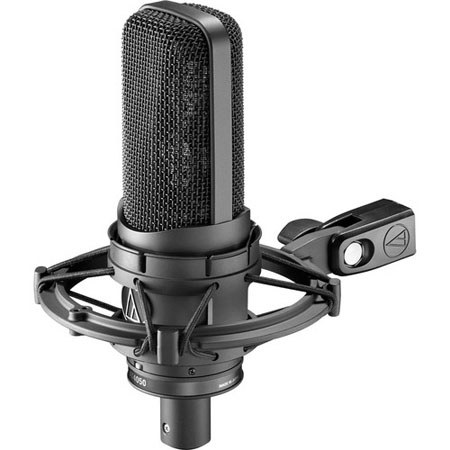
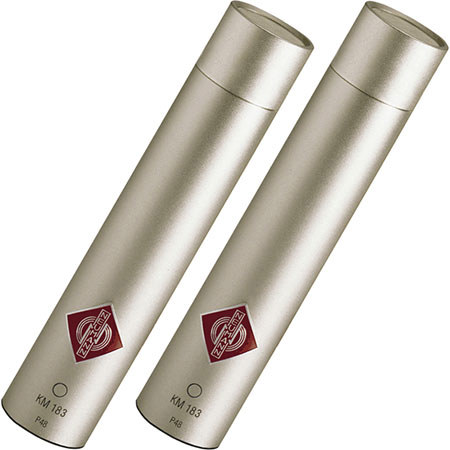
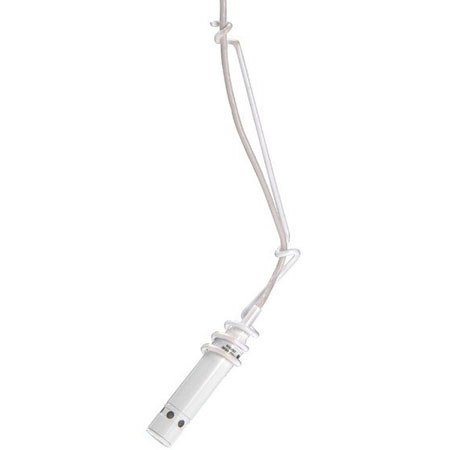
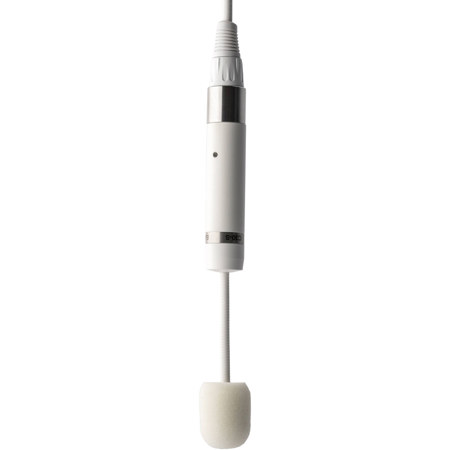
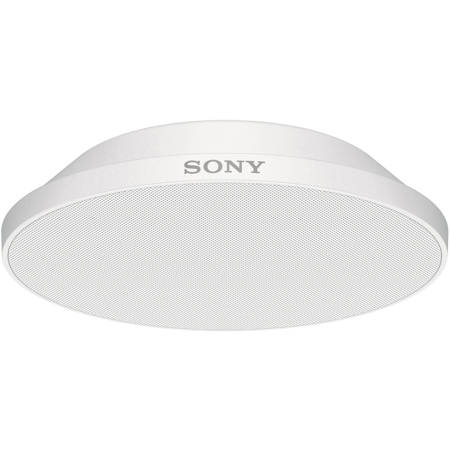
Finding the right choir microphones is an essential step for anyone looking to capture the nuanced harmonies and collective power of vocal ensembles, whether in a school auditorium, a house of worship, a professional stage, or a community performance space. As the weather warms and choirs move from indoor rehearsals to summer concerts and special events, the demand for reliable, high-quality audio equipment grows. Choir microphones are engineered to deliver clarity and balance across multiple voices, ensuring that every note is faithfully reproduced for both live audiences and recording applications. These microphones are typically small-diaphragm condenser types, valued for their sensitivity and ability to pick up the subtle dynamics of a group performance while minimizing unwanted noise and feedback. Their cardioid or supercardioid polar patterns help focus on the choir’s sound, reducing interference from room acoustics or other instruments on stage. For those setting up in sanctuaries or theaters with high ceilings, an overhead microphone or hanging mic provides a practical, discreet solution that blends seamlessly into the environment, visually unobtrusive yet sonically present.
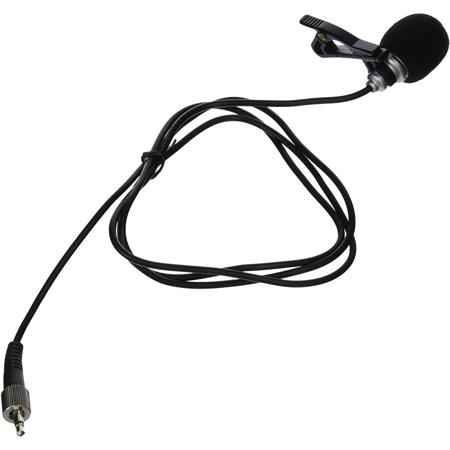
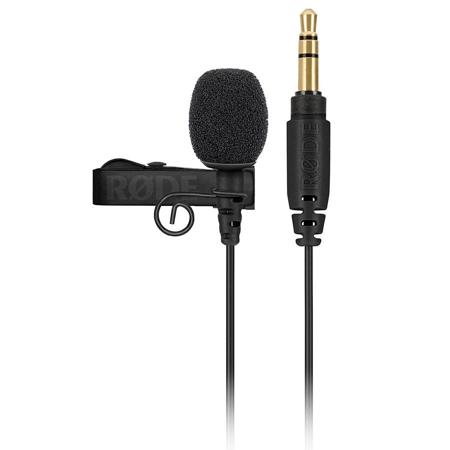
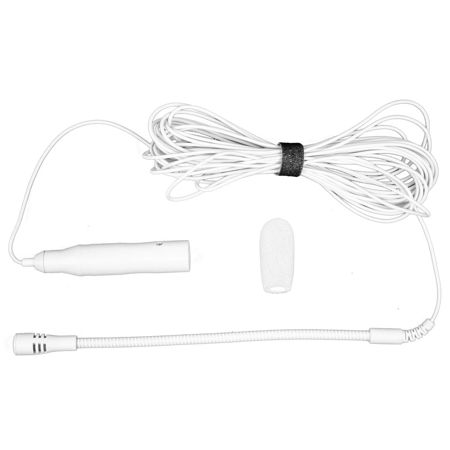
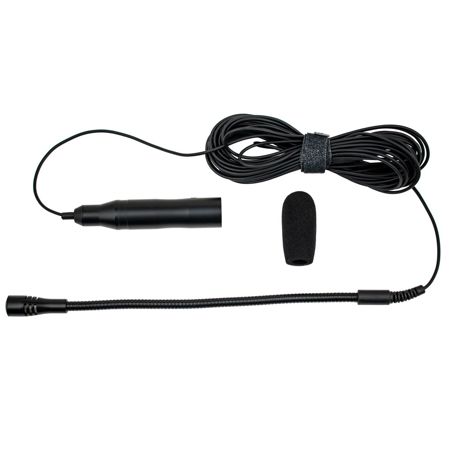
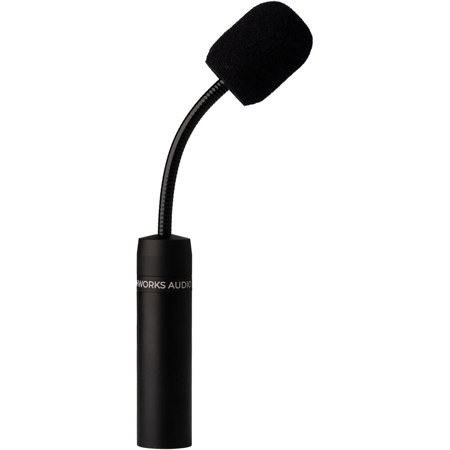
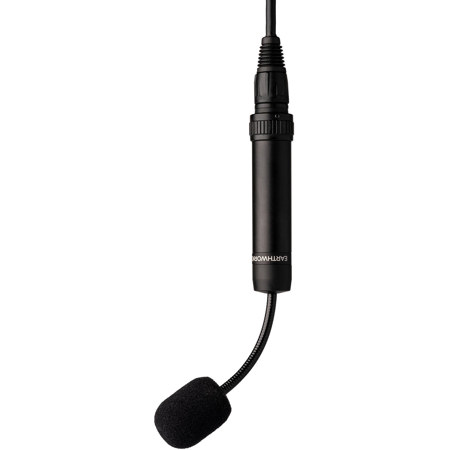
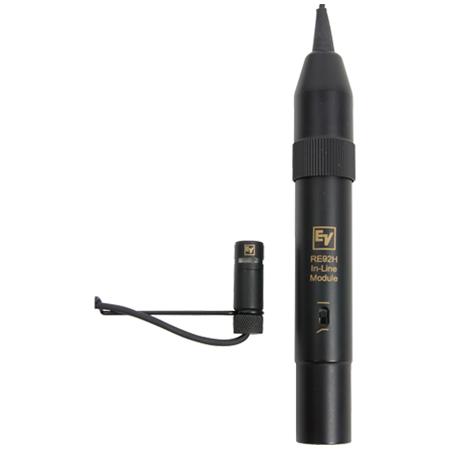
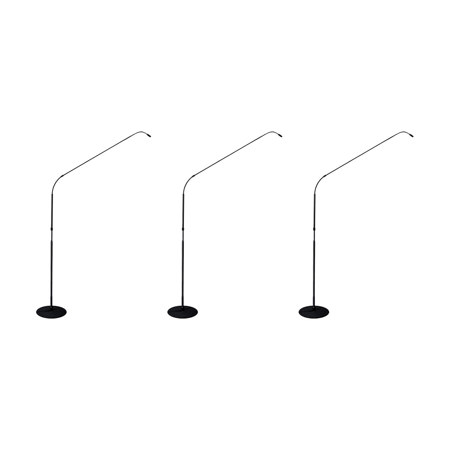
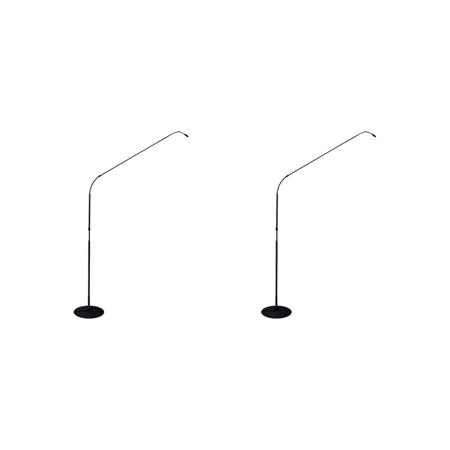
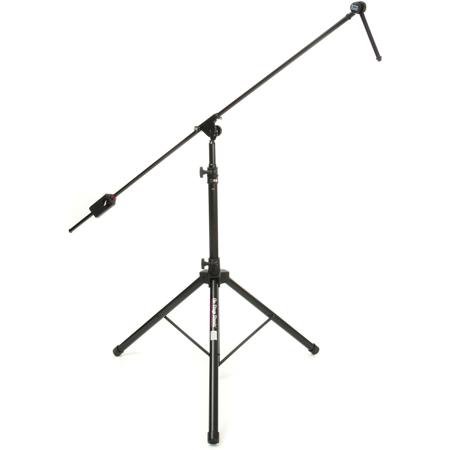
The versatility of choir microphones makes them a thoughtful gift for music educators, choir directors, or anyone passionate about vocal performance. These mics are not only ideal for traditional choral groups but also suit contemporary vocal ensembles, youth choirs, and even a cappella groups looking to enhance their sound at festivals, competitions, or seasonal gatherings. Installation options range from permanent hanging mics for fixed venues to portable face microphones or stand-mounted pencil mics that can be quickly set up and adjusted for touring groups or outdoor events. When selecting a choir microphone, consider the size and acoustics of the performance space, the number of vocalists, and the intended use—whether for live sound reinforcement, broadcast, or studio recording. Proper placement is key: an overhead microphone positioned above the ensemble can capture a natural blend, while multiple mics may be required for larger choirs or complex arrangements. Accessories like shock mounts, wind screens, and extension cables can further optimize setup and performance. For those involved in theatrical productions or multi-purpose venues, exploring additional options such as Theater Microphones can provide even greater flexibility in capturing both spoken word and music with precision. By investing in the right choir microphones, performers and audio engineers alike can ensure that every performance resonates with clarity, warmth, and the spirit of collaboration that defines choral music.
The versatility of choir microphones makes them a thoughtful gift for music educators, choir directors, or anyone passionate about vocal performance. These mics are not only ideal for traditional choral groups but also suit contemporary vocal ensembles, youth choirs, and even a cappella groups looking to enhance their sound at festivals, competitions, or seasonal gatherings. Installation options range from permanent hanging mics for fixed venues to portable face microphones or stand-mounted pencil mics that can be quickly set up and adjusted for touring groups or outdoor events. When selecting a choir microphone, consider the size and acoustics of the performance space, the number of vocalists, and the intended use—whether for live sound reinforcement, broadcast, or studio recording. Proper placement is key: an overhead microphone positioned above the ensemble can capture a natural blend, while multiple mics may be required for larger choirs or complex arrangements. Accessories like shock mounts, wind screens, and extension cables can further optimize setup and performance. For those involved in theatrical productions or multi-purpose venues, exploring additional options such as Theater Microphones can provide even greater flexibility in capturing both spoken word and music with precision. By investing in the right choir microphones, performers and audio engineers alike can ensure that every performance resonates with clarity, warmth, and the spirit of collaboration that defines choral music.