Color Slide Films
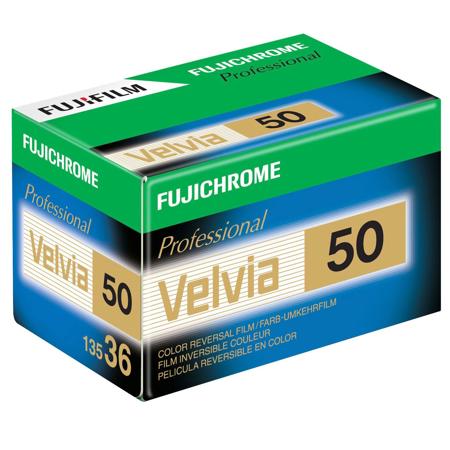
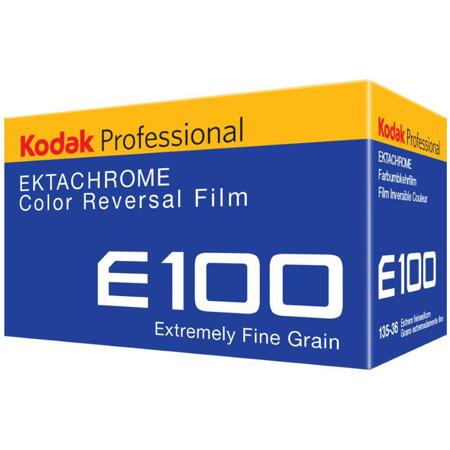
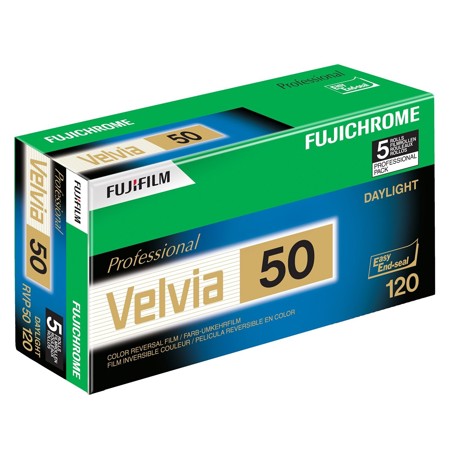
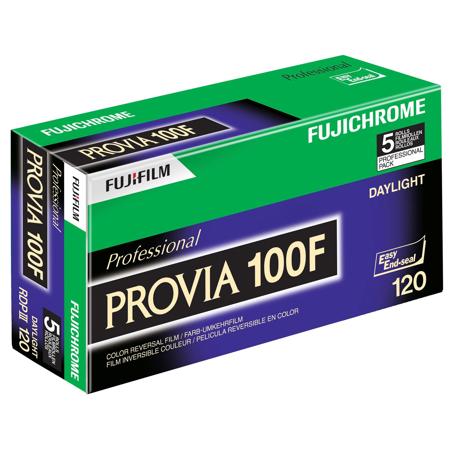
Color slide film, sometimes referred to as color reversal film, holds a special place in the hearts of photographers who crave vibrant, true-to-life color and unmistakable clarity. Unlike color negative film, color slide film produces a positive image—meaning you can view your photos directly as transparencies, whether on a light table, in a slide projector, or even held up to the sunlight for a quick preview. This unique medium is celebrated for its exceptionally fine grain, sharpness, and the kind of rich, saturated hues that make landscapes, portraits, and travel photography leap off the frame. As the weather warms and the days grow longer, many photographers reach for slide films to capture the full spectrum of the season—lush greens, deep blues, and the golden glow of early evening light. The directness of the image, combined with the film’s narrow dynamic range, demands a careful and considered approach; precise metering is essential, with highlights needing special attention to avoid losing detail. For those who relish the process, this challenge is part of the reward, encouraging a slower, more thoughtful style of shooting that can be deeply satisfying.
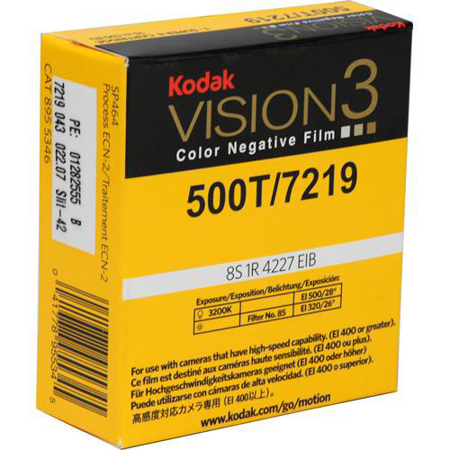
Slide film is available in several formats to suit different cameras and creative visions. 35mm remains a classic choice for its convenience and versatility, but 120 color slide film offers a larger negative and even finer detail, making it a favorite among medium format enthusiasts who want to make the most of their gear. There’s an undeniable magic in seeing a medium format transparency—colors are deeper, the resolution is breathtaking, and the overall effect is nothing short of cinematic. Even those who work with motion picture film, such as Super 8 camera users, can appreciate the unique characteristics that high-speed color film brings to the table, especially when capturing fleeting moments or shooting in changing light. Slide films are especially popular among landscape photographers, travel shooters, and anyone with a passion for analog processes. They also make a thoughtful gift for photography students, hobbyists, or anyone looking to experience the tactile, hands-on joy of film photography. With the resurgence of analog photography, gifting a few rolls of slide film—perhaps alongside a handheld light viewer or a vintage projector—can inspire creativity and introduce newcomers to a classic art form.
When considering a purchase, it’s important to remember that color slide film is best suited for scenes with manageable contrast and well-controlled lighting, as its exposure latitude is narrower than that of color negative film. This makes it ideal for outdoor adventures, studio portraits, or any situation where you can meter carefully and work with predictable lighting. For those interested in digitizing their work, slide film offers another advantage: because there is no need to invert colors during the scanning process, the resulting digital files tend to be more accurate and require less post-processing. However, it’s worth noting that color slide film requires E-6 processing, which is a specialized chemical process handled by select photo labs. While this can mean a slightly higher investment in both film and processing, the results—vivid, archival-quality transparencies—are well worth it for those who value color fidelity and image sharpness. Whether you’re a seasoned film photographer or just beginning to explore the world of analog, color slide film invites you to slow down, savor each frame, and see your images in a new light. To learn more about the broader world of analog color photography and discover tips, inspiration, and additional film options, visit our Color Film Photography page.
Slide film is available in several formats to suit different cameras and creative visions. 35mm remains a classic choice for its convenience and versatility, but 120 color slide film offers a larger negative and even finer detail, making it a favorite among medium format enthusiasts who want to make the most of their gear. There’s an undeniable magic in seeing a medium format transparency—colors are deeper, the resolution is breathtaking, and the overall effect is nothing short of cinematic. Even those who work with motion picture film, such as Super 8 camera users, can appreciate the unique characteristics that high-speed color film brings to the table, especially when capturing fleeting moments or shooting in changing light. Slide films are especially popular among landscape photographers, travel shooters, and anyone with a passion for analog processes. They also make a thoughtful gift for photography students, hobbyists, or anyone looking to experience the tactile, hands-on joy of film photography. With the resurgence of analog photography, gifting a few rolls of slide film—perhaps alongside a handheld light viewer or a vintage projector—can inspire creativity and introduce newcomers to a classic art form.
When considering a purchase, it’s important to remember that color slide film is best suited for scenes with manageable contrast and well-controlled lighting, as its exposure latitude is narrower than that of color negative film. This makes it ideal for outdoor adventures, studio portraits, or any situation where you can meter carefully and work with predictable lighting. For those interested in digitizing their work, slide film offers another advantage: because there is no need to invert colors during the scanning process, the resulting digital files tend to be more accurate and require less post-processing. However, it’s worth noting that color slide film requires E-6 processing, which is a specialized chemical process handled by select photo labs. While this can mean a slightly higher investment in both film and processing, the results—vivid, archival-quality transparencies—are well worth it for those who value color fidelity and image sharpness. Whether you’re a seasoned film photographer or just beginning to explore the world of analog, color slide film invites you to slow down, savor each frame, and see your images in a new light. To learn more about the broader world of analog color photography and discover tips, inspiration, and additional film options, visit our Color Film Photography page.