
Composite Video Stereo Audio Cables
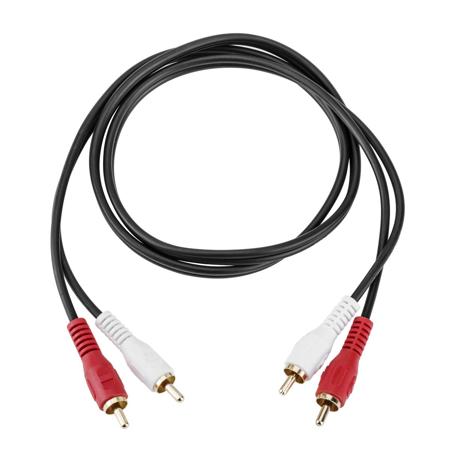
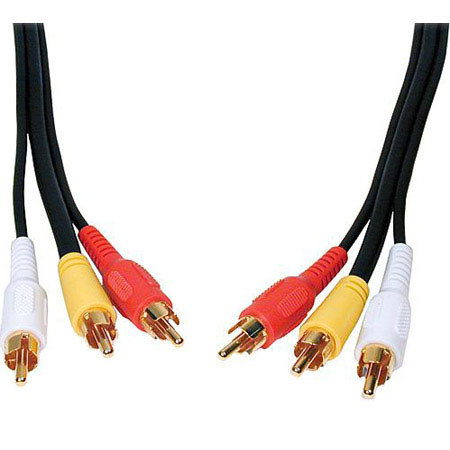
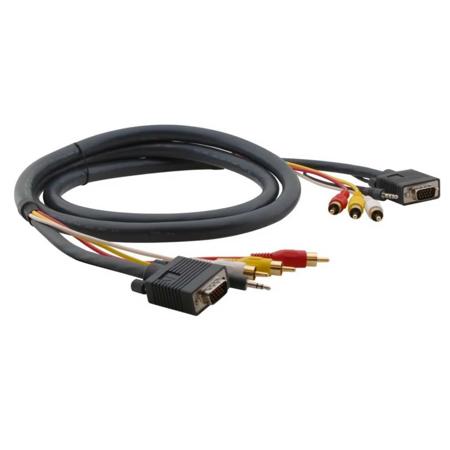
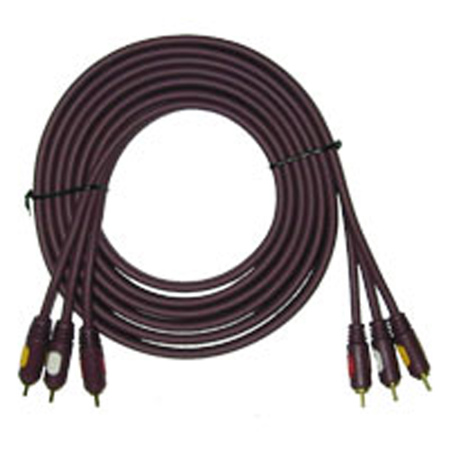
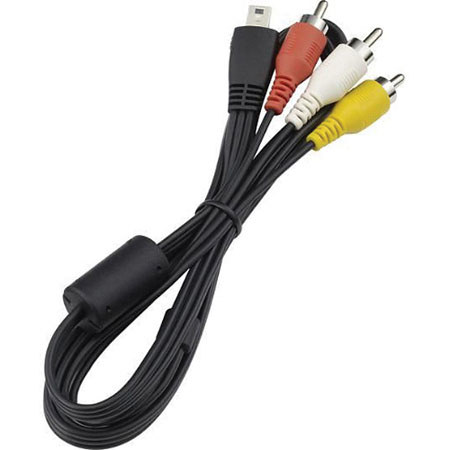
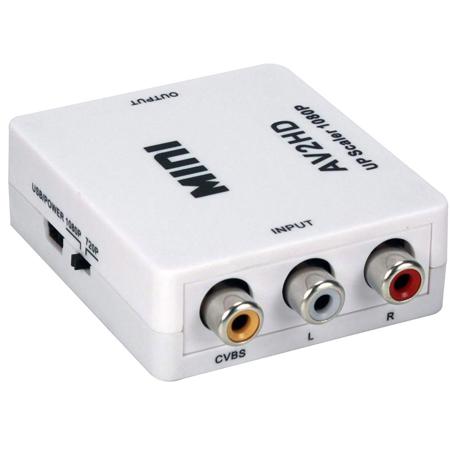
Composite video stereo audio cables have long been the backbone of home entertainment setups, especially for those who appreciate the charm and nostalgia of analog devices. These cables, easily identifiable by their trio of color-coded connectors—yellow for video, red and white for right and left stereo audio—offer a simple solution for transmitting standard-definition signals between devices. Whether you’re dusting off a classic VHS player to relive family memories, setting up a retro gaming console for a weekend of pixelated fun, or connecting an old camcorder to digitize home movies, composite video stereo audio cables provide a reliable and straightforward connection. The tactile satisfaction of plugging in those familiar RCA jacks, hearing the gentle click as they seat into place, and then watching a cherished film or hearing a favorite album play through a vintage stereo system is a unique joy for enthusiasts and newcomers alike. With the arrival of warmer weather and the promise of longer days, many people find themselves rearranging living spaces, organizing entertainment centers, or hosting gatherings where sharing old media becomes a centerpiece of the occasion. Composite video stereo audio cables fit seamlessly into these moments, ensuring that legacy equipment can still deliver the sights and sounds that make memories come alive.
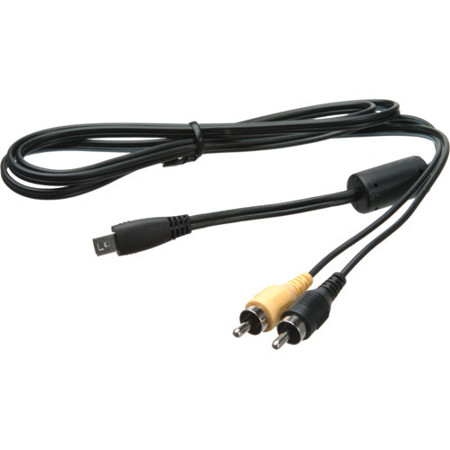
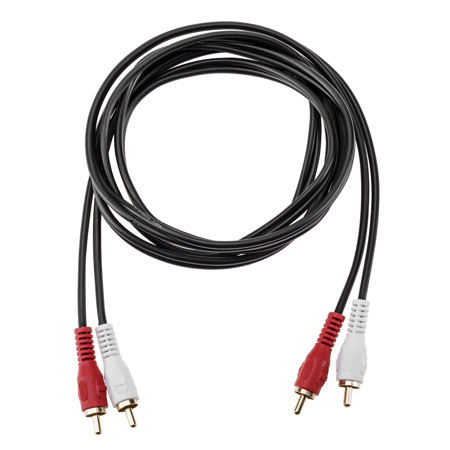
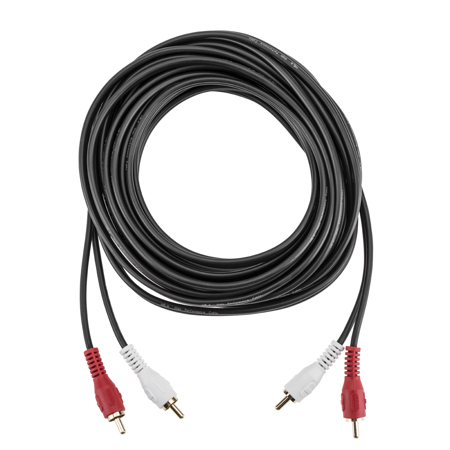
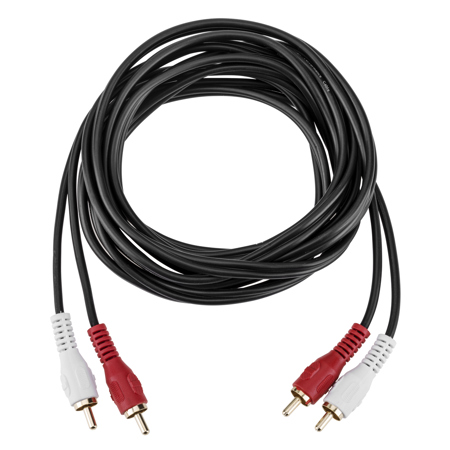
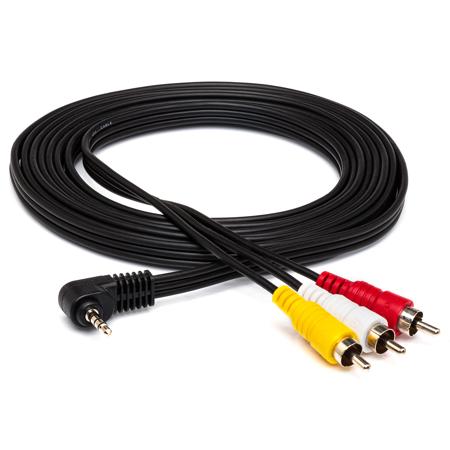
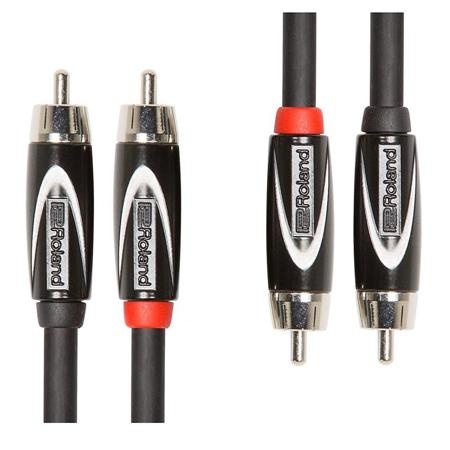
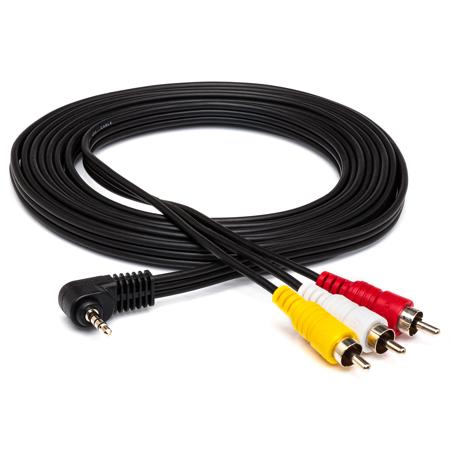
When considering which composite video stereo audio cable to add to your setup, it’s helpful to think about your specific needs and the devices you plan to connect. Standard cables typically feature three male RCA plugs on each end, but some vintage camcorders and portable electronics use a single 3.5mm plug that branches out into the familiar yellow, red, and white RCA connectors. Cable length is another important factor—shorter runs are ideal for tidy setups, while longer cables are perfect when components need to be spaced apart, such as running from a living room television to an AV receiver across the room. Shielding and build quality also play a role in signal integrity, particularly for longer distances or in environments with potential electrical interference. These cables are not just for personal use; they make thoughtful gifts for anyone who loves tinkering with audio-visual equipment, enjoys collecting vintage electronics, or wants to introduce younger generations to the tactile experience of classic media formats. As the seasons shift from the easy pace of summer into the cozy routines of fall, there’s something special about gathering with friends or family to enjoy a favorite film or video game on original hardware, the analog warmth of composite video and stereo audio setting the perfect mood.
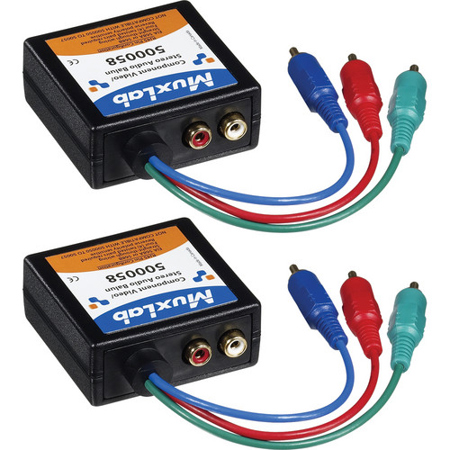
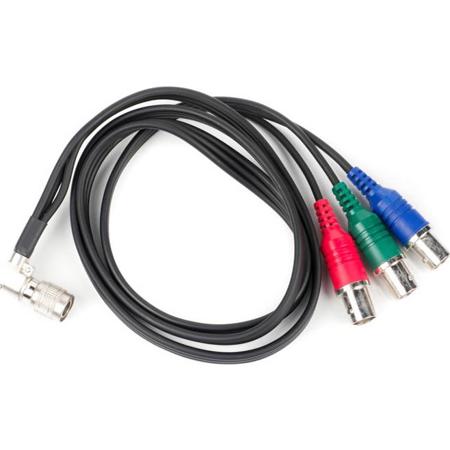
For those looking to expand their connectivity options or seeking higher-quality analog signals, it’s worth exploring the differences between composite video and other RCA-based solutions, such as component video. While composite cables combine all video information into a single yellow connector, component video uses separate cables for different video signals, delivering improved image clarity and color separation. If your equipment supports it, stepping up to component video can make a noticeable difference, especially for discerning viewers or collectors. To learn more about these alternatives and find the right cables for your needs, visit our dedicated page on RCA Cables for Component Video. No matter the setup or season, composite video stereo audio cables remain a trusted, versatile choice for connecting the past to the present, letting you enjoy the full spectrum of your media collection with ease and authenticity.
When considering which composite video stereo audio cable to add to your setup, it’s helpful to think about your specific needs and the devices you plan to connect. Standard cables typically feature three male RCA plugs on each end, but some vintage camcorders and portable electronics use a single 3.5mm plug that branches out into the familiar yellow, red, and white RCA connectors. Cable length is another important factor—shorter runs are ideal for tidy setups, while longer cables are perfect when components need to be spaced apart, such as running from a living room television to an AV receiver across the room. Shielding and build quality also play a role in signal integrity, particularly for longer distances or in environments with potential electrical interference. These cables are not just for personal use; they make thoughtful gifts for anyone who loves tinkering with audio-visual equipment, enjoys collecting vintage electronics, or wants to introduce younger generations to the tactile experience of classic media formats. As the seasons shift from the easy pace of summer into the cozy routines of fall, there’s something special about gathering with friends or family to enjoy a favorite film or video game on original hardware, the analog warmth of composite video and stereo audio setting the perfect mood.
For those looking to expand their connectivity options or seeking higher-quality analog signals, it’s worth exploring the differences between composite video and other RCA-based solutions, such as component video. While composite cables combine all video information into a single yellow connector, component video uses separate cables for different video signals, delivering improved image clarity and color separation. If your equipment supports it, stepping up to component video can make a noticeable difference, especially for discerning viewers or collectors. To learn more about these alternatives and find the right cables for your needs, visit our dedicated page on RCA Cables for Component Video. No matter the setup or season, composite video stereo audio cables remain a trusted, versatile choice for connecting the past to the present, letting you enjoy the full spectrum of your media collection with ease and authenticity.