Computers For Accountants
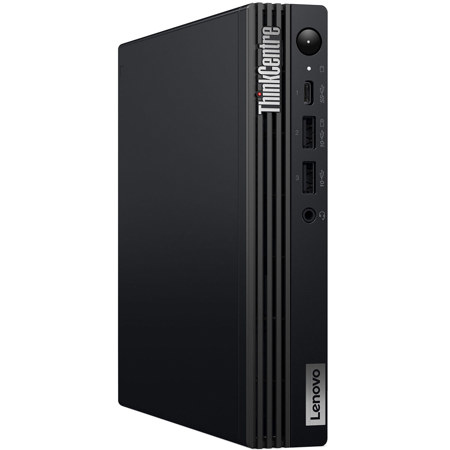
When selecting a computer for professional finance work, accountants and financial professionals have a unique set of requirements that go far beyond the average office user. The daily workload often involves managing massive spreadsheets, running complex accounting software, and multitasking between emails, ledgers, and tax preparation tools. Whether you’re a CPA setting up your own practice, a staff accountant in a bustling firm, or a student entering the world of finance, the right computer can make all the difference in productivity and accuracy. As the weather transitions from the warmth of early summer into the cooler months of fall, many professionals take this time to upgrade their workstations or invest in new technology to prepare for the busy season ahead. This is also a popular period for recent graduates entering the workforce, making a cpa computer a highly practical and appreciated gift for those starting their careers in accounting or finance.
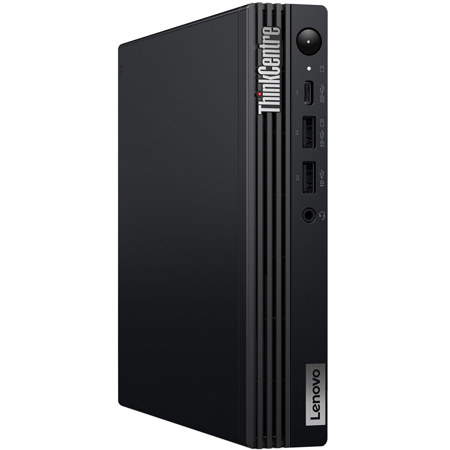
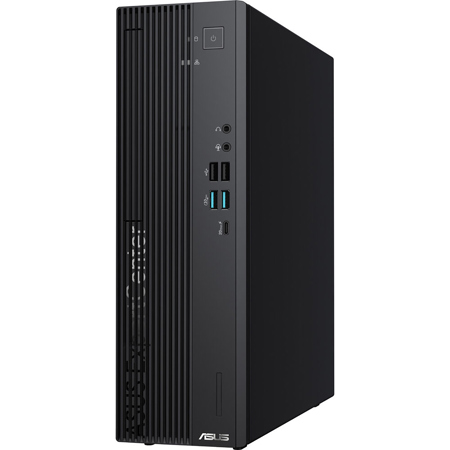
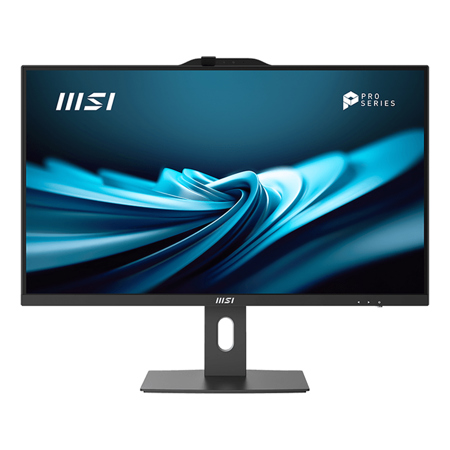
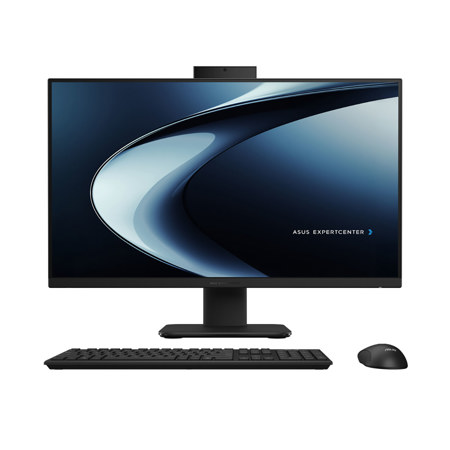
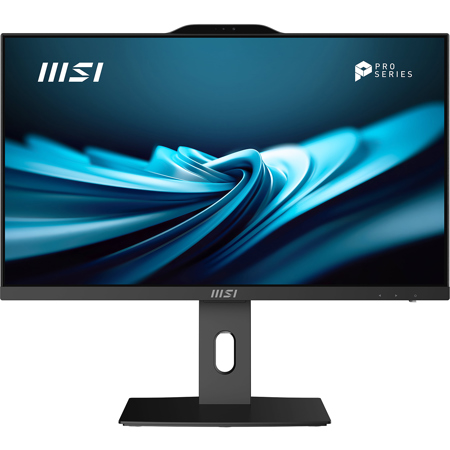
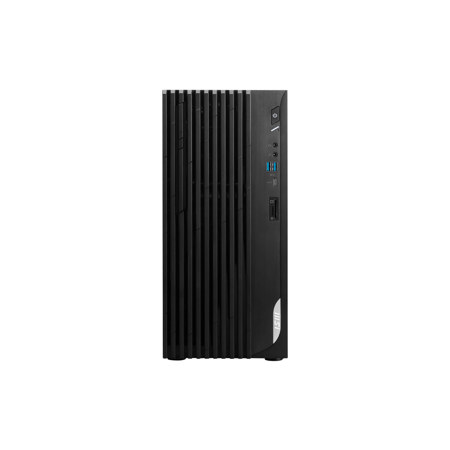
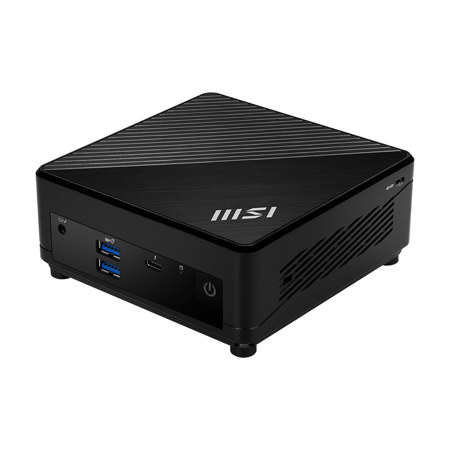
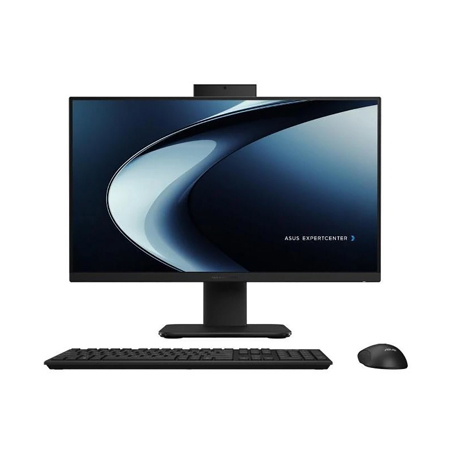
When evaluating the best desktop computer for accounting, there are several critical features to consider. Processing power is paramount; a multi-core CPU with clock speeds above 2.5 GHz ensures smooth performance, especially when running resource-heavy applications like QuickBooks, Xero, or large Excel macros. Memory is equally important, with 16GB of RAM now considered the industry standard for preventing slowdowns during intensive multitasking or when switching between multiple open programs. Storage solutions have evolved, and a fast Solid State Drive (SSD) is now essential for quick boot times and instant access to files—256GB is a good starting point, but many professionals opt for 512GB or more to accommodate years of financial records and software. For those who spend hours entering data, a full-sized keyboard with a dedicated number pad, or an external number pad, can significantly reduce fatigue and improve speed. Visual clarity is also crucial; many accountants prefer a dual-monitor setup or a single ultrawide display to view source documents, ledgers, and emails side by side, streamlining the reconciliation and reporting process.
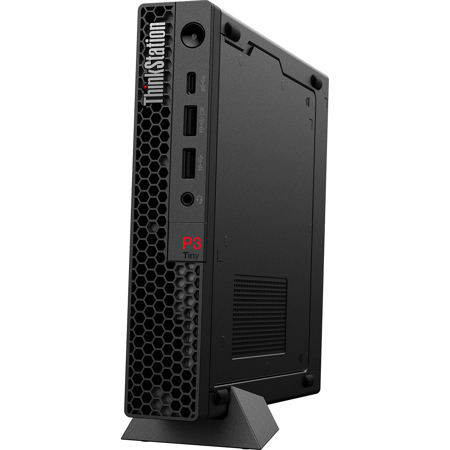
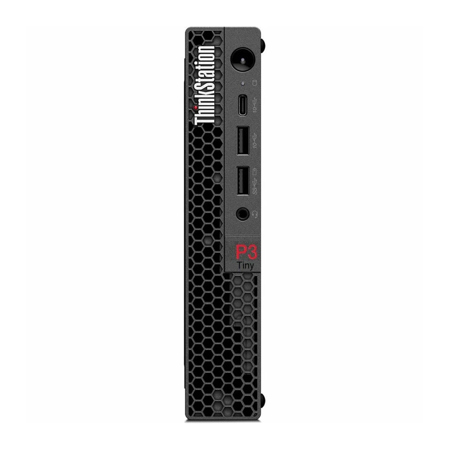
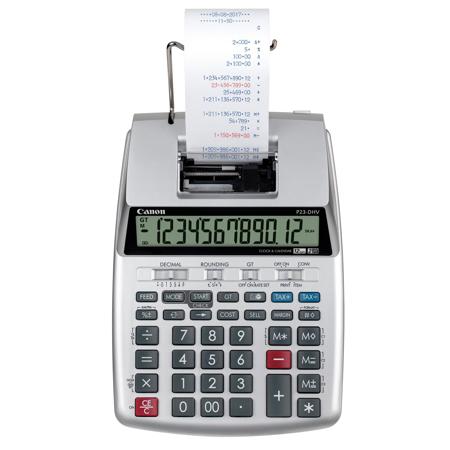
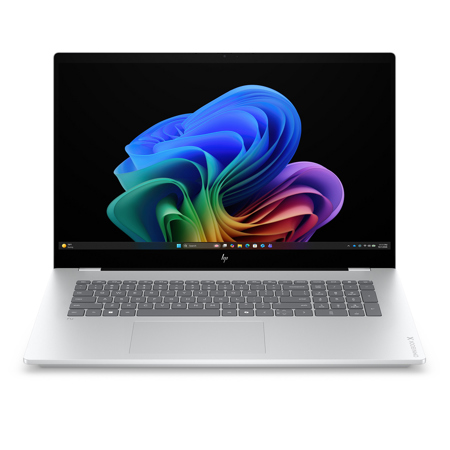
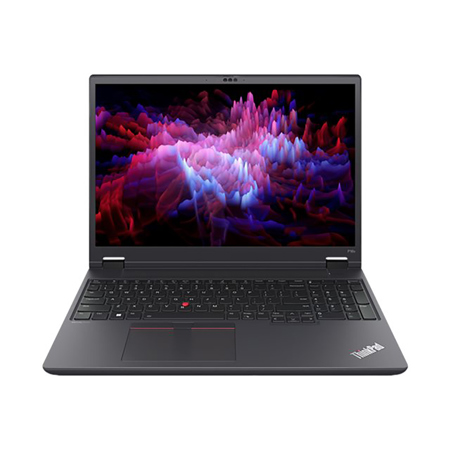
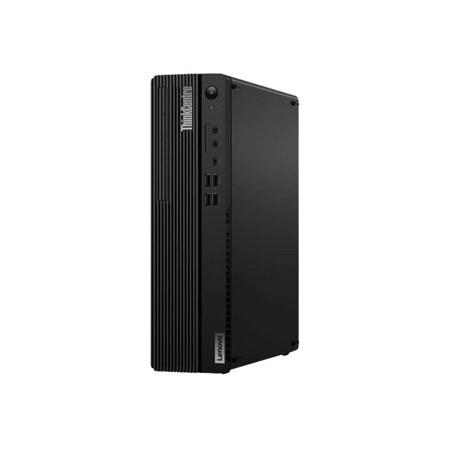
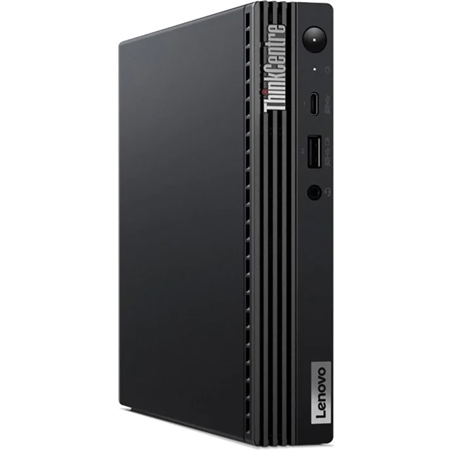
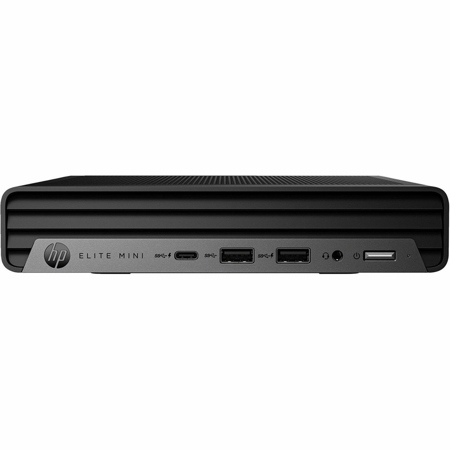
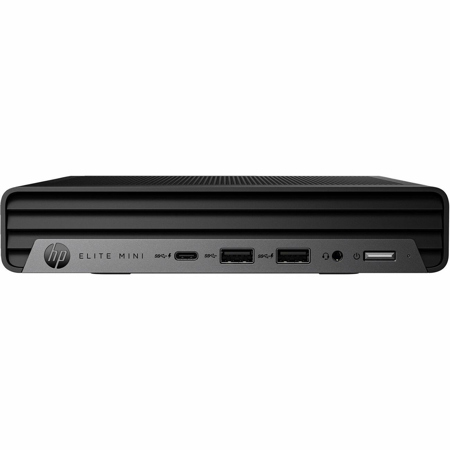
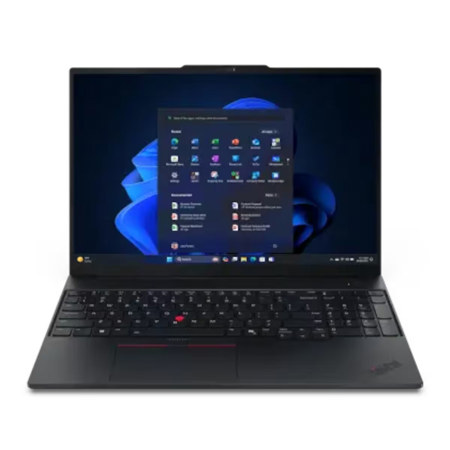
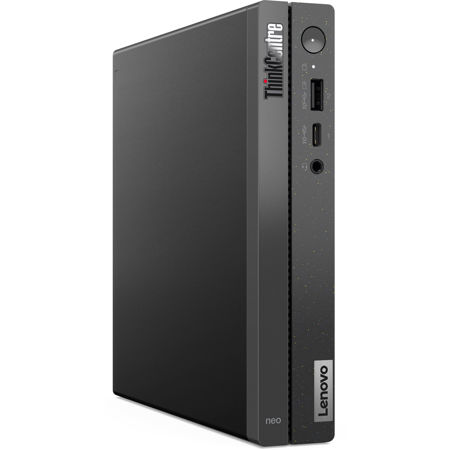
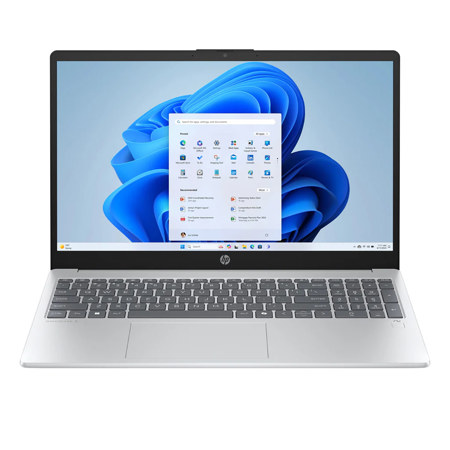
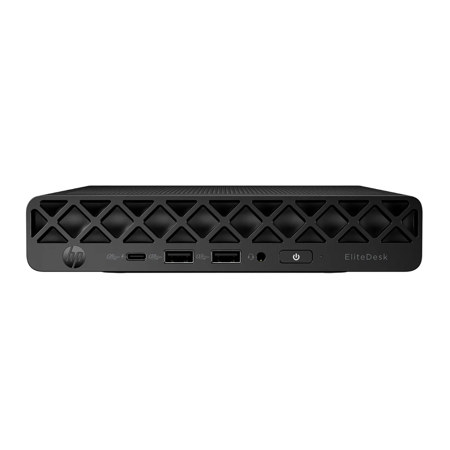
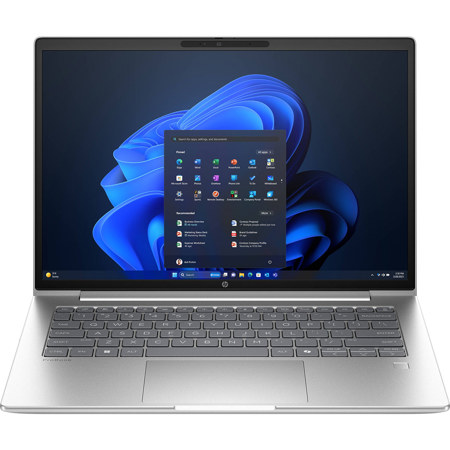
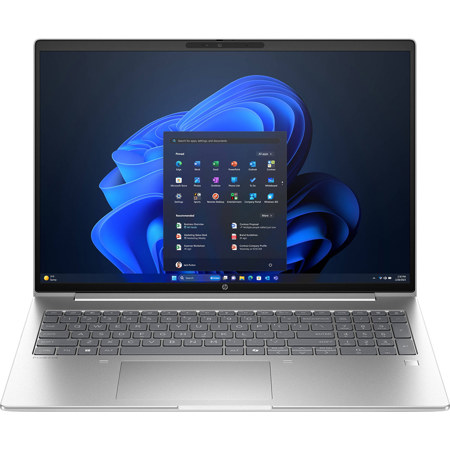
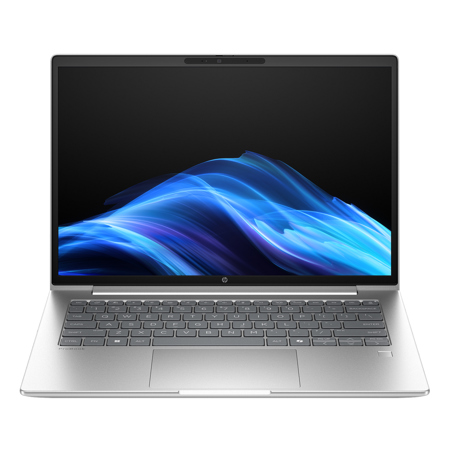
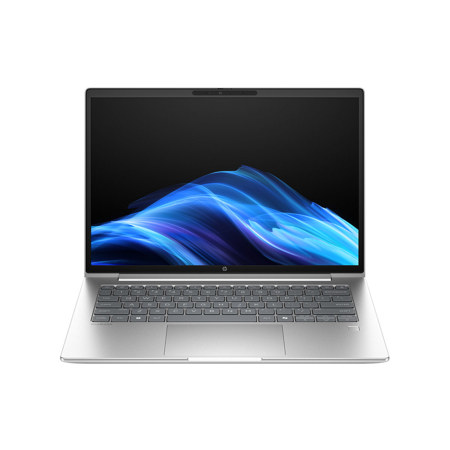
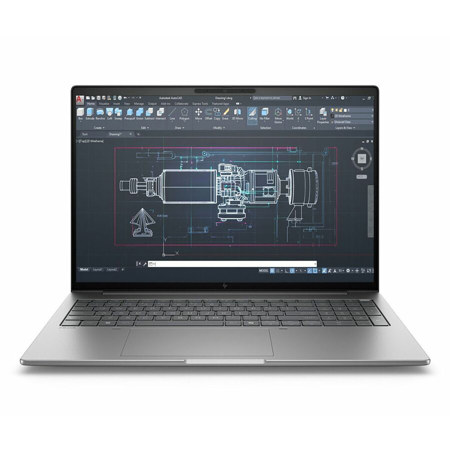
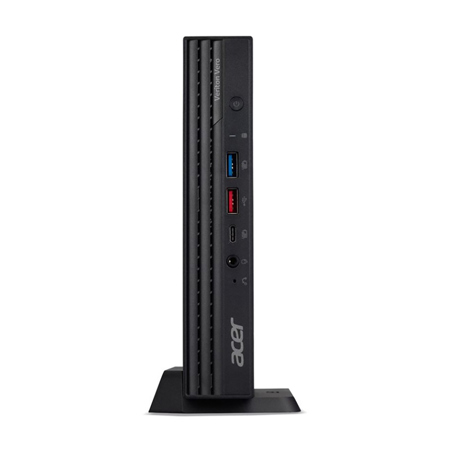
The most recommended western desktop computers for small business accounting work are designed with reliability and expandability in mind, making them ideal for firms anticipating growth or changing software needs. These desktops often feature robust connectivity options for printers, scanners, and secure backup drives, as well as business-grade security features to safeguard sensitive client data. For those who need portability—such as accountants who travel between client sites or work from home—a lightweight laptop with a high-resolution display and all-day battery life is often the best choice. Students and entry-level professionals may also benefit from models that balance affordability with essential features, ensuring a smooth transition from classroom to career. Whether you’re searching for the best desktop for accounting or a versatile laptop for remote work, investing in the right technology can set the stage for years of success. And for those looking to round out their toolkit, our selection of Calculators for Accounting Students offers practical options for anyone pursuing studies or professional certifications in finance. With the right computer and accessories, accountants can tackle even the busiest seasons with confidence, efficiency, and peace of mind.
When evaluating the best desktop computer for accounting, there are several critical features to consider. Processing power is paramount; a multi-core CPU with clock speeds above 2.5 GHz ensures smooth performance, especially when running resource-heavy applications like QuickBooks, Xero, or large Excel macros. Memory is equally important, with 16GB of RAM now considered the industry standard for preventing slowdowns during intensive multitasking or when switching between multiple open programs. Storage solutions have evolved, and a fast Solid State Drive (SSD) is now essential for quick boot times and instant access to files—256GB is a good starting point, but many professionals opt for 512GB or more to accommodate years of financial records and software. For those who spend hours entering data, a full-sized keyboard with a dedicated number pad, or an external number pad, can significantly reduce fatigue and improve speed. Visual clarity is also crucial; many accountants prefer a dual-monitor setup or a single ultrawide display to view source documents, ledgers, and emails side by side, streamlining the reconciliation and reporting process.
The most recommended western desktop computers for small business accounting work are designed with reliability and expandability in mind, making them ideal for firms anticipating growth or changing software needs. These desktops often feature robust connectivity options for printers, scanners, and secure backup drives, as well as business-grade security features to safeguard sensitive client data. For those who need portability—such as accountants who travel between client sites or work from home—a lightweight laptop with a high-resolution display and all-day battery life is often the best choice. Students and entry-level professionals may also benefit from models that balance affordability with essential features, ensuring a smooth transition from classroom to career. Whether you’re searching for the best desktop for accounting or a versatile laptop for remote work, investing in the right technology can set the stage for years of success. And for those looking to round out their toolkit, our selection of Calculators for Accounting Students offers practical options for anyone pursuing studies or professional certifications in finance. With the right computer and accessories, accountants can tackle even the busiest seasons with confidence, efficiency, and peace of mind.