Computers For Music Production
When it comes to choosing computers for music production, the right system can make all the difference between a seamless creative flow and frustrating technical bottlenecks. Whether you’re a seasoned producer layering dozens of tracks in a bustling studio, a singer-songwriter recording demos in a cozy home setup, or a DJ crafting beats on the go, the demands of modern digital audio workstations (DAWs) require computers that deliver both speed and reliability. The winter months, with their longer evenings, often inspire musicians to dive deep into new projects, making January an ideal time to upgrade your setup or gift a powerful machine to the music lover in your life. Many aspiring producers receive their first audio interface or MIDI controller during the holidays, and pairing these with a capable computer ensures their creative journey starts on the right foot. For educators, hobbyists, and professionals alike, the right computer is the heart of any music production environment—serving as the hub for recording, mixing, sound design, and mastering.
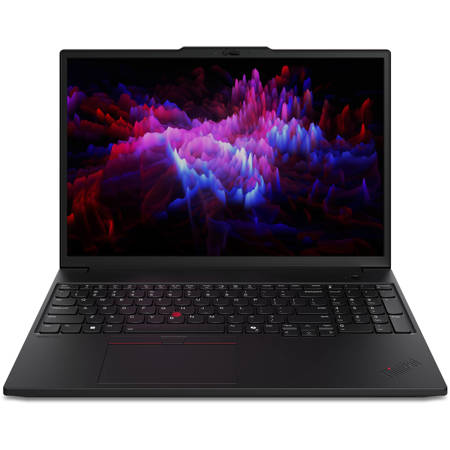
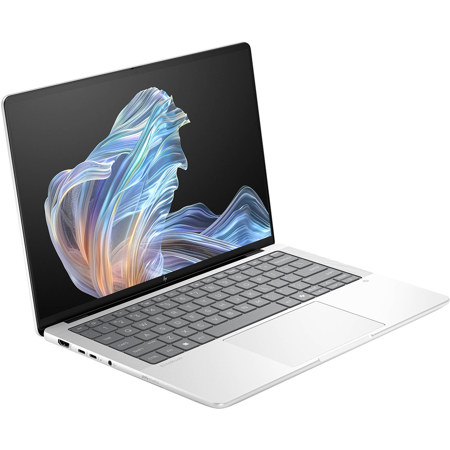
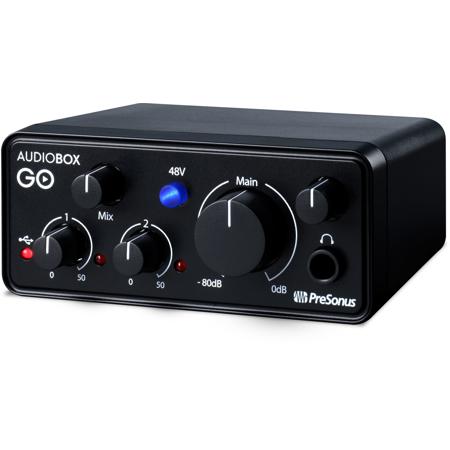
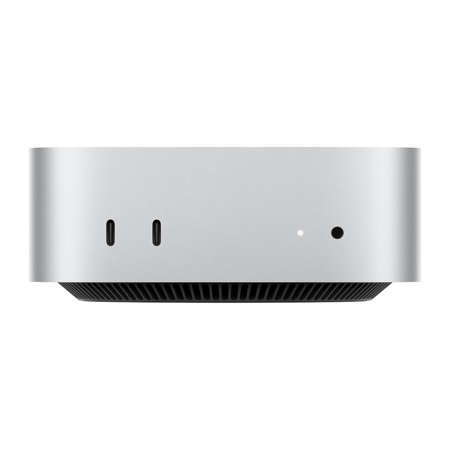
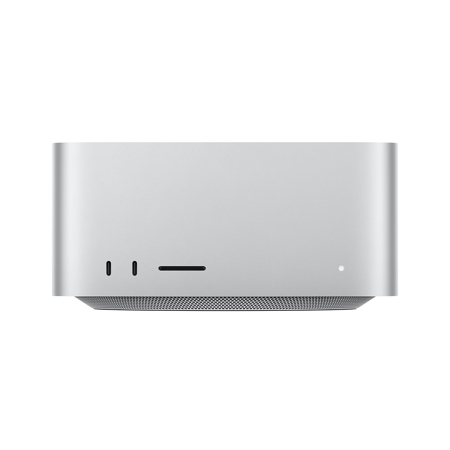
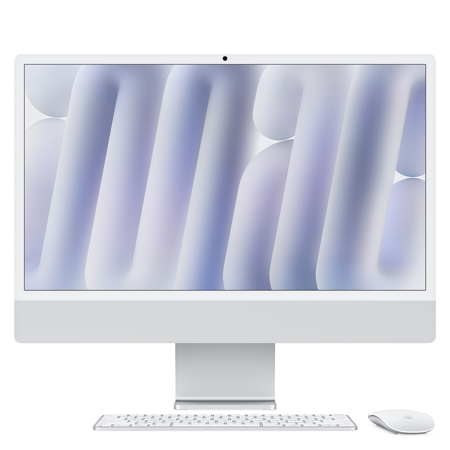
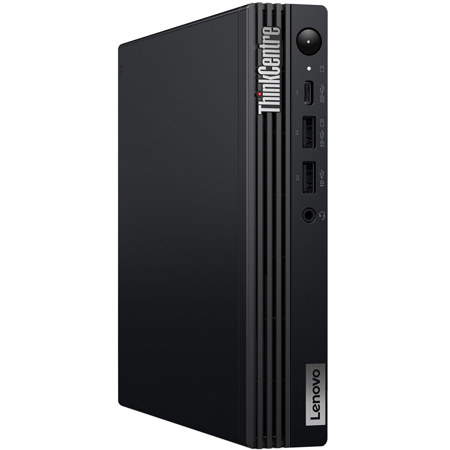
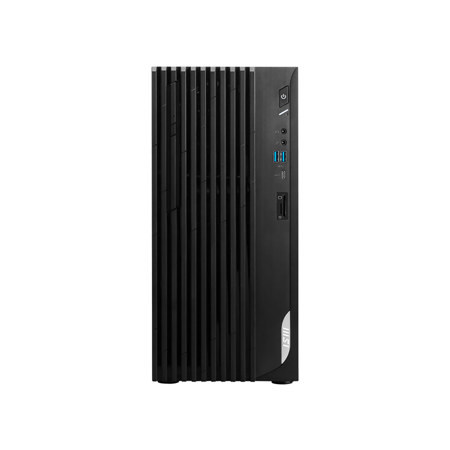
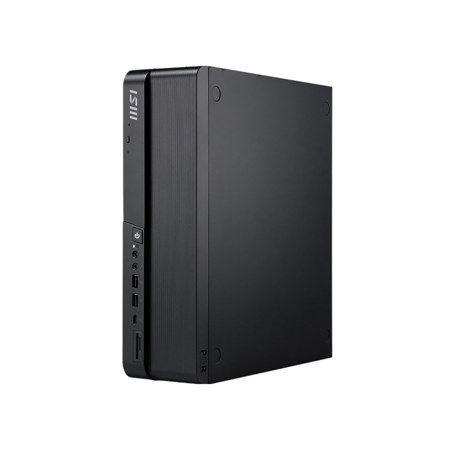
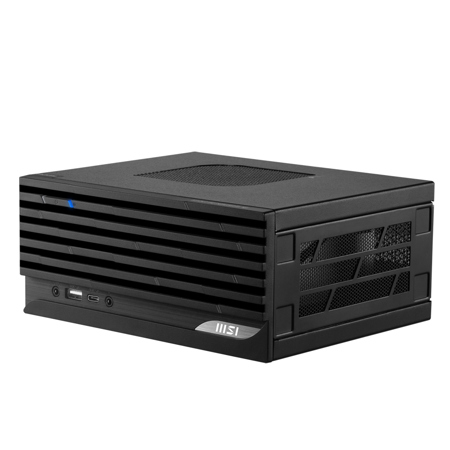
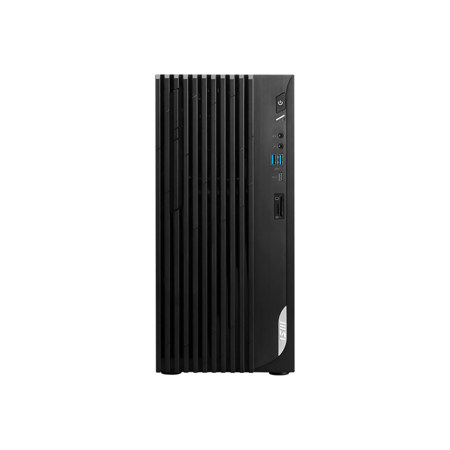
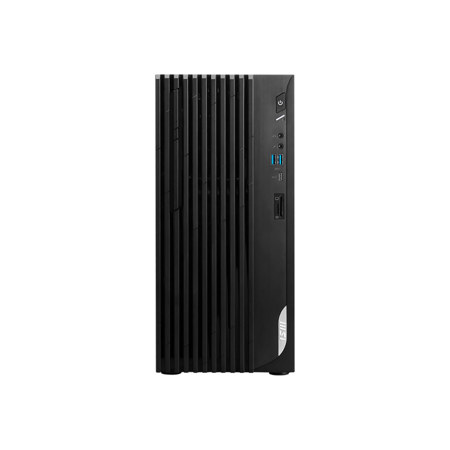
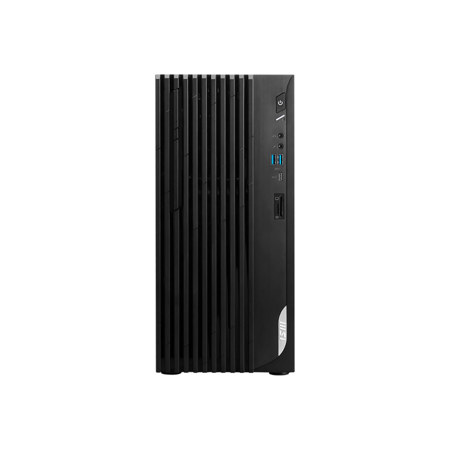
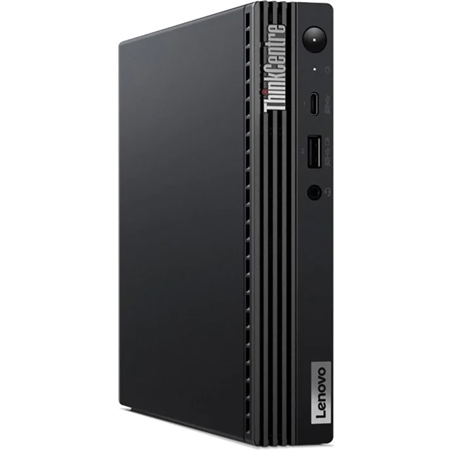
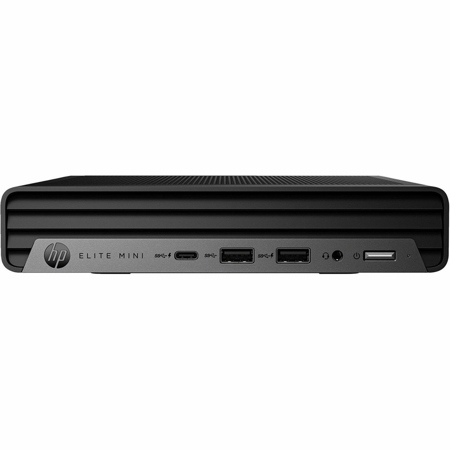
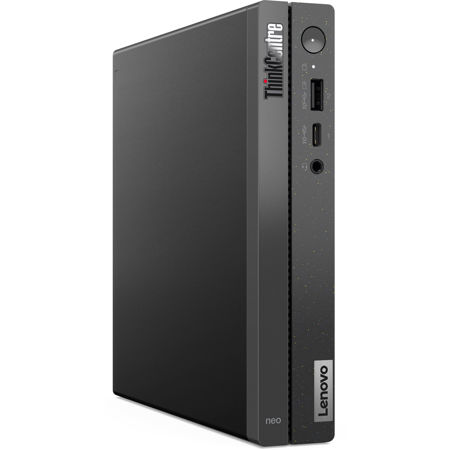
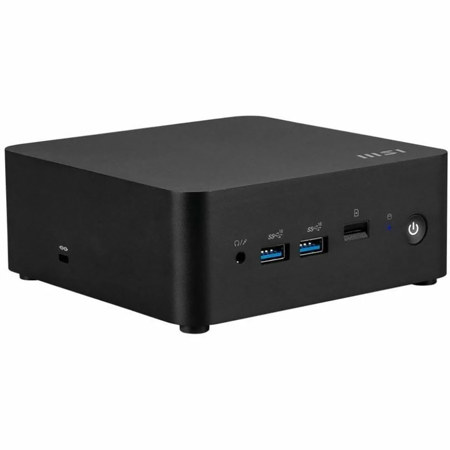
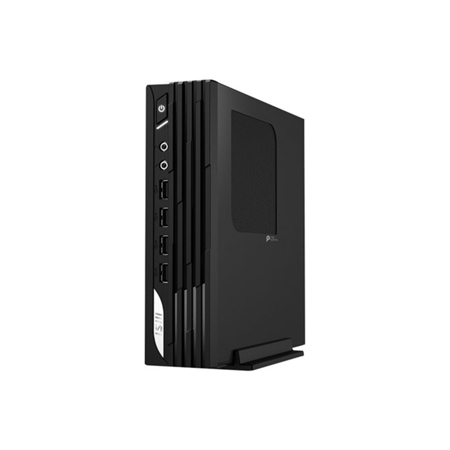
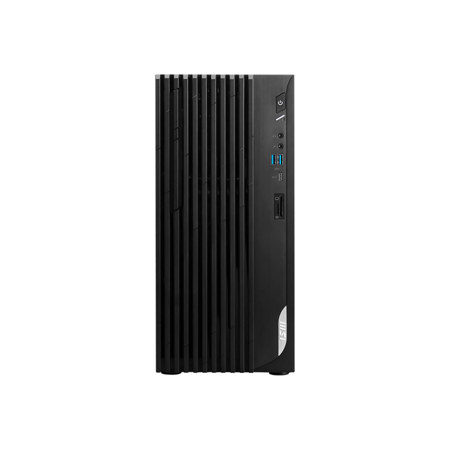
As the complexity of music projects grows, so does the need for robust hardware. Desktop computers for music production are favored by those who prioritize raw performance and expandability, often featuring multi-core processors that breeze through demanding sessions filled with virtual instruments and effects. Laptops, on the other hand, offer the flexibility to compose and edit from anywhere—be it a tour bus, a coffee shop, or a collaborative session across town. Regardless of form factor, key considerations include a fast multi-core CPU (such as the latest Intel, AMD, or Apple silicon chips), a minimum of 16GB RAM for handling multiple tracks and plugins, and a solid-state drive with at least 512GB of storage to ensure quick load times and ample space for large sample libraries. Connectivity is equally important; musicians often rely on audio interfaces, MIDI controllers, and external drives, so having the right mix of USB, Thunderbolt, or USB-C ports is essential. For those who prefer macOS and the exclusive features of Logic Pro, or for anyone seeking a curated selection of compatible gear, our Music Production Equipment for MAC page offers tailored solutions to help you build your ideal setup.
Selecting the best computer for music production is ultimately about matching your workflow and ambitions with the right combination of power, portability, and future-proofing. Beginners might start with budget-friendly options that prioritize CPU and RAM, knowing that storage and peripherals can be upgraded as their skills and needs evolve. Meanwhile, professionals handling large-scale projects or working in commercial studios often invest in high-end desktops or laptops with advanced specs to minimize latency and maximize productivity. These systems are not only tools but also investments in creative potential, supporting everything from intricate orchestral arrangements to beat-driven electronic tracks. As technology continues to advance, today’s computers offer remarkable versatility—enabling musicians to collaborate remotely, experiment with cutting-edge plugins, and bring their musical visions to life with unprecedented speed and fidelity. Whether you’re shopping for yourself or searching for the perfect gift for the music producer in your life, exploring the latest computers for music production is a step toward unlocking new levels of creativity and expression.
As the complexity of music projects grows, so does the need for robust hardware. Desktop computers for music production are favored by those who prioritize raw performance and expandability, often featuring multi-core processors that breeze through demanding sessions filled with virtual instruments and effects. Laptops, on the other hand, offer the flexibility to compose and edit from anywhere—be it a tour bus, a coffee shop, or a collaborative session across town. Regardless of form factor, key considerations include a fast multi-core CPU (such as the latest Intel, AMD, or Apple silicon chips), a minimum of 16GB RAM for handling multiple tracks and plugins, and a solid-state drive with at least 512GB of storage to ensure quick load times and ample space for large sample libraries. Connectivity is equally important; musicians often rely on audio interfaces, MIDI controllers, and external drives, so having the right mix of USB, Thunderbolt, or USB-C ports is essential. For those who prefer macOS and the exclusive features of Logic Pro, or for anyone seeking a curated selection of compatible gear, our Music Production Equipment for MAC page offers tailored solutions to help you build your ideal setup.
Selecting the best computer for music production is ultimately about matching your workflow and ambitions with the right combination of power, portability, and future-proofing. Beginners might start with budget-friendly options that prioritize CPU and RAM, knowing that storage and peripherals can be upgraded as their skills and needs evolve. Meanwhile, professionals handling large-scale projects or working in commercial studios often invest in high-end desktops or laptops with advanced specs to minimize latency and maximize productivity. These systems are not only tools but also investments in creative potential, supporting everything from intricate orchestral arrangements to beat-driven electronic tracks. As technology continues to advance, today’s computers offer remarkable versatility—enabling musicians to collaborate remotely, experiment with cutting-edge plugins, and bring their musical visions to life with unprecedented speed and fidelity. Whether you’re shopping for yourself or searching for the perfect gift for the music producer in your life, exploring the latest computers for music production is a step toward unlocking new levels of creativity and expression.