Condenser Microphones For Piano Recording
For those seeking to capture the expressive nuance and full tonal range of a piano, condenser microphones are the preferred choice among musicians, audio engineers, educators, and content creators. Whether you’re recording a grand piano in a concert hall or an upright in a cozy home studio, the sensitivity and detail offered by condenser microphones make them uniquely suited for this task. Their ability to render the subtle resonance of the soundboard, the crisp attack of the hammers, and the shimmering decay of each note is unparalleled, preserving the character of the instrument through every dynamic passage. As the days shift from summer’s warmth into the cooler, reflective months of early fall, many musicians find themselves inspired to capture new compositions, document practice sessions, or prepare for seasonal performances. A quality condenser microphone can transform these moments, making them accessible for remote lessons, collaborative projects, or personal archives.
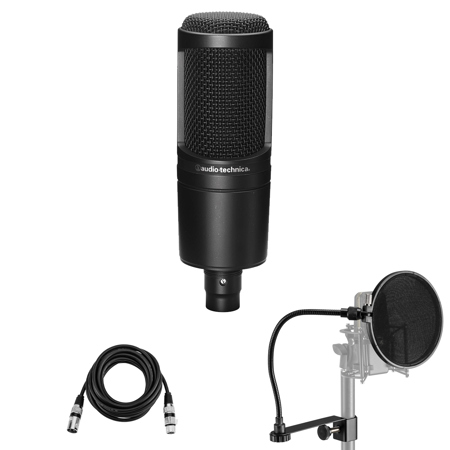
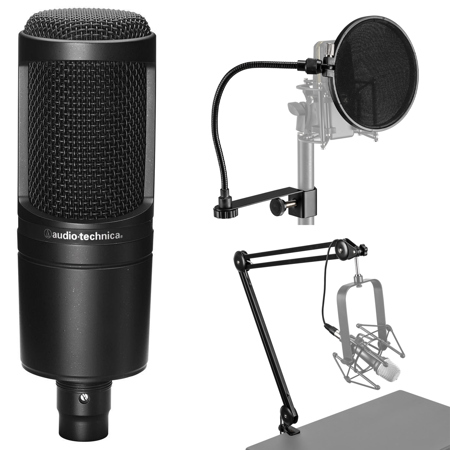
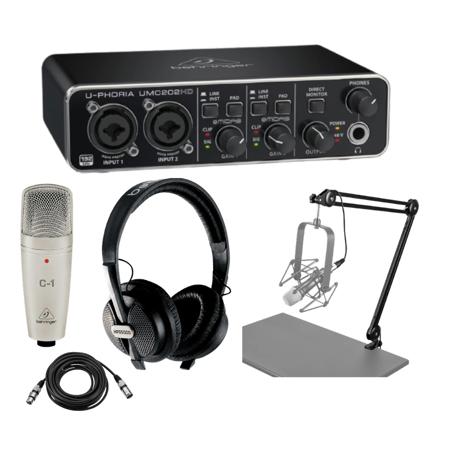
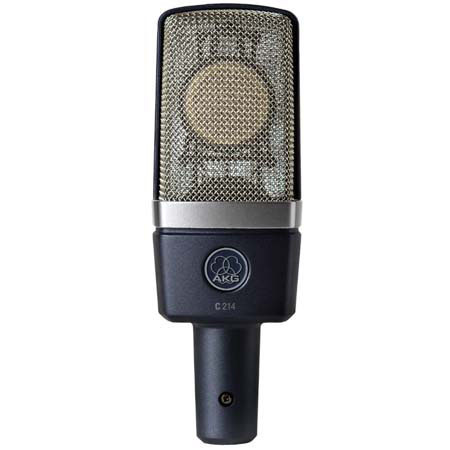
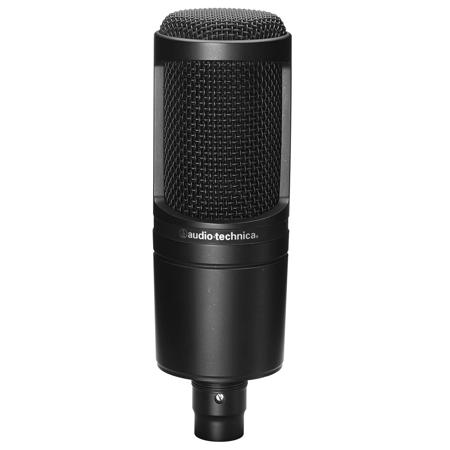
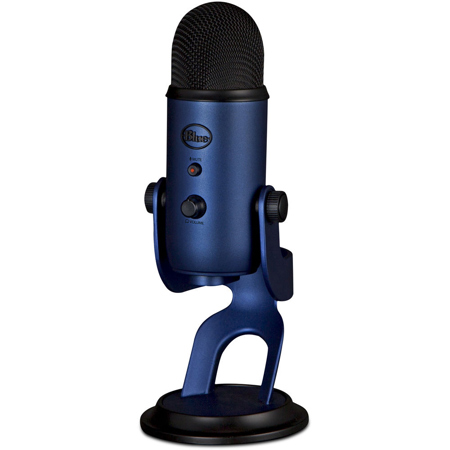
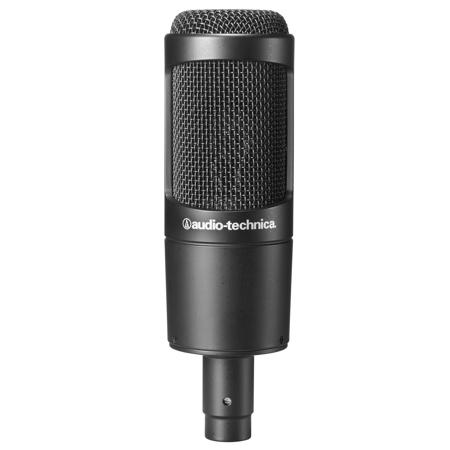
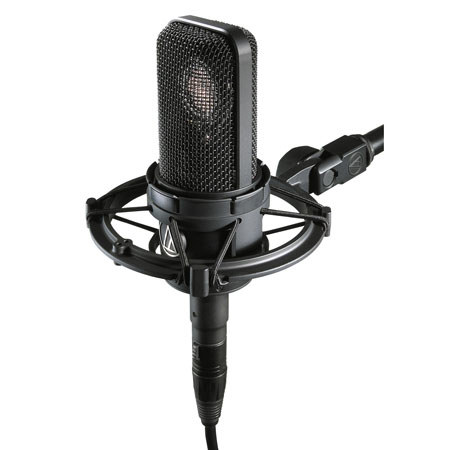
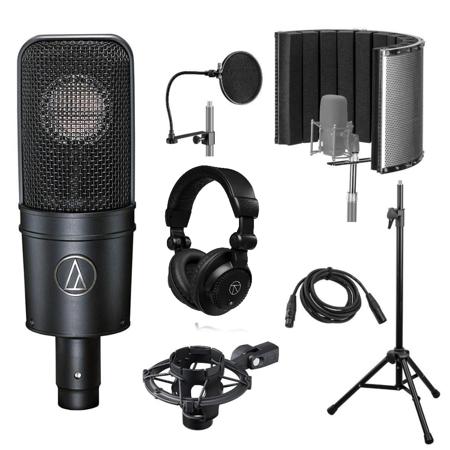
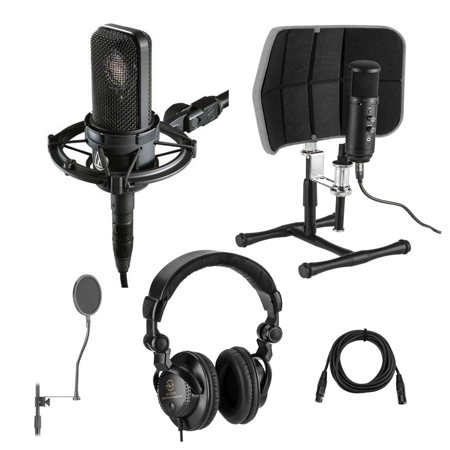
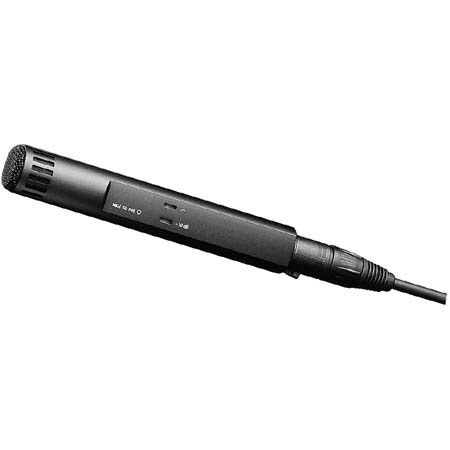
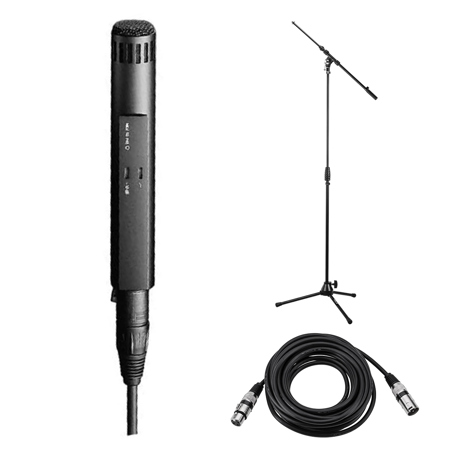
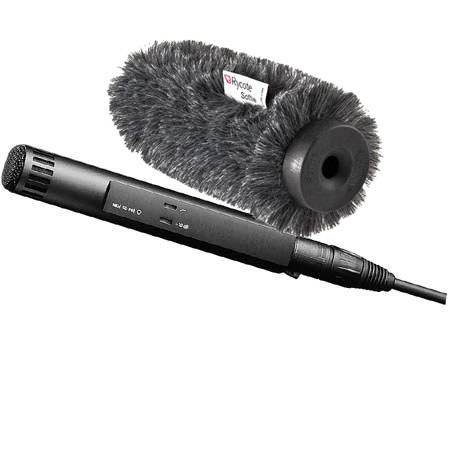
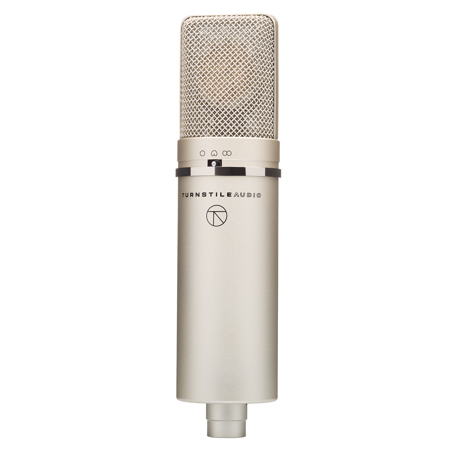
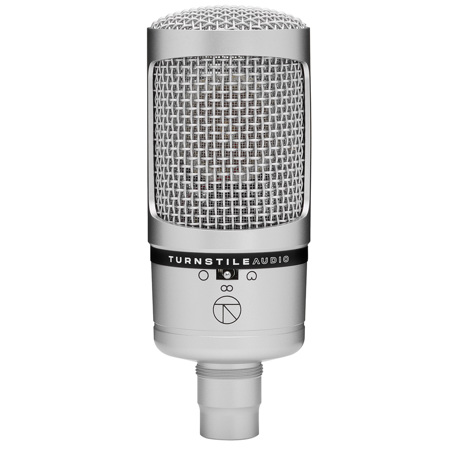
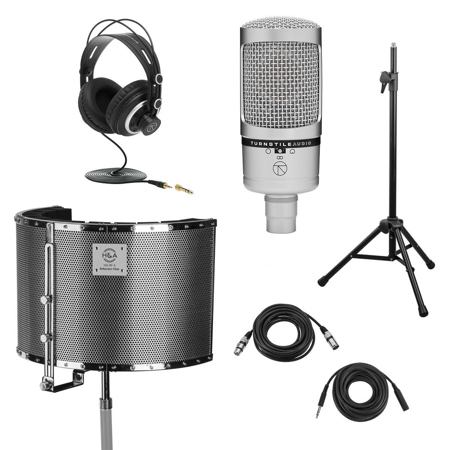
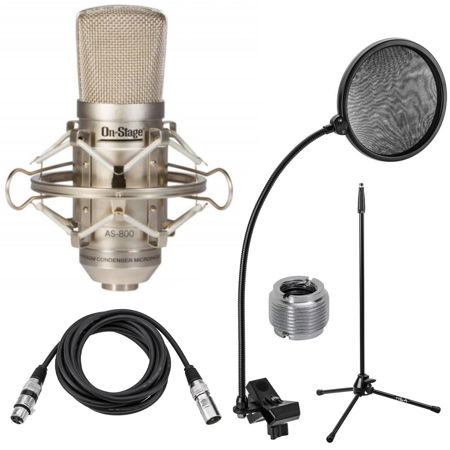
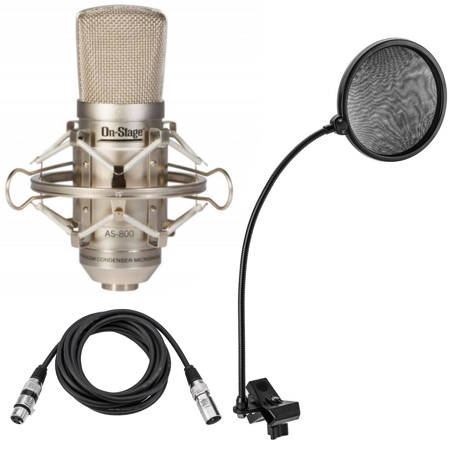
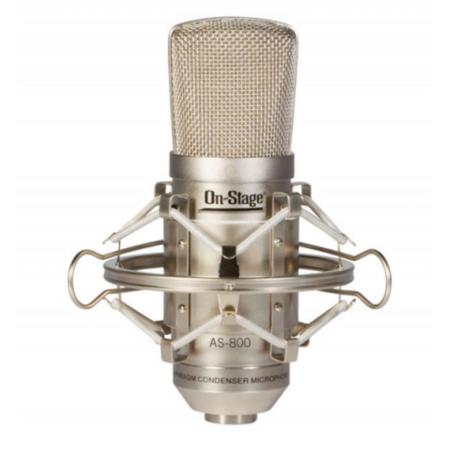
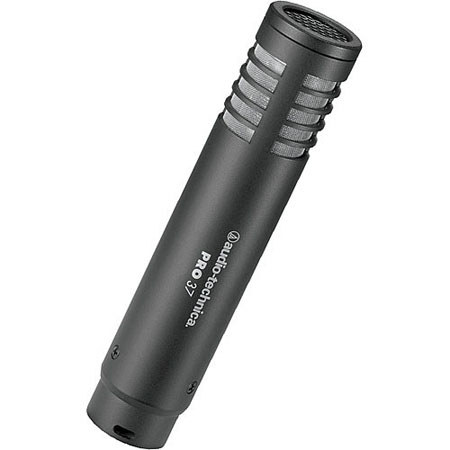
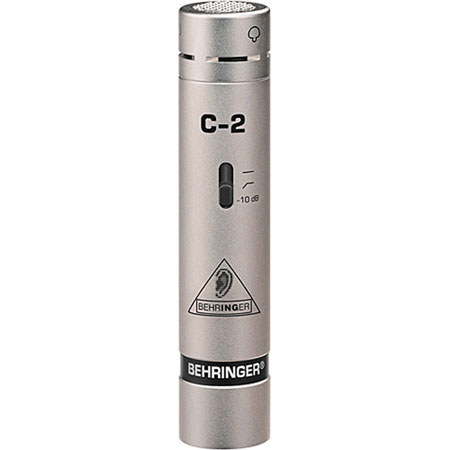
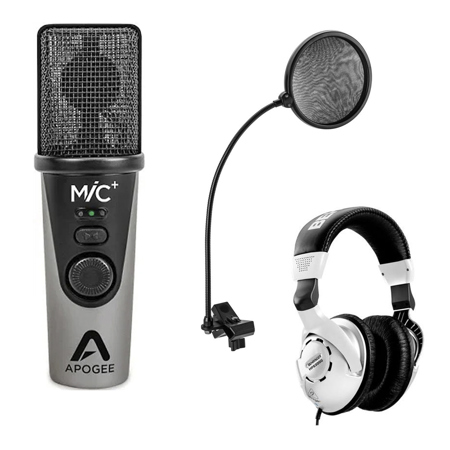
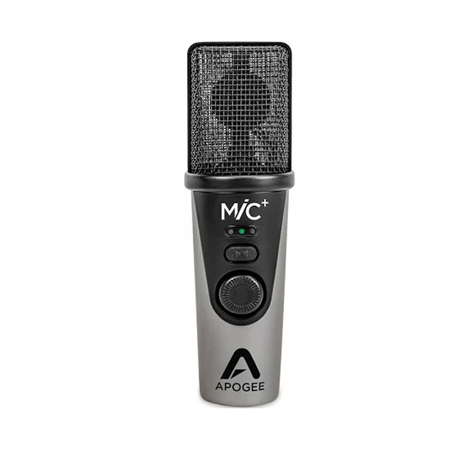
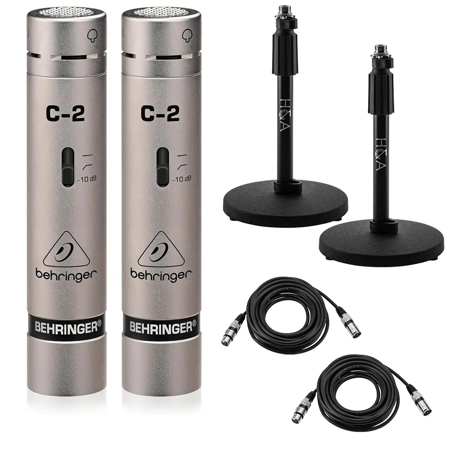
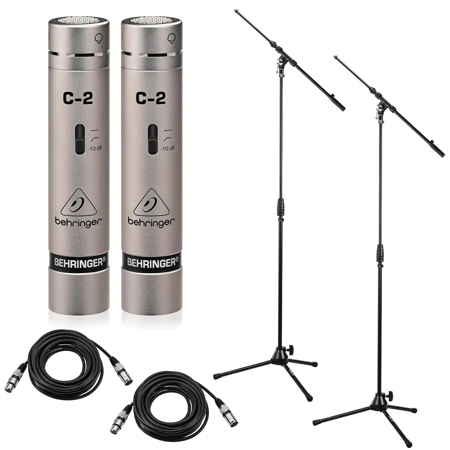
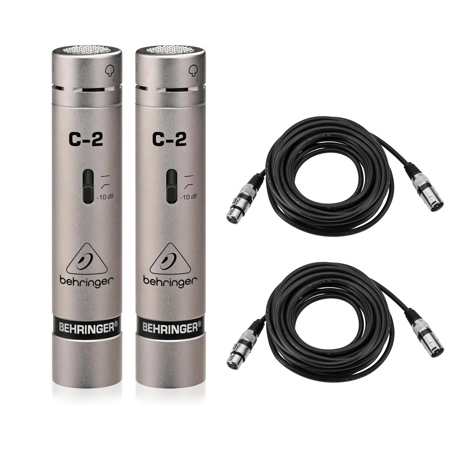
Selecting the right condenser microphone for piano recording depends on several important factors, including the type of piano, the acoustics of your space, and your preferred recording method. Small-diaphragm condensers are often favored for their accuracy and fast transient response, capturing the intricate details of each keystroke and the natural ambience of the room. These are commonly used in stereo pairs, allowing for versatile placement techniques such as spaced pair or X/Y configurations. Large-diaphragm condensers, on the other hand, offer a rich, warm sound that can beautifully highlight the depth and resonance of a grand piano, making them a staple in both professional studios and home setups. For those new to recording or seeking a straightforward solution, USB condenser microphones provide a convenient, plug-and-play experience without the need for additional audio interfaces. This accessibility makes condenser microphones a thoughtful gift for aspiring pianists, music students, or anyone looking to elevate their home recording capabilities—especially as families gather for music-making indoors or as students return to their studies in the fall. Proper microphone placement is key: positioning mics closer to the hammers emphasizes clarity and percussive detail, while placing them farther away blends the piano’s voice with the natural acoustics of the room, creating a lush, immersive soundscape.
Whether you’re a seasoned performer, a music educator capturing lessons for students, or a hobbyist documenting your progress, investing in a condenser microphone designed for piano recording can open up new creative possibilities. These microphones are also a popular choice for streaming, podcasting, and content creation, where the quality of piano sound can set your work apart. As you explore options, consider factors such as polar pattern, self-noise, and compatibility with your recording equipment to ensure the best results for your environment and style. For those interested in expanding their recording toolkit beyond piano, you can explore a broader range of options on our Condenser Microphones for Studio Recording page. With the right condenser microphone, every expressive nuance of your piano playing can be captured with authenticity, making each recording session a rewarding experience as the seasons change and creative inspiration strikes.
Selecting the right condenser microphone for piano recording depends on several important factors, including the type of piano, the acoustics of your space, and your preferred recording method. Small-diaphragm condensers are often favored for their accuracy and fast transient response, capturing the intricate details of each keystroke and the natural ambience of the room. These are commonly used in stereo pairs, allowing for versatile placement techniques such as spaced pair or X/Y configurations. Large-diaphragm condensers, on the other hand, offer a rich, warm sound that can beautifully highlight the depth and resonance of a grand piano, making them a staple in both professional studios and home setups. For those new to recording or seeking a straightforward solution, USB condenser microphones provide a convenient, plug-and-play experience without the need for additional audio interfaces. This accessibility makes condenser microphones a thoughtful gift for aspiring pianists, music students, or anyone looking to elevate their home recording capabilities—especially as families gather for music-making indoors or as students return to their studies in the fall. Proper microphone placement is key: positioning mics closer to the hammers emphasizes clarity and percussive detail, while placing them farther away blends the piano’s voice with the natural acoustics of the room, creating a lush, immersive soundscape.
Whether you’re a seasoned performer, a music educator capturing lessons for students, or a hobbyist documenting your progress, investing in a condenser microphone designed for piano recording can open up new creative possibilities. These microphones are also a popular choice for streaming, podcasting, and content creation, where the quality of piano sound can set your work apart. As you explore options, consider factors such as polar pattern, self-noise, and compatibility with your recording equipment to ensure the best results for your environment and style. For those interested in expanding their recording toolkit beyond piano, you can explore a broader range of options on our Condenser Microphones for Studio Recording page. With the right condenser microphone, every expressive nuance of your piano playing can be captured with authenticity, making each recording session a rewarding experience as the seasons change and creative inspiration strikes.