
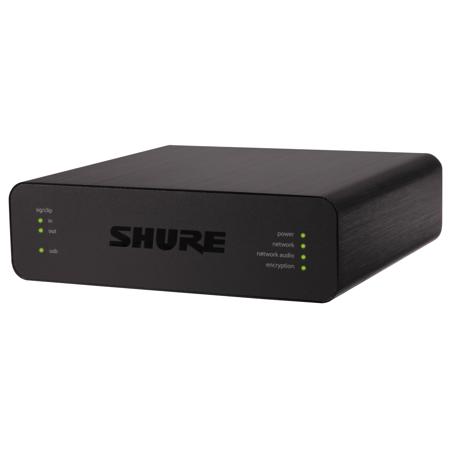
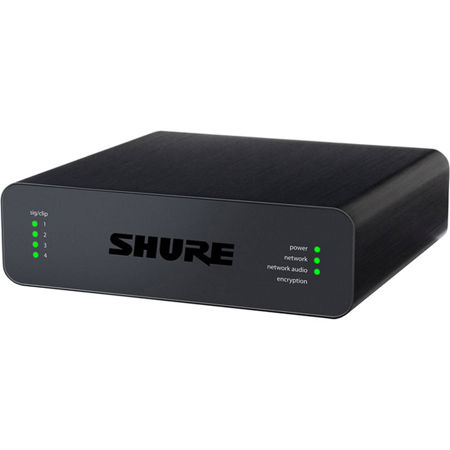
Dante Audio Interfaces
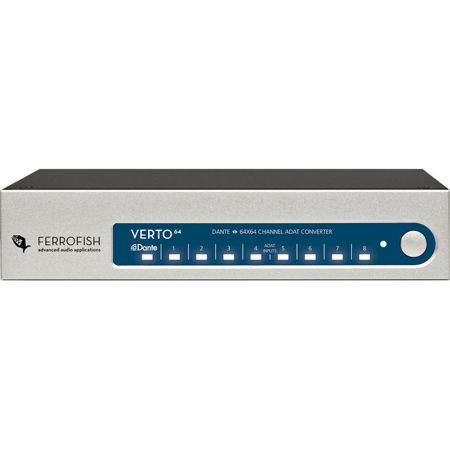
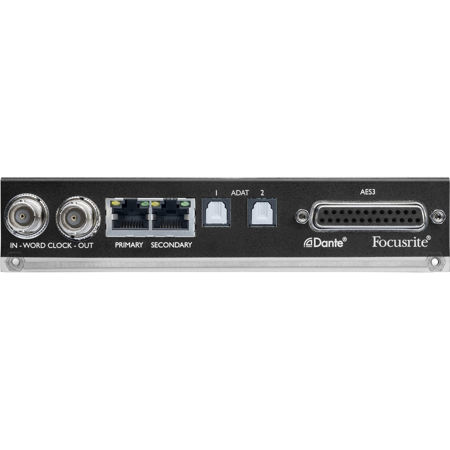
Dante audio interfaces have rapidly become the backbone of modern audio production, offering an unparalleled blend of flexibility, scalability, and pristine sound quality for professionals and enthusiasts alike. Leveraging Audio-over-IP technology, these interfaces transmit uncompressed, multi-channel audio over standard Ethernet cables, eliminating the need for cumbersome analog snakes and patch bays. This approach not only streamlines setup and teardown for live events and studio sessions, but also enables decentralized workflows where audio sources and destinations can be located wherever they are needed—across a venue, throughout a facility, or even between rooms in a home studio. For audio engineers, producers, and musicians, this means the freedom to design systems that fit their creative vision, whether capturing a full band in a rehearsal space, routing signals between control rooms and isolation booths, or managing complex live sound rigs during festival season as the weather warms and outdoor performances become more frequent.
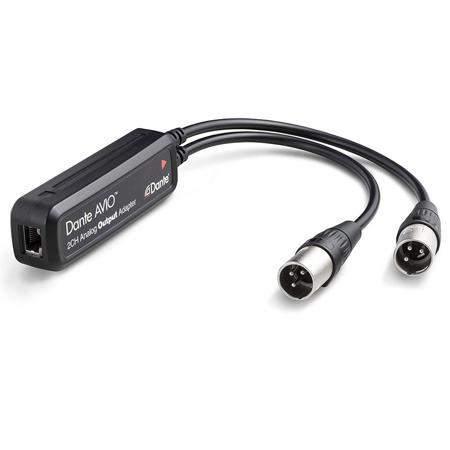
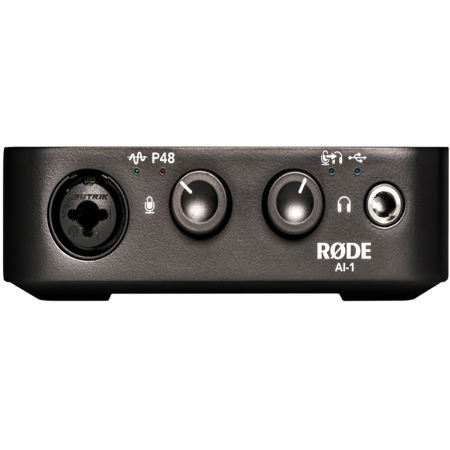
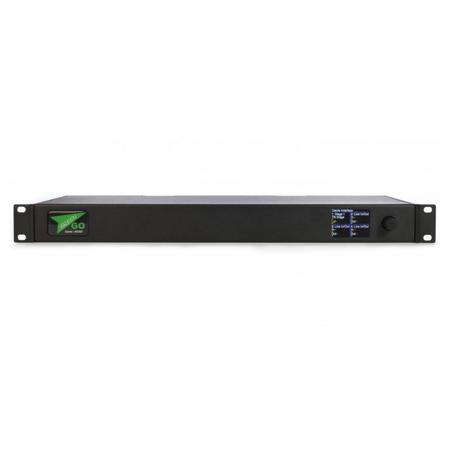
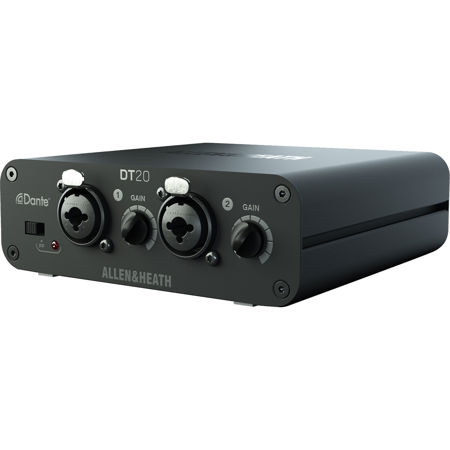
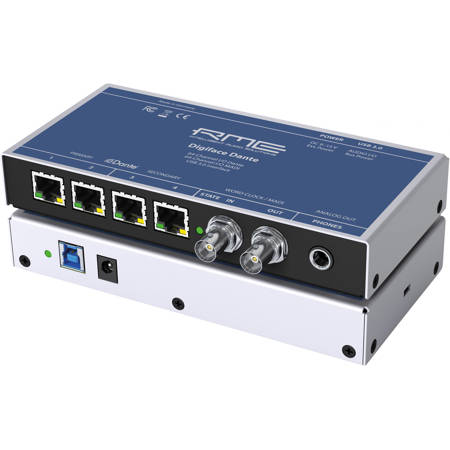
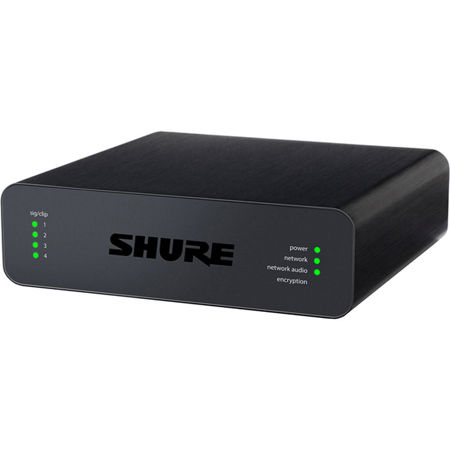
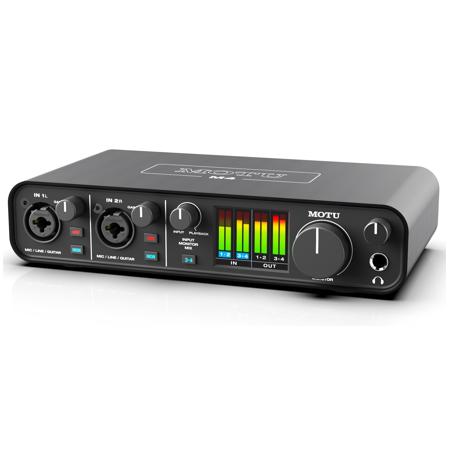
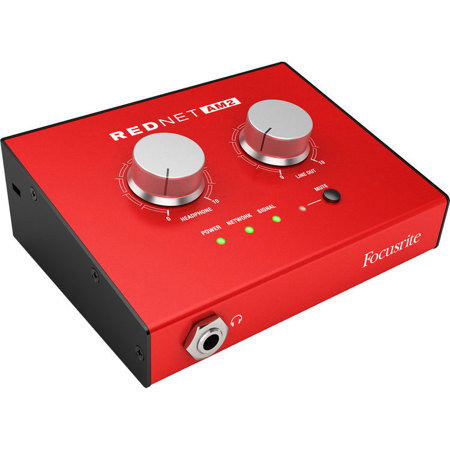
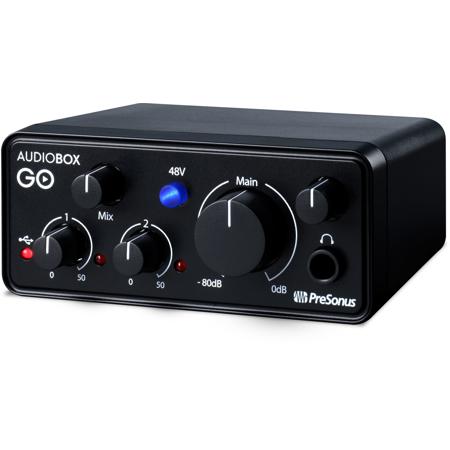
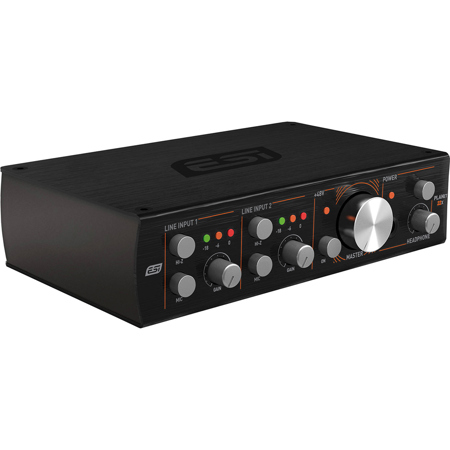
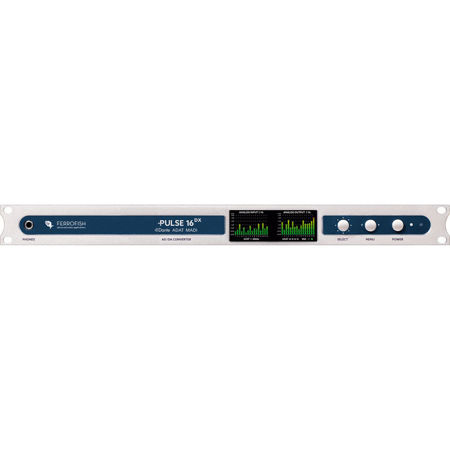
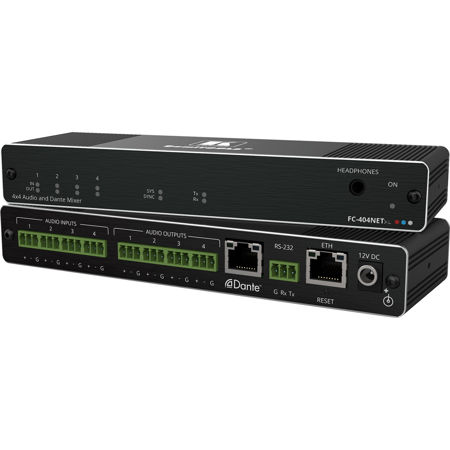
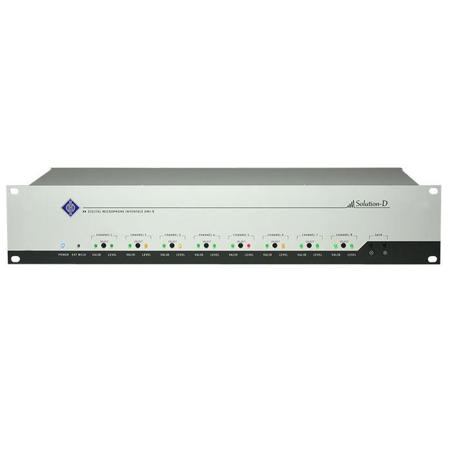
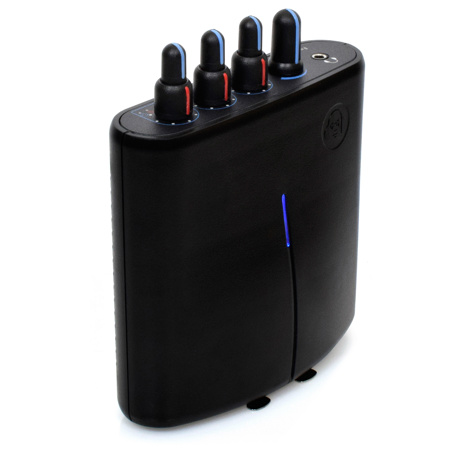
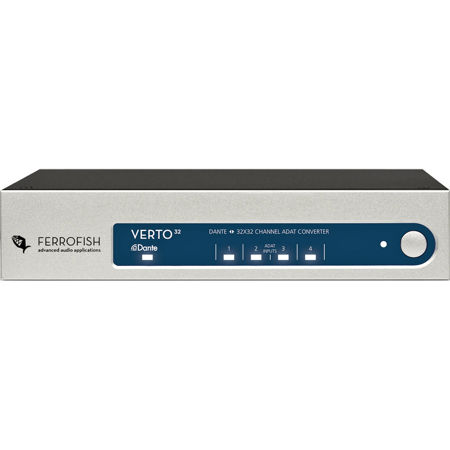
When considering a Dante audio interface, it’s important to think about how many channels you’ll need, the types of connections required for your gear, and the overall scale of your audio network. Smaller desktop units are perfect for solo artists, podcasters, or mobile recording setups, offering high-quality preamps and plug-and-play integration with laptops or tablets. Larger rackmount interfaces, on the other hand, cater to commercial studios, theaters, and houses of worship, providing dozens—or even hundreds—of channels to accommodate everything from multi-mic drum kits to full orchestras. The near-zero latency performance of Dante makes it ideal for in-ear monitoring, real-time mixing, and broadcast applications, where every millisecond counts. For those already invested in USB or Thunderbolt audio interfaces, software solutions like Dante Virtual Soundcard or Dante Via can bridge the gap, allowing existing hardware to join a Dante network without the need for additional physical interfaces. This versatility makes Dante audio interfaces a thoughtful gift for audio professionals, educators outfitting school studios, or anyone eager to upgrade their setup for the busy recording and performance seasons ahead.
Beyond the technical advantages, Dante audio interfaces empower users to future-proof their systems as needs evolve. As production demands grow—whether adding new instruments, expanding into multi-room facilities, or integrating audio with video for streaming and content creation—Dante’s networked approach makes scaling up seamless and cost-effective. The intuitive Dante Controller software provides a visual patchbay for routing any input to any output, simplifying even the most complex signal flows. This is especially valuable during the transition from summer’s festival circuit to the cooler months when attention shifts to studio recording, post-production, and educational projects. For those exploring the world of Dante-enabled audio, a comprehensive selection of compatible gear can be found on our dedicated Dante Devices page, where you’ll discover options tailored to every workflow and budget. Whether you’re outfitting a professional studio, building a flexible live sound rig, or seeking the perfect gift for the audio enthusiast in your life, Dante audio interfaces offer the performance and adaptability needed to meet today’s creative challenges and tomorrow’s opportunities.
When considering a Dante audio interface, it’s important to think about how many channels you’ll need, the types of connections required for your gear, and the overall scale of your audio network. Smaller desktop units are perfect for solo artists, podcasters, or mobile recording setups, offering high-quality preamps and plug-and-play integration with laptops or tablets. Larger rackmount interfaces, on the other hand, cater to commercial studios, theaters, and houses of worship, providing dozens—or even hundreds—of channels to accommodate everything from multi-mic drum kits to full orchestras. The near-zero latency performance of Dante makes it ideal for in-ear monitoring, real-time mixing, and broadcast applications, where every millisecond counts. For those already invested in USB or Thunderbolt audio interfaces, software solutions like Dante Virtual Soundcard or Dante Via can bridge the gap, allowing existing hardware to join a Dante network without the need for additional physical interfaces. This versatility makes Dante audio interfaces a thoughtful gift for audio professionals, educators outfitting school studios, or anyone eager to upgrade their setup for the busy recording and performance seasons ahead.
Beyond the technical advantages, Dante audio interfaces empower users to future-proof their systems as needs evolve. As production demands grow—whether adding new instruments, expanding into multi-room facilities, or integrating audio with video for streaming and content creation—Dante’s networked approach makes scaling up seamless and cost-effective. The intuitive Dante Controller software provides a visual patchbay for routing any input to any output, simplifying even the most complex signal flows. This is especially valuable during the transition from summer’s festival circuit to the cooler months when attention shifts to studio recording, post-production, and educational projects. For those exploring the world of Dante-enabled audio, a comprehensive selection of compatible gear can be found on our dedicated Dante Devices page, where you’ll discover options tailored to every workflow and budget. Whether you’re outfitting a professional studio, building a flexible live sound rig, or seeking the perfect gift for the audio enthusiast in your life, Dante audio interfaces offer the performance and adaptability needed to meet today’s creative challenges and tomorrow’s opportunities.