



Darkroom Printing Supplies
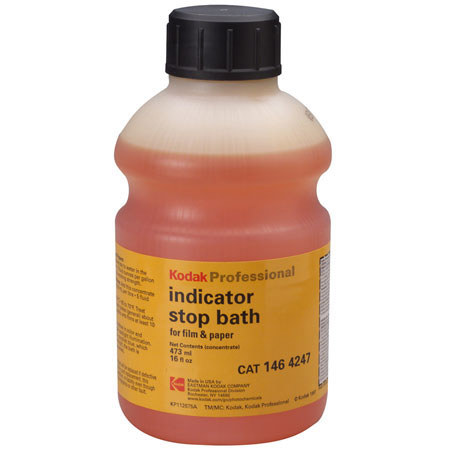
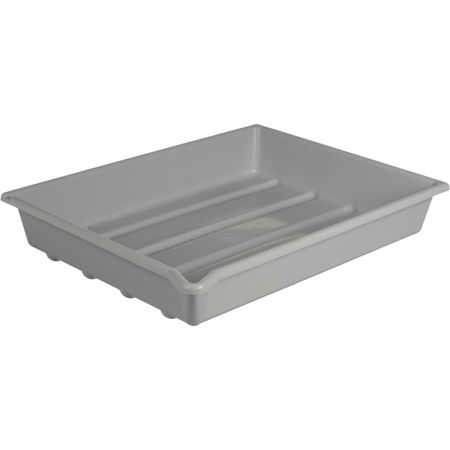
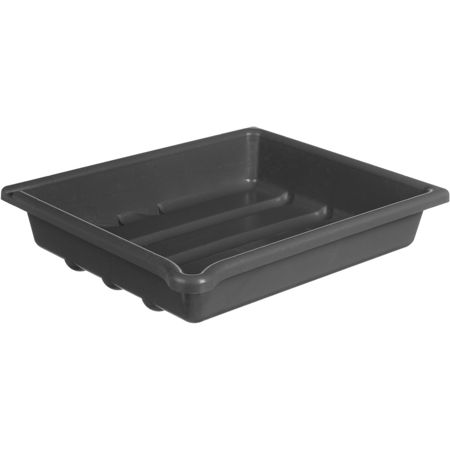
Stepping into the world of darkroom printing is a rewarding journey for photographers who appreciate the tactile artistry of analog processes. Whether you’re a seasoned film enthusiast or a newcomer drawn to the hands-on craft of traditional printmaking, the right darkroom printing supplies are essential for transforming your negatives into lasting works of art. A well-equipped darkroom typically begins with a reliable enlarger, fitted with a compatible lens for your chosen film format—most commonly a 50mm lens for 35mm negatives. The enlarger allows you to project your image onto light-sensitive photographic paper, and a sturdy paper easel ensures your prints remain perfectly aligned and flat during exposure. Safelights, emitting a gentle red or amber glow, are indispensable for illuminating your workspace without risking premature exposure of your paper. Accurate timing is crucial in the darkroom, making a dependable timer and a focus finder valuable tools for achieving sharp, consistent results. As you move through the printmaking process, a set of processing trays—one each for developer, stop bath, fixer, and a final water rinse—keeps your workflow organized and efficient. Print tongs are a small but vital addition, protecting your hands from chemicals and preventing unwanted fingerprints or contamination. Storage bottles, preferably opaque or amber, help maintain the longevity and potency of your chemical solutions, ensuring that every print receives the same level of care and quality.
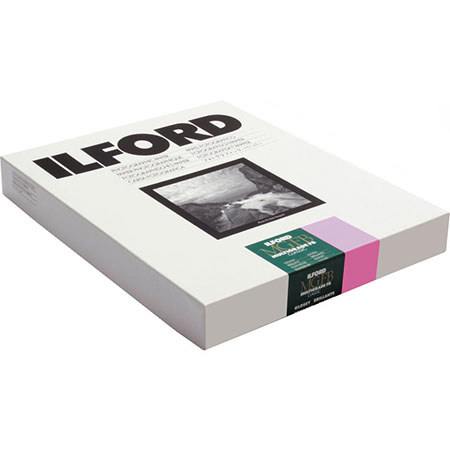
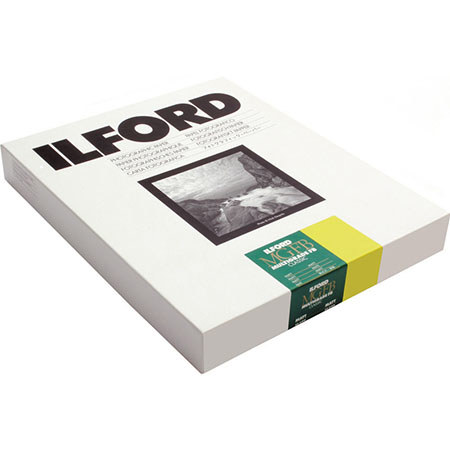
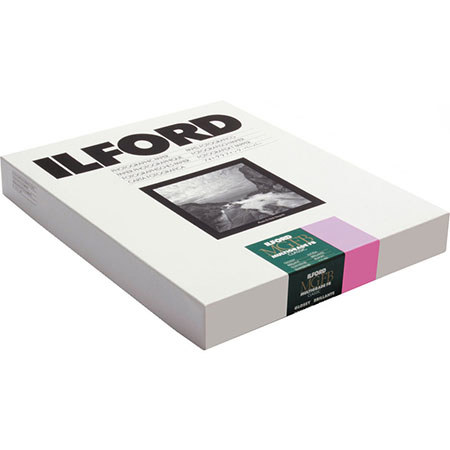
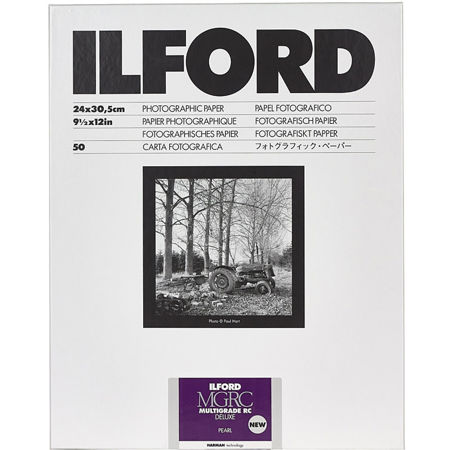
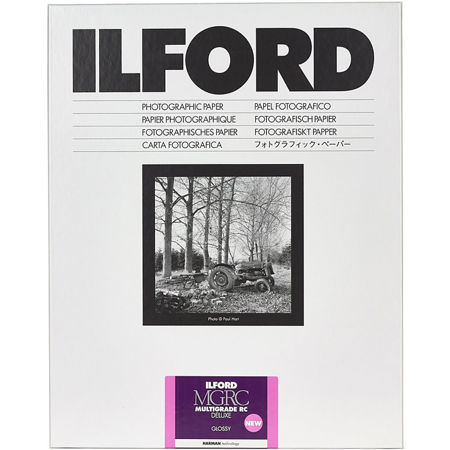
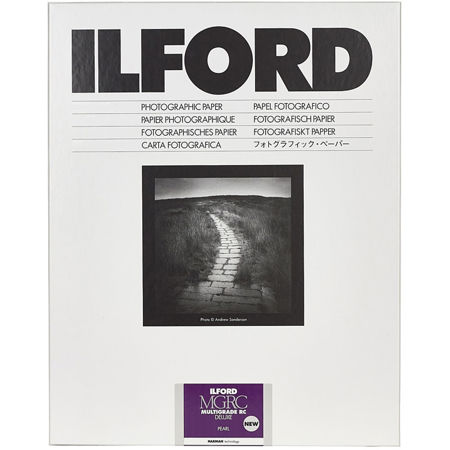
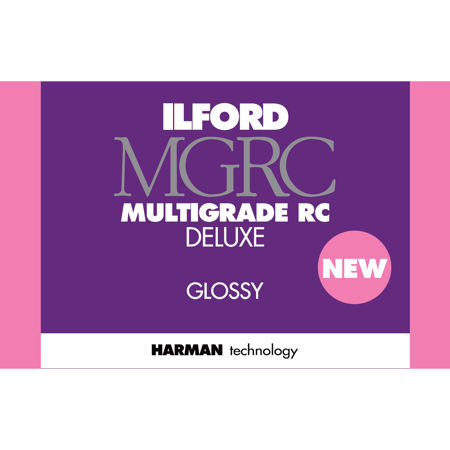
Choosing the right supplies involves considering your experience level, available space, and creative goals. Beginners often benefit from starting with resin-coated (RC) variable-contrast papers, which are forgiving and versatile, making them ideal for learning the nuances of exposure and contrast control. For those just starting out, a helpful resource is our Darkroom Papers for Beginners guide, which breaks down the different paper types and their unique characteristics. As you gain confidence, you may wish to experiment with fiber-based papers or specialty chemicals to achieve distinct tonal qualities and archival permanence. Darkroom printing supplies also make thoughtful gifts for students, hobbyists, or anyone rediscovering the joys of analog photography—especially during the slower, reflective days of late summer and into the cooler months, when creative indoor projects become even more appealing. Whether you’re setting up a dedicated workspace at home or enhancing a shared community darkroom, investing in high-quality tools ensures that every step, from exposure to final wash, is a satisfying and successful part of your creative process. With the right equipment and a bit of practice, the magic of watching an image slowly emerge under the safelight is an experience that never loses its allure.
Choosing the right supplies involves considering your experience level, available space, and creative goals. Beginners often benefit from starting with resin-coated (RC) variable-contrast papers, which are forgiving and versatile, making them ideal for learning the nuances of exposure and contrast control. For those just starting out, a helpful resource is our Darkroom Papers for Beginners guide, which breaks down the different paper types and their unique characteristics. As you gain confidence, you may wish to experiment with fiber-based papers or specialty chemicals to achieve distinct tonal qualities and archival permanence. Darkroom printing supplies also make thoughtful gifts for students, hobbyists, or anyone rediscovering the joys of analog photography—especially during the slower, reflective days of late summer and into the cooler months, when creative indoor projects become even more appealing. Whether you’re setting up a dedicated workspace at home or enhancing a shared community darkroom, investing in high-quality tools ensures that every step, from exposure to final wash, is a satisfying and successful part of your creative process. With the right equipment and a bit of practice, the magic of watching an image slowly emerge under the safelight is an experience that never loses its allure.