
Data Analysis Computer
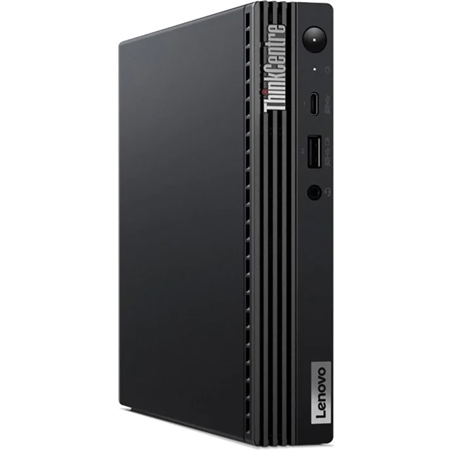
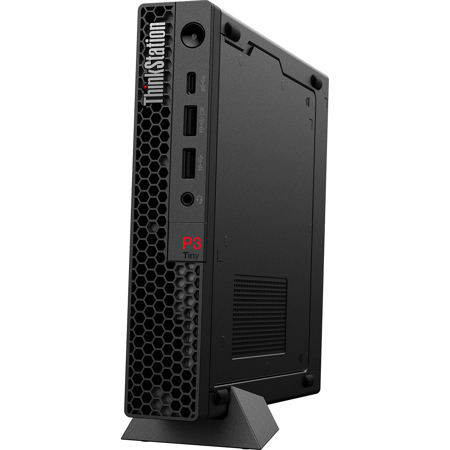
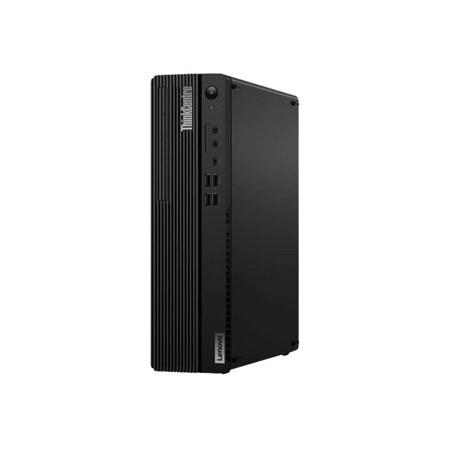
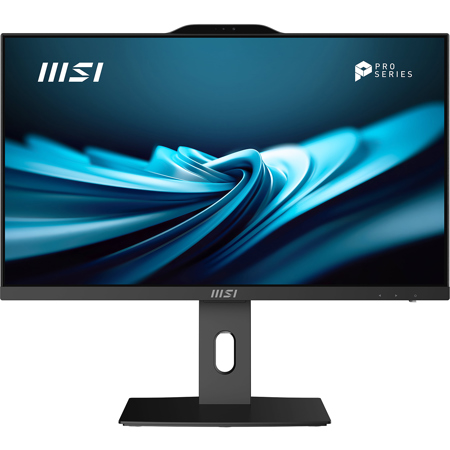
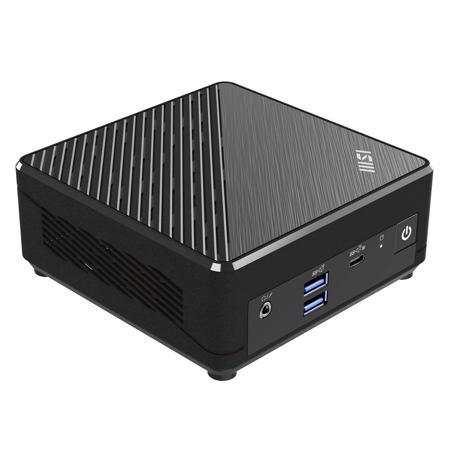
In the world of data analysis, the right computer is more than just a tool—it’s the foundation for transforming raw information into meaningful insights. Whether you’re a seasoned data scientist, a business analyst, or a student just beginning your journey into analytics, the demands of modern data workflows require machines designed for speed, reliability, and adaptability. Data analysis computers are engineered to handle the rigors of collecting, cleaning, and mining large datasets, supporting everything from basic spreadsheet manipulation to advanced statistical modeling, machine learning, and visualization. As organizations across industries increasingly rely on data-driven decision-making, the need for powerful, purpose-built computers has never been greater. These systems are typically equipped with fast processors, ample RAM, and high-capacity storage, ensuring smooth performance when running resource-intensive applications like SQL databases, Python or R scripts, and business intelligence platforms. For those who work with complex data pipelines or develop custom analytics tools, having a system that can multitask efficiently and manage large volumes of information is essential—especially as projects scale or as teams collaborate remotely during the warmer and cooler months alike.
Selecting a data analysis computer involves careful consideration of both current and future needs. Professionals in finance, healthcare, marketing, and research often require robust graphics capabilities for data visualization, while students and hobbyists might prioritize portability for learning on the go or collaborating in shared spaces. During the transition from summer internships to fall academic terms, many find that investing in a dedicated data analysis computer not only streamlines coursework and professional projects but also provides a competitive edge as new software and techniques emerge. These computers also make thoughtful gifts for recent graduates, aspiring analysts, or anyone passionate about exploring the world through data—opening doors to careers in fields where the ability to interpret and present information is highly valued. For those interested in expanding their technical skillset, a data analysis machine can serve as a launchpad for learning programming languages, statistical methods, and even branching into related areas such as software development. If your interests extend beyond analytics into coding or application development, you may also want to explore our curated selection of Programming Computer options, which are tailored for versatility and performance in a wide range of computing tasks.
As data continues to shape the way we understand and interact with the world, the importance of having a reliable, high-performance computer becomes ever more apparent. Whether you’re preparing for a busy season of research, gearing up for new business initiatives, or simply looking to upgrade your home office, a data analysis computer ensures you’re equipped to tackle projects of any size. These machines empower users to move seamlessly from descriptive and diagnostic analysis—exploring what happened and why—to predictive and prescriptive modeling, where historical data is leveraged to forecast trends and recommend strategic actions. With the right system, you can unlock the full potential of your data, visualize patterns with clarity, and drive innovation in your field, all while enjoying the flexibility to work wherever inspiration strikes, from sunlit cafes to cozy study nooks as the seasons change.
Selecting a data analysis computer involves careful consideration of both current and future needs. Professionals in finance, healthcare, marketing, and research often require robust graphics capabilities for data visualization, while students and hobbyists might prioritize portability for learning on the go or collaborating in shared spaces. During the transition from summer internships to fall academic terms, many find that investing in a dedicated data analysis computer not only streamlines coursework and professional projects but also provides a competitive edge as new software and techniques emerge. These computers also make thoughtful gifts for recent graduates, aspiring analysts, or anyone passionate about exploring the world through data—opening doors to careers in fields where the ability to interpret and present information is highly valued. For those interested in expanding their technical skillset, a data analysis machine can serve as a launchpad for learning programming languages, statistical methods, and even branching into related areas such as software development. If your interests extend beyond analytics into coding or application development, you may also want to explore our curated selection of Programming Computer options, which are tailored for versatility and performance in a wide range of computing tasks.
As data continues to shape the way we understand and interact with the world, the importance of having a reliable, high-performance computer becomes ever more apparent. Whether you’re preparing for a busy season of research, gearing up for new business initiatives, or simply looking to upgrade your home office, a data analysis computer ensures you’re equipped to tackle projects of any size. These machines empower users to move seamlessly from descriptive and diagnostic analysis—exploring what happened and why—to predictive and prescriptive modeling, where historical data is leveraged to forecast trends and recommend strategic actions. With the right system, you can unlock the full potential of your data, visualize patterns with clarity, and drive innovation in your field, all while enjoying the flexibility to work wherever inspiration strikes, from sunlit cafes to cozy study nooks as the seasons change.