Data Center Racks
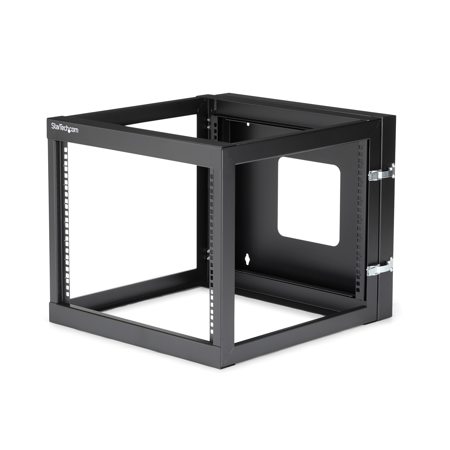
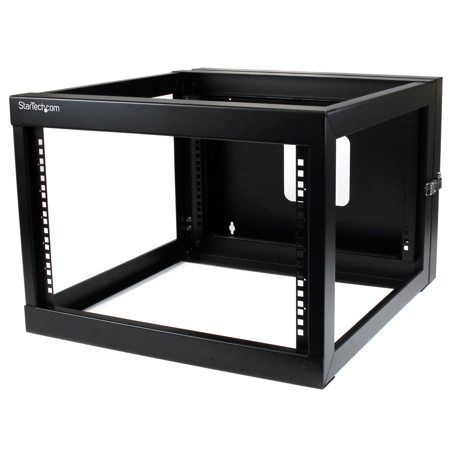
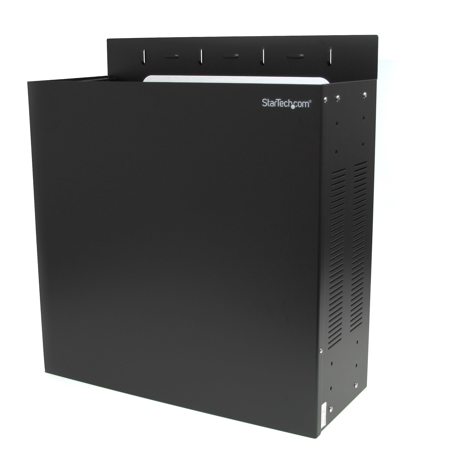
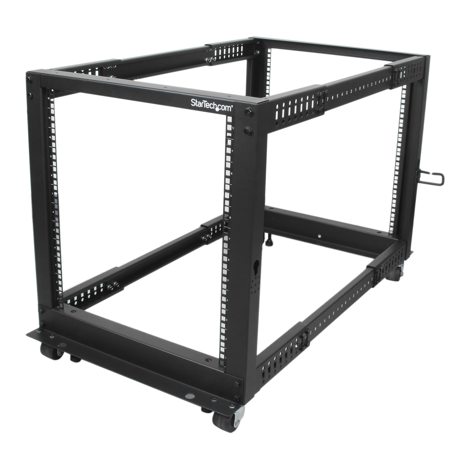
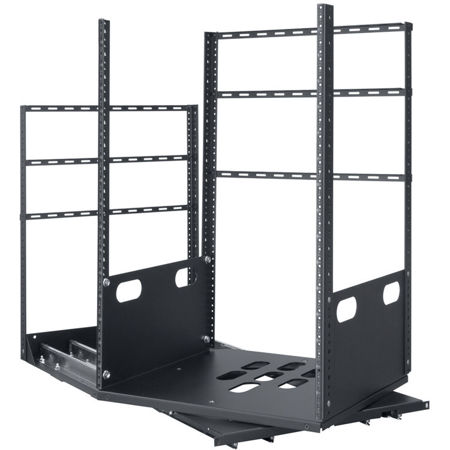
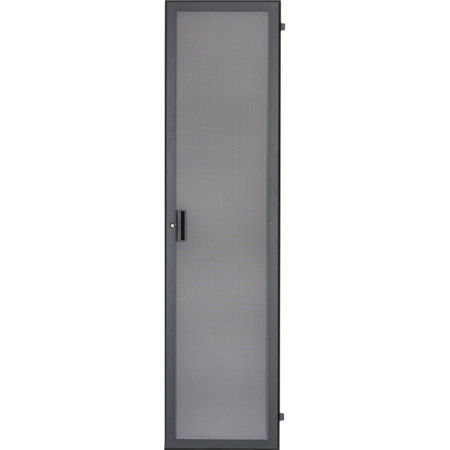
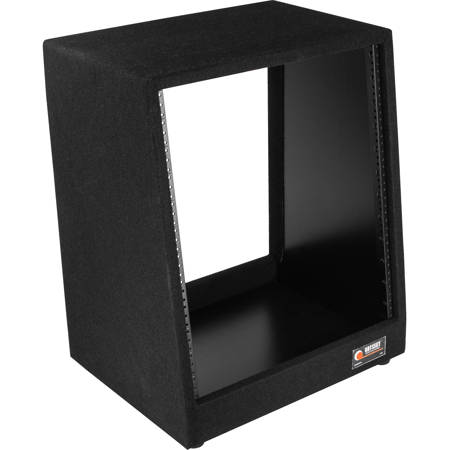
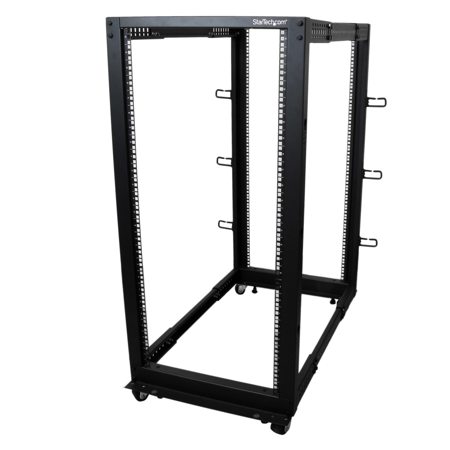
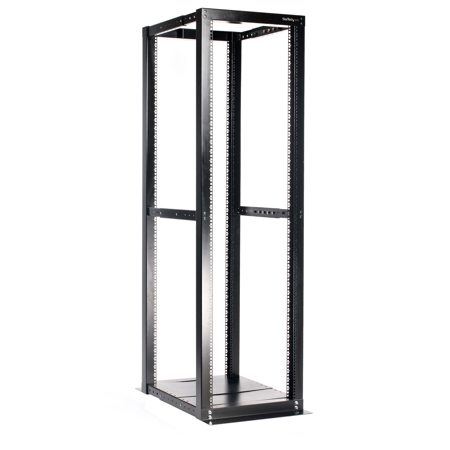
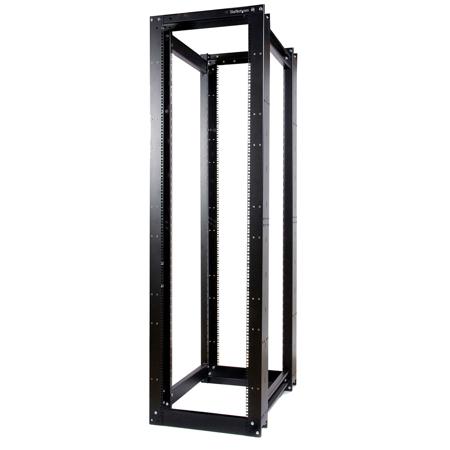
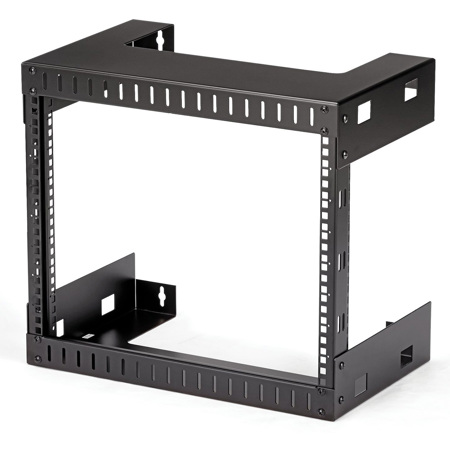
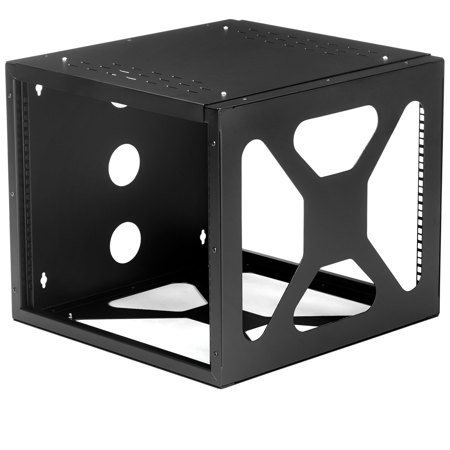
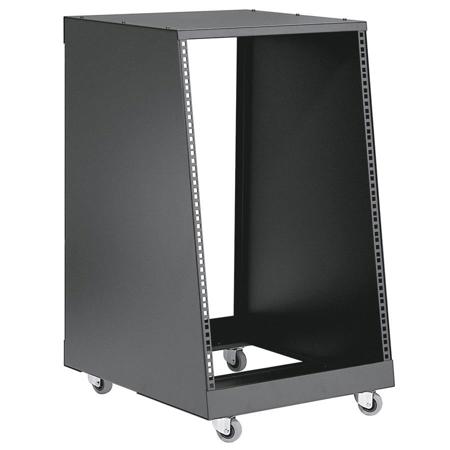
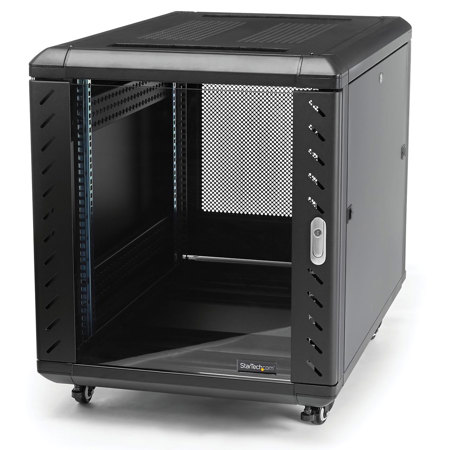
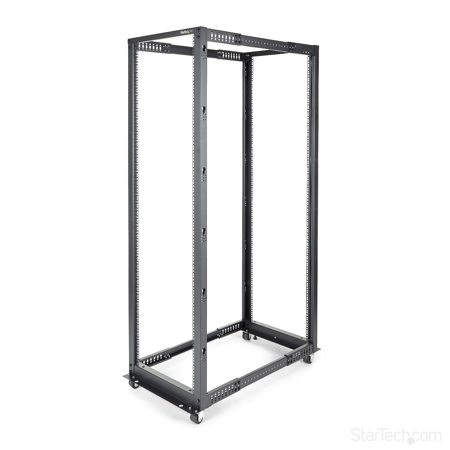
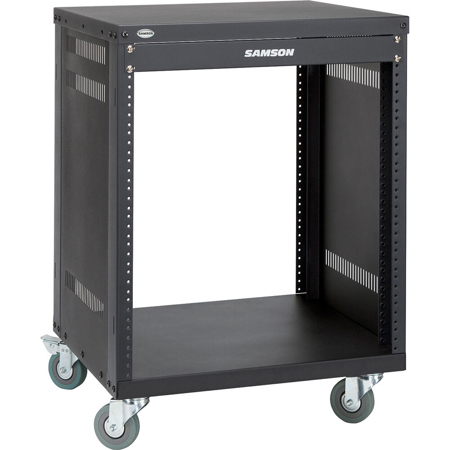
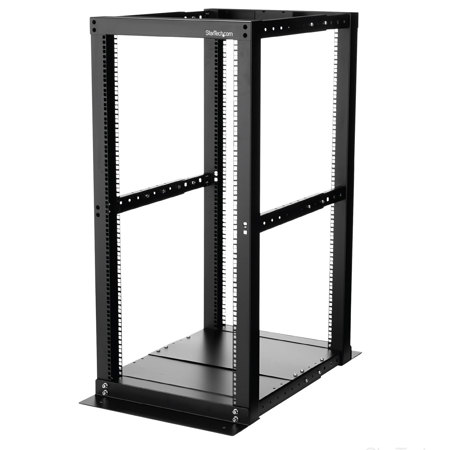
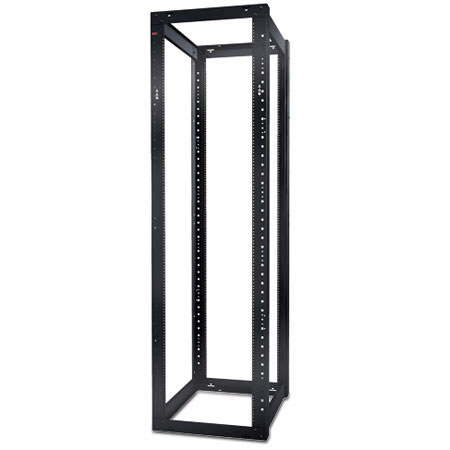
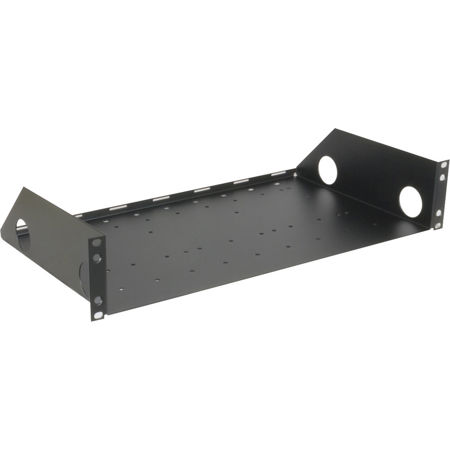
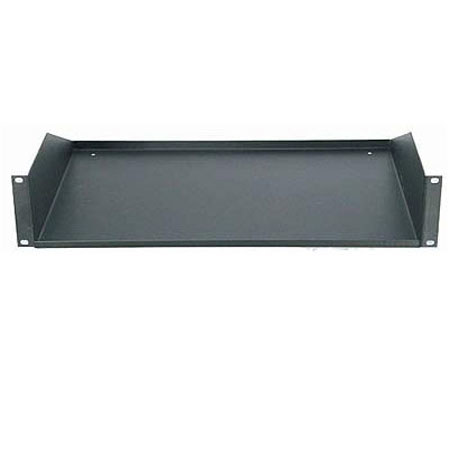
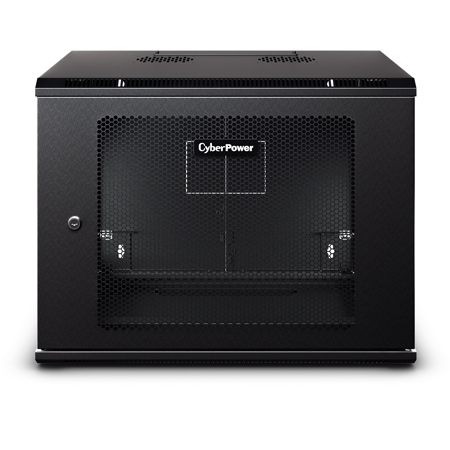
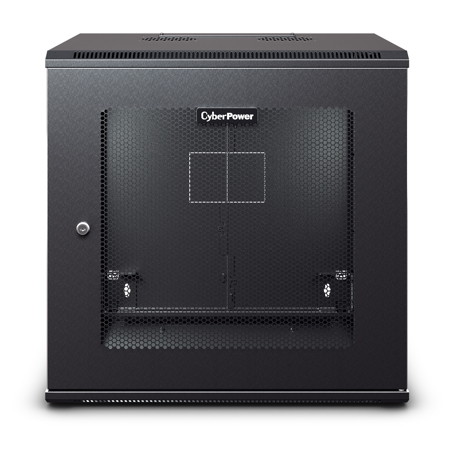
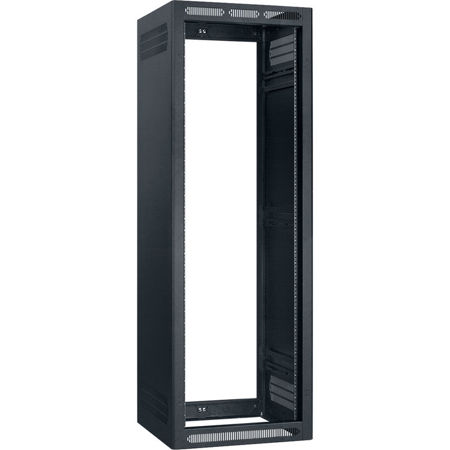
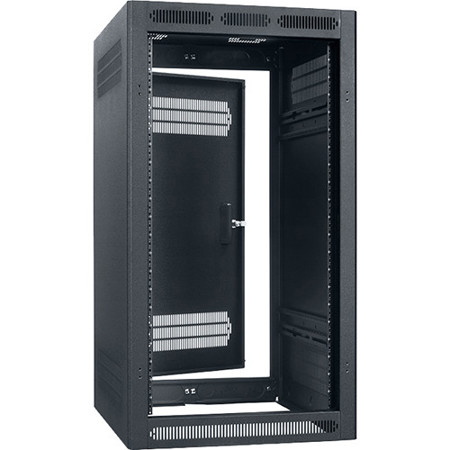
Data center racks are the backbone of any professional IT environment, providing the essential structure for organizing, securing, and maintaining critical infrastructure. Whether you’re managing a bustling corporate data center, a compact server room in a creative studio, or a growing start-up’s IT closet, the right rack system ensures your servers, network switches, and storage devices remain accessible, protected, and optimally cooled. As the weather warms and teams tackle summer upgrades or prepare for the demands of the busier fall season, it’s common to see facilities reevaluating their rack configurations to accommodate new hardware or more efficient cooling strategies. The standard 19-inch width and rack unit (U) measurements—where one U equals 1.75 inches—make it straightforward to plan for both current needs and future expansion. Full-height racks, typically ranging from 42U to 52U, are ideal for dense server deployments, while compact wall-mount racks serve well in edge computing environments or smaller office branches. Open frame racks offer unrestricted access for cable routing and quick hardware swaps, making them a favorite for network closets and telecom rooms, while enclosed server cabinets with solid or perforated doors provide optimal airflow management and physical security—crucial for hot-aisle/cold-aisle cooling setups in larger data centers.
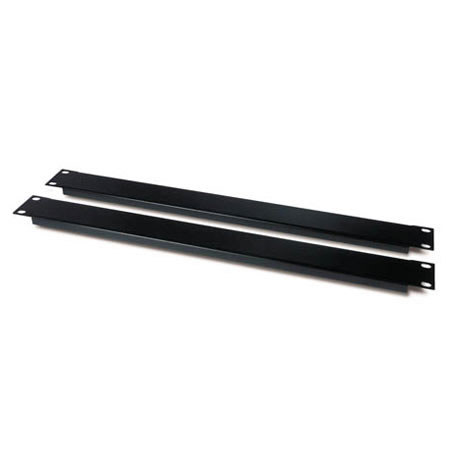
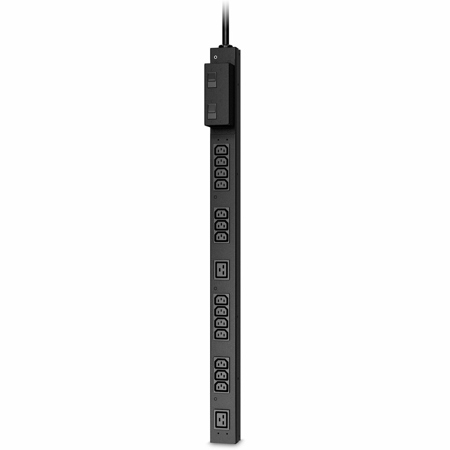
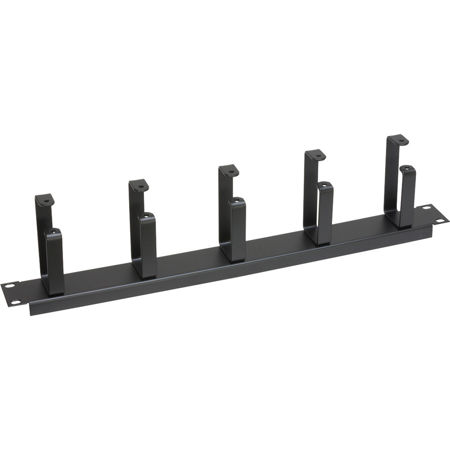
Selecting the right data center rack involves weighing several important factors, from physical security and airflow management to weight capacity and cable organization. Heavy-duty racks are engineered to support dynamic loads up to 4,000 lbs, accommodating even the most densely packed server arrays. For organizations sharing space or resources, colocation racks with individually locked compartments offer a secure, scalable solution. Accessories like PDUs (power distribution units), vertical and horizontal cable management panels, and blanking panels play a vital role in maintaining efficient power distribution, preventing cable tangles, and directing cool air precisely where it’s needed. These details matter whether you’re a seasoned IT manager, a systems integrator, or a business owner upgrading your infrastructure for the first time. Even in creative industries—such as photography and video production—where digital asset management is key, a well-organized rack setup ensures seamless workflow and data integrity. Data center racks can also make thoughtful gifts for tech-savvy professionals or small business owners looking to streamline their operations, especially as teams return to the office or expand remote capabilities during the transition from summer into fall. For those exploring a wider variety of options, from open frames to secure enclosures, you can discover more possibilities by visiting our Equipment Racks page, where you’ll find solutions tailored to all types of environments and workloads.
Selecting the right data center rack involves weighing several important factors, from physical security and airflow management to weight capacity and cable organization. Heavy-duty racks are engineered to support dynamic loads up to 4,000 lbs, accommodating even the most densely packed server arrays. For organizations sharing space or resources, colocation racks with individually locked compartments offer a secure, scalable solution. Accessories like PDUs (power distribution units), vertical and horizontal cable management panels, and blanking panels play a vital role in maintaining efficient power distribution, preventing cable tangles, and directing cool air precisely where it’s needed. These details matter whether you’re a seasoned IT manager, a systems integrator, or a business owner upgrading your infrastructure for the first time. Even in creative industries—such as photography and video production—where digital asset management is key, a well-organized rack setup ensures seamless workflow and data integrity. Data center racks can also make thoughtful gifts for tech-savvy professionals or small business owners looking to streamline their operations, especially as teams return to the office or expand remote capabilities during the transition from summer into fall. For those exploring a wider variety of options, from open frames to secure enclosures, you can discover more possibilities by visiting our Equipment Racks page, where you’ll find solutions tailored to all types of environments and workloads.