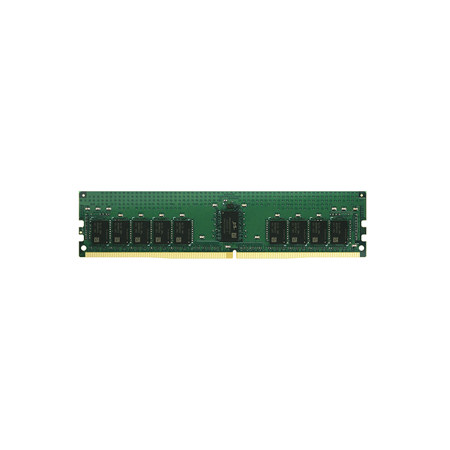

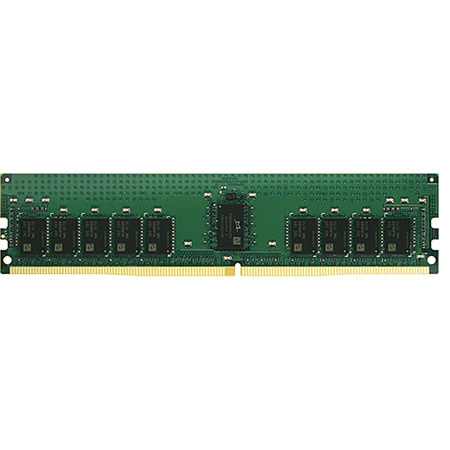
Ddr 4 Server Memory
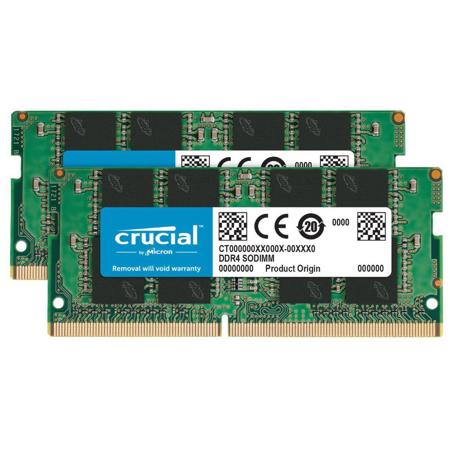
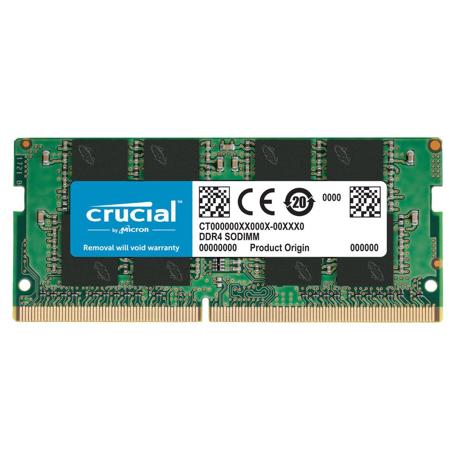
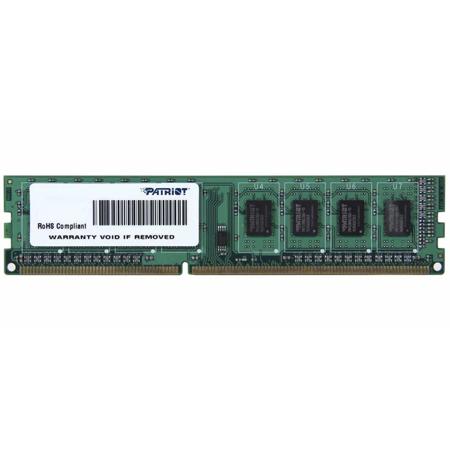
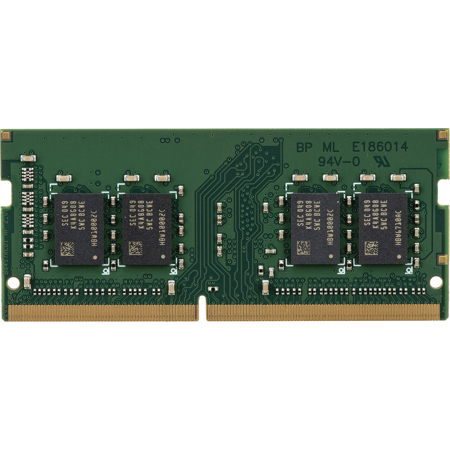
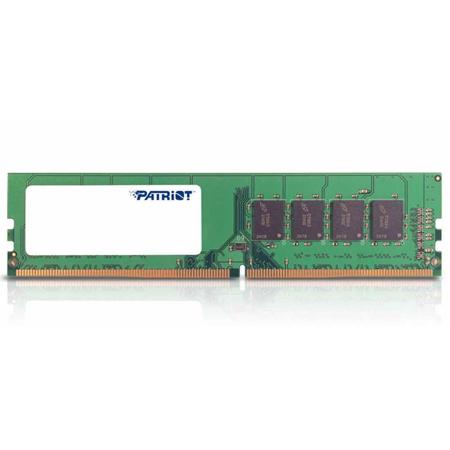
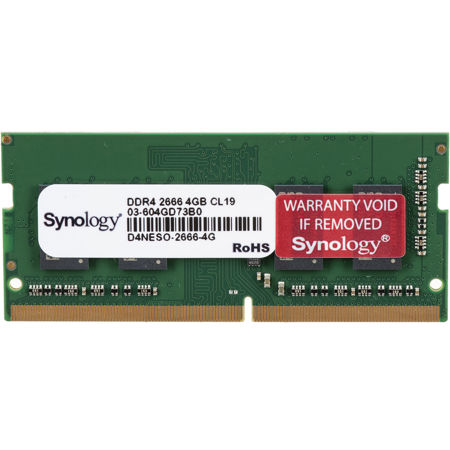
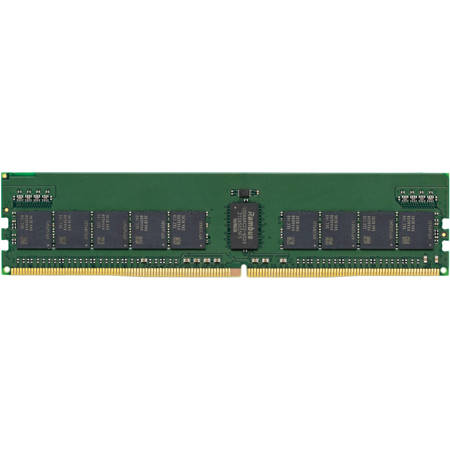
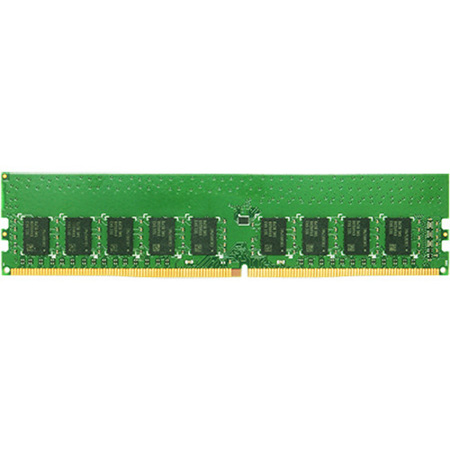
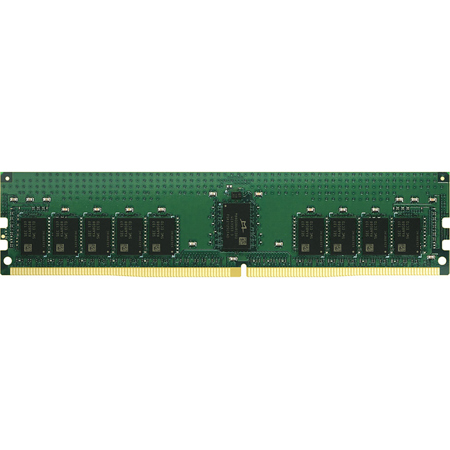
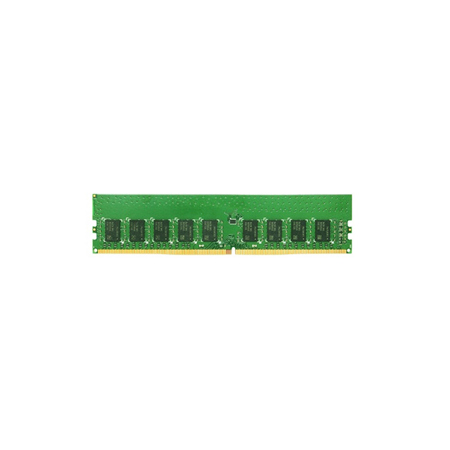
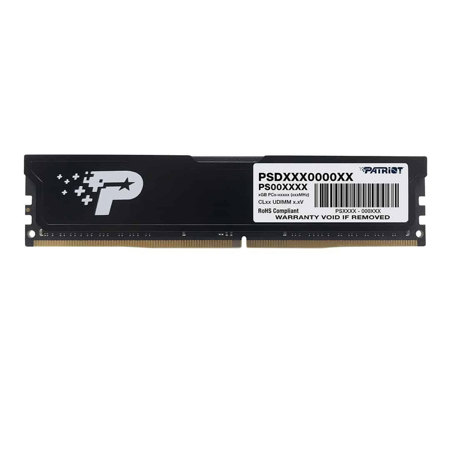
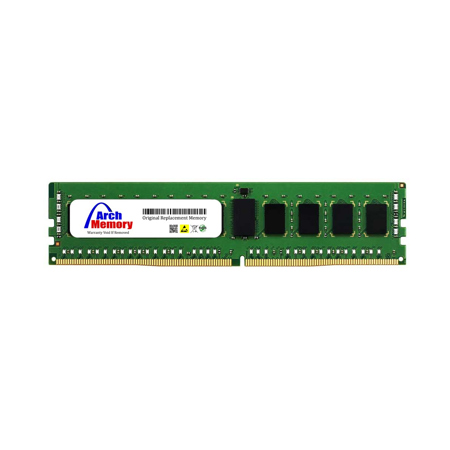
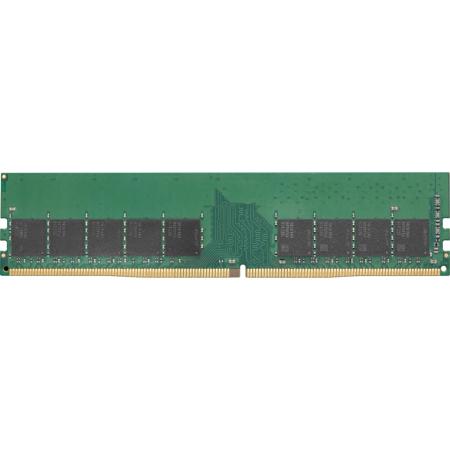
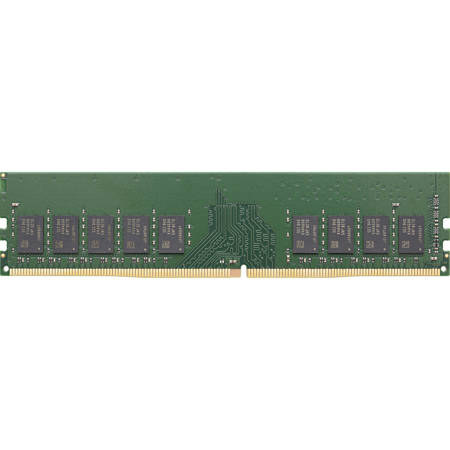
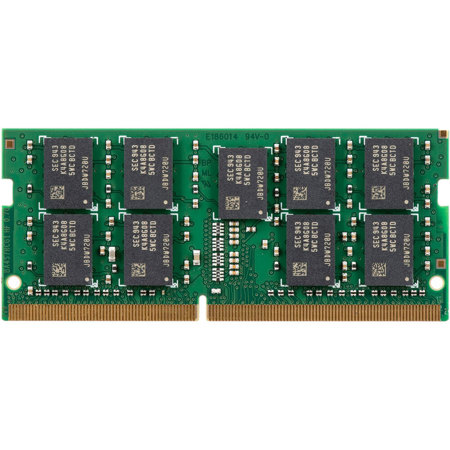
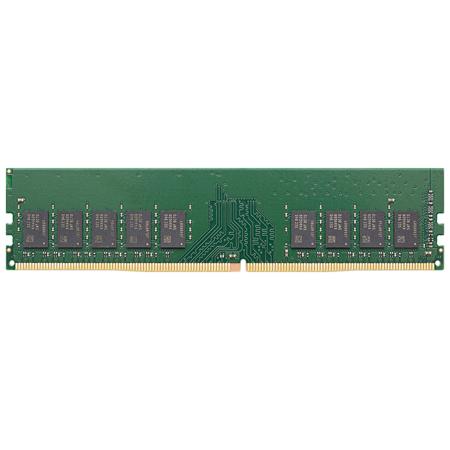
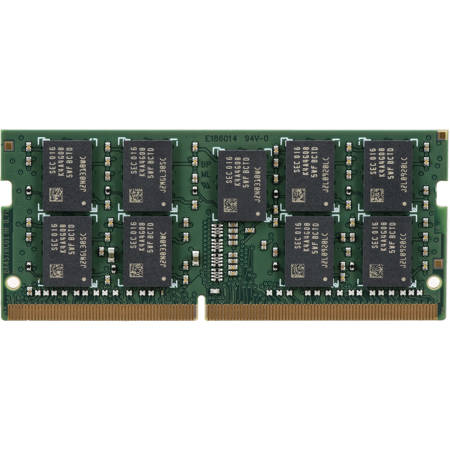
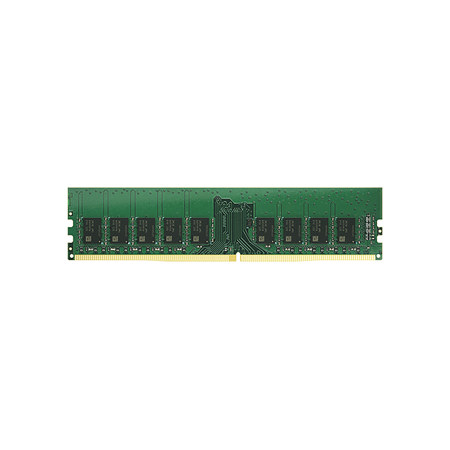
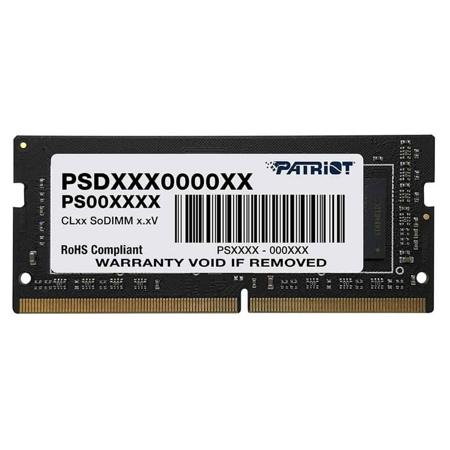
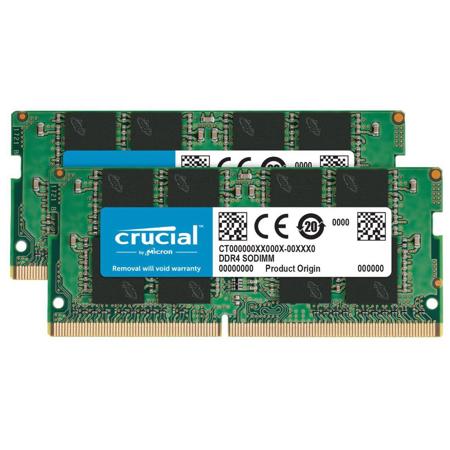
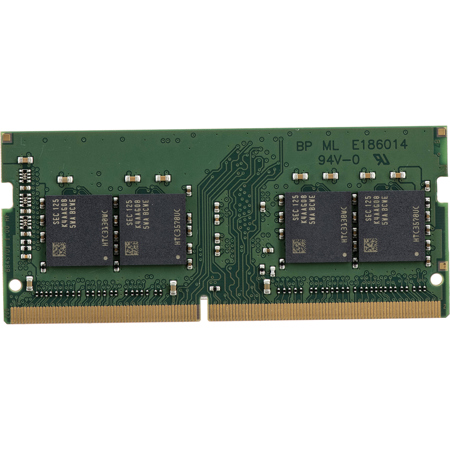
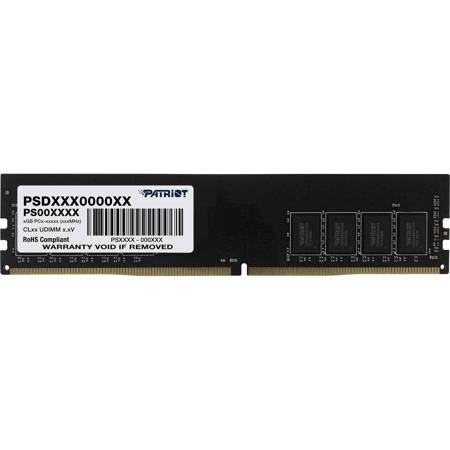
As the days grow longer and the pace of business accelerates, IT professionals, system integrators, and enterprise administrators often find themselves seeking reliable ways to enhance server performance and ensure data integrity. DDR4 server memory stands out as a critical component in the backbone of data centers, office networks, and even advanced home labs. Designed for high-demand environments, server RAM DDR4 modules are engineered to deliver exceptional stability, faster data transfer rates, and robust error correction capabilities. Whether you’re expanding the memory footprint of a rack-mounted server or upgrading a workstation that handles intensive virtualized workloads, DDR4 server memory is the go-to solution for boosting efficiency and minimizing downtime. Its ECC (Error-Correcting Code) technology—available in configurations such as ECC UDIMM, RDIMM, and LRDIMM—helps prevent data corruption, making it indispensable for applications where accuracy and uptime are paramount, from financial modeling and scientific research to creative production suites and mission-critical web hosting.
Selecting the right DDR4 server memory involves more than just picking a speed or capacity. Compatibility is key, as server RAM DDR4 modules must match the specific requirements of your motherboard, CPU generation, and intended workload. Entry-level servers and NAS devices often utilize ECC UDIMM for basic error correction, while mainstream and enterprise systems benefit from the stability of RDIMM modules, which buffer command and address signals to reduce strain on the memory controller. For organizations with massive data needs, LRDIMM offers load-reduced buffering, enabling higher memory densities and smoother multitasking across large-scale virtual machines or databases. Standard speeds—ranging from DDR4-2133 up to DDR4-3200 MT/s—allow users to tailor their setup for optimal throughput, while form factors like the 288-pin DIMM ensure a precise fit within modern server chassis. Memory rank, such as single, dual, or quad-rank (e.g., 2Rx4 or 2Rx8), also plays a role in maximizing bandwidth and performance. During the transition from cooler spring months into the warmth of summer and early fall, many businesses take advantage of quieter periods to perform scheduled upgrades, making this an ideal season to refresh server infrastructure and prepare for peak operational demands.
For anyone managing a growing business, running a homelab, or supporting a creative studio, investing in server RAM DDR4 can yield immediate benefits in responsiveness, reliability, and scalability. These modules are also a thoughtful gift for tech-savvy friends or family members who are passionate about building custom servers or experimenting with virtualization at home. When planning your next upgrade, it’s wise to consult detailed compatibility lists and consider certified options to ensure seamless integration and long-term stability. For those seeking more information on error-correcting memory options, including in-depth details about ECC technology and its advantages for professional environments, visit our comprehensive guide on Ddr 4 Ecc Ram. With the right DDR4 server memory, you can confidently support evolving workloads, safeguard critical data, and keep your systems running smoothly through every season.
Selecting the right DDR4 server memory involves more than just picking a speed or capacity. Compatibility is key, as server RAM DDR4 modules must match the specific requirements of your motherboard, CPU generation, and intended workload. Entry-level servers and NAS devices often utilize ECC UDIMM for basic error correction, while mainstream and enterprise systems benefit from the stability of RDIMM modules, which buffer command and address signals to reduce strain on the memory controller. For organizations with massive data needs, LRDIMM offers load-reduced buffering, enabling higher memory densities and smoother multitasking across large-scale virtual machines or databases. Standard speeds—ranging from DDR4-2133 up to DDR4-3200 MT/s—allow users to tailor their setup for optimal throughput, while form factors like the 288-pin DIMM ensure a precise fit within modern server chassis. Memory rank, such as single, dual, or quad-rank (e.g., 2Rx4 or 2Rx8), also plays a role in maximizing bandwidth and performance. During the transition from cooler spring months into the warmth of summer and early fall, many businesses take advantage of quieter periods to perform scheduled upgrades, making this an ideal season to refresh server infrastructure and prepare for peak operational demands.
For anyone managing a growing business, running a homelab, or supporting a creative studio, investing in server RAM DDR4 can yield immediate benefits in responsiveness, reliability, and scalability. These modules are also a thoughtful gift for tech-savvy friends or family members who are passionate about building custom servers or experimenting with virtualization at home. When planning your next upgrade, it’s wise to consult detailed compatibility lists and consider certified options to ensure seamless integration and long-term stability. For those seeking more information on error-correcting memory options, including in-depth details about ECC technology and its advantages for professional environments, visit our comprehensive guide on Ddr 4 Ecc Ram. With the right DDR4 server memory, you can confidently support evolving workloads, safeguard critical data, and keep your systems running smoothly through every season.