Didymium Filters
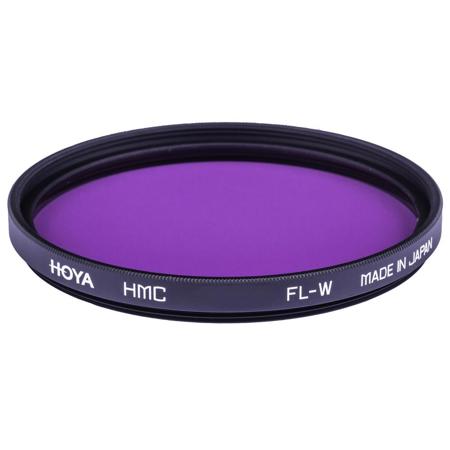
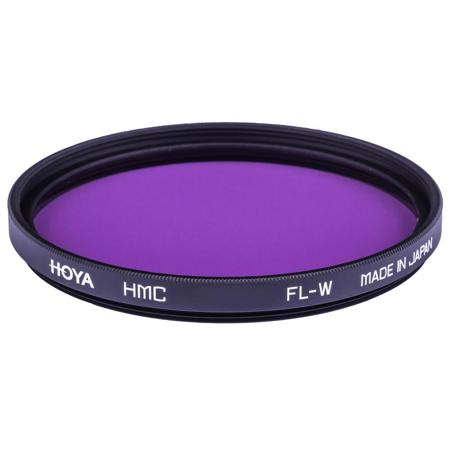
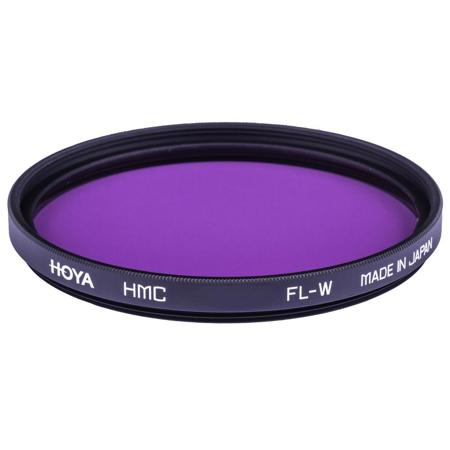
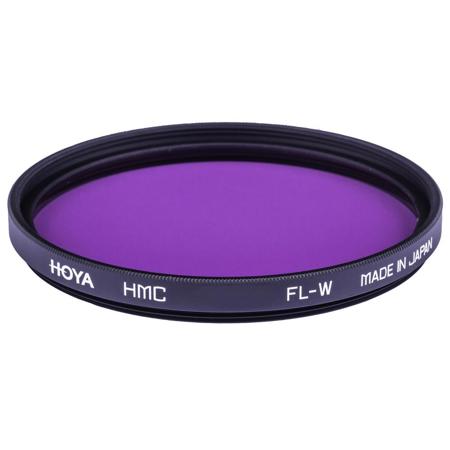
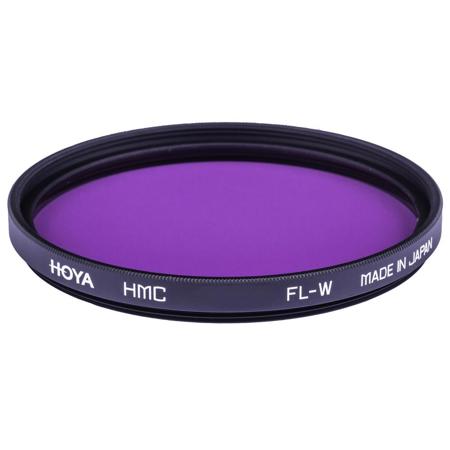
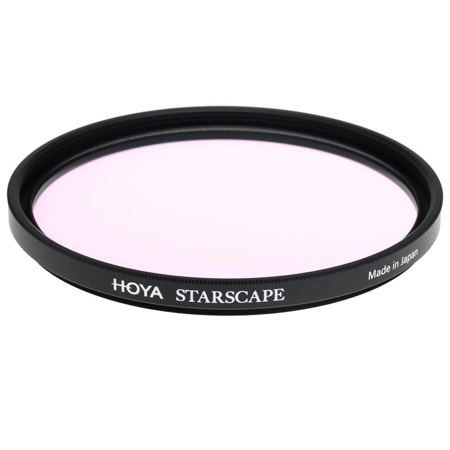
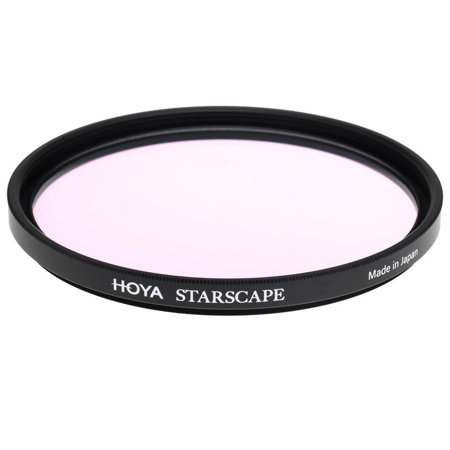
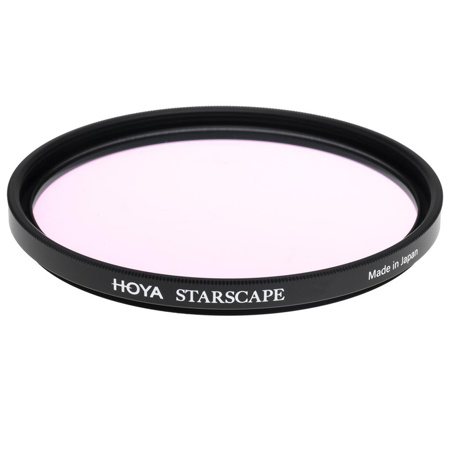
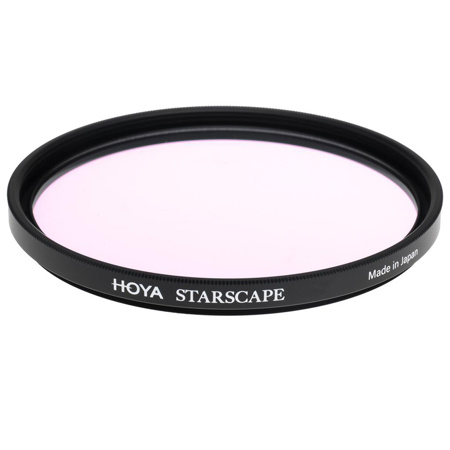
Didymium filters occupy a unique place in the world of optical accessories, prized for their ability to selectively absorb harsh yellow light—specifically the sodium flare that can overwhelm both the human eye and camera sensors. Crafted from glass infused with rare-earth elements like neodymium and praseodymium, these filters function as notch filters, cutting through the intense yellow emissions from heated materials while allowing the rest of the color spectrum to pass through unimpeded. This makes them indispensable for several specialized applications. Glassblowers and lampworkers, for example, rely on didymium filters to protect their eyes and enhance visibility while working at the torch. The sodium flare produced during the shaping of molten glass can be blinding, but with a didymium filter, artisans can see their work in vivid detail, distinguishing subtle color changes and fine contours that would otherwise be lost in the glare. The same filtering properties are valuable in scientific settings, where didymium filters serve as traceable standards for calibrating spectrophotometers, thanks to their well-defined absorption peaks. Photographers, too, have discovered the creative potential of didymium filters, particularly in scenarios where controlling unwanted yellowish cast is crucial. Night sky and astrophotographers use them to reduce light pollution from sodium streetlamps, revealing a truer palette of stars and celestial colors. Landscape photographers appreciate their ability to enhance the vibrancy of autumn foliage, as didymium filters can subtly boost reds and purples while taming muddy orange tones, making fall scenes more striking without oversaturating the image.
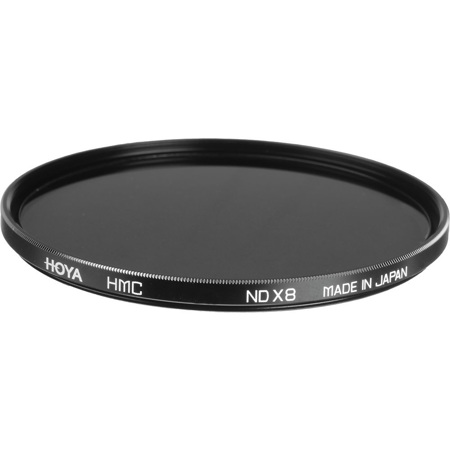
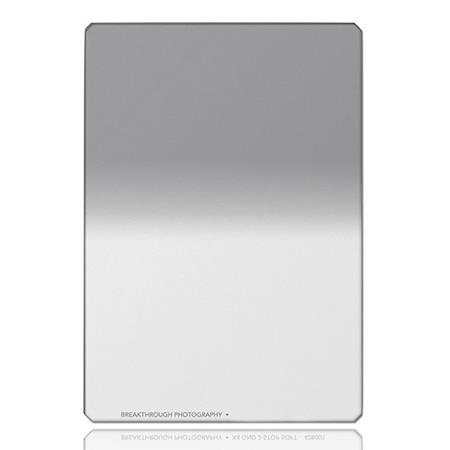
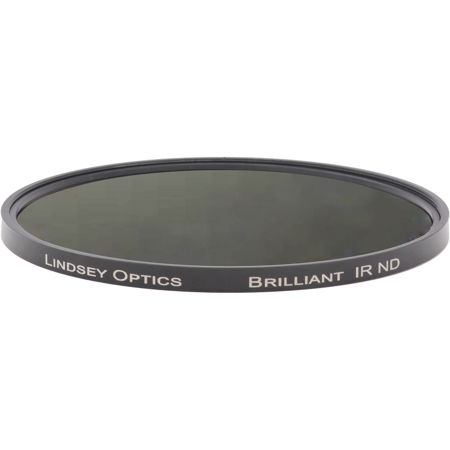
As the days grow longer and outdoor activities pick up, didymium filters become especially relevant for anyone seeking to capture or observe the world in its truest colors. For hobbyists and professionals alike, these filters are a thoughtful addition to any camera bag or studio toolkit, offering both practical benefits and creative flexibility. They make a distinctive gift for glass artists, scientific researchers, or photographers who are passionate about accurate color rendition and eye safety. Whether documenting the intricate process of lampworking, capturing the glow of city lights against a night sky, or highlighting the rich hues of autumn landscapes, a didymium filter can elevate both the experience and the results. The versatility of these filters also means they pair well with other optical tools—some users combine them with neutral density filters, like the ND8 Filters, to further control exposure and achieve the perfect balance of light and color. With their specialized design and enduring utility, didymium filters are well-suited for the creative demands and technical challenges that arise from mid-summer through the cooler months, supporting those who work and play in environments where color accuracy and glare reduction make all the difference.
As the days grow longer and outdoor activities pick up, didymium filters become especially relevant for anyone seeking to capture or observe the world in its truest colors. For hobbyists and professionals alike, these filters are a thoughtful addition to any camera bag or studio toolkit, offering both practical benefits and creative flexibility. They make a distinctive gift for glass artists, scientific researchers, or photographers who are passionate about accurate color rendition and eye safety. Whether documenting the intricate process of lampworking, capturing the glow of city lights against a night sky, or highlighting the rich hues of autumn landscapes, a didymium filter can elevate both the experience and the results. The versatility of these filters also means they pair well with other optical tools—some users combine them with neutral density filters, like the ND8 Filters, to further control exposure and achieve the perfect balance of light and color. With their specialized design and enduring utility, didymium filters are well-suited for the creative demands and technical challenges that arise from mid-summer through the cooler months, supporting those who work and play in environments where color accuracy and glare reduction make all the difference.