Diffusion Screens
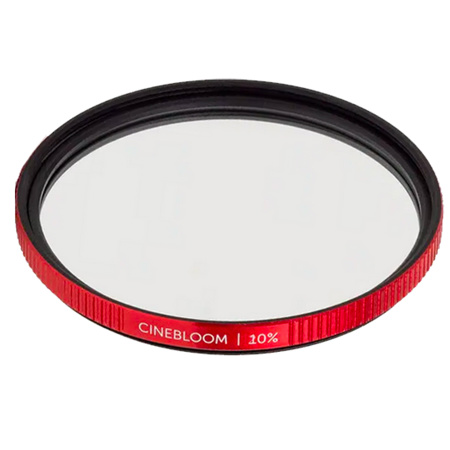
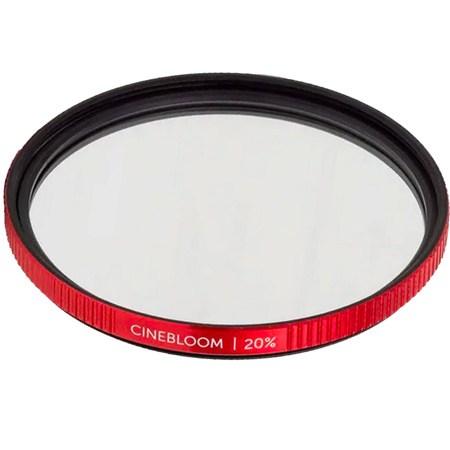
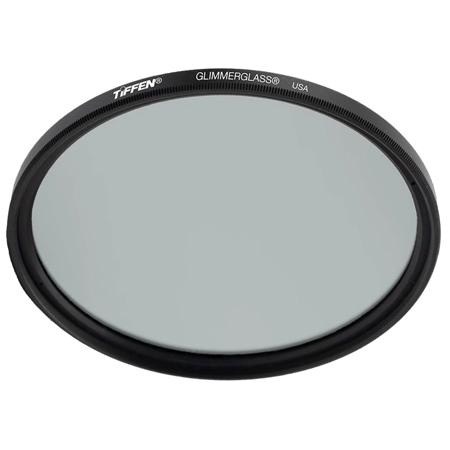
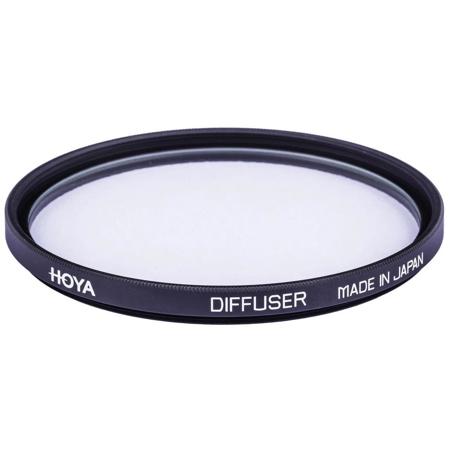
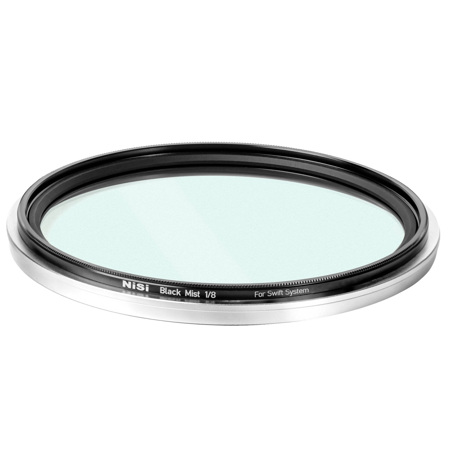
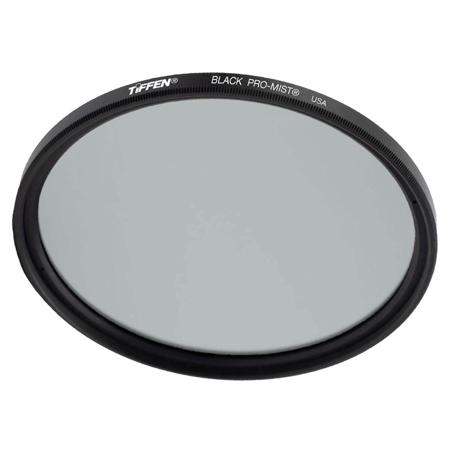
Diffusion screens are essential tools for anyone looking to shape and control light, whether in photography, videography, horticulture, or even in the design of electronic displays. In the world of visual storytelling, these screens—sometimes called diffuser panels, scrims, or silks—play a pivotal role in transforming harsh, direct light into a soft, even glow. This ability to diffuse light is what gives portraits their flattering, wraparound illumination, or allows product shots to shine without distracting hot spots and harsh shadows. Professional photographers and filmmakers rely on diffusion screens to create a specific mood or atmosphere, often using them both in the studio and on location. The versatility of these screens makes them invaluable, whether you’re shooting under the midday sun or working with powerful LED panels indoors. Materials range from lightweight white silk and nylon to multi-layer spun polyester, each offering varying degrees of diffusion—from subtle softening to heavy, cloudlike scatter. Placement is just as varied: some screens are mounted close to a light source with barn doors or clamps, while others are stretched overhead in large frames to create a broad, consistent wash of light. Even as the weather warms and outdoor shoots become more common, diffusion screens can help tame the intensity of natural sunlight, ensuring balanced exposures and gentle transitions between highlights and shadows.
Beyond the realm of cameras and sets, diffusion screens have found a valuable place in commercial horticulture and technology. In greenhouses, light diffusion screens are installed overhead to scatter direct sunlight, preventing the formation of intense hot spots and distributing light more evenly across the crop canopy. This uniformity helps improve plant health and growth consistency, especially as the days grow longer and the sun’s angle shifts with the season. Meanwhile, in electronic displays—like LCD monitors, LED lighting fixtures, and televisions—precision-engineered diffusion films are integrated directly into the hardware. These thin screens homogenize point sources of light, spreading them evenly to eliminate glare and ensure a consistent viewing experience. Whether you’re a professional grower optimizing greenhouse yields, a visual artist seeking perfect skin tones, or a tech enthusiast interested in the inner workings of your favorite devices, diffusion screens offer a practical solution for controlling and enhancing light. For those interested in DIY projects or large-scale installations, consider exploring different types of diffusion materials, including rolls of diffusion film for custom applications. For a closer look at these options, visit our dedicated page for Diffusion Rolls.
Diffusion screens also make thoughtful gifts for creative friends and colleagues. As students wrap up the school year and embark on summer projects, or as professionals prepare for busy seasons of outdoor events and weddings, a quality diffusion screen can become an indispensable part of their lighting kit. These tools are just as useful for content creators filming tutorials, hobbyists experimenting with still life setups, or even gardeners seeking to optimize their greenhouse environment. The flexibility and impact of a good diffusion screen are hard to overstate: from softening the midday sun during a family reunion photo session to eliminating glare on a DIY studio backdrop, the right diffusion solution can elevate both the process and the results. No matter your level of experience or area of interest, understanding how to manipulate and diffuse light is a skill that pays dividends across countless creative and technical pursuits.
Beyond the realm of cameras and sets, diffusion screens have found a valuable place in commercial horticulture and technology. In greenhouses, light diffusion screens are installed overhead to scatter direct sunlight, preventing the formation of intense hot spots and distributing light more evenly across the crop canopy. This uniformity helps improve plant health and growth consistency, especially as the days grow longer and the sun’s angle shifts with the season. Meanwhile, in electronic displays—like LCD monitors, LED lighting fixtures, and televisions—precision-engineered diffusion films are integrated directly into the hardware. These thin screens homogenize point sources of light, spreading them evenly to eliminate glare and ensure a consistent viewing experience. Whether you’re a professional grower optimizing greenhouse yields, a visual artist seeking perfect skin tones, or a tech enthusiast interested in the inner workings of your favorite devices, diffusion screens offer a practical solution for controlling and enhancing light. For those interested in DIY projects or large-scale installations, consider exploring different types of diffusion materials, including rolls of diffusion film for custom applications. For a closer look at these options, visit our dedicated page for Diffusion Rolls.
Diffusion screens also make thoughtful gifts for creative friends and colleagues. As students wrap up the school year and embark on summer projects, or as professionals prepare for busy seasons of outdoor events and weddings, a quality diffusion screen can become an indispensable part of their lighting kit. These tools are just as useful for content creators filming tutorials, hobbyists experimenting with still life setups, or even gardeners seeking to optimize their greenhouse environment. The flexibility and impact of a good diffusion screen are hard to overstate: from softening the midday sun during a family reunion photo session to eliminating glare on a DIY studio backdrop, the right diffusion solution can elevate both the process and the results. No matter your level of experience or area of interest, understanding how to manipulate and diffuse light is a skill that pays dividends across countless creative and technical pursuits.