

Digital To Analog Video Converters
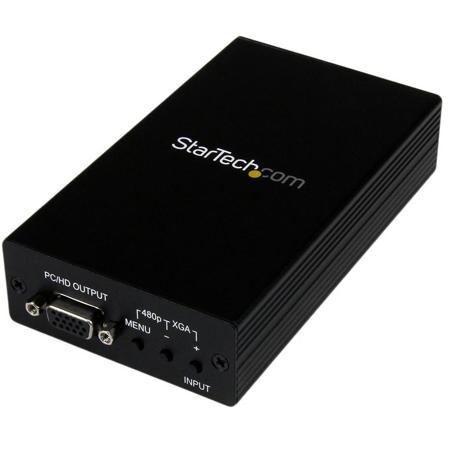
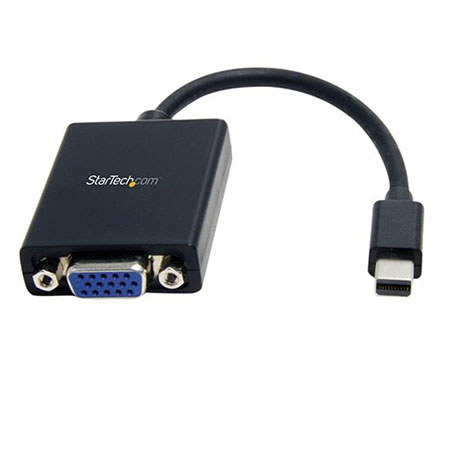
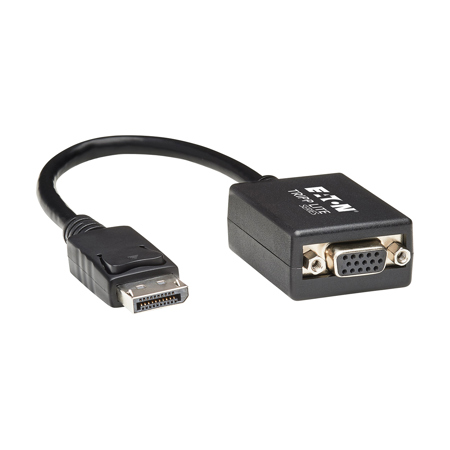
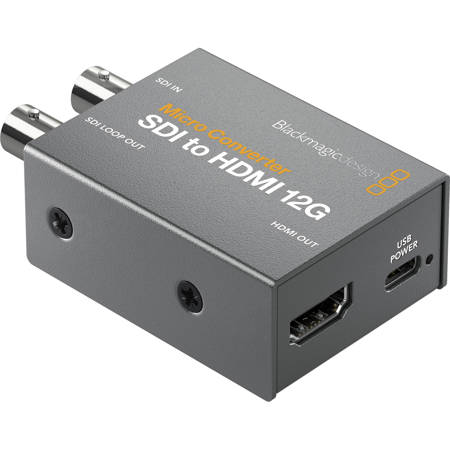
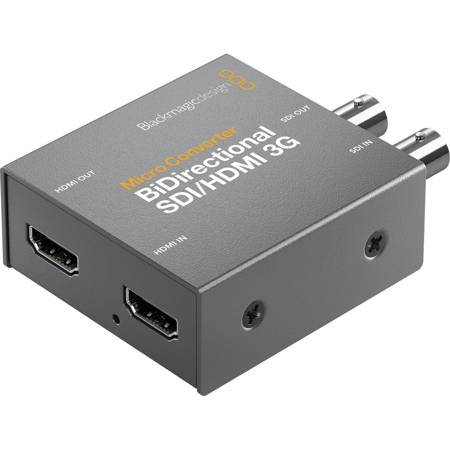
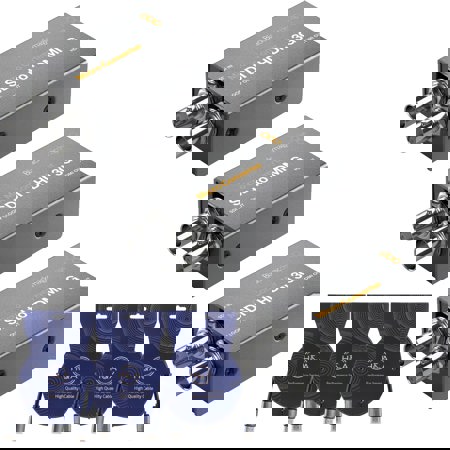
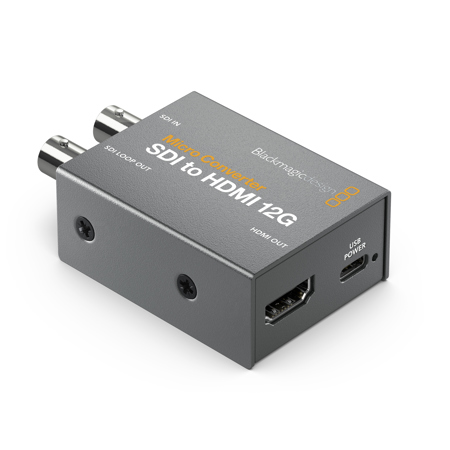
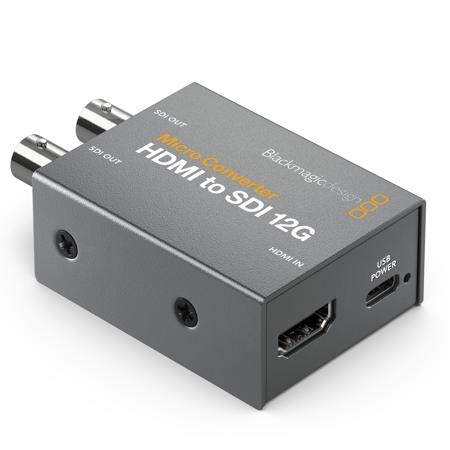
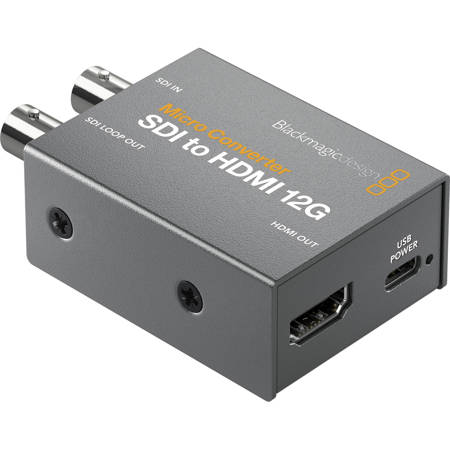
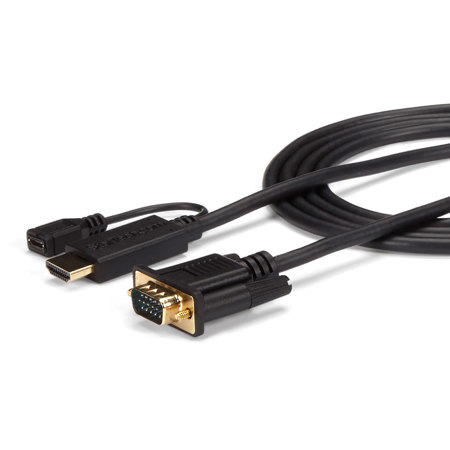
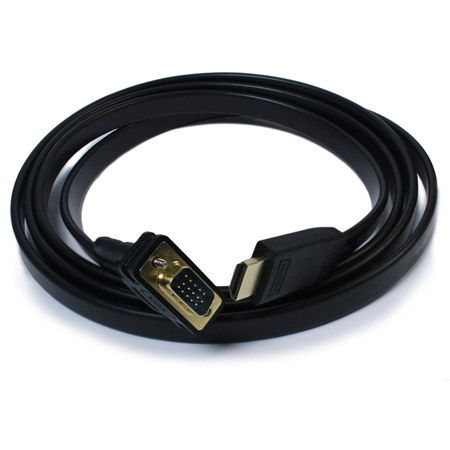
Digital to analog video converters serve as essential bridges between today’s cutting-edge digital devices and the classic analog displays that many professionals, enthusiasts, and collectors still rely on. As technology continues to evolve, the need to connect HDMI, DVI, or SDI sources—such as laptops, streaming devices, digital cameras, or gaming consoles—to legacy equipment like CRT televisions, VCRs, and analog monitors remains surprisingly common. Whether you’re a video producer working in a studio filled with reliable analog reference monitors, a retro gaming enthusiast eager to relive the authentic experience of classic titles on vintage tube TVs, or an educator repurposing time-tested AV carts for classroom presentations, digital to analog converters help keep your workflow smooth and your gear compatible. These devices are also invaluable for AV technicians managing hybrid setups, where both modern and legacy equipment must coexist seamlessly during events, conferences, or installations. As the weather warms and gatherings move from indoor home theaters to backyard movie nights or community spaces, many find themselves dusting off older projectors and displays—making the ability to connect new media players or laptops to these trusted screens especially relevant.
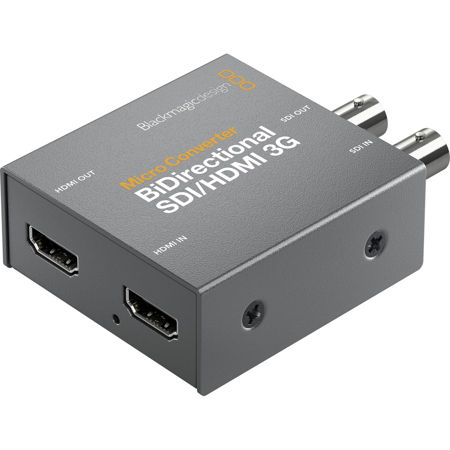
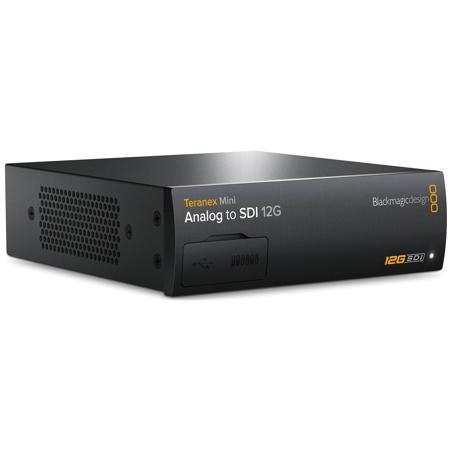
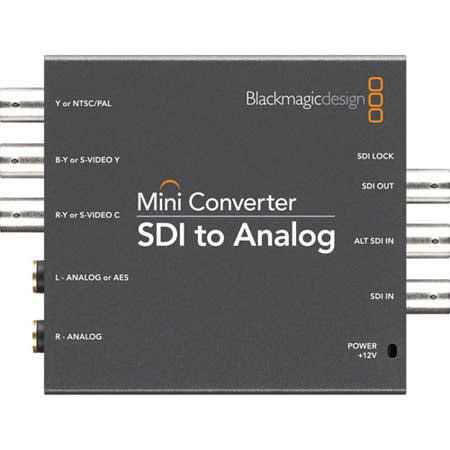
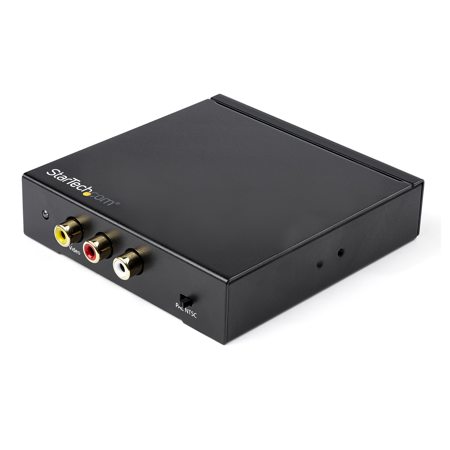
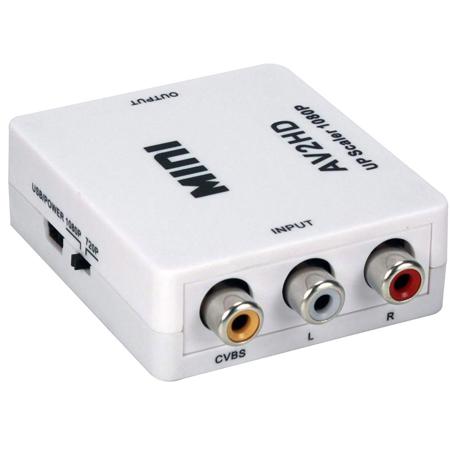
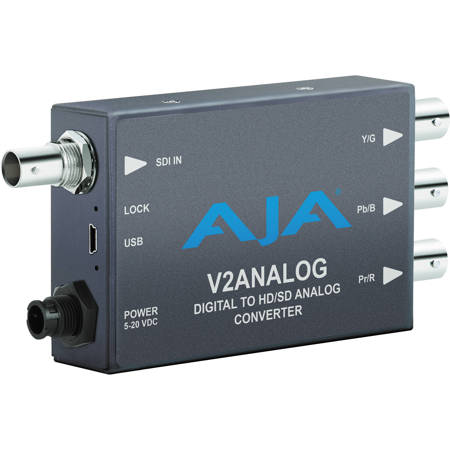
When selecting a digital to analog video converter, several key considerations come into play. The most common scenario involves connecting an HDMI source to an analog composite or component input, but there are also specialized converters for SDI, DVI, or even VGA sources. It’s important to pay close attention to the directionality of the device: a digital-to-analog converter will not digitize VHS tapes or analog camcorders; for that, an analog-to-digital converter is required. Many converters are compact and plug-and-play, requiring only a USB power source, making them ideal for portable setups or quick installations. Professional models may offer robust features like support for higher resolutions, separate audio outputs, or advanced signal processing to maintain color fidelity and minimize artifacts. However, be aware that converting high-definition digital video to standard-definition analog will inevitably result in some loss of detail—text and fine graphics may appear softer on older CRT screens. For audio, many converters conveniently extract embedded digital audio and output it alongside analog video via standard RCA or 3.5mm jacks, ensuring that both sound and picture are preserved during playback. This makes them a thoughtful gift for anyone with a passion for vintage media, whether it’s a family member eager to revisit old home movies or a friend building a retro gaming setup for summer get-togethers.
As you explore the world of digital to analog video converters, remember that compatibility and reliability are paramount. Consider the types of devices you plan to connect, the quality of the cables used, and the specific needs of your setup—whether it’s for professional broadcast, creative projects, or simply enjoying classic content on a favorite old TV. For those interested in exploring other solutions, including analog-to-digital options or more advanced signal routing, you can find a comprehensive selection of Analog Video Converters to suit every workflow. With the right converter, you can effortlessly blend the best of both worlds—bringing new life to cherished equipment and ensuring your media is always ready to share, whether indoors or out, throughout the changing seasons.
When selecting a digital to analog video converter, several key considerations come into play. The most common scenario involves connecting an HDMI source to an analog composite or component input, but there are also specialized converters for SDI, DVI, or even VGA sources. It’s important to pay close attention to the directionality of the device: a digital-to-analog converter will not digitize VHS tapes or analog camcorders; for that, an analog-to-digital converter is required. Many converters are compact and plug-and-play, requiring only a USB power source, making them ideal for portable setups or quick installations. Professional models may offer robust features like support for higher resolutions, separate audio outputs, or advanced signal processing to maintain color fidelity and minimize artifacts. However, be aware that converting high-definition digital video to standard-definition analog will inevitably result in some loss of detail—text and fine graphics may appear softer on older CRT screens. For audio, many converters conveniently extract embedded digital audio and output it alongside analog video via standard RCA or 3.5mm jacks, ensuring that both sound and picture are preserved during playback. This makes them a thoughtful gift for anyone with a passion for vintage media, whether it’s a family member eager to revisit old home movies or a friend building a retro gaming setup for summer get-togethers.
As you explore the world of digital to analog video converters, remember that compatibility and reliability are paramount. Consider the types of devices you plan to connect, the quality of the cables used, and the specific needs of your setup—whether it’s for professional broadcast, creative projects, or simply enjoying classic content on a favorite old TV. For those interested in exploring other solutions, including analog-to-digital options or more advanced signal routing, you can find a comprehensive selection of Analog Video Converters to suit every workflow. With the right converter, you can effortlessly blend the best of both worlds—bringing new life to cherished equipment and ensuring your media is always ready to share, whether indoors or out, throughout the changing seasons.