DIN Cables
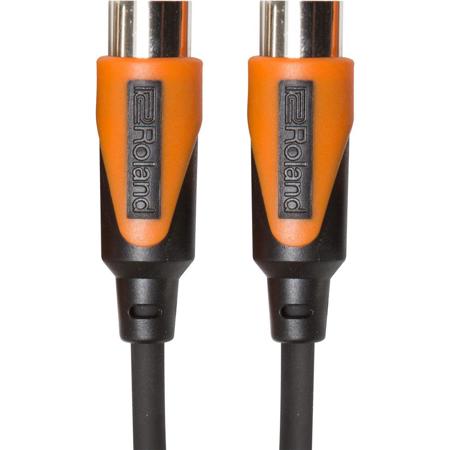
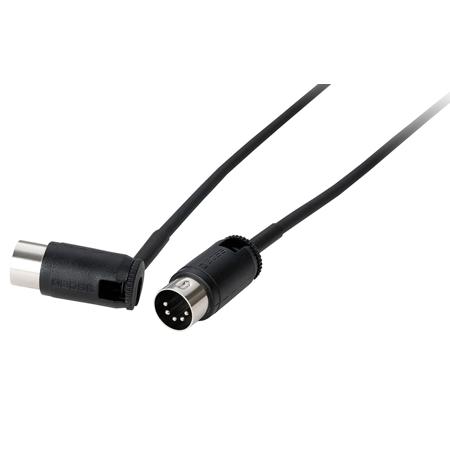
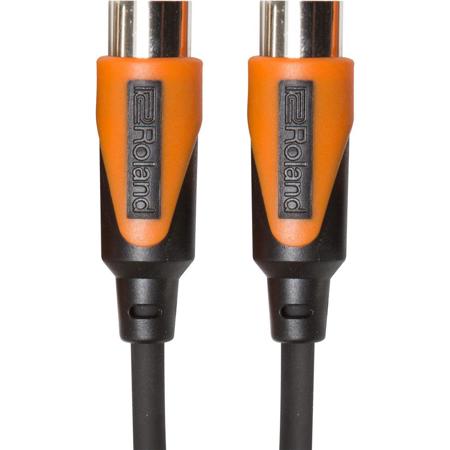
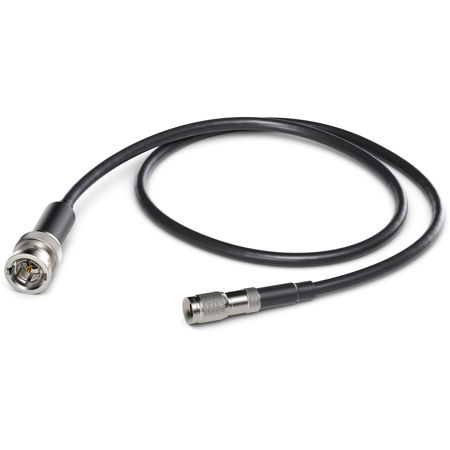
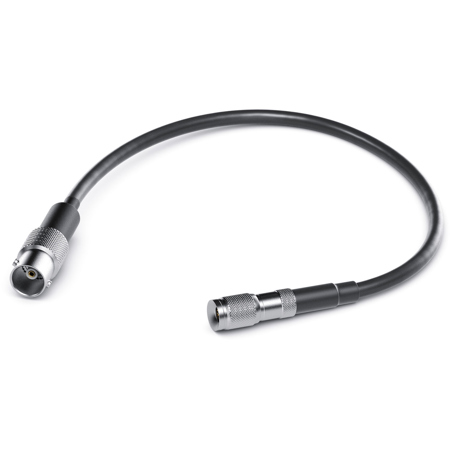
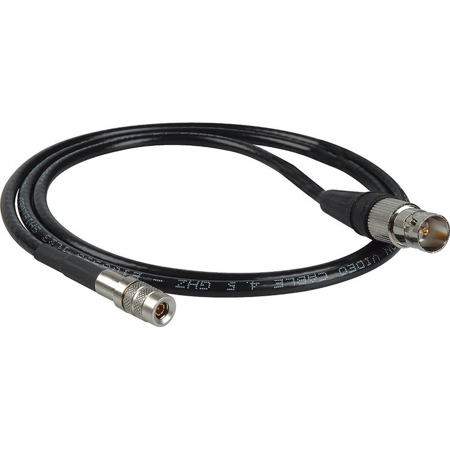
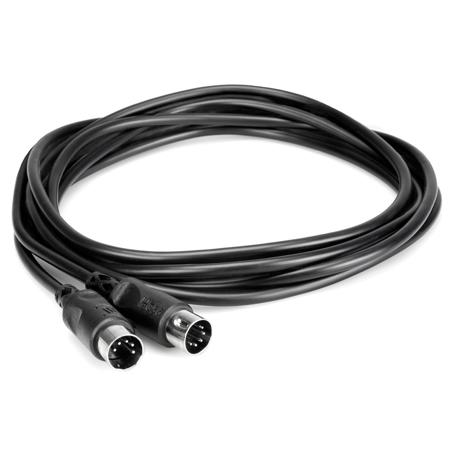
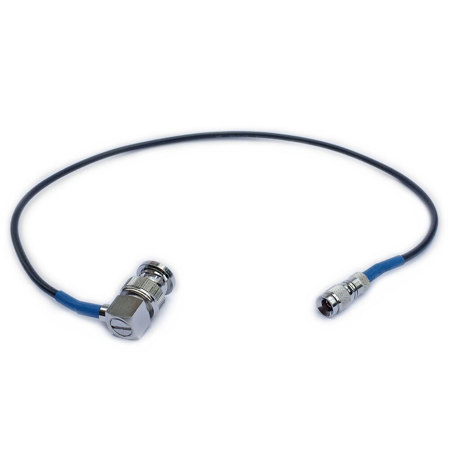
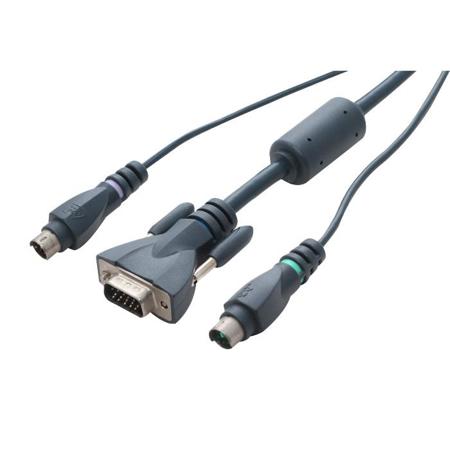
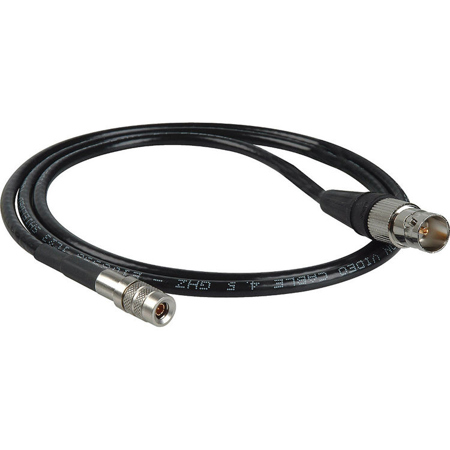
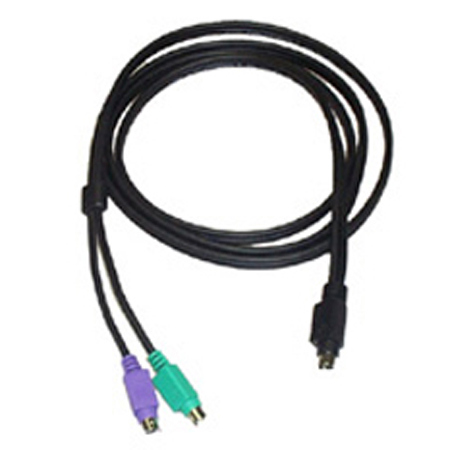
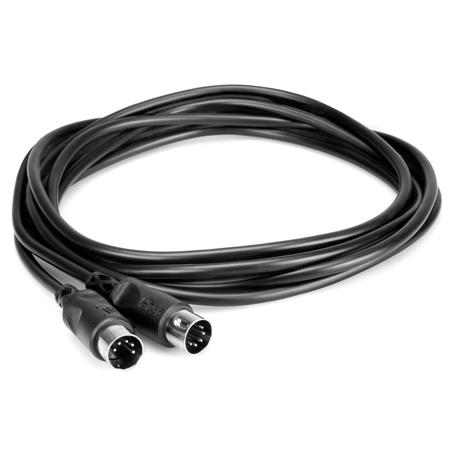
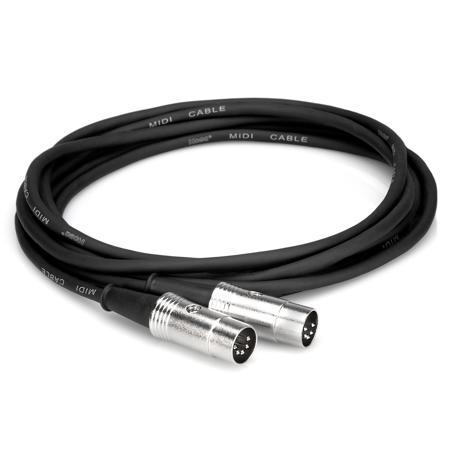
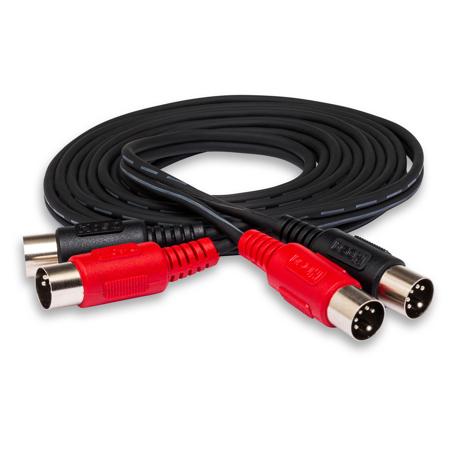
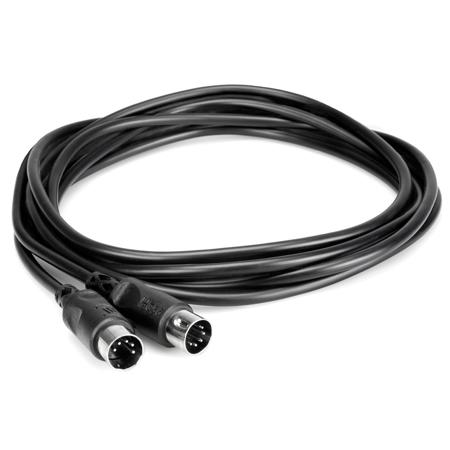
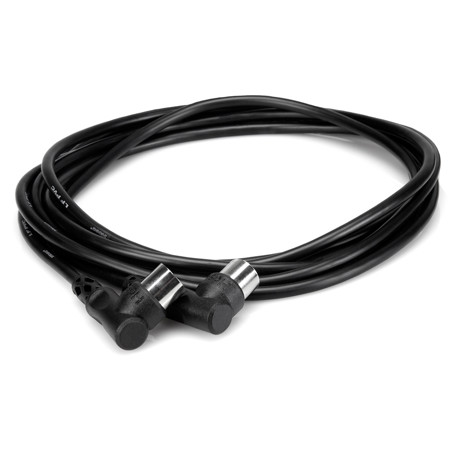
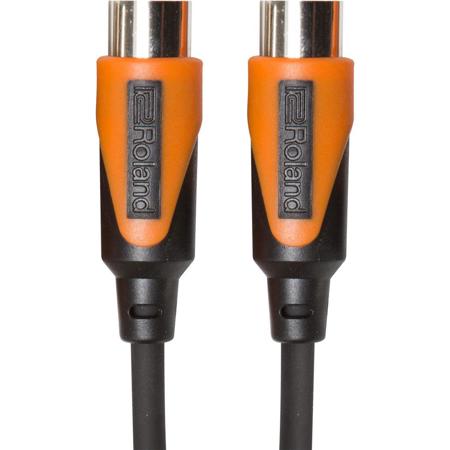
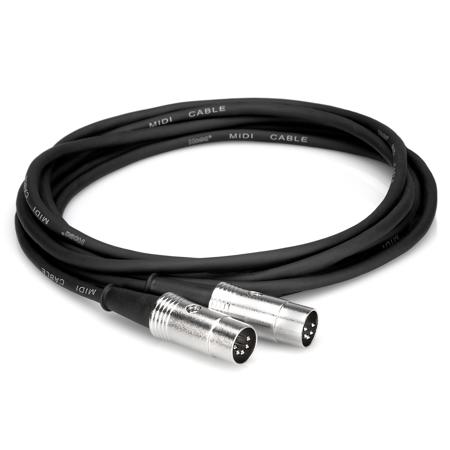
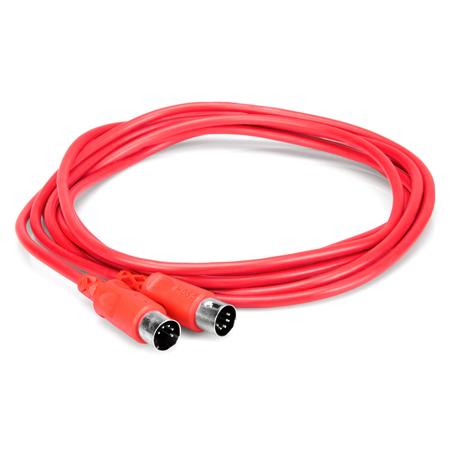
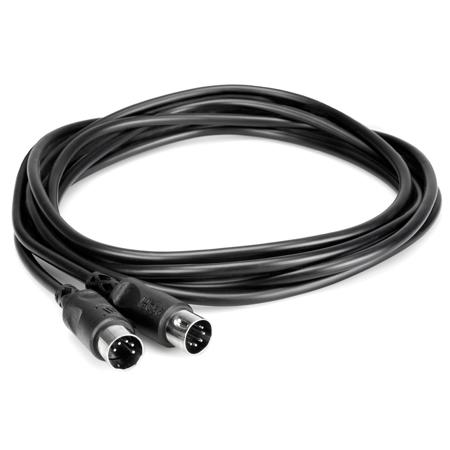
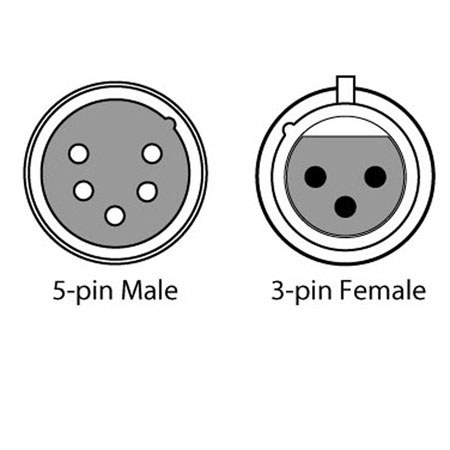
DIN cables, with their distinctive circular connectors and multi-pin configurations, have been a staple in the world of audio, video, and industrial technology for decades. Their origins trace back to the rigorous standards set by the Deutsches Institut für Normung (DIN), which ensures compatibility and reliability across a vast range of equipment. Whether you’re a seasoned studio musician connecting classic synthesizers via 5-pin DIN MIDI cables, a home audio enthusiast restoring vintage hi-fi gear, or a technician integrating legacy computing equipment, DIN cables play a pivotal role in maintaining seamless signal flow. The range is extensive—5-pin DINs are the backbone of MIDI setups, enabling everything from expressive keyboard performances to intricate drum machine programming. Meanwhile, 8-pin DIN cables find their niche in specialized computer peripherals and certain audio/video connections, while mini-DIN variations, such as the 4-pin used for S-Video or the 6-pin for traditional PS/2 computer interfaces, continue to serve both hobbyists and professionals working with retro or industrial systems. For those in fields like automation and manufacturing, industrial DIN connectors (such as the rectangular DIN 43650) are essential for reliable connections to sensors, valves, and solenoids.
Selecting the right DIN cable involves more than just matching pin counts—you’ll want to consider cable length, shielding, flexibility, and compatibility with your specific devices. Musicians and audio engineers often opt for rugged, well-shielded cables to minimize noise during performances or recording sessions, especially as gigging and festival season picks up with the arrival of warmer weather. For those reviving or maintaining vintage audio equipment, finding the correct DIN configuration can breathe new life into classic components, preserving cherished soundscapes for years to come. DIY enthusiasts and tinkerers might also appreciate the versatility DIN cables provide, whether you’re wiring up a custom MIDI pedalboard, linking legacy computing hardware, or experimenting with modular synths in a home studio. If you’re shopping for a gift, DIN cables can be a thoughtful choice for anyone passionate about music production, retro gaming, or electronics restoration—especially as people take on new creative projects during the longer days and relaxed pace of summer and early fall.
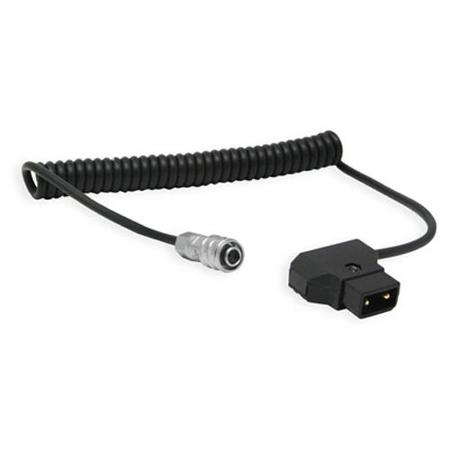
Beyond traditional audio and video applications, DIN cables remain relevant in today’s hybrid digital-analog workflows, bridging the gap between classic gear and modern setups. As you explore the right cable for your needs, keep in mind that some projects may also require specialized power or data connections—if your setup involves professional video or field equipment, you might find it useful to explore options like D Tap Cables for powering cameras and accessories. No matter your application, investing in quality DIN cables ensures stable, reliable connections—whether you’re gearing up for a busy season of live performances, working on a restoration project in your workshop, or simply enjoying the tactile satisfaction of connecting time-tested technology. The enduring popularity of DIN cables speaks to their versatility and reliability, making them an essential component in studios, workshops, and creative spaces everywhere.
Selecting the right DIN cable involves more than just matching pin counts—you’ll want to consider cable length, shielding, flexibility, and compatibility with your specific devices. Musicians and audio engineers often opt for rugged, well-shielded cables to minimize noise during performances or recording sessions, especially as gigging and festival season picks up with the arrival of warmer weather. For those reviving or maintaining vintage audio equipment, finding the correct DIN configuration can breathe new life into classic components, preserving cherished soundscapes for years to come. DIY enthusiasts and tinkerers might also appreciate the versatility DIN cables provide, whether you’re wiring up a custom MIDI pedalboard, linking legacy computing hardware, or experimenting with modular synths in a home studio. If you’re shopping for a gift, DIN cables can be a thoughtful choice for anyone passionate about music production, retro gaming, or electronics restoration—especially as people take on new creative projects during the longer days and relaxed pace of summer and early fall.
Beyond traditional audio and video applications, DIN cables remain relevant in today’s hybrid digital-analog workflows, bridging the gap between classic gear and modern setups. As you explore the right cable for your needs, keep in mind that some projects may also require specialized power or data connections—if your setup involves professional video or field equipment, you might find it useful to explore options like D Tap Cables for powering cameras and accessories. No matter your application, investing in quality DIN cables ensures stable, reliable connections—whether you’re gearing up for a busy season of live performances, working on a restoration project in your workshop, or simply enjoying the tactile satisfaction of connecting time-tested technology. The enduring popularity of DIN cables speaks to their versatility and reliability, making them an essential component in studios, workshops, and creative spaces everywhere.