
Direct Boxes For Keyboards
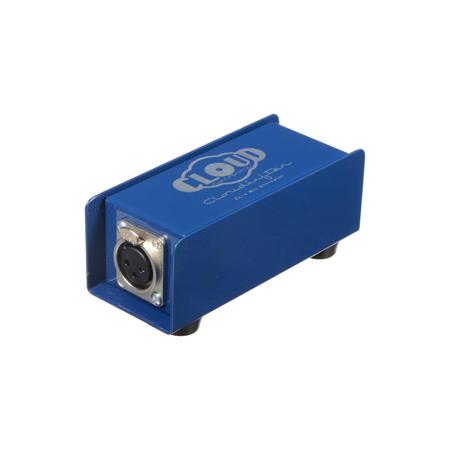
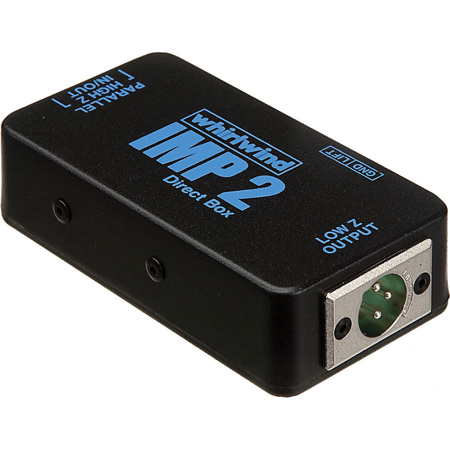
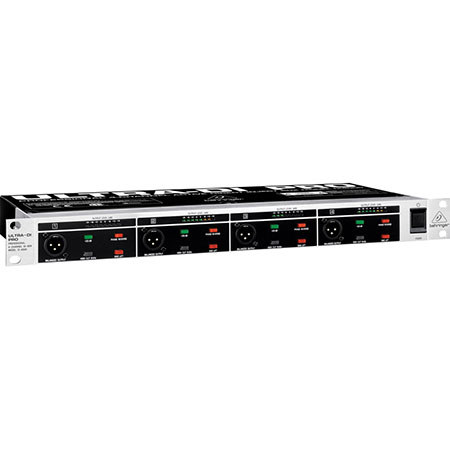
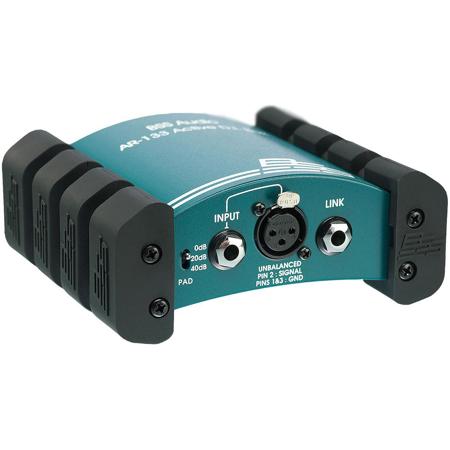
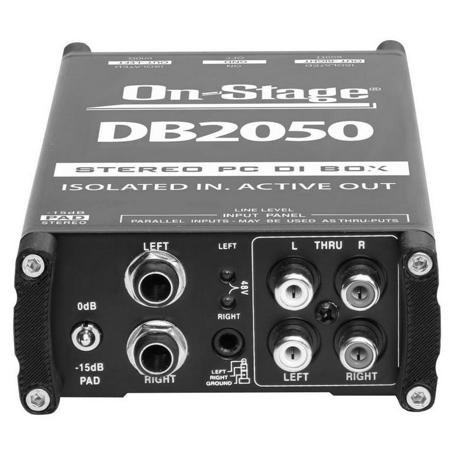
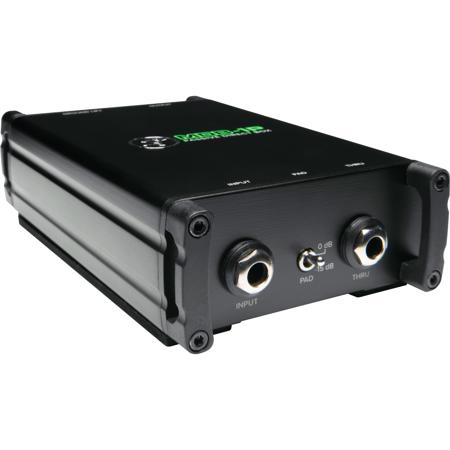
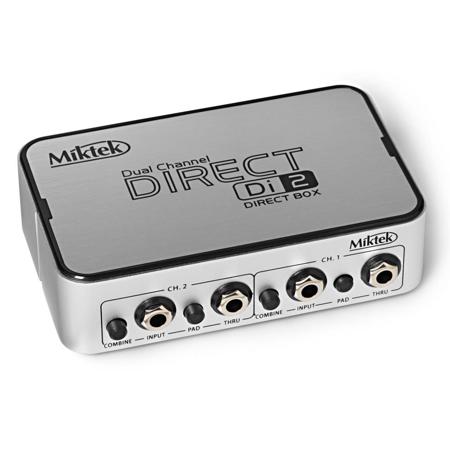
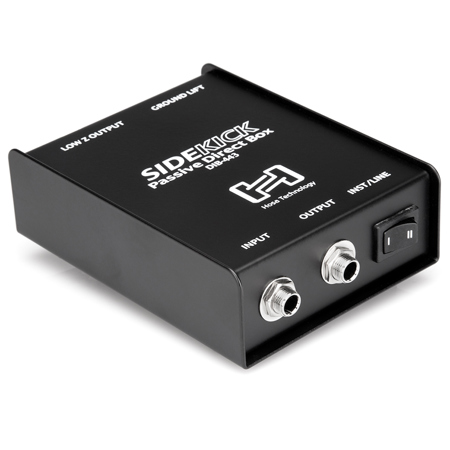
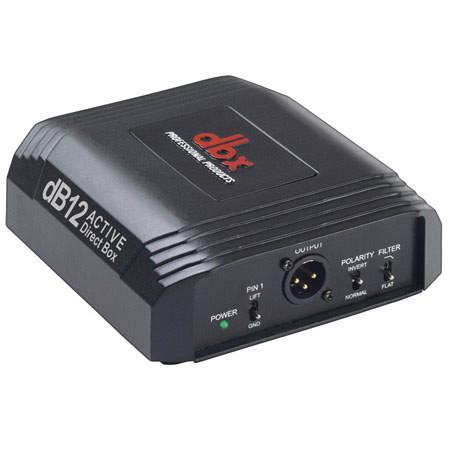
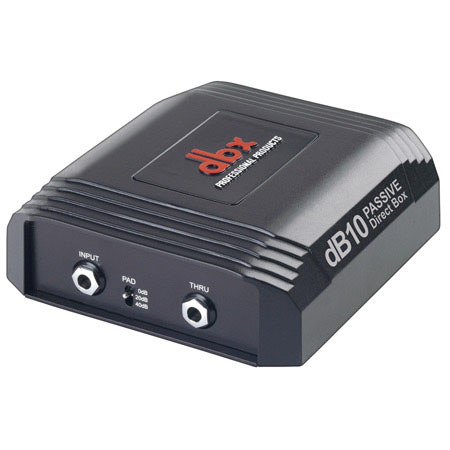
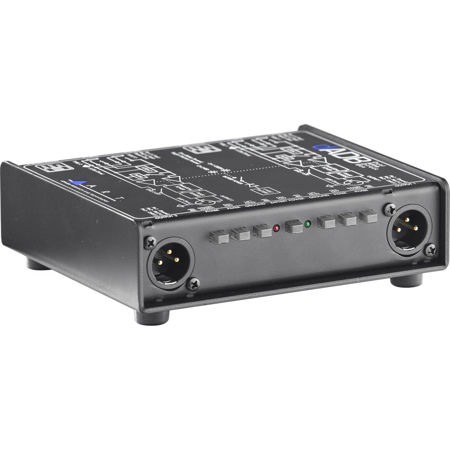
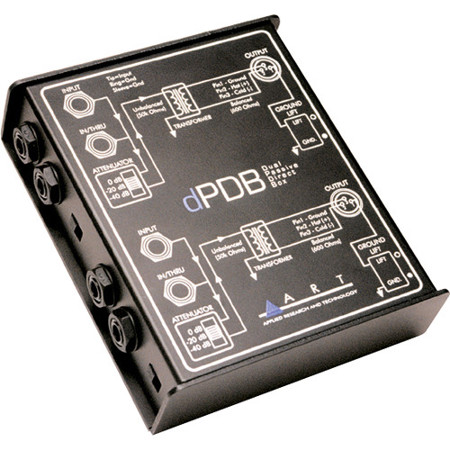
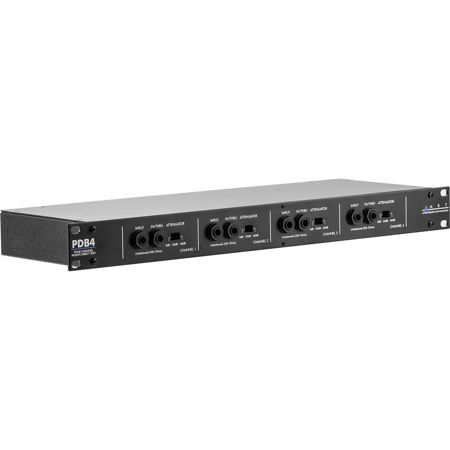
For keyboardists performing on stage, recording in the studio, or even setting up for a house-of-worship service, a reliable DI box for keyboard setups is an essential piece of gear. As the days grow longer and live events move outdoors or to larger venues, the need for clean, noise-free signal transmission becomes even more critical. Keyboards and synthesizers often output unbalanced, line-level signals that are susceptible to interference and ground-loop hum, especially when running cables over longer distances to a mixing console. This is where a direct box—commonly referred to as a DI—comes into play. By converting unbalanced signals into balanced, microphone-level signals, a DI box for keyboard use ensures your sound arrives at the mixer pristine and free from unwanted noise. For those who use stereo patches or effects-heavy sounds, a stereo direct box for keyboard preserves the full width and depth of your instrument’s output, maintaining chorus, panning, and reverb effects that are lost with mono connections. Whether you’re a gigging musician, a church tech, or a studio producer, choosing the best DI box for keyboard applications can make the difference between a muddy, noisy mix and a professional, polished performance.
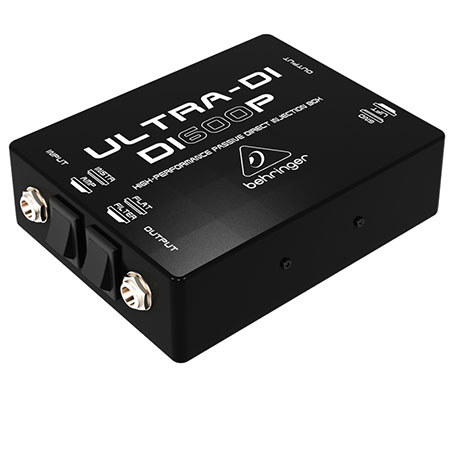
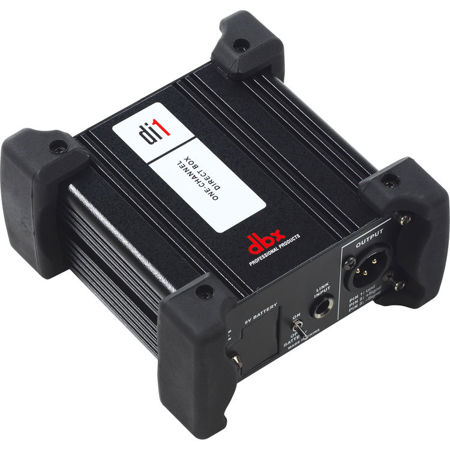
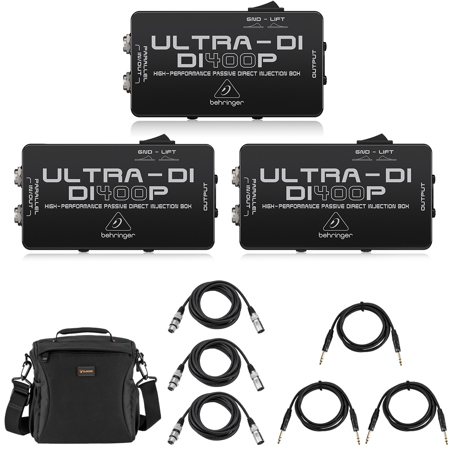
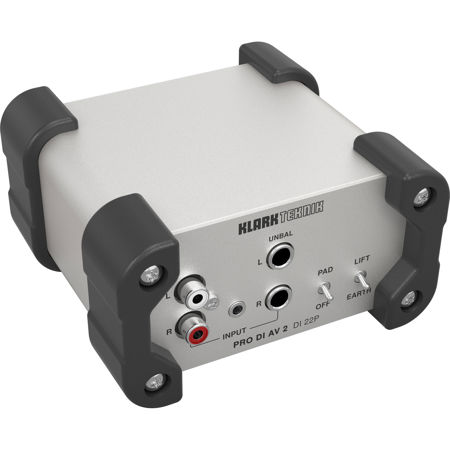
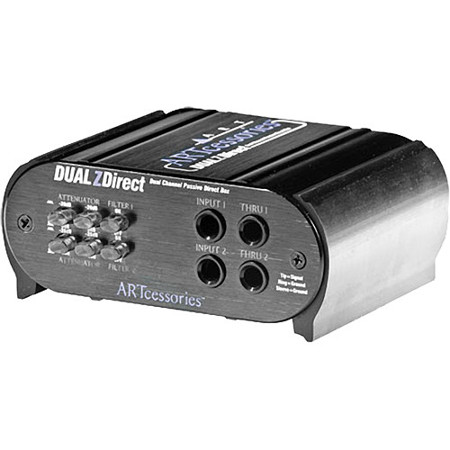
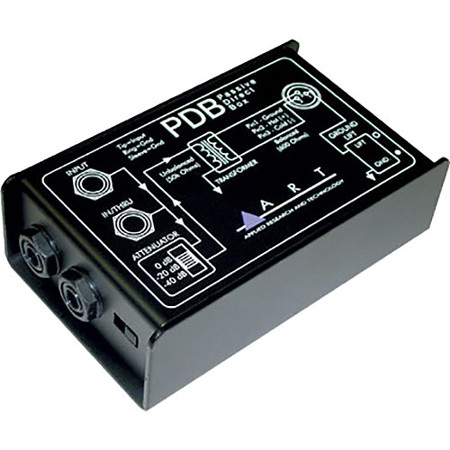
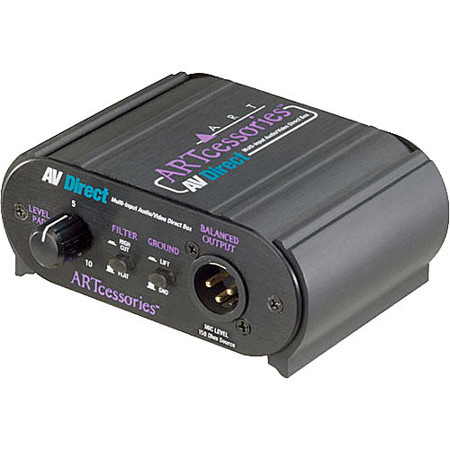
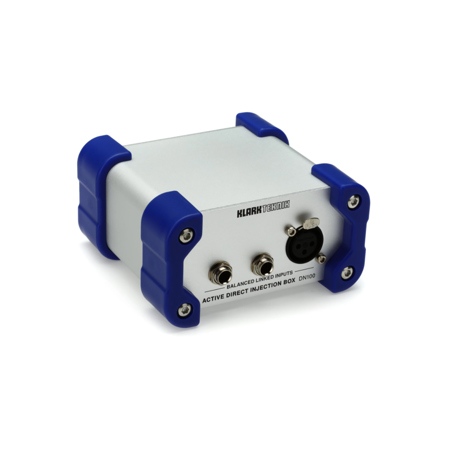
When considering which DI is right for your setup, it’s important to weigh the benefits of an active or passive DI box for keyboard use. Most modern keyboards produce strong, line-level signals with built-in preamps, making a passive stereo DI box a popular and reliable choice. Passive DIs require no power source, are rugged enough for the road, and handle high-output instruments without distortion. They’re especially useful during the warmer months, when outdoor stages and unpredictable power sources can introduce unwanted hum and buzz—features like ground lift switches and pad attenuation help eliminate these common issues. However, if your keyboard’s output is on the weaker side, or you’re dealing with long cable runs in a complex studio environment, an active DI box might offer a cleaner signal with more headroom. Stereo DI boxes are essential for keyboardists who want to retain the spatial effects of their sounds, while mono DIs may suffice for simpler setups or vintage keyboards with single outputs. For those looking to expand their rig, or for multi-instrumentalists who double on bass or electric piano, exploring related solutions like those found on our Bass Guitar Direct Boxes page can provide additional options tailored to different instruments and environments.
Direct boxes for keyboards also make thoughtful gifts for musicians of all skill levels, especially as music camps, summer festivals, and outdoor gigs become more frequent. A well-chosen stereo DI box can be the unsung hero of a keyboardist’s setup, providing peace of mind and professional sound quality whether they’re playing a local open mic or headlining a festival stage. Features such as ground lift switches, pad attenuation, and rugged construction are particularly valuable for performers who find themselves setting up in unfamiliar venues or sharing gear with other musicians. These tools help ensure that, no matter the season or the setting, your keyboard’s sound remains clear, consistent, and free from technical distractions. Investing in the right DI box for keyboard use is a simple step that pays dividends every time you plug in—delivering your music exactly as you intend, from the first note to the last encore.
When considering which DI is right for your setup, it’s important to weigh the benefits of an active or passive DI box for keyboard use. Most modern keyboards produce strong, line-level signals with built-in preamps, making a passive stereo DI box a popular and reliable choice. Passive DIs require no power source, are rugged enough for the road, and handle high-output instruments without distortion. They’re especially useful during the warmer months, when outdoor stages and unpredictable power sources can introduce unwanted hum and buzz—features like ground lift switches and pad attenuation help eliminate these common issues. However, if your keyboard’s output is on the weaker side, or you’re dealing with long cable runs in a complex studio environment, an active DI box might offer a cleaner signal with more headroom. Stereo DI boxes are essential for keyboardists who want to retain the spatial effects of their sounds, while mono DIs may suffice for simpler setups or vintage keyboards with single outputs. For those looking to expand their rig, or for multi-instrumentalists who double on bass or electric piano, exploring related solutions like those found on our Bass Guitar Direct Boxes page can provide additional options tailored to different instruments and environments.
Direct boxes for keyboards also make thoughtful gifts for musicians of all skill levels, especially as music camps, summer festivals, and outdoor gigs become more frequent. A well-chosen stereo DI box can be the unsung hero of a keyboardist’s setup, providing peace of mind and professional sound quality whether they’re playing a local open mic or headlining a festival stage. Features such as ground lift switches, pad attenuation, and rugged construction are particularly valuable for performers who find themselves setting up in unfamiliar venues or sharing gear with other musicians. These tools help ensure that, no matter the season or the setting, your keyboard’s sound remains clear, consistent, and free from technical distractions. Investing in the right DI box for keyboard use is a simple step that pays dividends every time you plug in—delivering your music exactly as you intend, from the first note to the last encore.