
Double D Metal Detector Coils
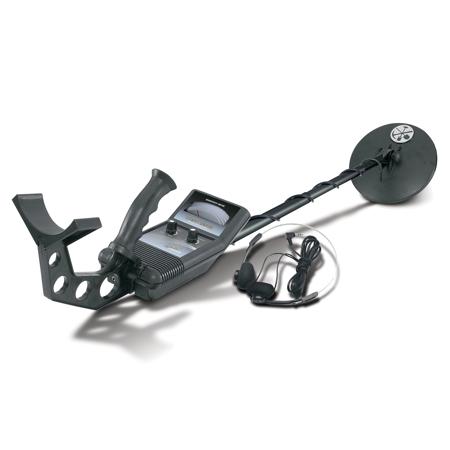
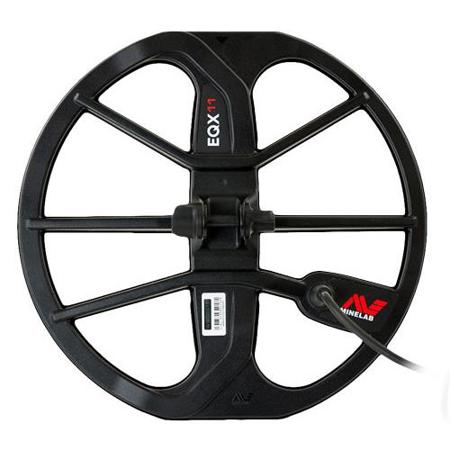
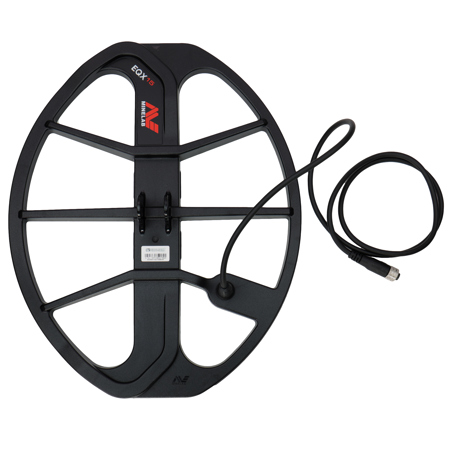
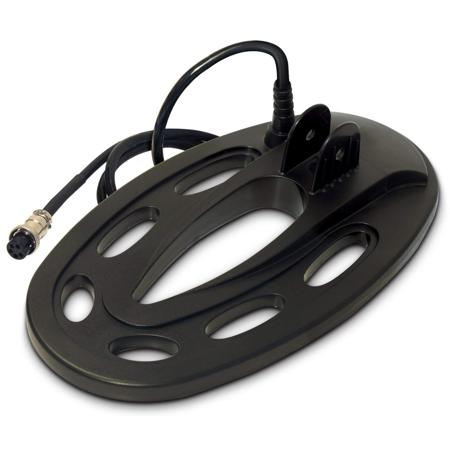
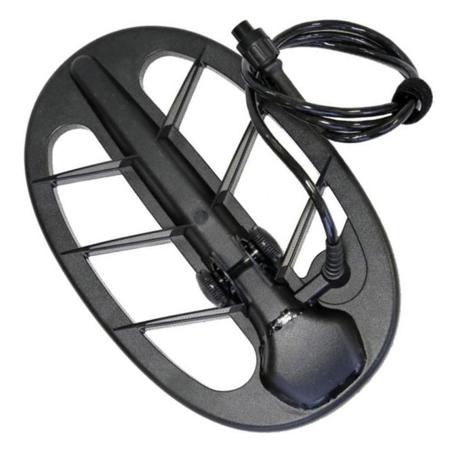
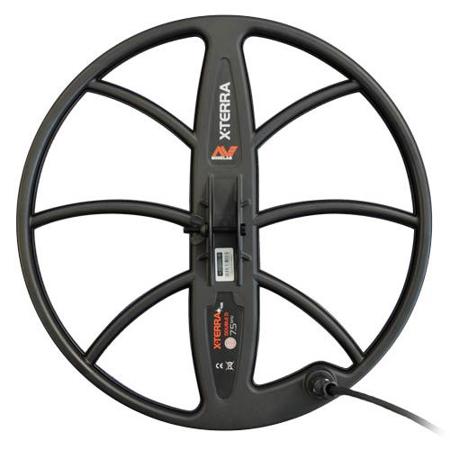
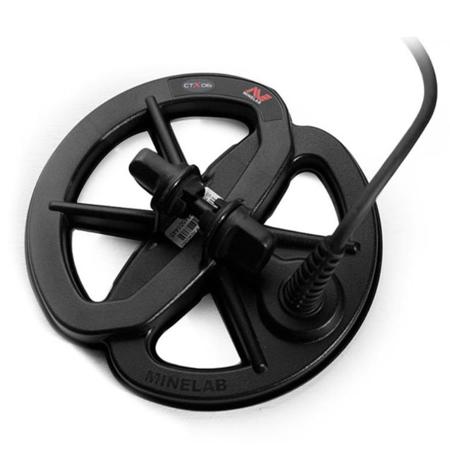
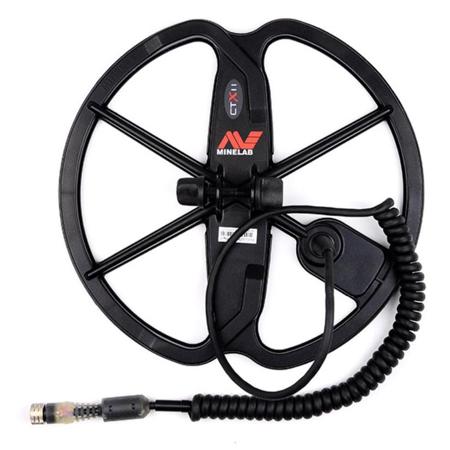
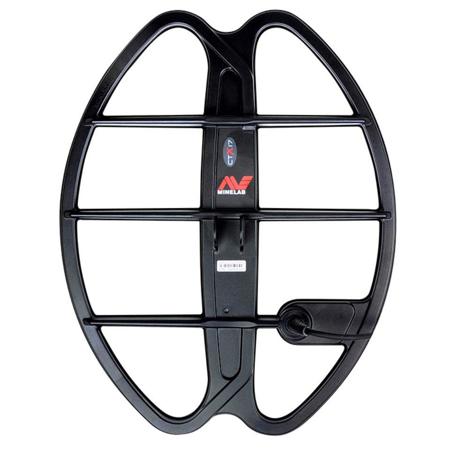
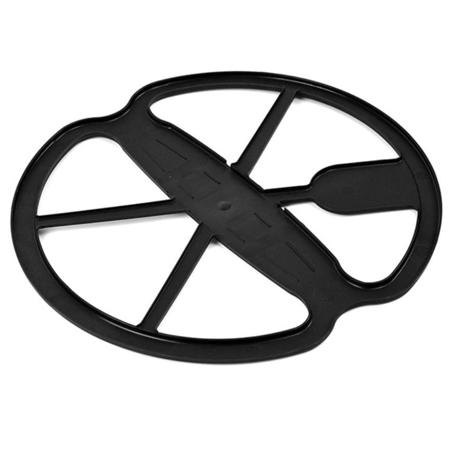
Double D metal detector coils have become a trusted choice for treasure hunters, hobbyists, and professionals alike, thanks to their unique combination of versatility and performance. The defining feature of a Double D coil is the pair of overlapping, D-shaped windings that create a blade-like detection field. This design offers several advantages, especially when you’re searching in ground conditions that would challenge a standard concentric coil. For example, if you’re exploring mineral-rich soils, black sand beaches, or saltwater shorelines as the weather warms and outdoor adventures call, a Double D coil can help you cut through the noise. Its overlapping windings generate a “null” point, allowing the coil to effectively ignore confusing ground signals that might otherwise cause false beeps. This means you’ll spend less time second-guessing signals and more time unearthing coins, relics, and other buried treasures. Whether you’re combing wide-open fields for Civil War artifacts, working the edge of a lake with friends, or sifting through a high-traffic park after a busy holiday weekend, the consistent depth and wide sweep of a Double D coil help maximize your coverage with every pass.
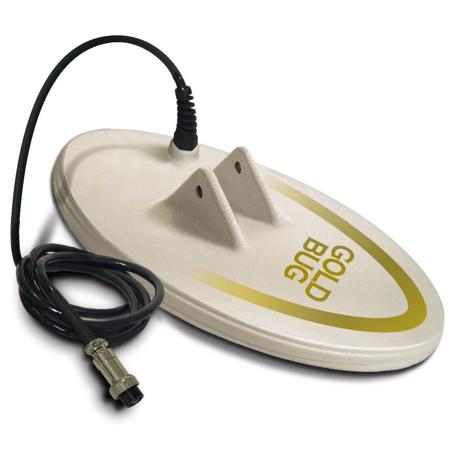
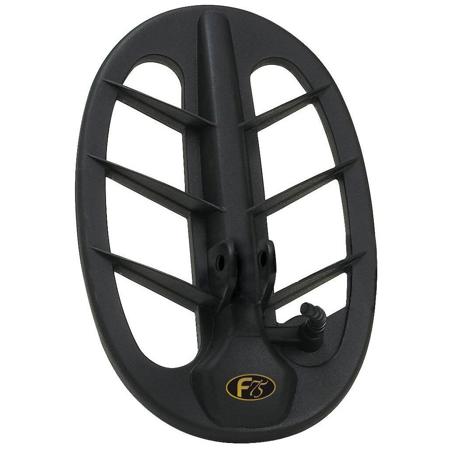
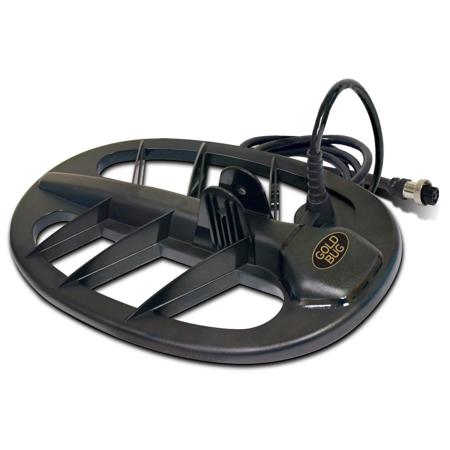
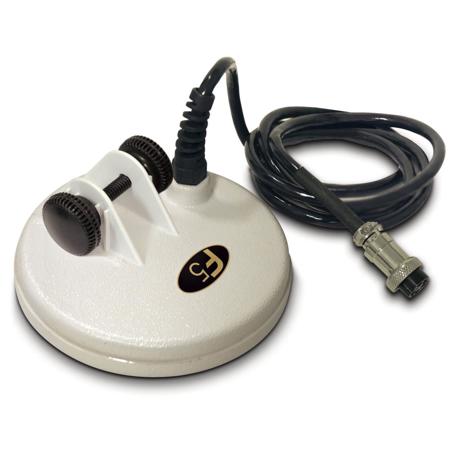
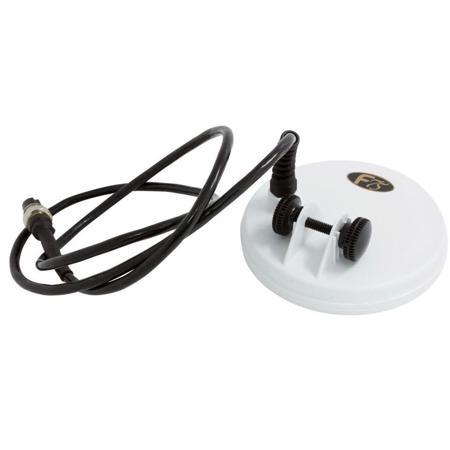
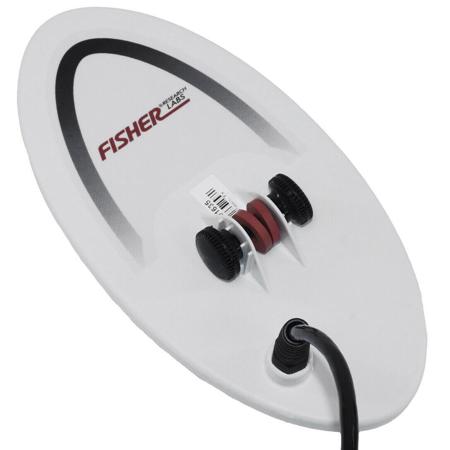
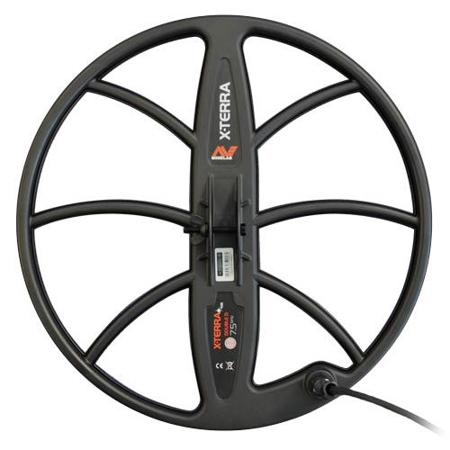
Seasoned detectorists often appreciate Double D coils for their ability to single out valuable targets even in areas littered with iron junk or modern trash. The blade-shaped detection field runs down the center of the coil, providing excellent target separation—an essential feature when you’re trying to isolate a coin nestled next to a rusty nail or a gold ring hiding under a bottle cap. While pinpointing with a Double D coil requires some practice—the strongest signal isn’t always directly beneath the center—the learning curve is well worth it. Many users develop their own techniques, such as using the toe or heel of the coil to zero in on a target, making the process feel intuitive over time. Double D coils are available in a range of sizes and shapes, from compact elliptical coils perfect for navigating tight, trashy spaces, to larger rounds that excel in open, low-trash environments. This flexibility makes them an excellent upgrade for anyone looking to tailor their metal detecting setup to specific sites or conditions, whether you’re a weekend hobbyist, a seasoned relic hunter, or shopping for a thoughtful gift for someone who loves history, the outdoors, or the thrill of discovery. If your adventures take you near water or into unpredictable weather, you may also want to explore Waterproof Search Coil Metal Detectors for added durability and peace of mind.
When choosing a Double D coil, it’s important to consider your detector’s compatibility, the type of terrain you’ll be exploring, and the targets you hope to find. Smaller coils offer precise maneuverability in cluttered areas, while larger models provide greater depth and ground coverage—ideal for covering more ground on a sunny afternoon or during a cooler evening hunt. Double D coils are popular among detectorists who frequent mineralized or variable soils, but they’re also a smart pick for beginners eager to avoid the frustration of false signals. If you’re curious about the origins of your equipment, you might find yourself wondering, “where are Minelab metal detectors made?”—a testament to the global appeal and innovation in the world of metal detecting. Whether you’re gifting a new coil to a family member who loves history or upgrading your own gear ahead of a season of outdoor exploration, Double D metal detector coils offer reliable performance, adaptability, and the promise of new discoveries, making every hunt an adventure worth remembering.
Seasoned detectorists often appreciate Double D coils for their ability to single out valuable targets even in areas littered with iron junk or modern trash. The blade-shaped detection field runs down the center of the coil, providing excellent target separation—an essential feature when you’re trying to isolate a coin nestled next to a rusty nail or a gold ring hiding under a bottle cap. While pinpointing with a Double D coil requires some practice—the strongest signal isn’t always directly beneath the center—the learning curve is well worth it. Many users develop their own techniques, such as using the toe or heel of the coil to zero in on a target, making the process feel intuitive over time. Double D coils are available in a range of sizes and shapes, from compact elliptical coils perfect for navigating tight, trashy spaces, to larger rounds that excel in open, low-trash environments. This flexibility makes them an excellent upgrade for anyone looking to tailor their metal detecting setup to specific sites or conditions, whether you’re a weekend hobbyist, a seasoned relic hunter, or shopping for a thoughtful gift for someone who loves history, the outdoors, or the thrill of discovery. If your adventures take you near water or into unpredictable weather, you may also want to explore Waterproof Search Coil Metal Detectors for added durability and peace of mind.
When choosing a Double D coil, it’s important to consider your detector’s compatibility, the type of terrain you’ll be exploring, and the targets you hope to find. Smaller coils offer precise maneuverability in cluttered areas, while larger models provide greater depth and ground coverage—ideal for covering more ground on a sunny afternoon or during a cooler evening hunt. Double D coils are popular among detectorists who frequent mineralized or variable soils, but they’re also a smart pick for beginners eager to avoid the frustration of false signals. If you’re curious about the origins of your equipment, you might find yourself wondering, “where are Minelab metal detectors made?”—a testament to the global appeal and innovation in the world of metal detecting. Whether you’re gifting a new coil to a family member who loves history or upgrading your own gear ahead of a season of outdoor exploration, Double D metal detector coils offer reliable performance, adaptability, and the promise of new discoveries, making every hunt an adventure worth remembering.