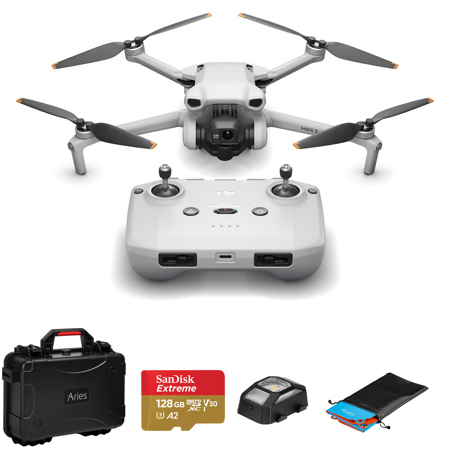
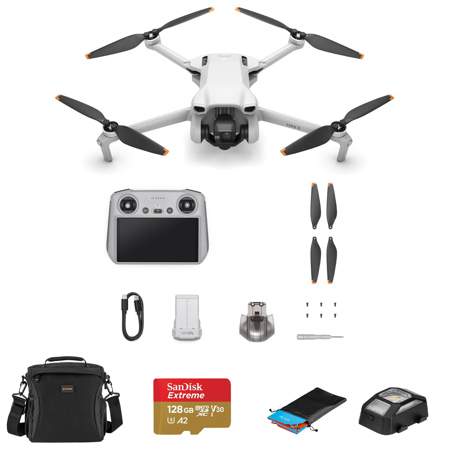
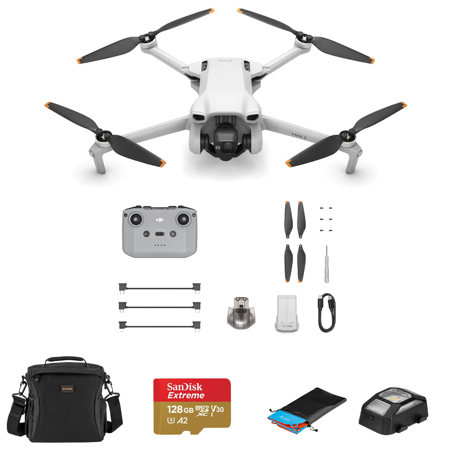
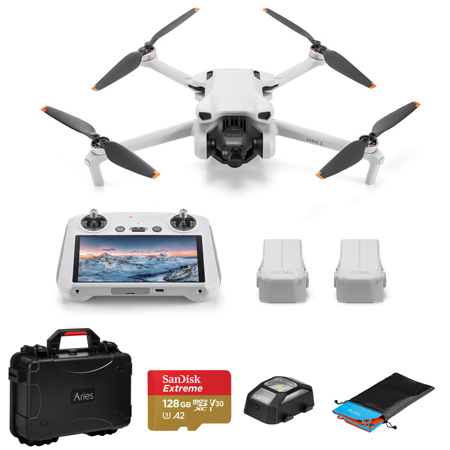

Drone Anti Collision Lights
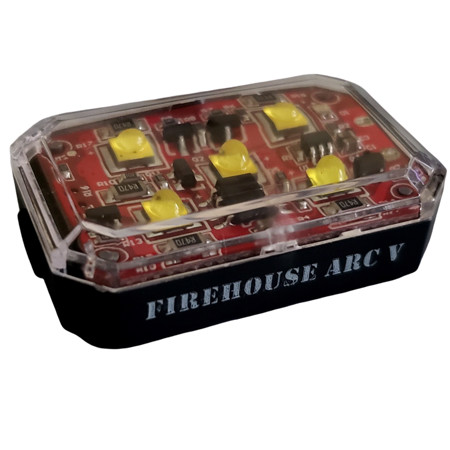
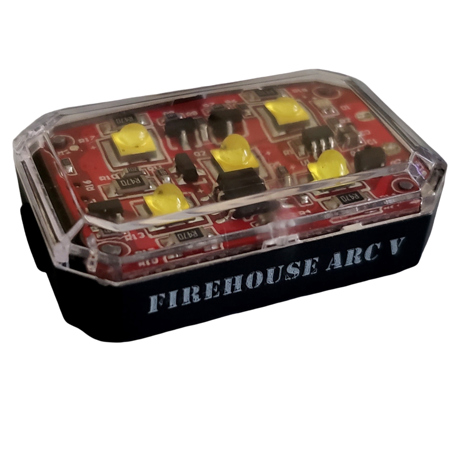
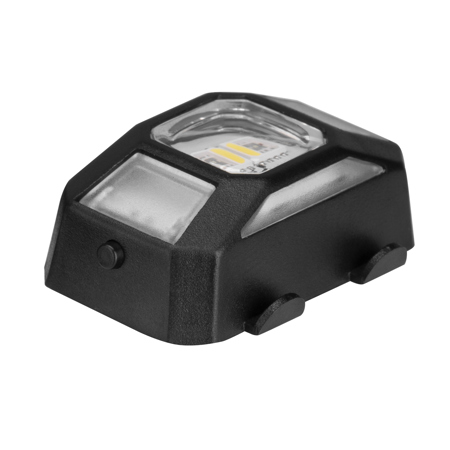
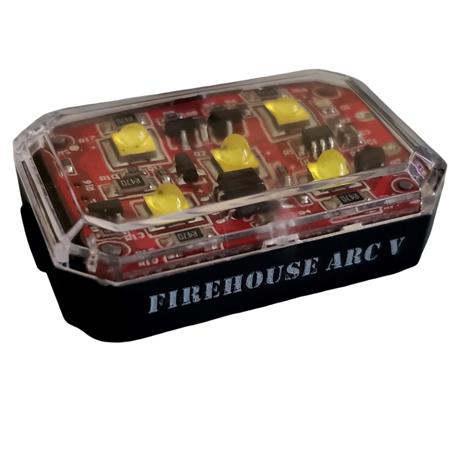
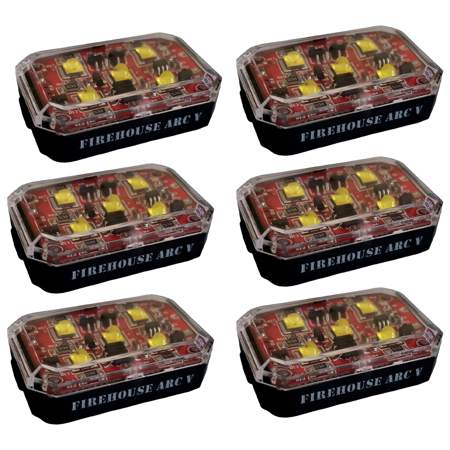
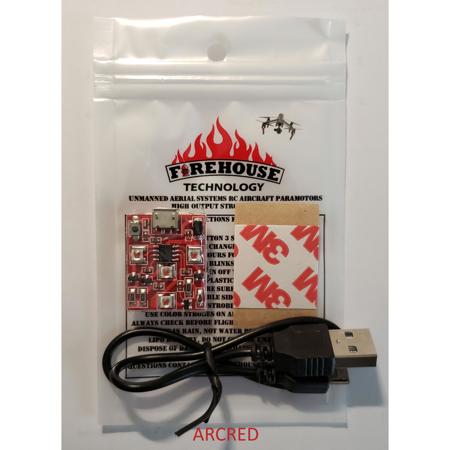
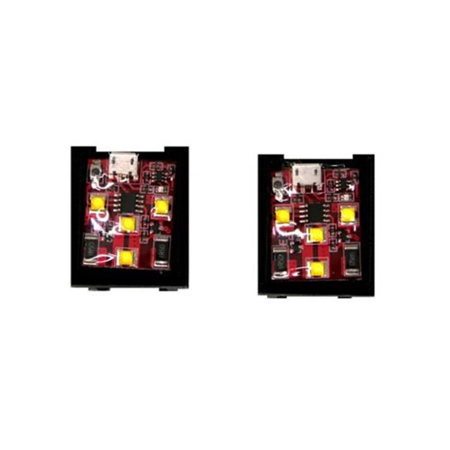
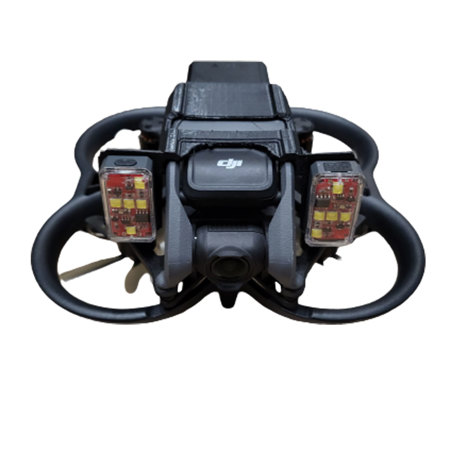
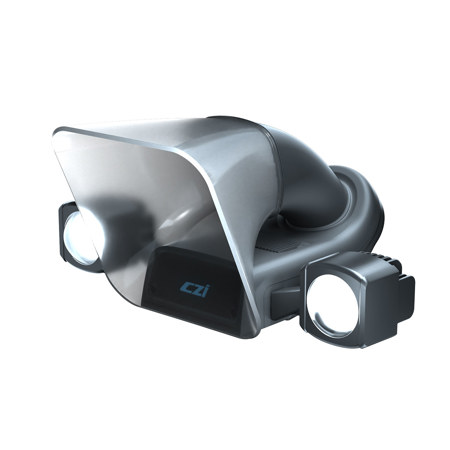
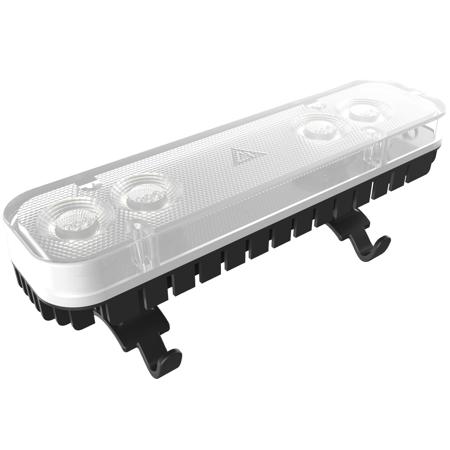
Whether you’re a seasoned UAV pilot or just beginning to explore the possibilities of aerial photography and videography, drone anti-collision lights are an essential accessory for safe, responsible flight. As the weather transitions from the warmth of summer into the cooler, crisp evenings of fall, more drone enthusiasts take advantage of extended daylight and clear skies to capture breathtaking landscapes, document outdoor events, or simply enjoy flying at dusk. During these hours, visibility becomes a critical concern—not just for capturing beautiful footage, but also for ensuring the safety of your flight and compliance with regulations. Under FAA Part 107 rules, anti-collision lights that flash and are visible from at least three statute miles away are required for night operations. These compact, high-intensity strobes are designed to make your drone stand out against the horizon, alerting nearby pilots and bystanders to its presence. Whether you’re mounting a lightweight quadcopter for recreational use or operating a larger UAV for commercial work, selecting the right anti-collision light can mean the difference between a safe, incident-free flight and a potentially hazardous situation.
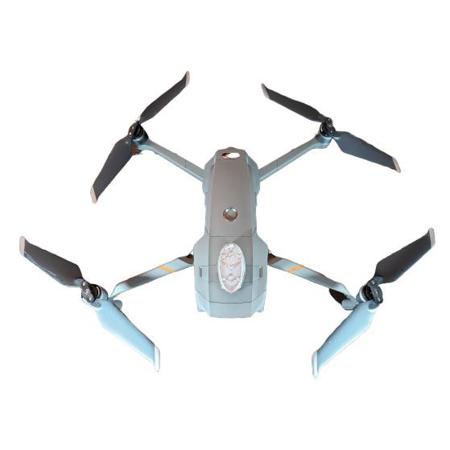
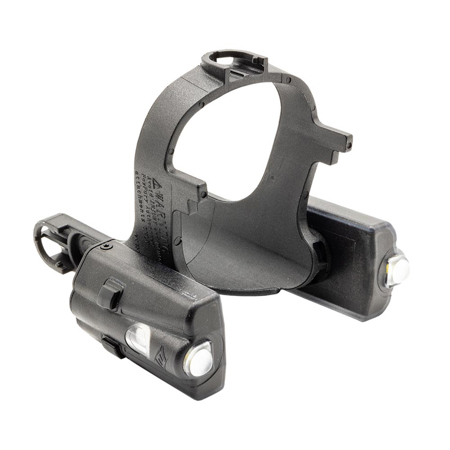
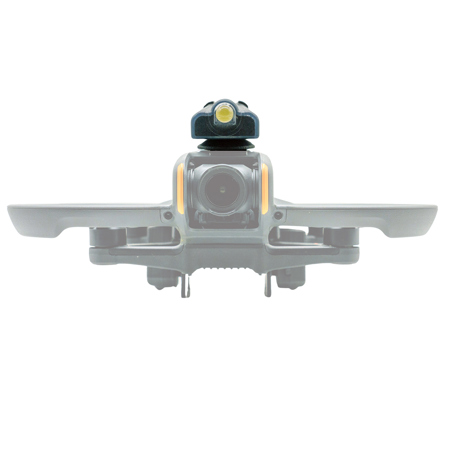
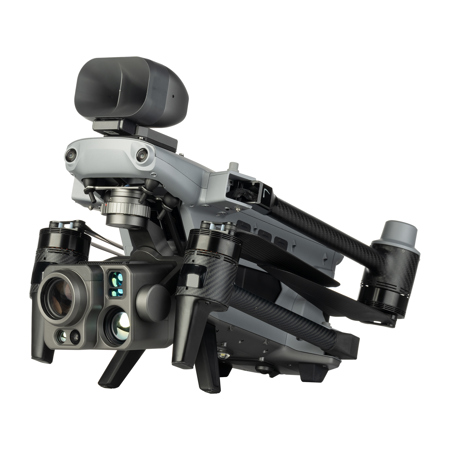
When choosing a drone anti-collision light, several factors come into play. The weight of the light is crucial, especially for pilots flying sub-249g drones, as even a few extra grams may require you to register your aircraft or affect flight performance. Look for models that are lightweight, aerodynamic, and easy to attach without interfering with your drone’s sensors or camera. Color options—typically white, red, or green—are not just for aesthetics; they serve specific aviation purposes and can enhance visibility in different conditions. Most UAV anti-collision lights offer multiple flashing patterns, as solid, non-flashing lights do not meet FAA requirements. Battery life is another key consideration, particularly if you’re planning extended flights or working in remote locations. Many modern strobes can last several hours on a single charge, allowing you to focus on your mission without worrying about power. Placement is also important: mounting the light on top of your drone is generally recommended for maximum visibility to manned aircraft, but always consult your drone’s manual and FAA guidelines for best practices. For those who fly in professional settings—such as real estate, search and rescue, or surveying—investing in a robust, high-output strobe can provide peace of mind and help meet industry standards. Hobbyists, on the other hand, may appreciate compact models that blend seamlessly with their drone’s design and minimize drag.
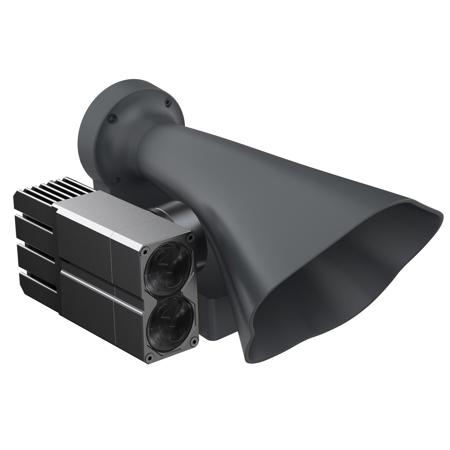
Drone anti-collision lights also make thoughtful gifts for drone pilots of all experience levels, especially as the flying season extends into autumn and the days grow shorter. Whether you’re shopping for a friend who just received their first drone or a family member who enjoys capturing golden hour landscapes, these safety accessories are both practical and appreciated. They’re easy to install, often universally compatible, and can be the finishing touch that transforms a casual hobby into a more professional, responsible pursuit. For those looking to further enhance their nighttime or low-light operations, additional accessories such as Drone Spotlights can provide targeted illumination for inspections, search and rescue, or creative lighting effects. As always, remember to check local regulations and guidelines before outfitting your drone, and take the time to test new equipment in a safe, open area before embarking on more complex flights. With the right anti-collision lights, you can fly with confidence, knowing your drone is visible, compliant, and ready to capture the beauty of the world from above—no matter the season.
When choosing a drone anti-collision light, several factors come into play. The weight of the light is crucial, especially for pilots flying sub-249g drones, as even a few extra grams may require you to register your aircraft or affect flight performance. Look for models that are lightweight, aerodynamic, and easy to attach without interfering with your drone’s sensors or camera. Color options—typically white, red, or green—are not just for aesthetics; they serve specific aviation purposes and can enhance visibility in different conditions. Most UAV anti-collision lights offer multiple flashing patterns, as solid, non-flashing lights do not meet FAA requirements. Battery life is another key consideration, particularly if you’re planning extended flights or working in remote locations. Many modern strobes can last several hours on a single charge, allowing you to focus on your mission without worrying about power. Placement is also important: mounting the light on top of your drone is generally recommended for maximum visibility to manned aircraft, but always consult your drone’s manual and FAA guidelines for best practices. For those who fly in professional settings—such as real estate, search and rescue, or surveying—investing in a robust, high-output strobe can provide peace of mind and help meet industry standards. Hobbyists, on the other hand, may appreciate compact models that blend seamlessly with their drone’s design and minimize drag.
Drone anti-collision lights also make thoughtful gifts for drone pilots of all experience levels, especially as the flying season extends into autumn and the days grow shorter. Whether you’re shopping for a friend who just received their first drone or a family member who enjoys capturing golden hour landscapes, these safety accessories are both practical and appreciated. They’re easy to install, often universally compatible, and can be the finishing touch that transforms a casual hobby into a more professional, responsible pursuit. For those looking to further enhance their nighttime or low-light operations, additional accessories such as Drone Spotlights can provide targeted illumination for inspections, search and rescue, or creative lighting effects. As always, remember to check local regulations and guidelines before outfitting your drone, and take the time to test new equipment in a safe, open area before embarking on more complex flights. With the right anti-collision lights, you can fly with confidence, knowing your drone is visible, compliant, and ready to capture the beauty of the world from above—no matter the season.