

Electronic Wind Instruments
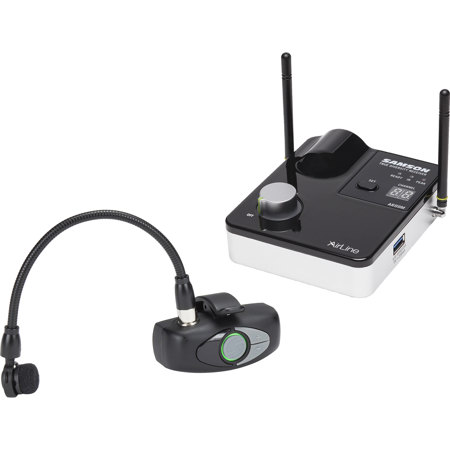
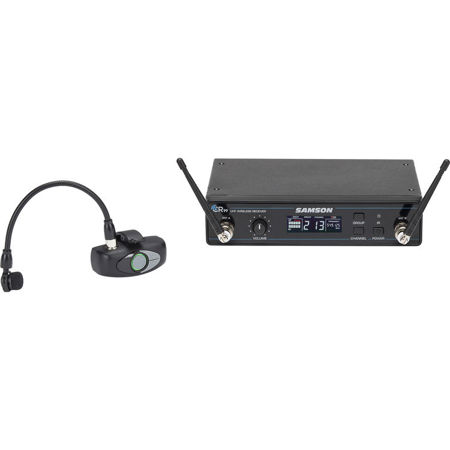
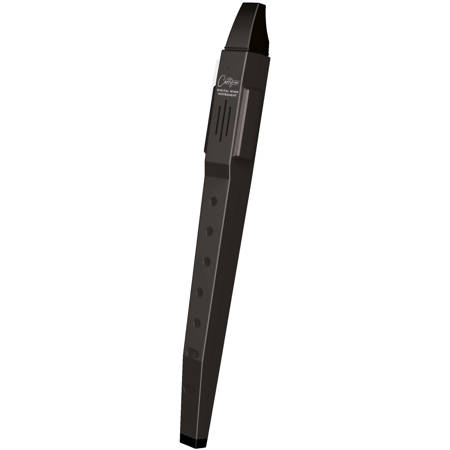
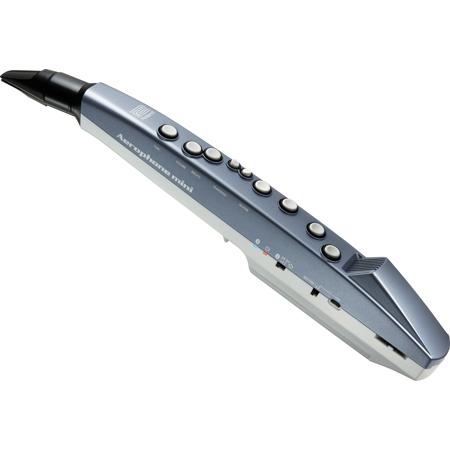
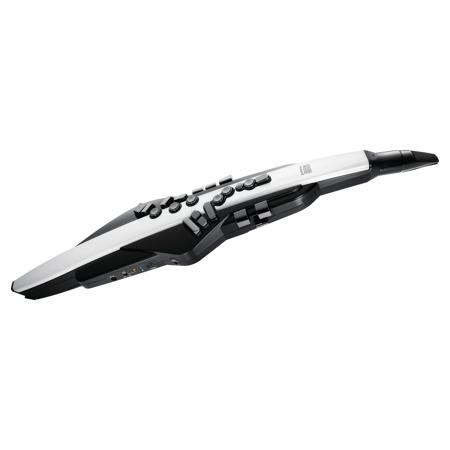
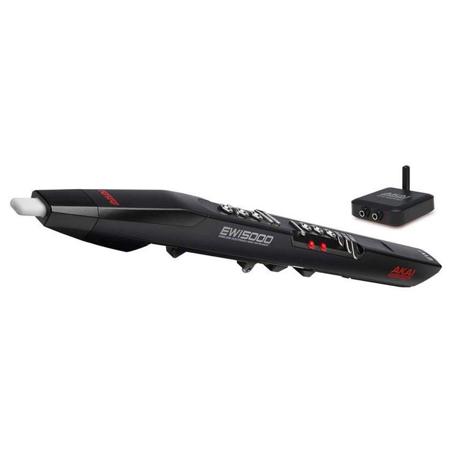
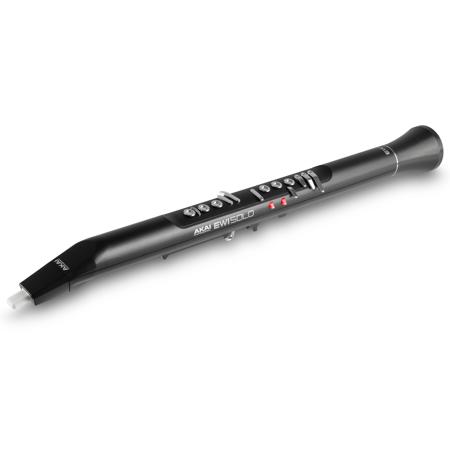
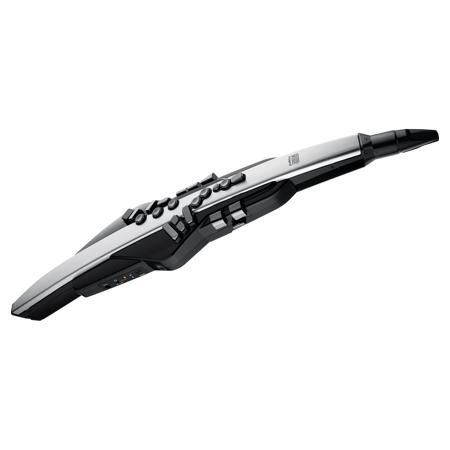
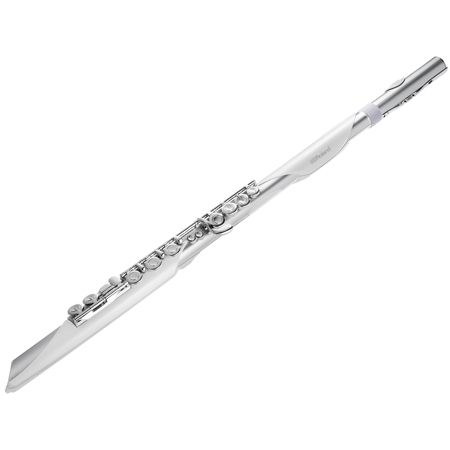
Electronic wind instruments have transformed the way musicians approach performance, practice, and recording, bringing a world of expressive possibilities to woodwind players and electronic music enthusiasts alike. At their core, these instruments combine the familiar feel and technique of traditional woodwinds with state-of-the-art digital technology. By translating breath pressure, fingerings, and subtle mouth movements into MIDI data or synthesized sound, electronic wind instruments allow players to access a vast palette of tones—from lush saxophone timbres and soaring flute voices to cutting-edge synth textures—without the need to master entirely new playing methods. This makes them a compelling choice for seasoned saxophonists, flutists, clarinetists, and even brass players, thanks to alternate fingering and valve modes that closely emulate their acoustic counterparts. Whether you’re a gigging musician seeking a versatile tool for live sets, a student looking for a silent practice solution, or a producer eager to add expressive wind sounds to your studio arsenal, these instruments adapt to nearly any musical environment. The warmer months often bring more outdoor performances and travel, and the portability of electronic wind instruments—many featuring built-in speakers and rechargeable batteries—means you can take your music anywhere, from park jam sessions to late-night studio sessions.
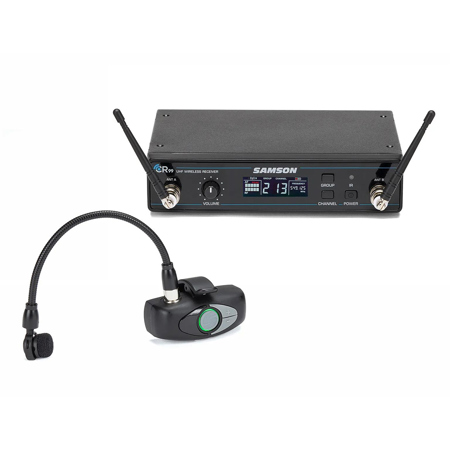
When considering an electronic woodwind instrument, there are several factors to weigh to ensure it meets your creative needs. Sound source is a primary consideration: some models come equipped with extensive internal sound banks, enabling standalone play with a variety of acoustic and synthesized voices, while others function as MIDI controllers, ideal for those who prefer to explore premium virtual instruments on their laptop or digital audio workstation. Advanced breath and bite sensors are another key feature, offering dynamic control over pitch, vibrato, and articulation, which can make the playing experience remarkably expressive and nuanced. Fingering systems are designed with flexibility in mind, often allowing players to switch between saxophone, flute, recorder, or even brass-inspired layouts, making the learning curve gentle for musicians transitioning from acoustic instruments. These attributes make electronic wind instruments an inspired gift for music students, educators, and hobbyists, as well as for professionals looking to expand their sonic toolkit. The ability to practice quietly with headphones, experiment with new genres, or integrate seamlessly into electronic setups makes these instruments a favorite during both the lively days of summer and the introspective evenings as the air begins to cool.
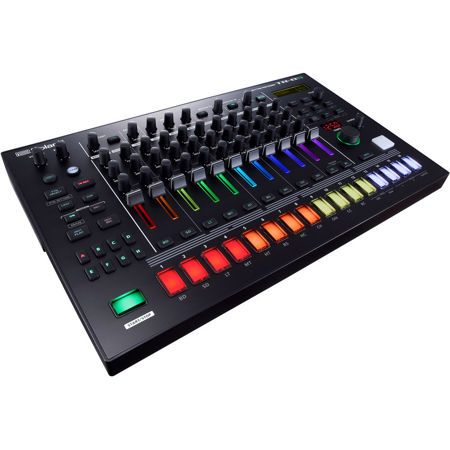
Electronic wind instruments are also part of a broader movement toward innovative electronic music gear, sitting alongside tools like samplers, synthesizers, and drum machines. Many musicians find that pairing their wind instrument with other electronic devices opens up even more creative avenues, allowing for real-time looping, effects processing, and integration with live or recorded ensembles. If you’re exploring ways to further expand your performance or production setup, you might also be interested in our curated selection of Electronic Percussion Instruments, which offer complementary rhythms and textures for any genre. Whether you’re refining your technique, composing new music, or searching for a unique gift for the musician in your life, an electronic wind instrument invites you to push boundaries and discover fresh sounds, all while staying true to the expressive roots of wind performance. With robust design, intuitive controls, and the freedom to create wherever inspiration strikes, these instruments are a testament to the evolving landscape of modern music.
When considering an electronic woodwind instrument, there are several factors to weigh to ensure it meets your creative needs. Sound source is a primary consideration: some models come equipped with extensive internal sound banks, enabling standalone play with a variety of acoustic and synthesized voices, while others function as MIDI controllers, ideal for those who prefer to explore premium virtual instruments on their laptop or digital audio workstation. Advanced breath and bite sensors are another key feature, offering dynamic control over pitch, vibrato, and articulation, which can make the playing experience remarkably expressive and nuanced. Fingering systems are designed with flexibility in mind, often allowing players to switch between saxophone, flute, recorder, or even brass-inspired layouts, making the learning curve gentle for musicians transitioning from acoustic instruments. These attributes make electronic wind instruments an inspired gift for music students, educators, and hobbyists, as well as for professionals looking to expand their sonic toolkit. The ability to practice quietly with headphones, experiment with new genres, or integrate seamlessly into electronic setups makes these instruments a favorite during both the lively days of summer and the introspective evenings as the air begins to cool.
Electronic wind instruments are also part of a broader movement toward innovative electronic music gear, sitting alongside tools like samplers, synthesizers, and drum machines. Many musicians find that pairing their wind instrument with other electronic devices opens up even more creative avenues, allowing for real-time looping, effects processing, and integration with live or recorded ensembles. If you’re exploring ways to further expand your performance or production setup, you might also be interested in our curated selection of Electronic Percussion Instruments, which offer complementary rhythms and textures for any genre. Whether you’re refining your technique, composing new music, or searching for a unique gift for the musician in your life, an electronic wind instrument invites you to push boundaries and discover fresh sounds, all while staying true to the expressive roots of wind performance. With robust design, intuitive controls, and the freedom to create wherever inspiration strikes, these instruments are a testament to the evolving landscape of modern music.