

Ethernet Cables For PoE
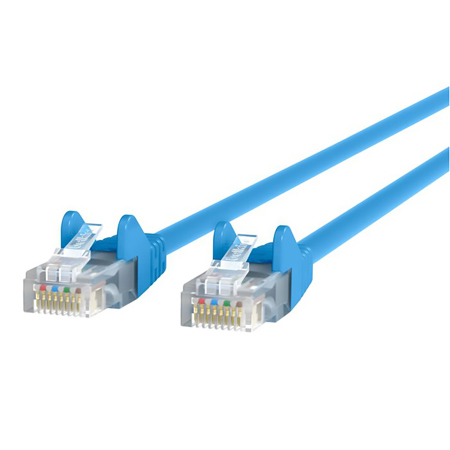
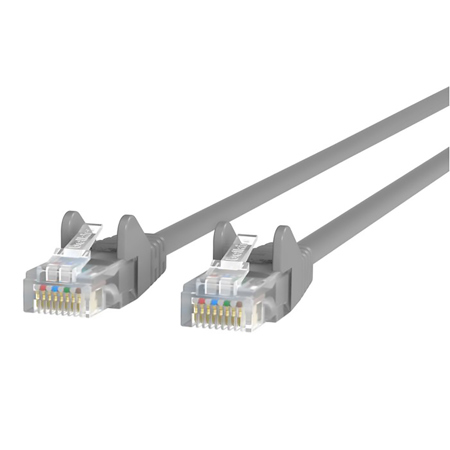
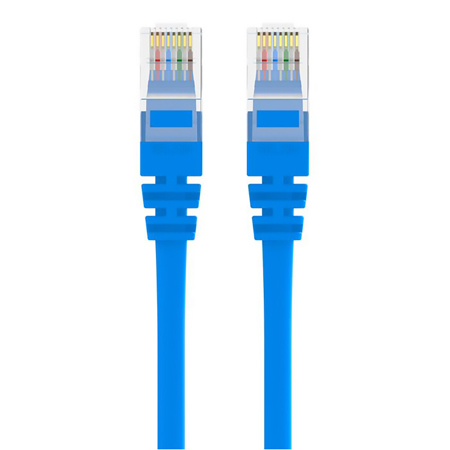
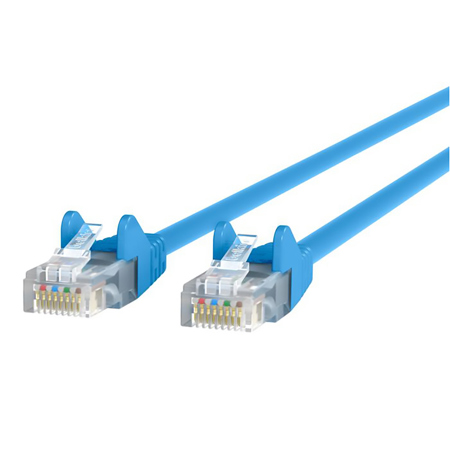
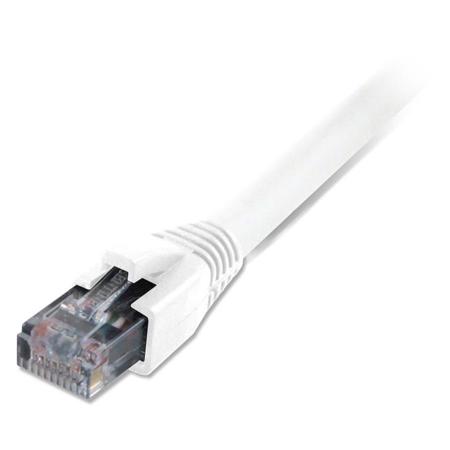
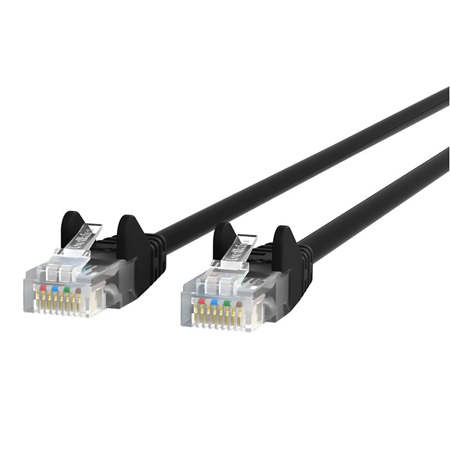
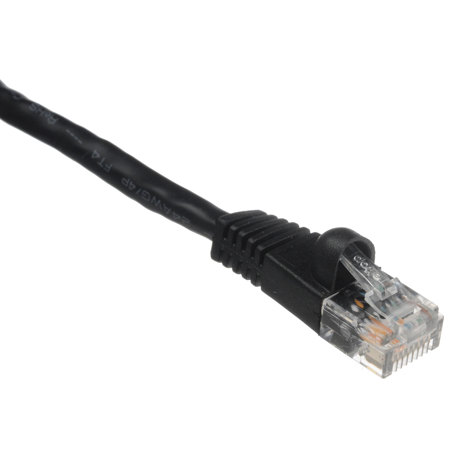
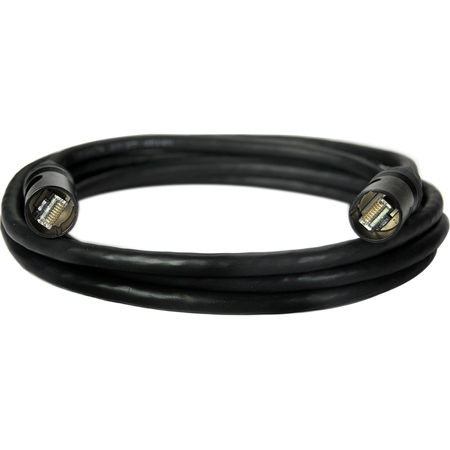
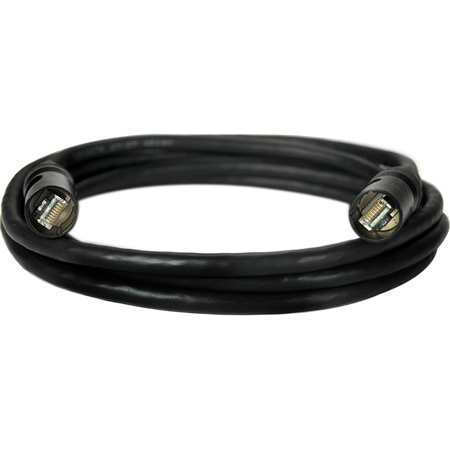
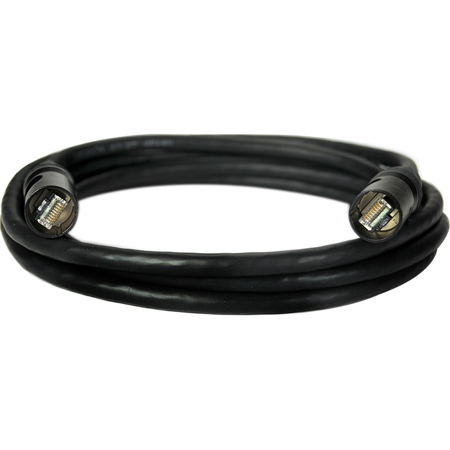
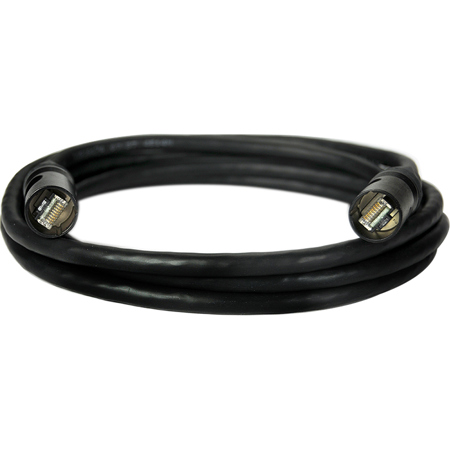
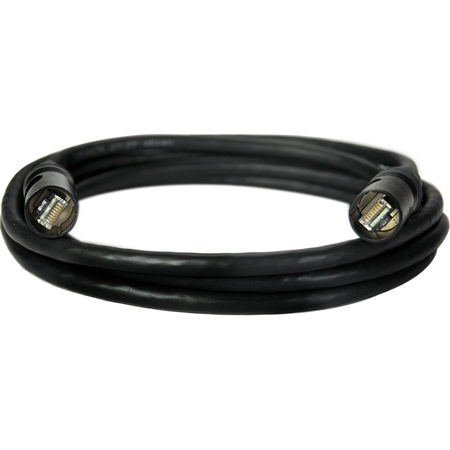
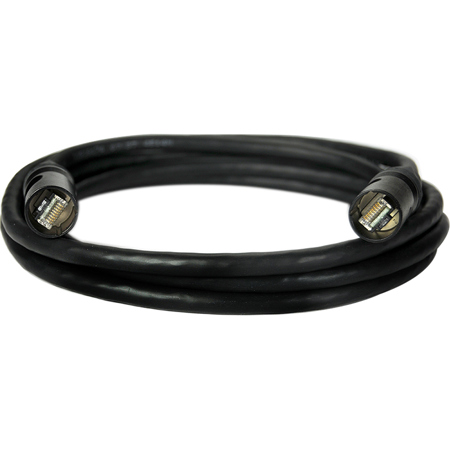
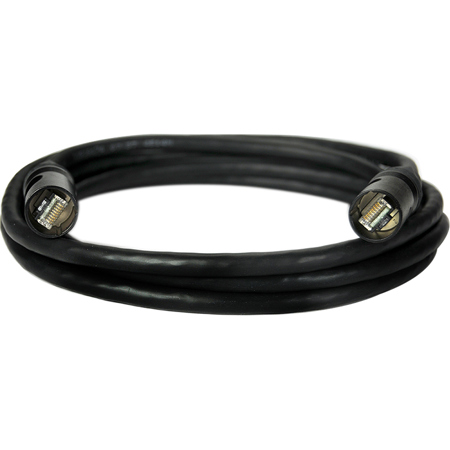
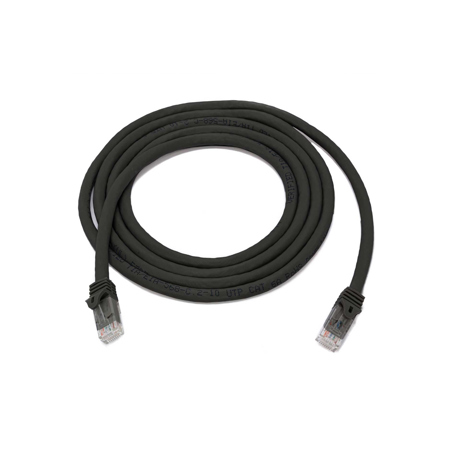
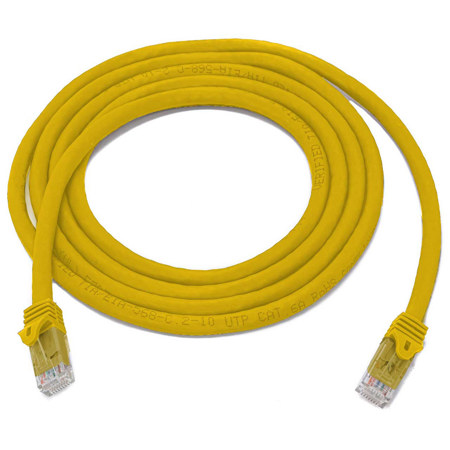
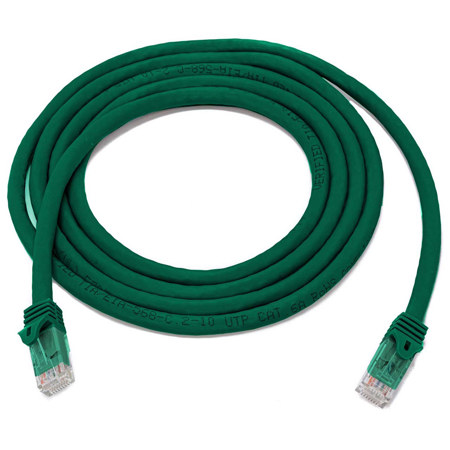
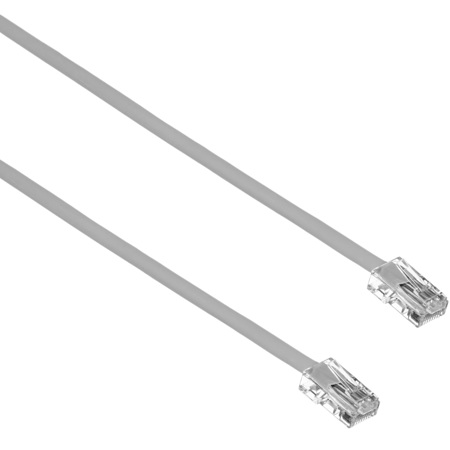
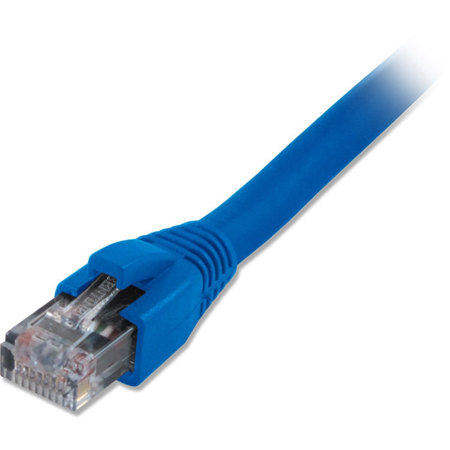
Ethernet cables for PoE (Power over Ethernet) have become an essential part of modern connectivity, especially as more devices in homes, studios, and businesses rely on both data and power delivered through a single cable. Whether you’re setting up a network of IP cameras to keep an eye on your property during the long winter nights, connecting VoIP phones in a bustling office, or installing Wi-Fi access points in a school or warehouse, PoE ethernet cables streamline the process by eliminating the need for separate power supplies and outlets. This is particularly handy in January, when cold weather and shorter days can make running extra power lines through walls or ceilings a real hassle. With the right poe cable, you can run both data and power up to 100 meters (about 328 feet), allowing for flexible placement of devices far from electrical outlets. For anyone installing networked devices in challenging locations—like high corners of a warehouse, outdoor areas, or even in recording studios where cable management is crucial—PoE ethernet cables offer a clean, reliable solution.
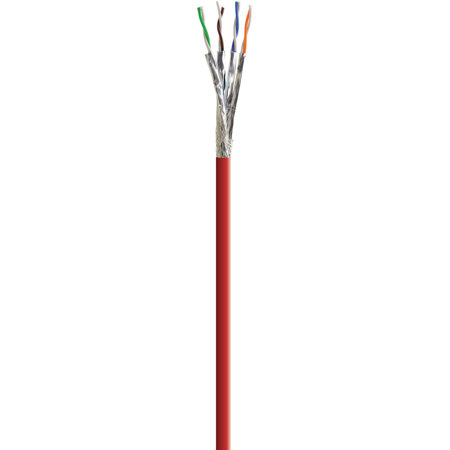
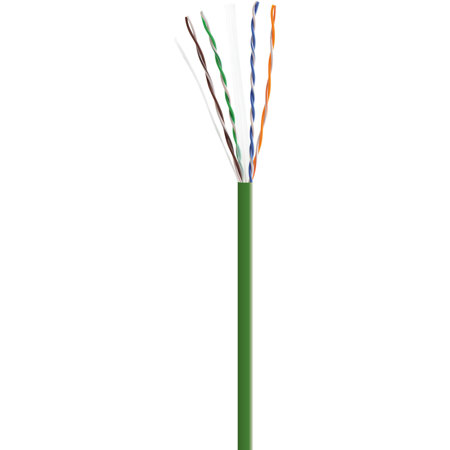
When choosing PoE ethernet cables, several factors come into play to ensure optimal performance and longevity. The cable category is a primary consideration: Cat5e and Cat6 are sufficient for most standard PoE devices such as basic IP cameras and access points, but higher-powered equipment—like PTZ cameras with motorized zoom, high-density wireless access points, or advanced audio-visual gear—often requires Cat6a or higher. These higher-category cables support faster data rates, greater bandwidth, and can handle increased power delivery, making them ideal for future-proofing your setup. In environments with significant electromagnetic interference (EMI), such as near large electrical panels or in industrial settings, shielded twisted pair (STP) cables are recommended to protect data integrity. Solid copper conductors are generally preferred over stranded ones for PoE applications, as they offer lower resistance and more consistent power delivery, which is critical for devices that need stable voltage over longer runs. For those running cables outdoors or in harsh conditions, weatherproofing and additional shielding can make all the difference in maintaining reliable performance throughout the seasons. If you’re unsure which type of cable best suits your needs, exploring the range of Twisted Pair Ethernet Cables can provide helpful insights into the options available.
PoE ethernet cables are not just for IT professionals or system integrators; they make thoughtful, practical gifts for tech enthusiasts, photographers setting up remote camera systems, or anyone looking to upgrade their home or office network. Imagine gifting a set of high-quality PoE cables to a family member who’s building a smart home, or to a friend who wants to install security cameras without hiring an electrician. The ability to power and connect devices with a single, streamlined cable is a game-changer, especially in spaces where aesthetics and efficiency matter. As technology continues to evolve and more devices rely on network connectivity, having the right poe cable ensures your setup remains robust, flexible, and ready for whatever the season brings. Whether you’re expanding your network this winter or planning for future upgrades, investing in quality PoE ethernet cables is a smart move for anyone who values reliable, high-performance connections.
When choosing PoE ethernet cables, several factors come into play to ensure optimal performance and longevity. The cable category is a primary consideration: Cat5e and Cat6 are sufficient for most standard PoE devices such as basic IP cameras and access points, but higher-powered equipment—like PTZ cameras with motorized zoom, high-density wireless access points, or advanced audio-visual gear—often requires Cat6a or higher. These higher-category cables support faster data rates, greater bandwidth, and can handle increased power delivery, making them ideal for future-proofing your setup. In environments with significant electromagnetic interference (EMI), such as near large electrical panels or in industrial settings, shielded twisted pair (STP) cables are recommended to protect data integrity. Solid copper conductors are generally preferred over stranded ones for PoE applications, as they offer lower resistance and more consistent power delivery, which is critical for devices that need stable voltage over longer runs. For those running cables outdoors or in harsh conditions, weatherproofing and additional shielding can make all the difference in maintaining reliable performance throughout the seasons. If you’re unsure which type of cable best suits your needs, exploring the range of Twisted Pair Ethernet Cables can provide helpful insights into the options available.
PoE ethernet cables are not just for IT professionals or system integrators; they make thoughtful, practical gifts for tech enthusiasts, photographers setting up remote camera systems, or anyone looking to upgrade their home or office network. Imagine gifting a set of high-quality PoE cables to a family member who’s building a smart home, or to a friend who wants to install security cameras without hiring an electrician. The ability to power and connect devices with a single, streamlined cable is a game-changer, especially in spaces where aesthetics and efficiency matter. As technology continues to evolve and more devices rely on network connectivity, having the right poe cable ensures your setup remains robust, flexible, and ready for whatever the season brings. Whether you’re expanding your network this winter or planning for future upgrades, investing in quality PoE ethernet cables is a smart move for anyone who values reliable, high-performance connections.