F Connectors
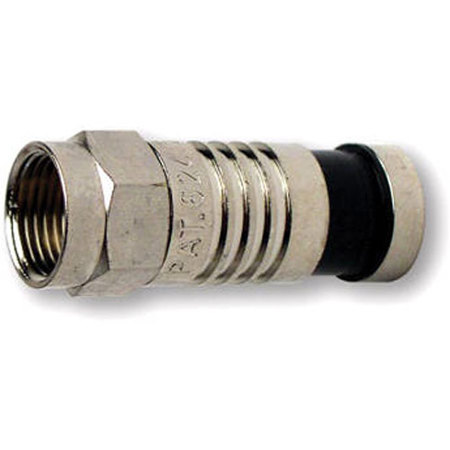
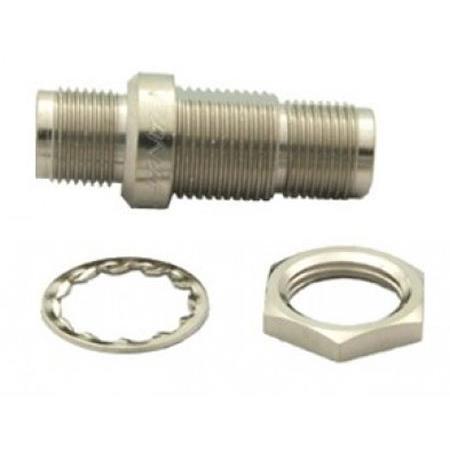
F connectors, also known as F-type connectors, are a staple in the world of coaxial cabling, trusted by professionals and DIY enthusiasts alike for their reliability and versatility in delivering high-quality radio frequency (RF) signals. These connectors are most commonly found in home entertainment setups, linking television antennas, cable boxes, satellite dishes, and cable modems to their respective devices. The design of the F connector is straightforward yet effective: it uses the center copper wire of the coaxial cable as the signal-carrying pin, ensuring a direct and robust connection. Whether you’re setting up a new over-the-air HD antenna for clearer summer sports broadcasts, connecting a cable modem for high-speed internet as the school year approaches, or upgrading your satellite receiver before the cooler months set in, understanding the subtle differences among F connector types can make all the difference in signal quality and installation ease.
When selecting F connectors, it’s important to consider the installation environment, the type of coaxial cable you’re using, and your comfort level with tools. Twist-on F connectors are often favored for their simplicity—just strip the cable and twist the connector onto the shielding, making them a popular choice for quick, tool-free installations in home setups or temporary connections during outdoor events and gatherings. For more permanent, weather-resistant connections—such as those running to an exterior satellite dish or rooftop antenna—compression F connectors are the industry standard. They require a dedicated compression tool to crimp the connector onto the cable, creating a tight, durable seal that stands up to rain, humidity, and temperature fluctuations. Crimp-on connectors, while once the go-to for many installers, are now less common but still useful for those with legacy equipment or specific crimping tools. Regardless of type, careful installation is key: the braided metal shielding should never touch the solid copper conductor, as even a small short circuit can degrade your signal or disrupt service. The copper center pin should protrude just enough—about 1.6 mm beyond the connector’s edge—to ensure a solid connection without risking damage to the device’s port.
F connectors are not just for professionals; they make thoughtful, practical gifts for anyone building a home theater, setting up a dorm room entertainment center, or helping a family member upgrade their streaming and cable setup. As households transition between indoor and outdoor activities through the late summer and early fall, the need for reliable, weatherproof connections becomes even more apparent—especially for those mounting new antennas to catch autumn sports or preparing for holiday movie marathons. For those looking to expand or maintain their AV systems, F connectors are a small but essential component, ensuring that every signal—from live broadcasts to on-demand content—arrives crisp and clear. To further explore the world of connectivity, including a wide range of options beyond F connectors, visit our curated selection of Electrical Connectors for compatible solutions that meet the demands of any installation, indoors or out.
When selecting F connectors, it’s important to consider the installation environment, the type of coaxial cable you’re using, and your comfort level with tools. Twist-on F connectors are often favored for their simplicity—just strip the cable and twist the connector onto the shielding, making them a popular choice for quick, tool-free installations in home setups or temporary connections during outdoor events and gatherings. For more permanent, weather-resistant connections—such as those running to an exterior satellite dish or rooftop antenna—compression F connectors are the industry standard. They require a dedicated compression tool to crimp the connector onto the cable, creating a tight, durable seal that stands up to rain, humidity, and temperature fluctuations. Crimp-on connectors, while once the go-to for many installers, are now less common but still useful for those with legacy equipment or specific crimping tools. Regardless of type, careful installation is key: the braided metal shielding should never touch the solid copper conductor, as even a small short circuit can degrade your signal or disrupt service. The copper center pin should protrude just enough—about 1.6 mm beyond the connector’s edge—to ensure a solid connection without risking damage to the device’s port.
F connectors are not just for professionals; they make thoughtful, practical gifts for anyone building a home theater, setting up a dorm room entertainment center, or helping a family member upgrade their streaming and cable setup. As households transition between indoor and outdoor activities through the late summer and early fall, the need for reliable, weatherproof connections becomes even more apparent—especially for those mounting new antennas to catch autumn sports or preparing for holiday movie marathons. For those looking to expand or maintain their AV systems, F connectors are a small but essential component, ensuring that every signal—from live broadcasts to on-demand content—arrives crisp and clear. To further explore the world of connectivity, including a wide range of options beyond F connectors, visit our curated selection of Electrical Connectors for compatible solutions that meet the demands of any installation, indoors or out.