
Fiber Optic Cable Jumpers
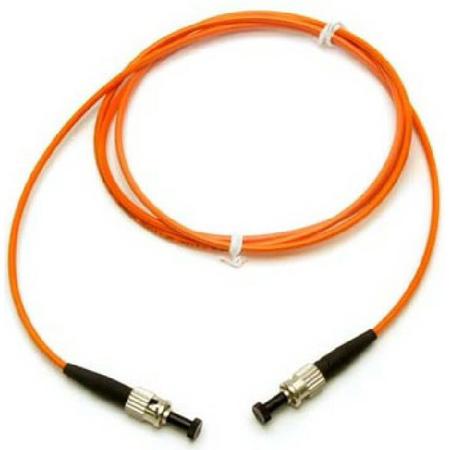
Fiber optic cable jumpers, often referred to as patch cords, play a pivotal role in modern networking and data transmission environments. Whether you're managing a bustling data center, upgrading a corporate network, or fine-tuning a home lab, the right fiber optic jumper ensures reliable, high-speed connectivity. These specialized cables are engineered with a glass or plastic core, tightly protected by cladding, Kevlar reinforcement, and a durable outer jacket, allowing precise transmission of light signals with minimal loss or interference. For anyone working in IT, telecommunications, or audio/video production, understanding the basics—like the difference between single-mode and multimode fiber—can make all the difference in system performance. Single-mode fiber optic jumpers, with their narrow 9μm cores, are typically chosen for long-distance connections, such as linking buildings across a campus or connecting major network nodes. In contrast, multimode jumpers, featuring wider 50μm or 62.5μm cores, are ideal for shorter runs within data centers, broadcast studios, or office networks, where high bandwidth is essential but distances remain modest.
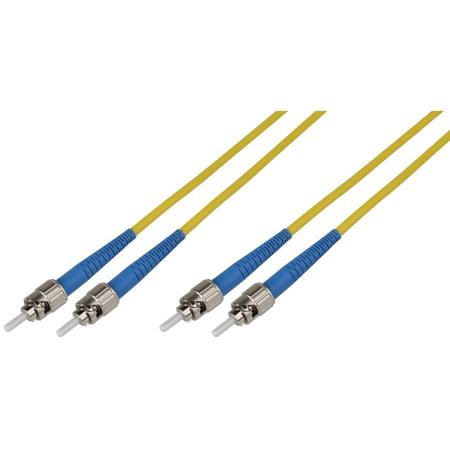
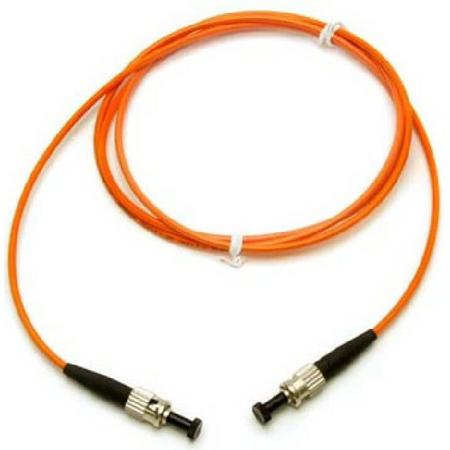
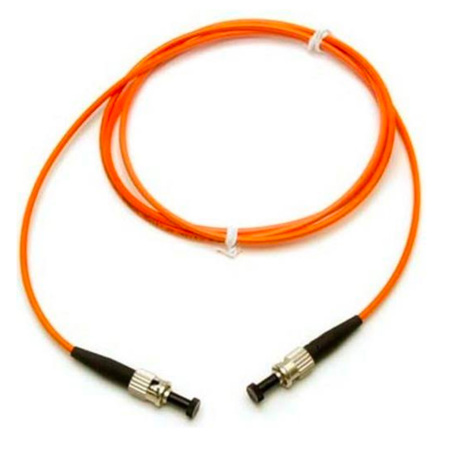
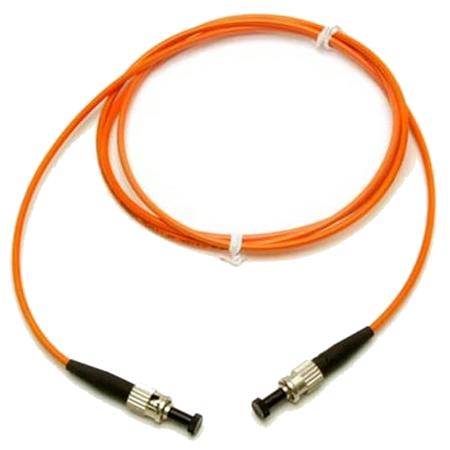
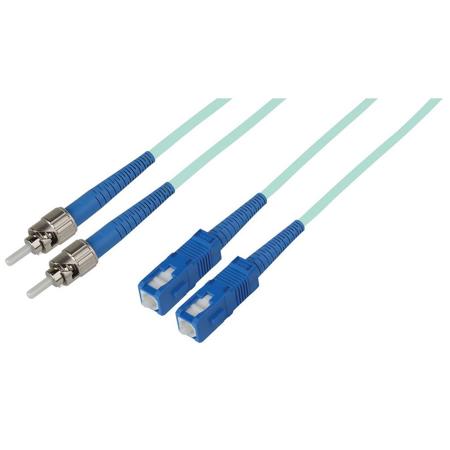
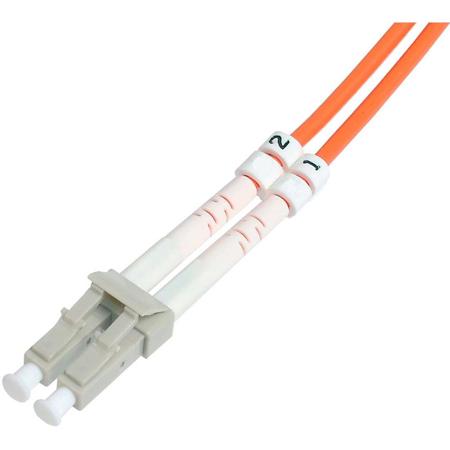
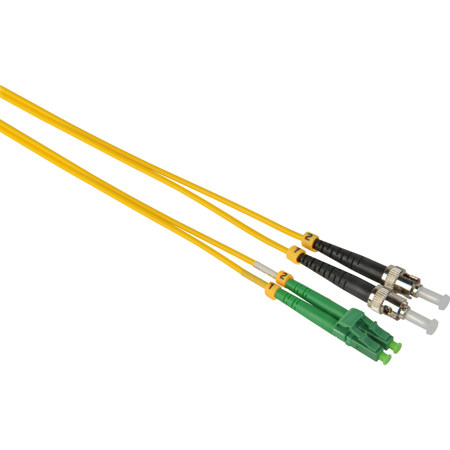
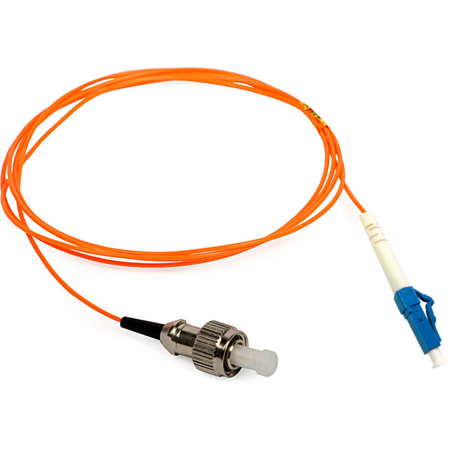
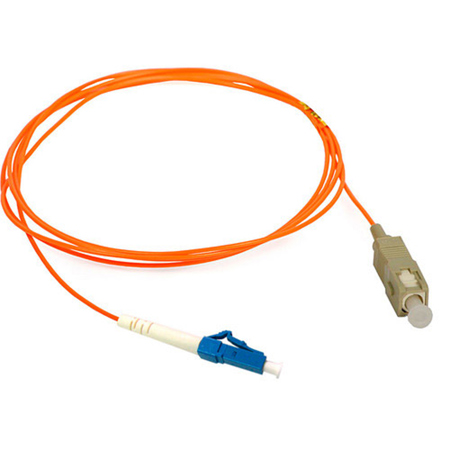
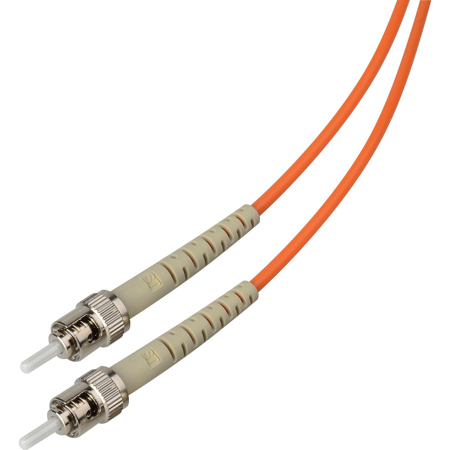
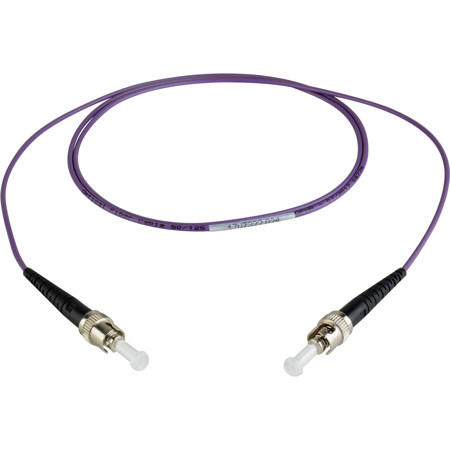
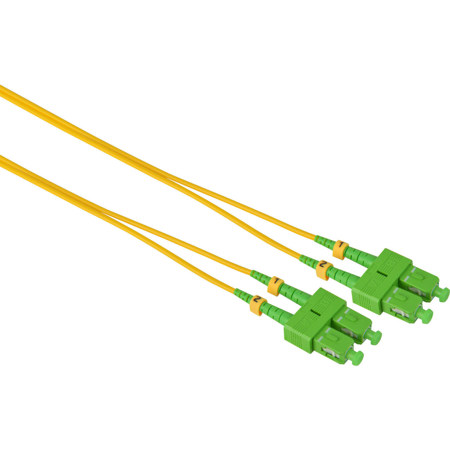
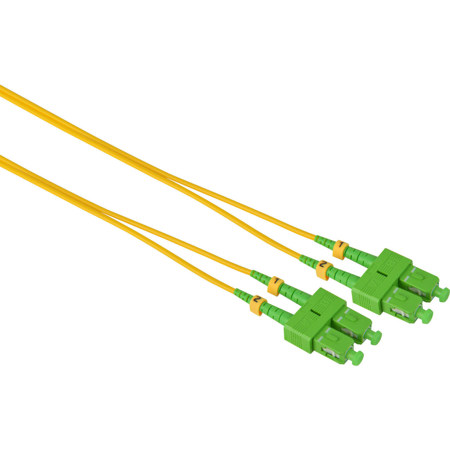
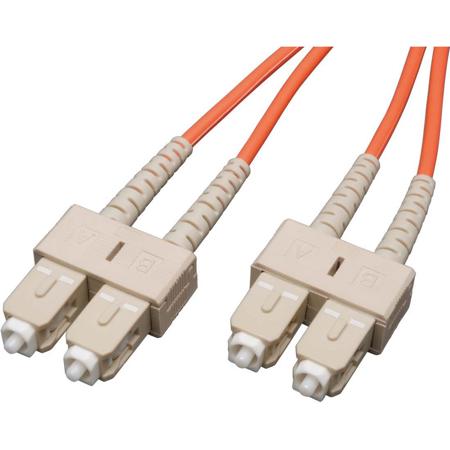
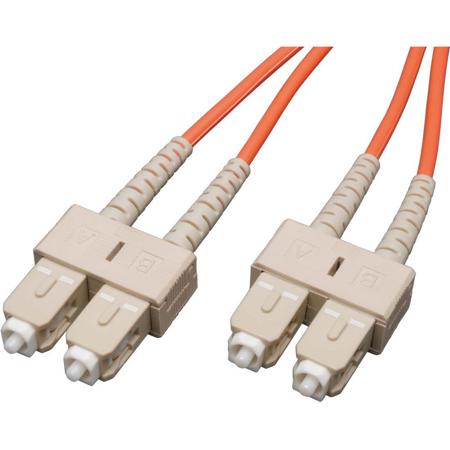
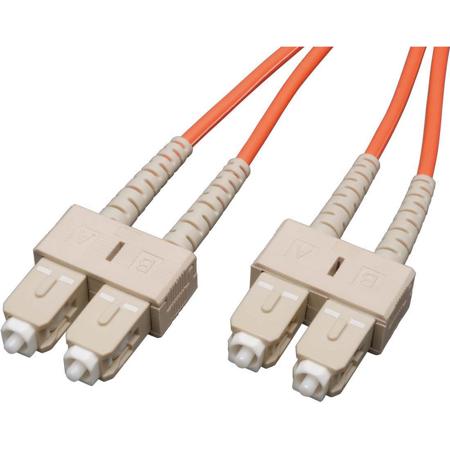
Selecting the right fiber optic jumper also means considering connector types and cable construction. LC connectors, prized for their compact size, are a common sight in high-density environments where space is at a premium—think server racks filled with switches and routers. SC connectors, with their push-pull design, offer reliable connections and are a staple in general networking applications. For industrial settings or legacy systems, ST connectors with their bayonet-style coupling remain a trusted option. The choice between simplex and duplex jumpers depends on your application: simplex cables carry data in one direction, while duplex cables support simultaneous bi-directional communication, which is often required in enterprise and campus networks. During the warmer months when network upgrades and equipment moves are frequent, or as cooler weather brings about large-scale IT projects and infrastructure refreshes, having a range of fiber optic cable jumpers on hand can streamline installations and reduce downtime. These cables also make thoughtful and practical gifts for network engineers, IT professionals, or hobbyists who enjoy building and optimizing their own tech setups. Whether you're supplying a small business, supporting a school’s IT department, or helping a friend outfit their home studio, a quality fiber optic jumper is a tool that’s always appreciated.
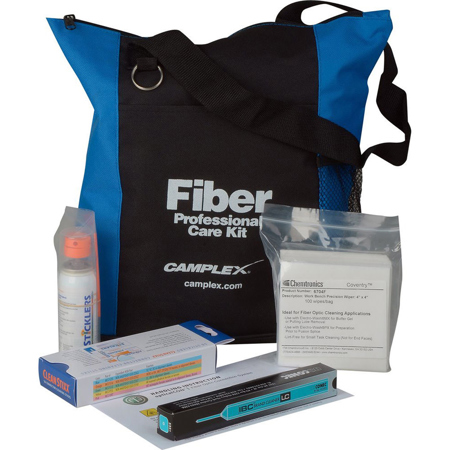
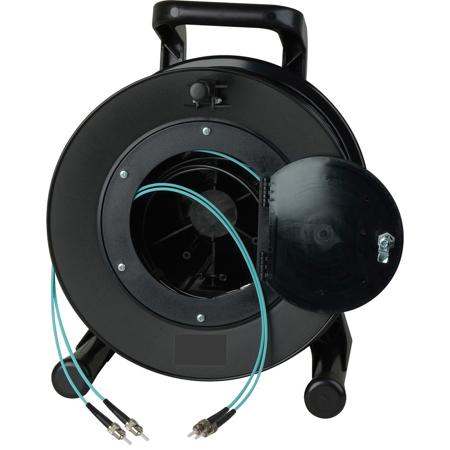
Beyond just the cables, it’s wise to consider compatible accessories for installation and maintenance. Many professionals find that pairing fiber optic jumpers with a comprehensive set of Fiber Optic Connector Kits makes setup and troubleshooting far more efficient. These kits typically include cleaning supplies, splicing tools, and a range of connectors, ensuring that every connection is secure and signal loss is kept to a minimum. As digital infrastructure continues to evolve—especially during periods of increased demand, such as back-to-school upgrades or end-of-year IT projects—having the right fiber optic jumper for your application is essential. From the careful routing of cables in temperature-controlled server rooms to the rapid deployment of backup links in event production or live broadcasting, these jumpers are the unsung heroes that keep data flowing smoothly. Investing in the right type and length, and understanding the nuances of core size, connector style, and jacket material, can help ensure your network remains robust and ready for whatever the season brings.
Selecting the right fiber optic jumper also means considering connector types and cable construction. LC connectors, prized for their compact size, are a common sight in high-density environments where space is at a premium—think server racks filled with switches and routers. SC connectors, with their push-pull design, offer reliable connections and are a staple in general networking applications. For industrial settings or legacy systems, ST connectors with their bayonet-style coupling remain a trusted option. The choice between simplex and duplex jumpers depends on your application: simplex cables carry data in one direction, while duplex cables support simultaneous bi-directional communication, which is often required in enterprise and campus networks. During the warmer months when network upgrades and equipment moves are frequent, or as cooler weather brings about large-scale IT projects and infrastructure refreshes, having a range of fiber optic cable jumpers on hand can streamline installations and reduce downtime. These cables also make thoughtful and practical gifts for network engineers, IT professionals, or hobbyists who enjoy building and optimizing their own tech setups. Whether you're supplying a small business, supporting a school’s IT department, or helping a friend outfit their home studio, a quality fiber optic jumper is a tool that’s always appreciated.
Beyond just the cables, it’s wise to consider compatible accessories for installation and maintenance. Many professionals find that pairing fiber optic jumpers with a comprehensive set of Fiber Optic Connector Kits makes setup and troubleshooting far more efficient. These kits typically include cleaning supplies, splicing tools, and a range of connectors, ensuring that every connection is secure and signal loss is kept to a minimum. As digital infrastructure continues to evolve—especially during periods of increased demand, such as back-to-school upgrades or end-of-year IT projects—having the right fiber optic jumper for your application is essential. From the careful routing of cables in temperature-controlled server rooms to the rapid deployment of backup links in event production or live broadcasting, these jumpers are the unsung heroes that keep data flowing smoothly. Investing in the right type and length, and understanding the nuances of core size, connector style, and jacket material, can help ensure your network remains robust and ready for whatever the season brings.