

Fiber Optic Cameras
Fiber optic cameras, often referred to as fiberscopes or borescopes, have become indispensable tools for professionals and enthusiasts alike who need to see into spaces that are otherwise inaccessible. These innovative devices use flexible, slender optical fiber bundles to transmit light and capture images from deep within machinery, pipes, walls, or other tight environments. Whether you’re an automotive technician diagnosing engine issues, a plumber searching for obstructions in a pipe, an HVAC specialist inspecting ductwork, or a network engineer examining fiber optic connectors, the ability to visualize hidden spaces can make all the difference in both efficiency and accuracy. During the warmer months, when home improvement and vehicle maintenance projects are in full swing, or as the weather cools and routine inspections become a priority, fiber optic cameras prove their worth by helping users tackle jobs that would otherwise require time-consuming disassembly or guesswork.
Selecting the right fiber optic camera involves a careful assessment of your intended application, the environments you’ll be working in, and the features that matter most to you. For basic household tasks or DIY projects, a straightforward model with a built-in LCD screen and LED illumination can offer a cost-effective solution for inspecting drains, appliance interiors, or crawl spaces. Professionals in industrial, automotive, or aerospace fields may require more advanced features like ultra-slim probe diameters, high-resolution sensors, articulating tips for precise navigation, and rugged construction to withstand harsh settings. The range of available options spans from affordable entry-level units to specialized, high-end equipment designed for micro-machinery or network certification. The versatility of these cameras also makes them a thoughtful and practical gift for mechanically inclined friends, hobbyists, or anyone who enjoys tackling hands-on projects—especially during seasons when maintenance and repairs are top of mind. Many modern fiber optic cameras can connect to smartphones, tablets, or computers, allowing for easy image sharing and documentation, which is particularly valuable for collaborative work or remote troubleshooting.
As technology continues to advance, the integration of digital video sensors, wireless connectivity, and compatibility with accessories like video converters has expanded what’s possible with fiber optic inspection. For those looking to interface their inspection camera footage with other devices or professional video workflows, exploring the right Fiber Optic Video Converters can further enhance the usefulness of your setup. Whether you’re preparing for a busy season of repair work, gearing up for fall maintenance, or simply looking to add a versatile tool to your kit, fiber optic cameras offer a window into the unseen—helping you work smarter, safer, and with greater confidence. The right camera can empower you to detect problems early, document findings with clarity, and solve challenges with the precision that only direct visual access can provide.
Selecting the right fiber optic camera involves a careful assessment of your intended application, the environments you’ll be working in, and the features that matter most to you. For basic household tasks or DIY projects, a straightforward model with a built-in LCD screen and LED illumination can offer a cost-effective solution for inspecting drains, appliance interiors, or crawl spaces. Professionals in industrial, automotive, or aerospace fields may require more advanced features like ultra-slim probe diameters, high-resolution sensors, articulating tips for precise navigation, and rugged construction to withstand harsh settings. The range of available options spans from affordable entry-level units to specialized, high-end equipment designed for micro-machinery or network certification. The versatility of these cameras also makes them a thoughtful and practical gift for mechanically inclined friends, hobbyists, or anyone who enjoys tackling hands-on projects—especially during seasons when maintenance and repairs are top of mind. Many modern fiber optic cameras can connect to smartphones, tablets, or computers, allowing for easy image sharing and documentation, which is particularly valuable for collaborative work or remote troubleshooting.
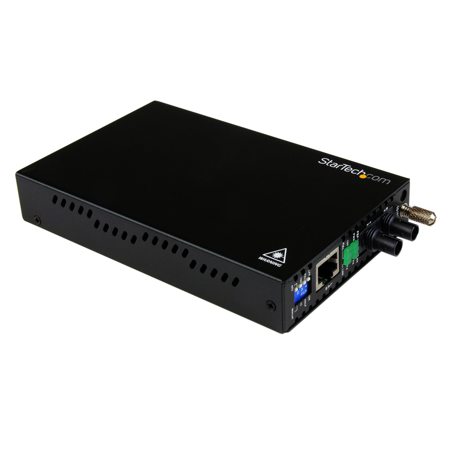
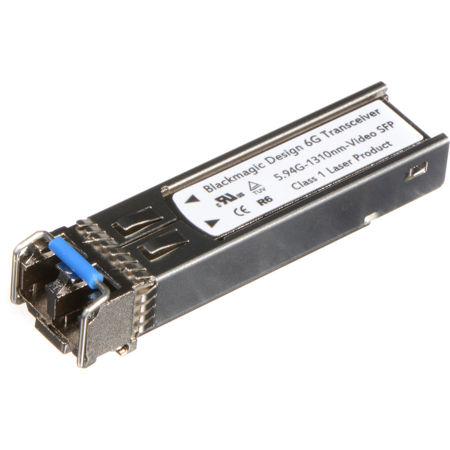
As technology continues to advance, the integration of digital video sensors, wireless connectivity, and compatibility with accessories like video converters has expanded what’s possible with fiber optic inspection. For those looking to interface their inspection camera footage with other devices or professional video workflows, exploring the right Fiber Optic Video Converters can further enhance the usefulness of your setup. Whether you’re preparing for a busy season of repair work, gearing up for fall maintenance, or simply looking to add a versatile tool to your kit, fiber optic cameras offer a window into the unseen—helping you work smarter, safer, and with greater confidence. The right camera can empower you to detect problems early, document findings with clarity, and solve challenges with the precision that only direct visual access can provide.