
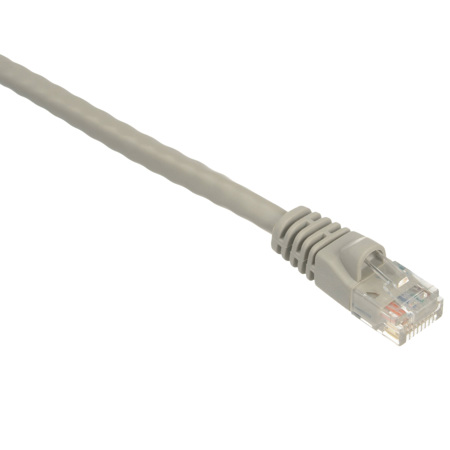
Infiniband Cables
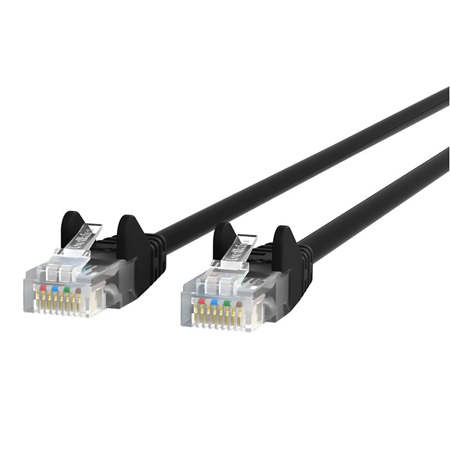
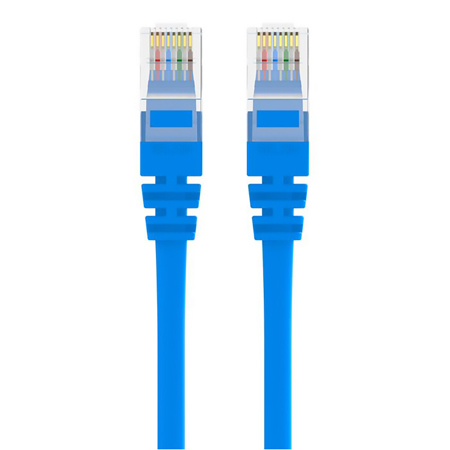
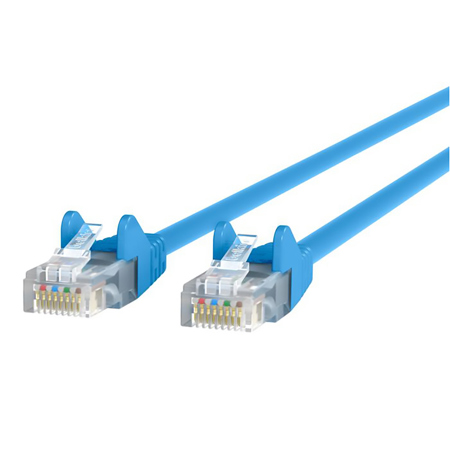
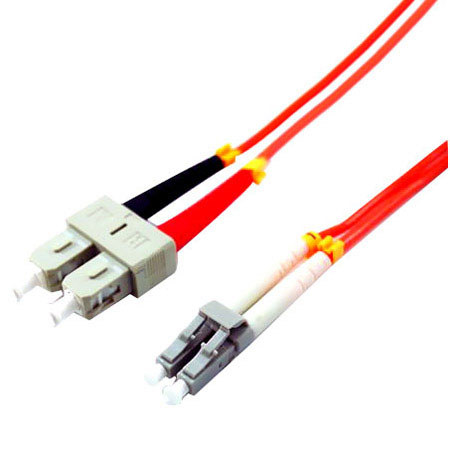
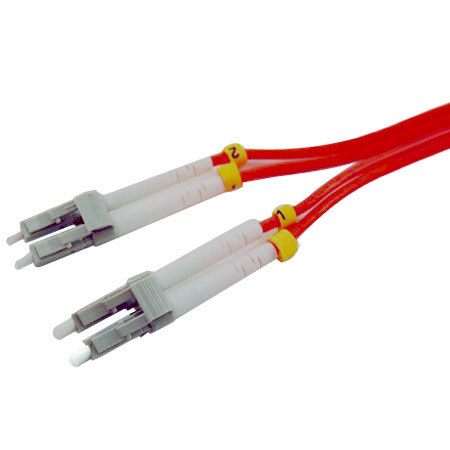
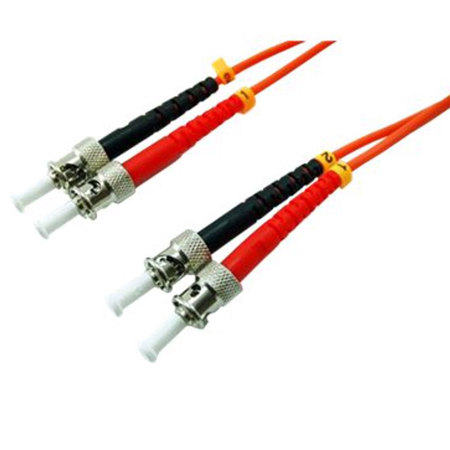
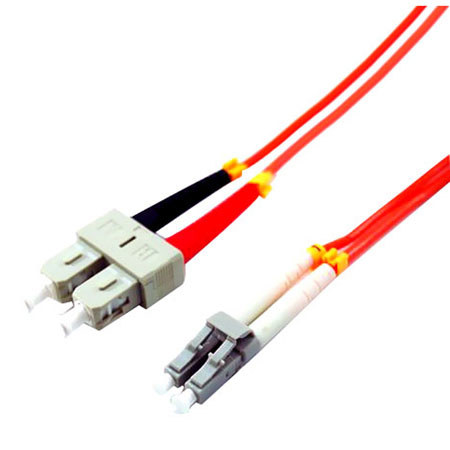
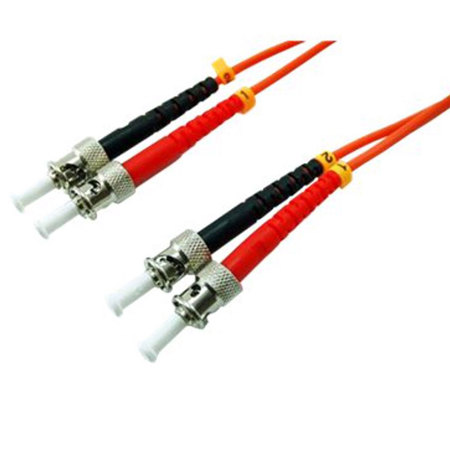
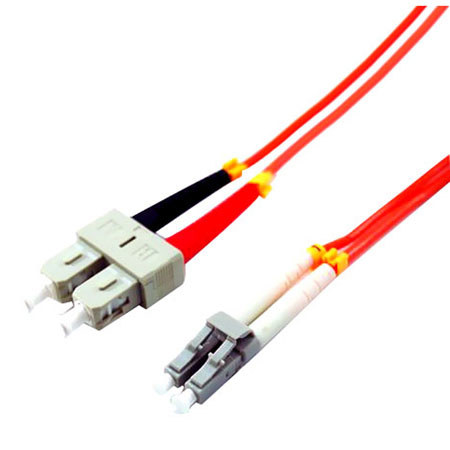
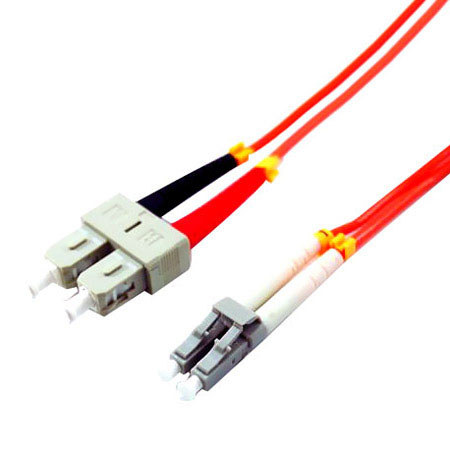
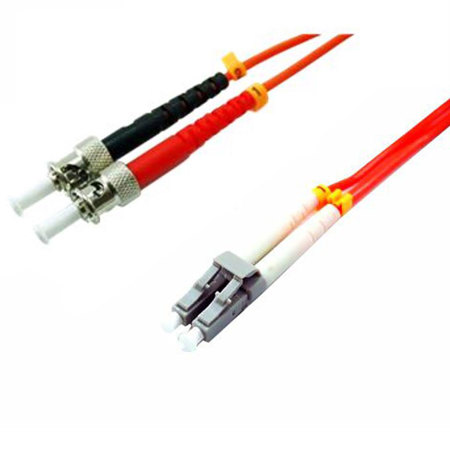
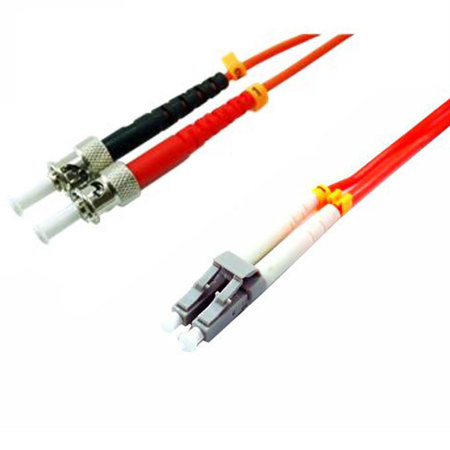
Infiniband cables are a foundational component in high-speed data environments, trusted by IT professionals, system integrators, and technology enthusiasts who demand robust performance and reliability from their network infrastructure. These specialized cables are engineered to deliver lightning-fast data transfer rates, low latency, and exceptional bandwidth, making them indispensable in settings such as data centers, research labs, enterprise storage networks, and high-performance computing clusters. As spring approaches and organizations prepare for new projects or system upgrades, the need for efficient and scalable connectivity becomes even more pronounced. Whether you’re expanding your server farm, building out a new rack, or simply optimizing your data workflows, the right infiniband cabling ensures seamless communication between switches, servers, and storage arrays. The precision and durability of these cables are paramount, as even the smallest signal loss or interference can impact mission-critical applications. Many IT specialists recall the relief of swapping out legacy connections for infiniband solutions—watching transfer speeds soar and bottlenecks disappear, all while maintaining a tidy and organized rack layout.
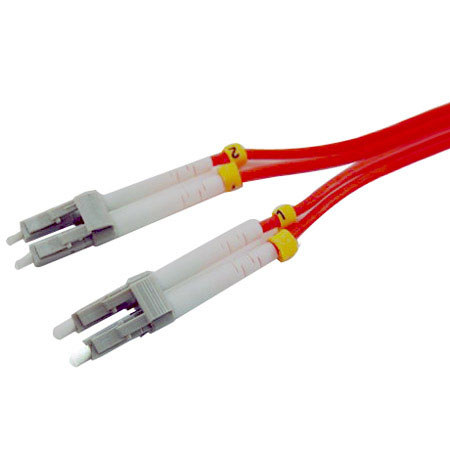
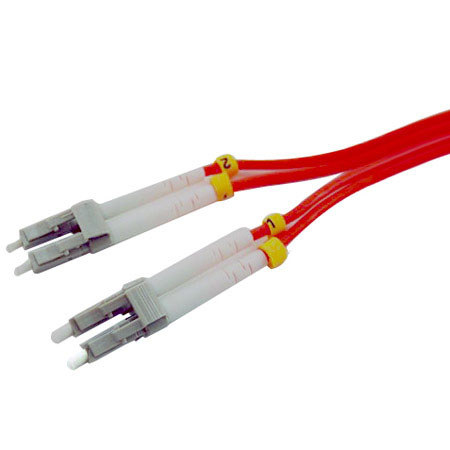
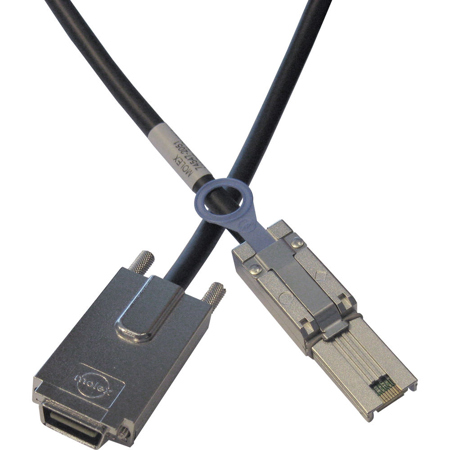
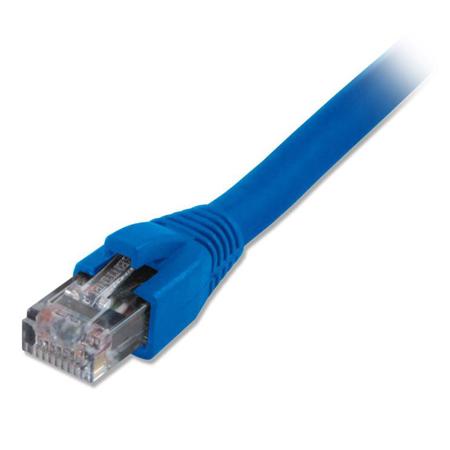
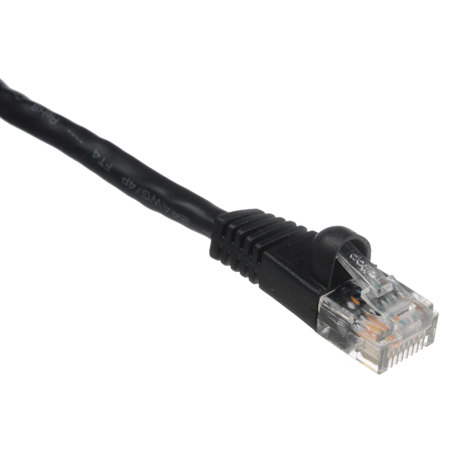
Selecting the ideal infiniband cable involves several important considerations. Length and form factor are crucial, as data centers often have unique layouts that require both flexibility and efficient cable management. The choice between passive and active cables depends on the distance between devices and the required signal integrity; passive cables are typically sufficient for shorter runs, while active cables are preferred for longer distances or more complex topologies. Connectors must match the ports on your hardware, and it’s essential to verify compatibility with existing network infrastructure. For those managing large-scale deployments, color-coded or labeled infiniband cabling can simplify troubleshooting and future upgrades. While infiniband cables are primarily used by IT professionals, they can also make thoughtful gifts for tech-savvy individuals, especially those running home labs or experimenting with virtualization and storage solutions. The satisfaction of unboxing new cables and watching a network come to life is a moment many technology enthusiasts cherish—akin to a musician stringing a new instrument before a performance. For those exploring alternative high-speed networking options, it’s worth considering related solutions such as 10 Gigabit Ethernet Cables, which offer robust performance for a range of applications. Ultimately, investing in quality infiniband cabling is a commitment to speed, reliability, and future-proofing your network, ensuring that your data infrastructure is ready to meet the demands of today’s connected world.
Selecting the ideal infiniband cable involves several important considerations. Length and form factor are crucial, as data centers often have unique layouts that require both flexibility and efficient cable management. The choice between passive and active cables depends on the distance between devices and the required signal integrity; passive cables are typically sufficient for shorter runs, while active cables are preferred for longer distances or more complex topologies. Connectors must match the ports on your hardware, and it’s essential to verify compatibility with existing network infrastructure. For those managing large-scale deployments, color-coded or labeled infiniband cabling can simplify troubleshooting and future upgrades. While infiniband cables are primarily used by IT professionals, they can also make thoughtful gifts for tech-savvy individuals, especially those running home labs or experimenting with virtualization and storage solutions. The satisfaction of unboxing new cables and watching a network come to life is a moment many technology enthusiasts cherish—akin to a musician stringing a new instrument before a performance. For those exploring alternative high-speed networking options, it’s worth considering related solutions such as 10 Gigabit Ethernet Cables, which offer robust performance for a range of applications. Ultimately, investing in quality infiniband cabling is a commitment to speed, reliability, and future-proofing your network, ensuring that your data infrastructure is ready to meet the demands of today’s connected world.