
Filmmaker's Week Polarizing Filters
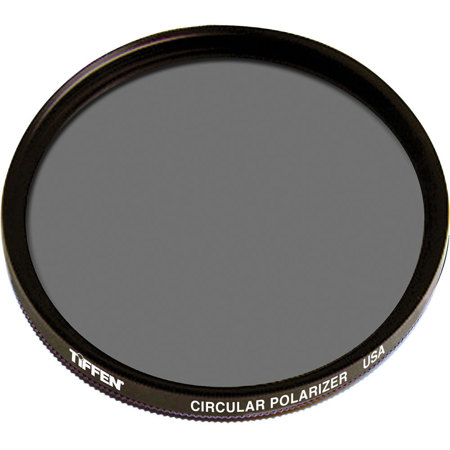
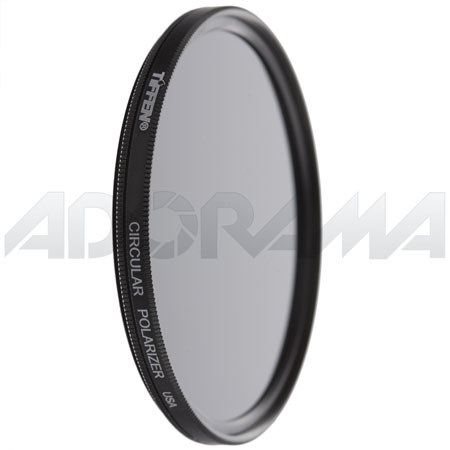
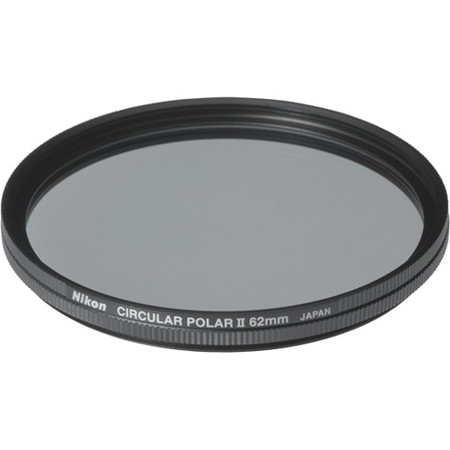
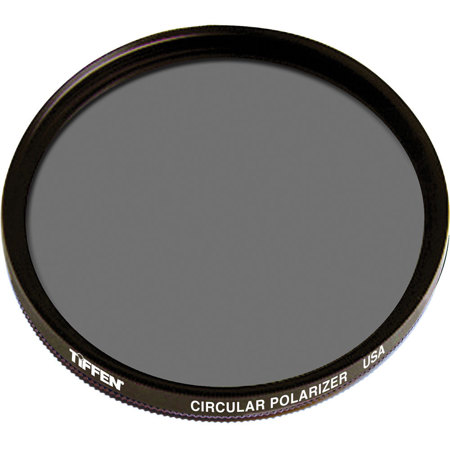
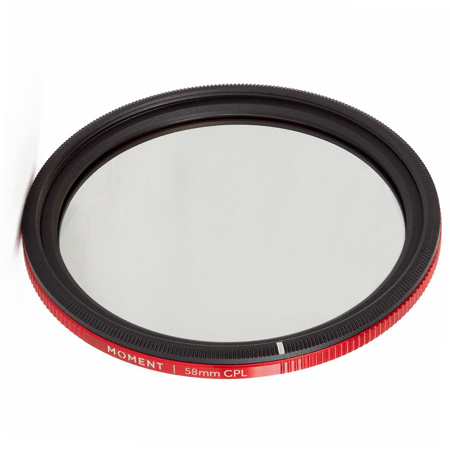
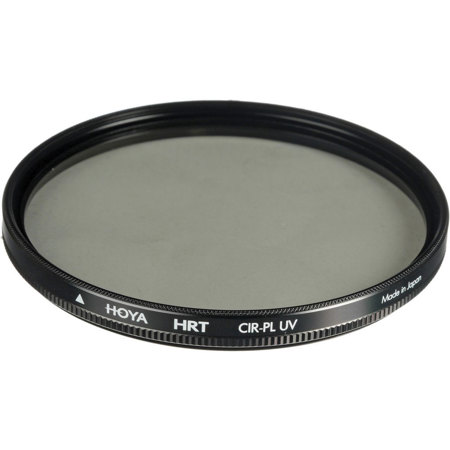
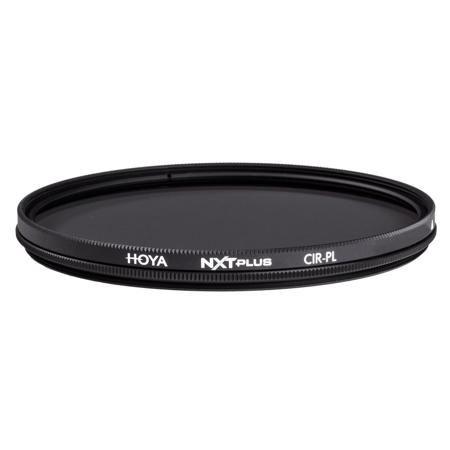
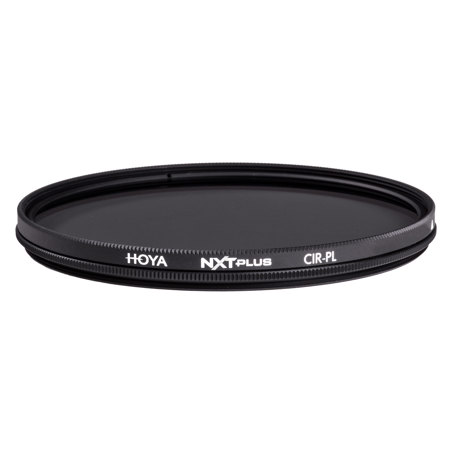
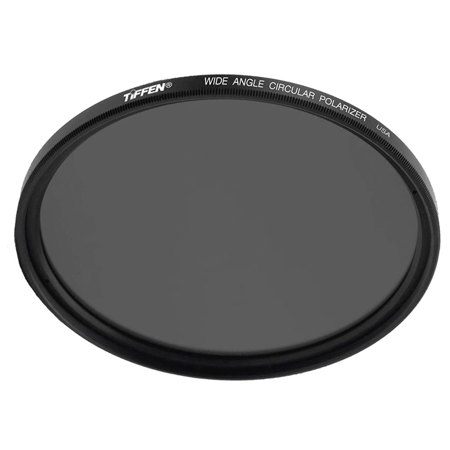
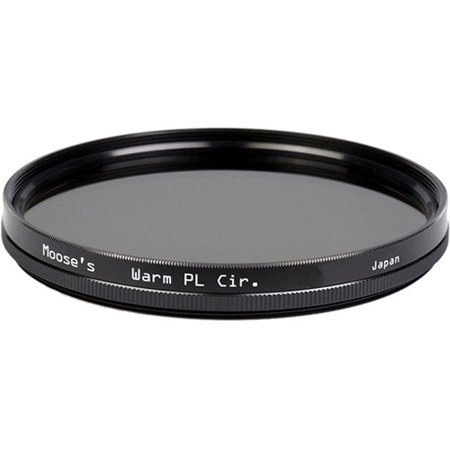
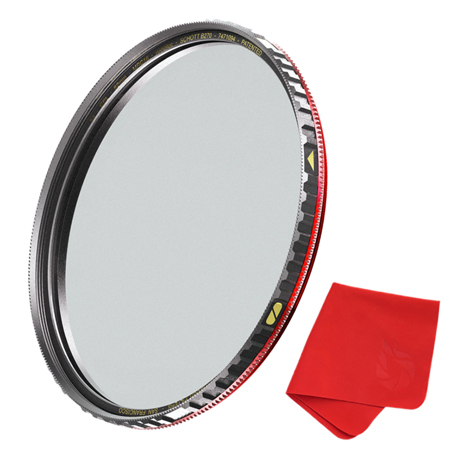
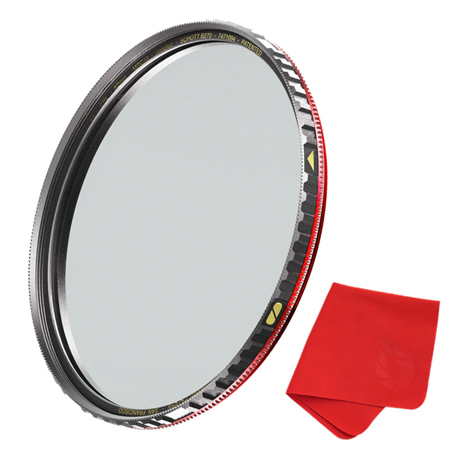
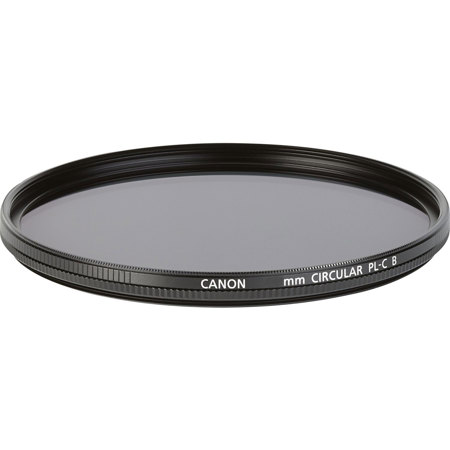
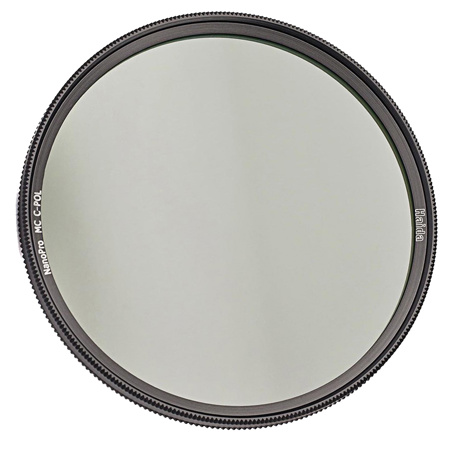
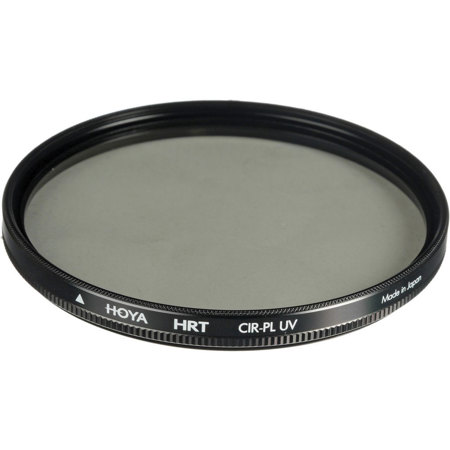
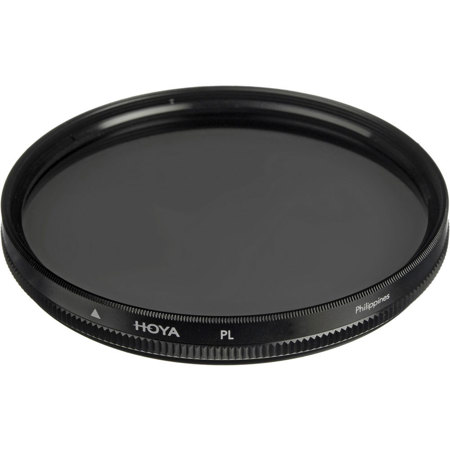
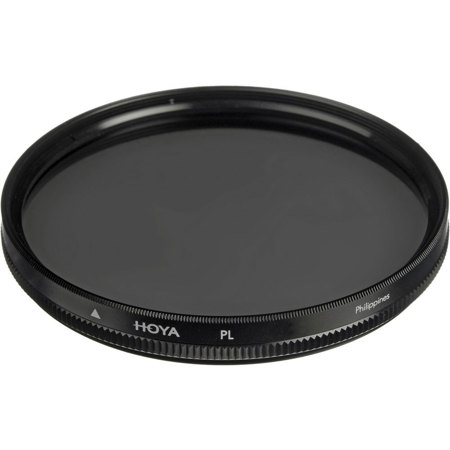
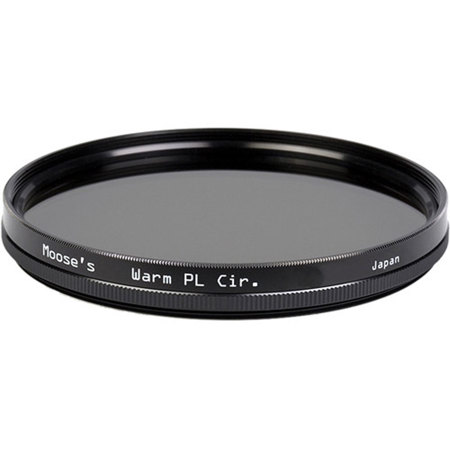
Polarizing filters have long been a staple in the toolkit of filmmakers, cinematographers, and visual storytellers seeking to achieve greater control over their images directly in-camera. As the days grow longer and the sun climbs higher, polarizers become especially valuable for outdoor shoots, helping creators capture vivid, cinematic footage even in challenging lighting conditions. These filters are designed to reduce glare and reflections from non-metallic surfaces like water, glass, and wet pavement, allowing hidden details to emerge and enhancing the overall clarity of your shots. By selectively filtering polarized light, they deepen blue skies, make clouds stand out with dramatic contrast, and bring out lush, saturated greens in foliage—ideal for scenes set in parks, forests, or city streets after a summer rain. Whether you’re filming a documentary by the lakeside, a narrative short in a bustling urban environment, or capturing behind-the-scenes moments during golden hour, the ability to rotate the filter and fine-tune its effect gives you precise creative control. Filmmakers often rely on polarizers to manage hot spots on actors’ faces, tame harsh sunlight, and achieve a more balanced exposure, especially when shooting with wide dynamic range cameras that benefit from every bit of highlight and shadow detail.
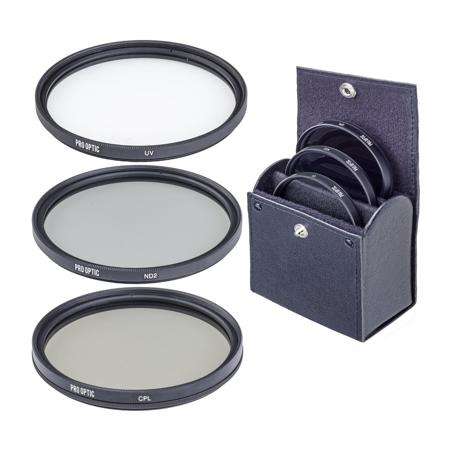
A polarizing filter’s versatility extends beyond just technical benefits; it’s a thoughtful gift for any filmmaker, content creator, or aspiring videographer looking to elevate their craft. As production ramps up during the warmer months—when outdoor locations are at their most vibrant—these filters help mitigate the challenges posed by midday sun and reflective surfaces, ensuring footage retains rich color and crisp detail. Because polarizers inherently reduce light transmission by 1.5 to 3 stops, they also act as a mild neutral density filter, allowing for more cinematic shutter speeds and aperture settings without overexposing your image. This makes them especially useful for run-and-gun shooters, travel documentarians, and event videographers who need to adapt quickly to changing conditions. However, it’s important to note that polarizers are best reserved for daylight and well-lit scenes; in low-light situations or when shooting panoramas, they can introduce uneven exposure or unwanted noise. Investing in a high-quality polarizing filter ensures minimal color cast and preserves the sharpness of your footage, making it a smart addition to any filmmaker’s gear bag. For those building a comprehensive kit, exploring options like combination filter sets can further expand creative possibilities—discover more in our curated selection of Filmmaker's Week Filter Kits.
Whether you’re capturing the shimmering surface of a river at sunset, shooting through a car window for a dynamic driving sequence, or simply striving to make your footage stand out with richer, more immersive colors, a polarizing filter is an essential tool for achieving professional results. It’s the kind of gear that grows with you, revealing new creative opportunities as your skills and ambitions evolve. As you plan shoots through the changing seasons, from the lush greens of early summer to the golden hues of early fall, having a reliable polarizer on hand means you’re always ready to handle unpredictable reflections and challenging lighting. For filmmakers of all experience levels, from students assembling their first kit to seasoned professionals refining their workflow, the right polarizing filter can make all the difference in bringing a cinematic vision to life.
A polarizing filter’s versatility extends beyond just technical benefits; it’s a thoughtful gift for any filmmaker, content creator, or aspiring videographer looking to elevate their craft. As production ramps up during the warmer months—when outdoor locations are at their most vibrant—these filters help mitigate the challenges posed by midday sun and reflective surfaces, ensuring footage retains rich color and crisp detail. Because polarizers inherently reduce light transmission by 1.5 to 3 stops, they also act as a mild neutral density filter, allowing for more cinematic shutter speeds and aperture settings without overexposing your image. This makes them especially useful for run-and-gun shooters, travel documentarians, and event videographers who need to adapt quickly to changing conditions. However, it’s important to note that polarizers are best reserved for daylight and well-lit scenes; in low-light situations or when shooting panoramas, they can introduce uneven exposure or unwanted noise. Investing in a high-quality polarizing filter ensures minimal color cast and preserves the sharpness of your footage, making it a smart addition to any filmmaker’s gear bag. For those building a comprehensive kit, exploring options like combination filter sets can further expand creative possibilities—discover more in our curated selection of Filmmaker's Week Filter Kits.
Whether you’re capturing the shimmering surface of a river at sunset, shooting through a car window for a dynamic driving sequence, or simply striving to make your footage stand out with richer, more immersive colors, a polarizing filter is an essential tool for achieving professional results. It’s the kind of gear that grows with you, revealing new creative opportunities as your skills and ambitions evolve. As you plan shoots through the changing seasons, from the lush greens of early summer to the golden hues of early fall, having a reliable polarizer on hand means you’re always ready to handle unpredictable reflections and challenging lighting. For filmmakers of all experience levels, from students assembling their first kit to seasoned professionals refining their workflow, the right polarizing filter can make all the difference in bringing a cinematic vision to life.