Filters For Wildlife Photography
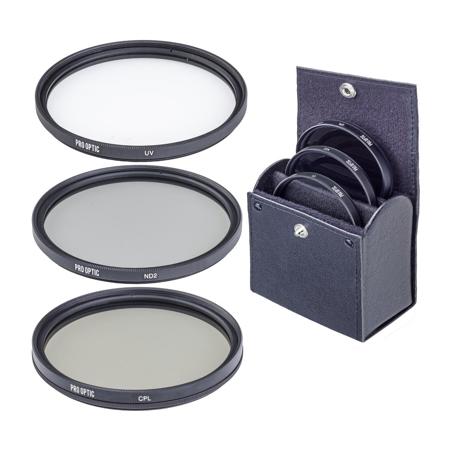
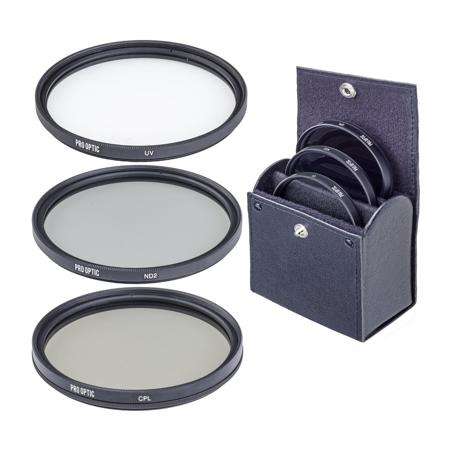
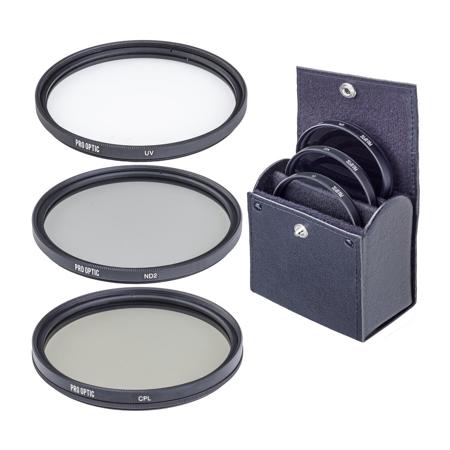
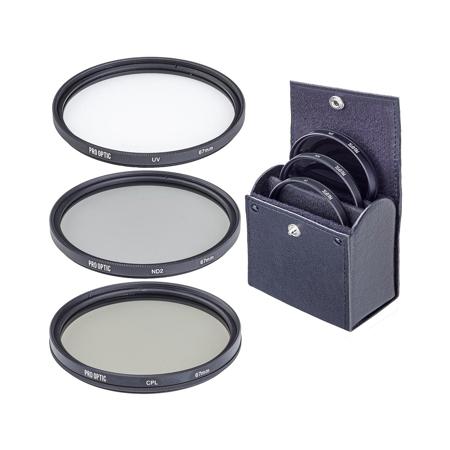
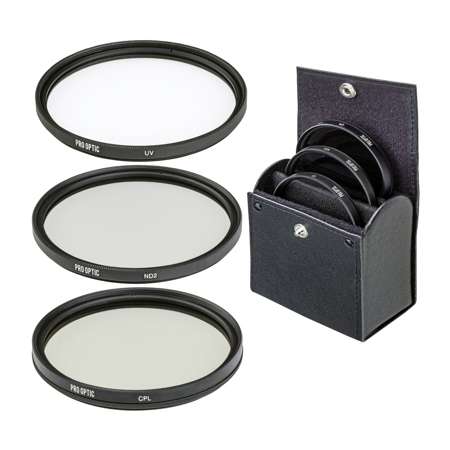
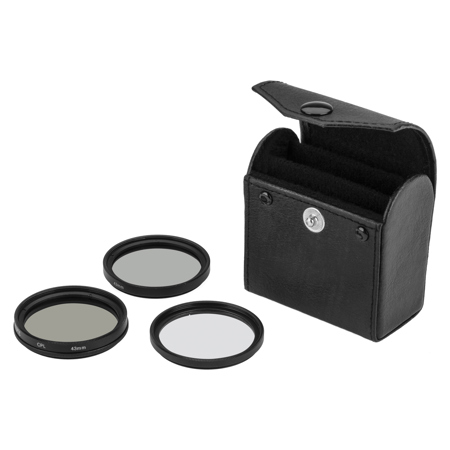
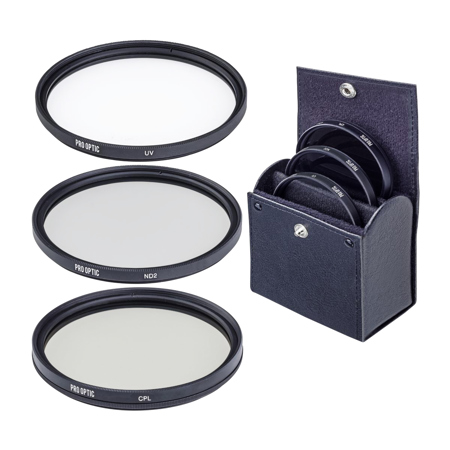
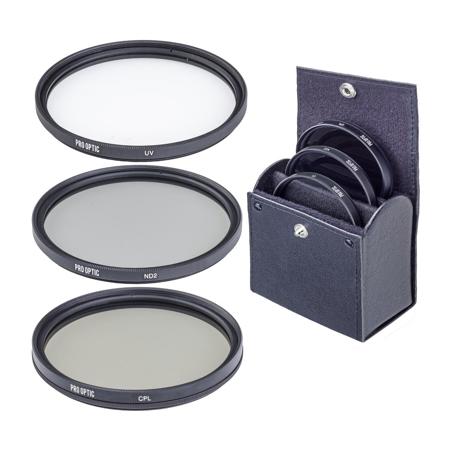
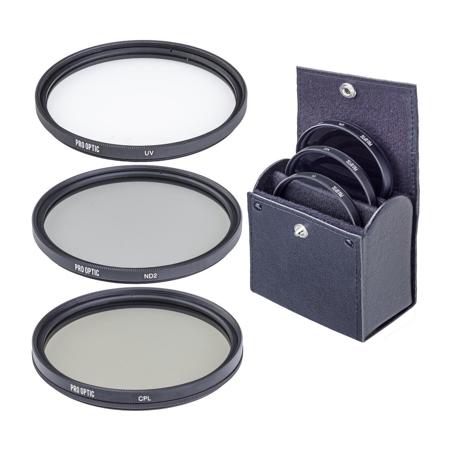
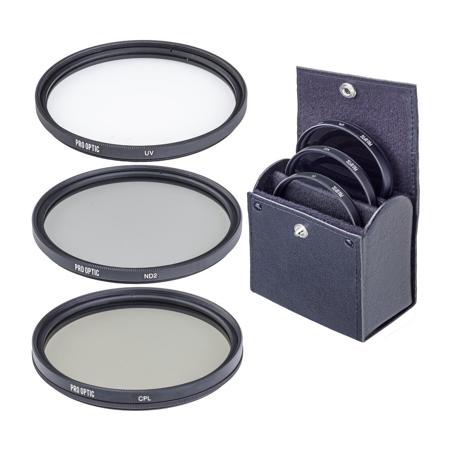
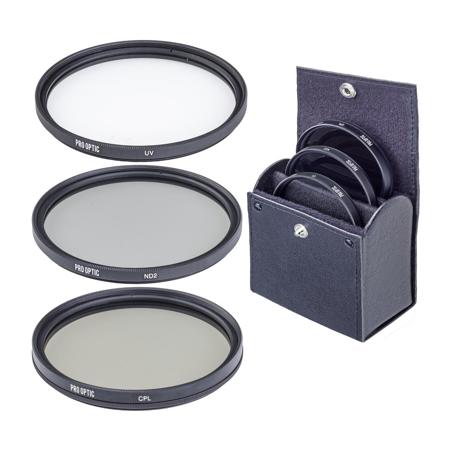
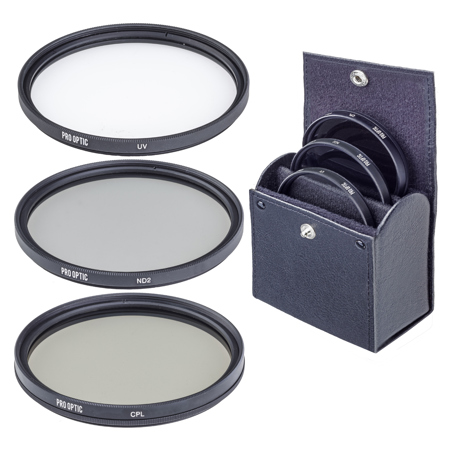
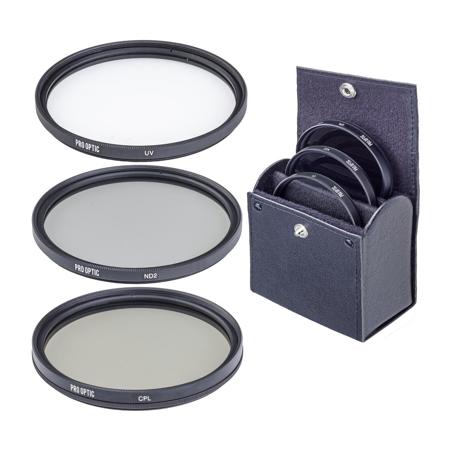
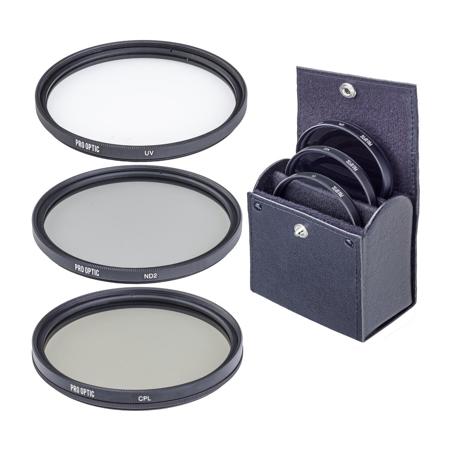
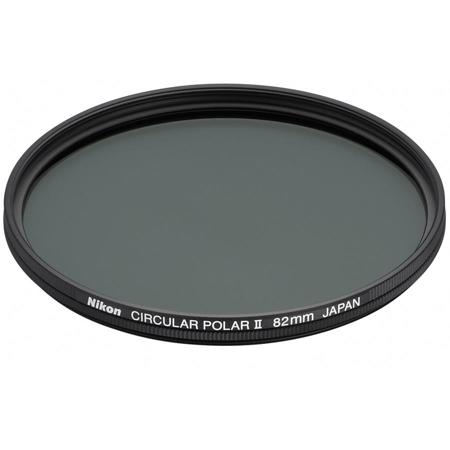
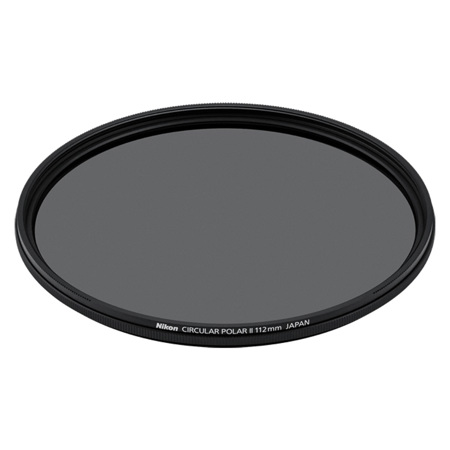
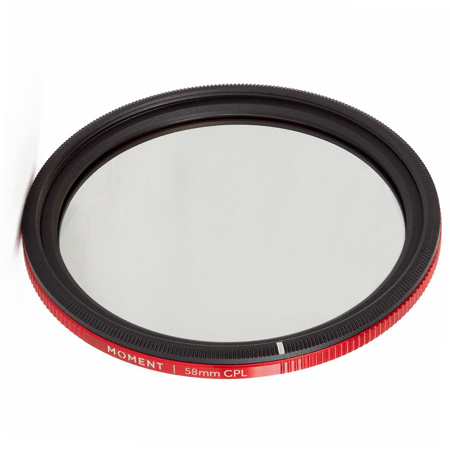
Filters for wildlife photography are essential tools for both seasoned professionals and passionate hobbyists who are eager to capture the natural world in all its vivid detail. As the weather shifts from the fresh greens of early summer into the golden hues of early fall, wildlife activity often peaks, offering photographers a wealth of opportunities in diverse environments—from sun-dappled forests and shimmering wetlands to windswept grasslands and coastal habitats. During these months, the interplay of light and landscape can be both a blessing and a challenge. Circular polarizing filters (CPLs) are among the most valued accessories in a wildlife photographer’s kit, especially when working in bright, midday sun or around reflective surfaces like water, wet foliage, or even the glossy fur of animals. By cutting through glare and reducing reflections, a CPL brings out richer colors and reveals subtle details in feathers, fur, and foliage that might otherwise be lost. This effect cannot be replicated in post-processing, making a high-quality CPL the best filter for wildlife photography when you want to make your subjects truly stand out against their backgrounds. However, it’s important to remember that polarizers reduce light transmission by about one to one and a half stops, which can be a consideration during the early morning or late evening when wildlife is most active and light levels are low. Many wildlife shooters adapt by keeping a CPL handy for bright conditions but switching to a clear or UV filter as dusk approaches, ensuring both image quality and lens protection.
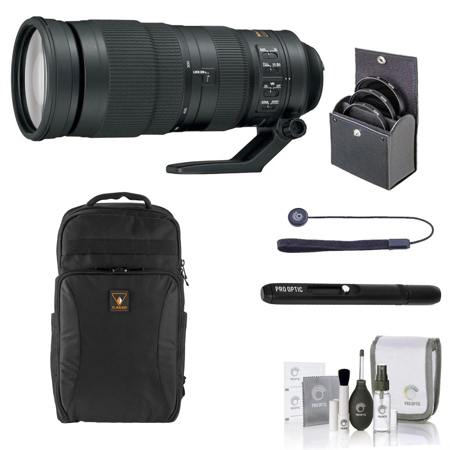
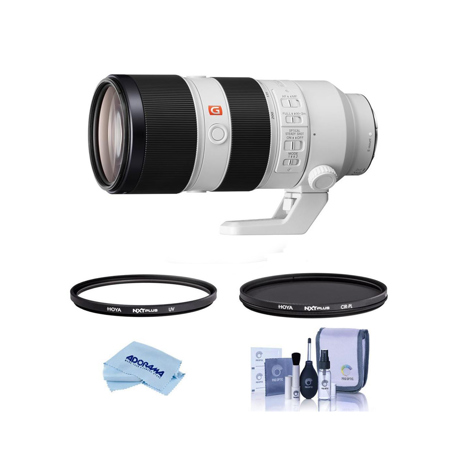
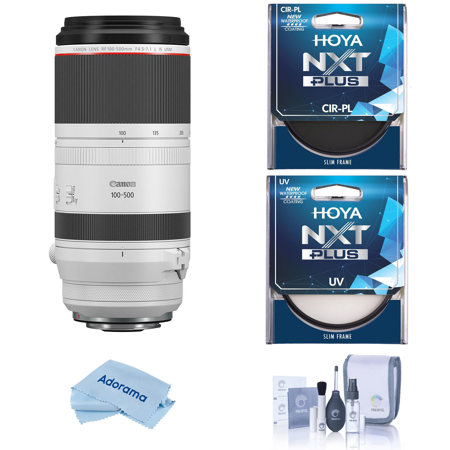
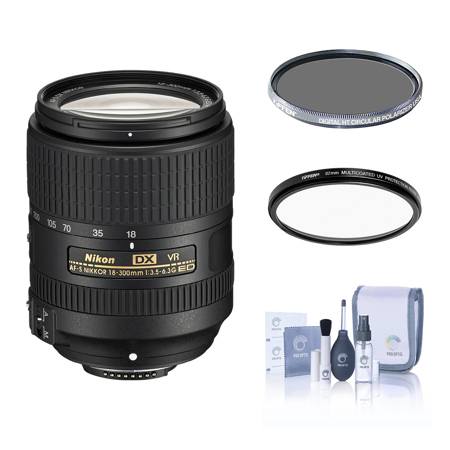
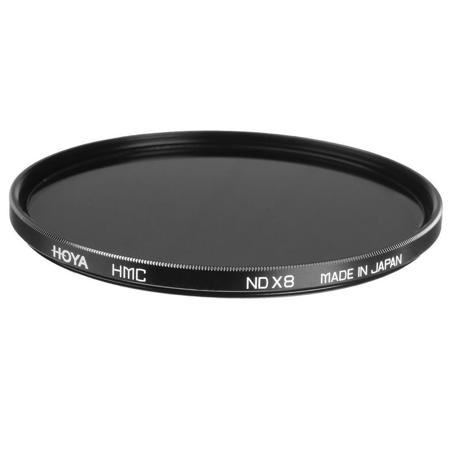
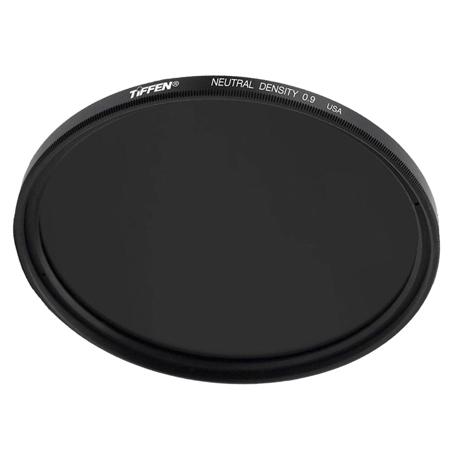
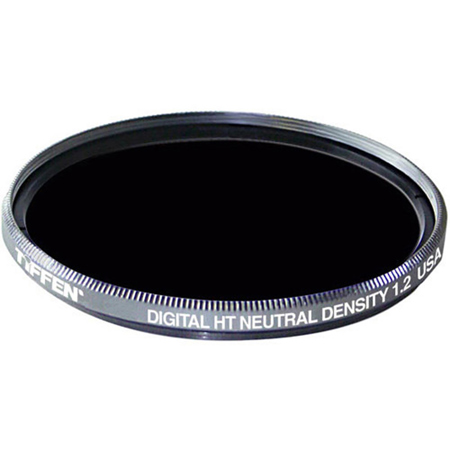
Physical protection is another crucial reason to invest in quality filters, especially when venturing into rugged or unpredictable environments. Wildlife photographers often find themselves navigating sandy deserts, misty marshlands, or breezy coastlines, where dust, rain, or sea spray can threaten the delicate front elements of expensive telephoto lenses. A robust clear or UV filter acts as a shield, safeguarding your investment from accidental knocks, flying debris, or sudden weather changes without compromising image clarity. For those using large-diameter telephoto lenses, step-up rings can be a practical solution, allowing a single high-quality filter to be used across multiple lenses and saving both space and expense in your camera bag. Some super-telephoto primes even feature drop-in filter drawers, making it easier to adapt to changing conditions in the field. Neutral density (ND) filters, while less commonly used in fast-paced wildlife scenarios, can be invaluable for those seeking creative control in exceptionally bright conditions. By reducing the amount of light entering the lens, ND filters allow for wider apertures and shallower depth of field, perfect for isolating a subject against a beautifully blurred background or achieving the cinematic look favored by wildlife videographers. Whether you’re photographing a flock of birds skimming across a lake, a herd of elk grazing at the forest’s edge, or a fox darting through tall summer grass, having the right filter on hand can mean the difference between a good shot and a truly spectacular one.
Filters for wildlife photography also make thoughtful gifts for nature lovers, birdwatchers, or anyone embarking on a photographic adventure. They are practical, durable, and universally appreciated by those who spend time outdoors, especially during the months when wildlife is most active and landscapes are at their most vibrant. When selecting a filter, prioritize optical quality—cheap glass can degrade sharpness and introduce unwanted color shifts or flares, undermining the very moments you set out to capture. Look for features like multi-resistant coatings, weather sealing, and sturdy construction to ensure your filter stands up to real-world use. For photographers who split their time between outdoor and studio work, exploring options for Filters For Indoor Photography can further expand creative possibilities, allowing for seamless transitions between natural and controlled lighting environments. Ultimately, the right filter not only enhances your images but also protects your gear, empowering you to focus on the fleeting, magical moments that define wildlife photography. Whether you’re tracking the migration patterns of birds under a clear blue sky or waiting patiently for a glimpse of elusive mammals as the leaves begin to turn, investing in the best filter for wildlife photography ensures you’re ready to capture nature’s drama in all its breathtaking detail.
Physical protection is another crucial reason to invest in quality filters, especially when venturing into rugged or unpredictable environments. Wildlife photographers often find themselves navigating sandy deserts, misty marshlands, or breezy coastlines, where dust, rain, or sea spray can threaten the delicate front elements of expensive telephoto lenses. A robust clear or UV filter acts as a shield, safeguarding your investment from accidental knocks, flying debris, or sudden weather changes without compromising image clarity. For those using large-diameter telephoto lenses, step-up rings can be a practical solution, allowing a single high-quality filter to be used across multiple lenses and saving both space and expense in your camera bag. Some super-telephoto primes even feature drop-in filter drawers, making it easier to adapt to changing conditions in the field. Neutral density (ND) filters, while less commonly used in fast-paced wildlife scenarios, can be invaluable for those seeking creative control in exceptionally bright conditions. By reducing the amount of light entering the lens, ND filters allow for wider apertures and shallower depth of field, perfect for isolating a subject against a beautifully blurred background or achieving the cinematic look favored by wildlife videographers. Whether you’re photographing a flock of birds skimming across a lake, a herd of elk grazing at the forest’s edge, or a fox darting through tall summer grass, having the right filter on hand can mean the difference between a good shot and a truly spectacular one.
Filters for wildlife photography also make thoughtful gifts for nature lovers, birdwatchers, or anyone embarking on a photographic adventure. They are practical, durable, and universally appreciated by those who spend time outdoors, especially during the months when wildlife is most active and landscapes are at their most vibrant. When selecting a filter, prioritize optical quality—cheap glass can degrade sharpness and introduce unwanted color shifts or flares, undermining the very moments you set out to capture. Look for features like multi-resistant coatings, weather sealing, and sturdy construction to ensure your filter stands up to real-world use. For photographers who split their time between outdoor and studio work, exploring options for Filters For Indoor Photography can further expand creative possibilities, allowing for seamless transitions between natural and controlled lighting environments. Ultimately, the right filter not only enhances your images but also protects your gear, empowering you to focus on the fleeting, magical moments that define wildlife photography. Whether you’re tracking the migration patterns of birds under a clear blue sky or waiting patiently for a glimpse of elusive mammals as the leaves begin to turn, investing in the best filter for wildlife photography ensures you’re ready to capture nature’s drama in all its breathtaking detail.